Arnold Schwarzenegger’s transition from an Austrian bodybuilding champion to the 38th Governor of California represents one of the most remarkable career trajectories in modern history. By leveraging international stardom and a platform of fiscal conservatism and environmental activism, he successfully navigated the 2003 recall election to lead the world’s fifth-largest economy for seven years.
The journey of Arnold Schwarzenegger is often cited as the ultimate embodiment of the American Dream. His life is characterized by distinct, hyper-successful chapters: a dominant athletic career, a record-breaking stint as a Hollywood leading man, and a transformative period in public service. As of 2026, his legacy continues to influence both the fitness industry and global climate policy, proving that his impact extends far beyond the silver screen or the gym floor.
The Foundation: Bodybuilding and the "Austrian Oak"
Arnold’s rise began in Thal, Austria, where he developed an early obsession with physical culture. Unlike many of his peers, Schwarzenegger viewed bodybuilding not just as a sport, but as a vehicle for social and economic mobility. He understood early on that physical dominance could be translated into a personal brand.
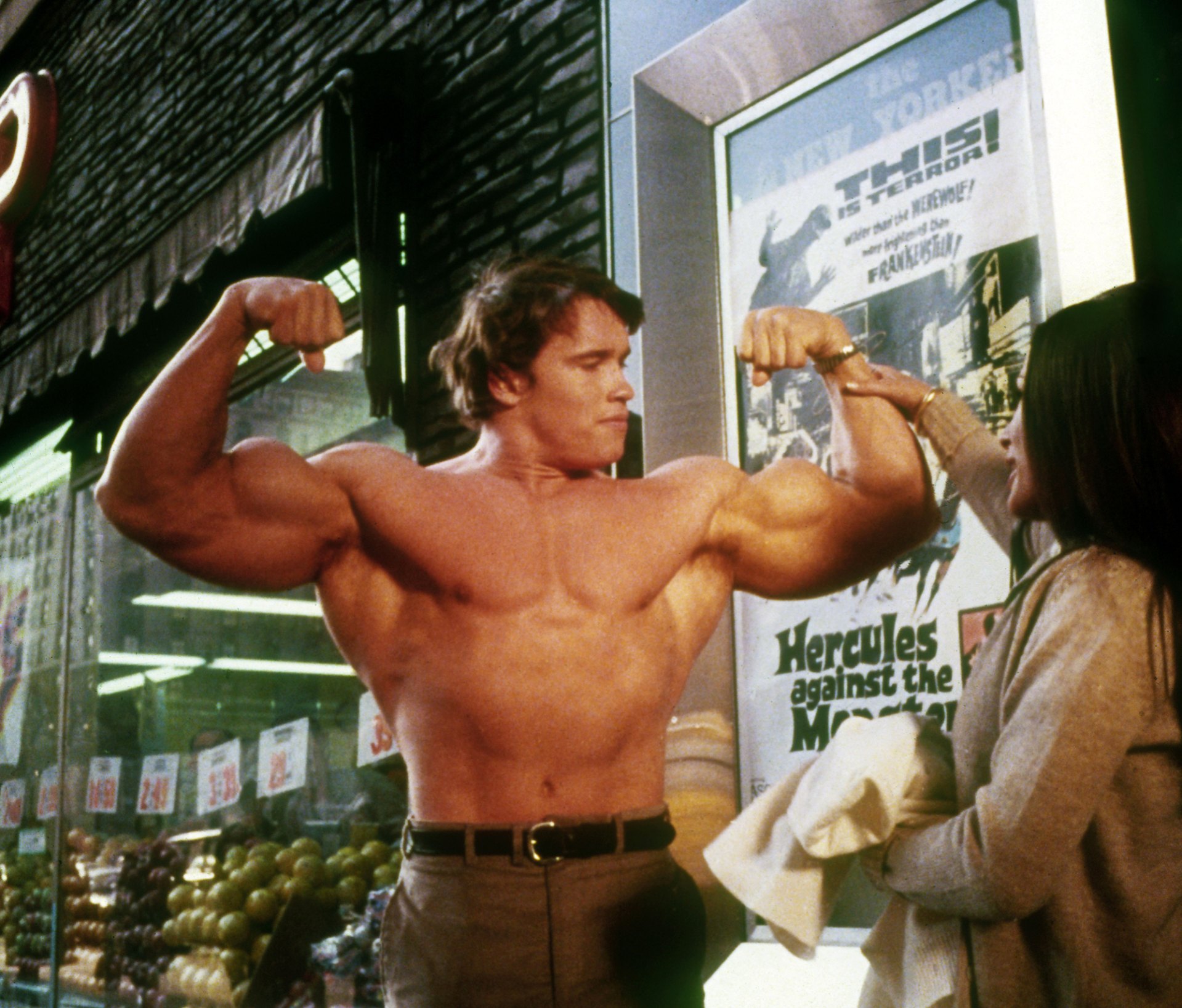
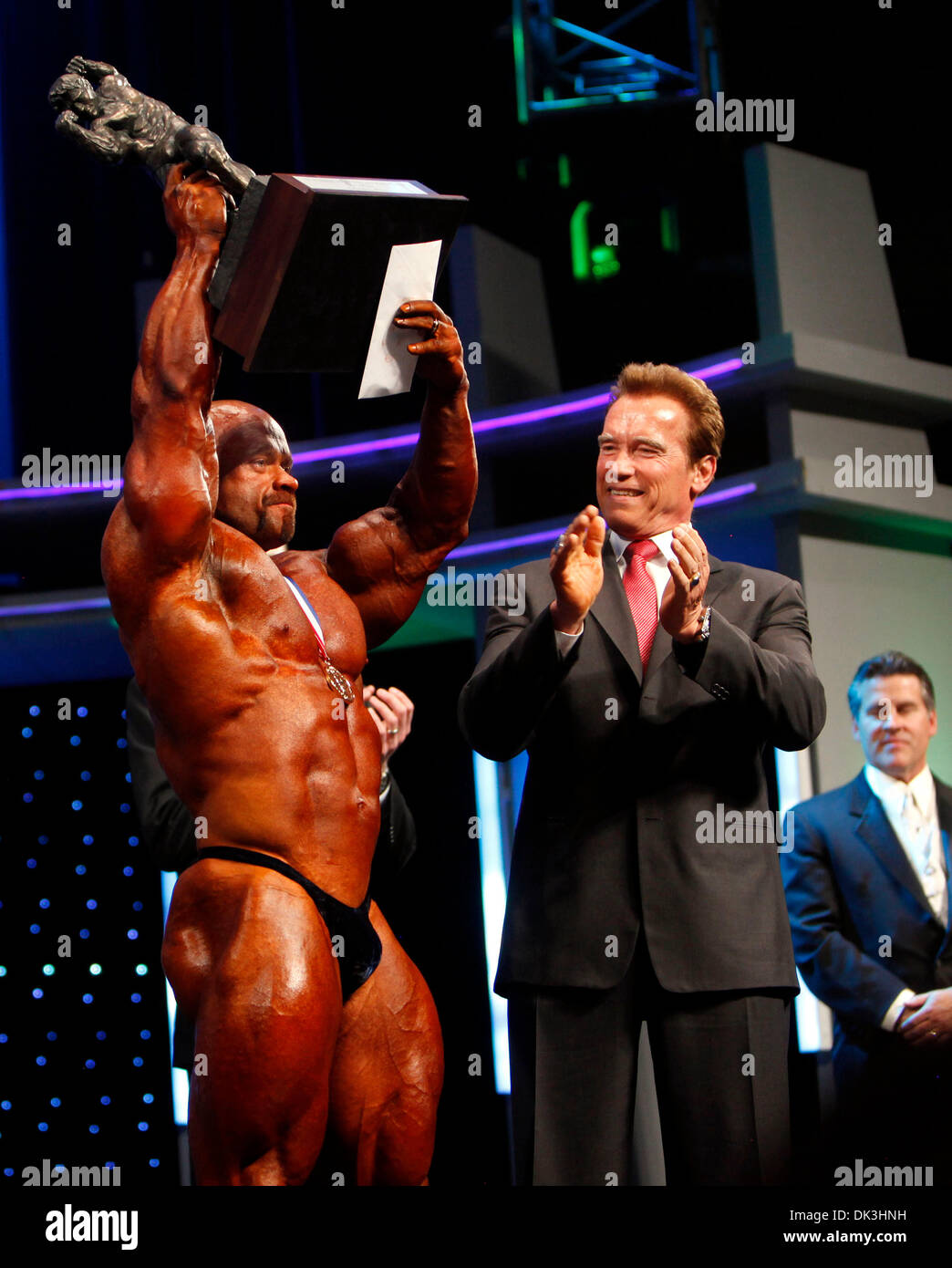
Between 1970 and 1980, Schwarzenegger won the Mr. Olympia title seven times. His dominance in the International Federation of Bodybuilding & Fitness (IFBB) was not merely due to his genetics but his psychological approach to competition. He famously used "mind games" to unsettle opponents, a tactic that would later serve him well in the political arena. The 1977 documentary Pumping Iron was the turning point that introduced his charismatic, albeit highly competitive, personality to a mainstream audience.
During this era, Arnold established several principles that would define his later success:
- The Power of Vision: He frequently spoke about "visualizing" his goals, whether it was a trophy or a political office.
- Marketability: He was one of the first bodybuilders to actively court the media, recognizing that fame was a form of "soft power."
- Financial Independence: Before becoming a movie star, Schwarzenegger became a millionaire through savvy real estate investments and a bricklaying business, ensuring he would never be beholden to the whims of casting directors or political donors.
The Hollywood Era: Translating Muscle into Global Stardom
In the late 1970s and early 1980s, the consensus in Hollywood was that Schwarzenegger’s name was too long, his accent too thick, and his body too "monstrous" for leading roles. He systematically dismantled these barriers. By the time he starred in Conan the Barbarian (1982), he had proven that his unique physical presence could carry a film.
His most iconic role came in 1984 with James Cameron's The Terminator. The character’s stoic, relentless nature perfectly suited Arnold's delivery and physique. Throughout the 1980s and 1990s, he became a global box office juggernaut, starring in hits like Predator, Total Recall, and Terminator 2: Judgment Day.
Arnold’s success in Hollywood was a prerequisite for his political career. It provided him with:
- Name Recognition: In the 2003 election, he had near 100% name recognition, a feat most career politicians spend decades and millions of dollars to achieve.
- Communication Skills: He mastered the art of the "one-liner," a skill that allowed him to simplify complex political messages into digestible, memorable soundbites.
- Wealth: His Hollywood earnings allowed him to self-fund significant portions of his political campaigns, framing him as a candidate "unbought" by special interests.
The Political Pivot: The 2003 California Recall Election
The transition from "The Terminator" to "The Governator" occurred during a period of unprecedented political upheaval in California. In 2003, the state faced a massive budget deficit, an energy crisis characterized by rolling blackouts, and widespread dissatisfaction with incumbent Governor Gray Davis.
A "Recall Election" is a specific constitutional mechanism in California that allows voters to remove an elected official from office before their term ends. Arnold announced his candidacy on The Tonight Show with Jay Leno, bypassing traditional political channels and speaking directly to the electorate.
The campaign was a media spectacle. Schwarzenegger ran as a moderate Republican—socially liberal but fiscally conservative. He famously promised to "clean house" and "rip up the credit card" of the state government. On October 7, 2003, Gray Davis was successfully recalled, and Schwarzenegger was elected from a field of over 100 candidates with 48.6% of the vote.
Key Phases of the Schwarzenegger Career
| Phase | Primary Focus | Key Achievement | Notable Era |
|---|---|---|---|
| Athletic | Physical Excellence | 7x Mr. Olympia Winner | 1968–1980 |
| Entertainment | Global Stardom | Highest-paid actor in the world | 1982–2003 |
| Political | Public Policy | 38th Governor of California | 2003–2011 |
| Elder Statesman | Global Activism | Schwarzenegger Climate Initiative | 2011–2026 |
Governance and Policy: Leading the Golden State
Schwarzenegger’s tenure as Governor was marked by both high-profile legislative victories and significant challenges. Initially, he attempted to govern through direct appeals to the people, often referring to his legislative opponents as "girlie men"—a throwback to his Saturday Night Live parodies. However, after a disastrous 2005 special election where all four of his sponsored ballot initiatives failed, he pivoted toward a more collaborative, bipartisan approach.
Environmental Leadership
Perhaps his most enduring legacy is the Global Warming Solutions Act of 2006 (AB 32). At a time when climate change was a highly partisan issue, Schwarzenegger signed this landmark legislation, which mandated a reduction in greenhouse gas emissions to 1990 levels by 2020. This move established California as a global leader in green technology and renewable energy, a status it still maintains in 2026.
Infrastructure and Reform
Schwarzenegger was a proponent of "Strategic Growth." He pushed for billions of dollars in bonds to upgrade California’s aging infrastructure, including highways, levees, and the education system. He also championed redistricting reform, taking the power to draw legislative boundaries out of the hands of politicians and giving it to an independent citizens' commission to reduce gerrymandering.
Economic Challenges
His second term was overshadowed by the 2008 global financial crisis. California’s reliance on capital gains taxes made its budget particularly vulnerable to the market crash. By the time he left office in 2011, the state faced a $28 billion deficit and high unemployment. Critics often point to this period as a failure of his fiscal promises, while supporters argue that the global economic forces were beyond any governor's control.
Post-Political Life and Modern Legacy (2011–2026)
Since leaving the Governor’s mansion, Schwarzenegger has successfully integrated his three personas. He returned to acting, notably in the Expendables franchise and more recently in streaming series, but he has focused heavily on his role as a global advocate for environmentalism and democratic reform.
In 2026, his influence is felt through the Schwarzenegger Climate Initiative, which hosts the annual R20 Austrian World Summit. He remains one of the most prominent voices in the "Green GOP" movement, arguing that environmental protection is a matter of health and economics rather than ideology. He also continues to mentor athletes through the Arnold Sports Festival, which has expanded to every continent except Antarctica.
His journey serves as a blueprint for "extreme career pivoting." He demonstrated that the skills required for elite athletics—discipline, focus, and resilience—are transferable to the highest levels of government and business.
Frequently Asked Questions
Was Arnold Schwarzenegger eligible to run for U.S. President?
No. Under the United States Constitution (Article II, Section 1), only a "natural-born citizen" is eligible to serve as President. Because Schwarzenegger was born in Austria and became a naturalized citizen in 1983, he is constitutionally barred from the presidency. Despite various "Amend the Constitution" movements during his governorship, no legal changes were ever enacted to allow foreign-born citizens to run for the nation's highest office.
What political party did Arnold Schwarzenegger belong to?
Arnold Schwarzenegger is a member of the Republican Party. However, he was often described as a "moderate" or "centrist" Republican. He frequently clashed with the more conservative wing of his party on issues like climate change, healthcare, and stem cell research. His marriage to Maria Shriver, a member of the Democratic Kennedy dynasty, further underscored his position as a bridge-builder between opposing political ideologies.
What was Schwarzenegger's most significant failure as Governor?
Many political analysts point to the 2005 Special Election as his greatest tactical failure. He spent millions of dollars on a "Reform Agenda" that the public ultimately rejected at the polls. This loss of political capital forced him to re-evaluate his "action hero" approach to legislating and move toward a more traditional, bipartisan style of governance. Additionally, the state's significant debt at the end of his second term remains a point of historical contention.
How did Arnold Schwarzenegger's bodybuilding background help his political career?
Beyond name recognition, bodybuilding taught Schwarzenegger the importance of "peak performance" and public image. He understood how to command a room and use his physical presence to project authority. The discipline required to sculpt a world-class physique translated into the stamina needed for grueling campaign trails and late-night legislative sessions. He also used fitness as a policy tool, promoting the Governor's Council on Physical Fitness and Sports to combat childhood obesity.
What is the Schwarzenegger Climate Initiative?
The Schwarzenegger Climate Initiative is a non-profit organization dedicated to supporting climate projects and hosting the Austrian World Summit. It focuses on subnational climate action, encouraging cities and states to take the lead on environmental policy regardless of national-level politics. As of 2026, it remains one of the most influential NGOs in the climate space, specifically bridging the gap between conservative economic principles and environmental sustainability.
Practical Recommendations for Following His Legacy
For those inspired by Schwarzenegger’s transition from bodybuilding to politics, the following actions are recommended:
- Study Bipartisan Policy: Examine the California State Archives for his executive orders on environmental policy and infrastructure. His ability to pass AB 32 in a divided legislature is a masterclass in political negotiation.
- Embrace Cross-Disciplinary Learning: Schwarzenegger’s success came from his refusal to stay in one "lane." Apply the discipline of your current field to a seemingly unrelated interest to build a unique personal brand.
- Focus on Local Governance: Like Arnold, many modern leaders realize that state and local levels often have more immediate impacts on policy than the federal level. For those interested in public service, starting with local boards or commissions is a practical first step.
- Prioritize Communication: His career proves that the ability to simplify complex ideas into actionable "visions" is the most valuable skill in both entertainment and leadership.