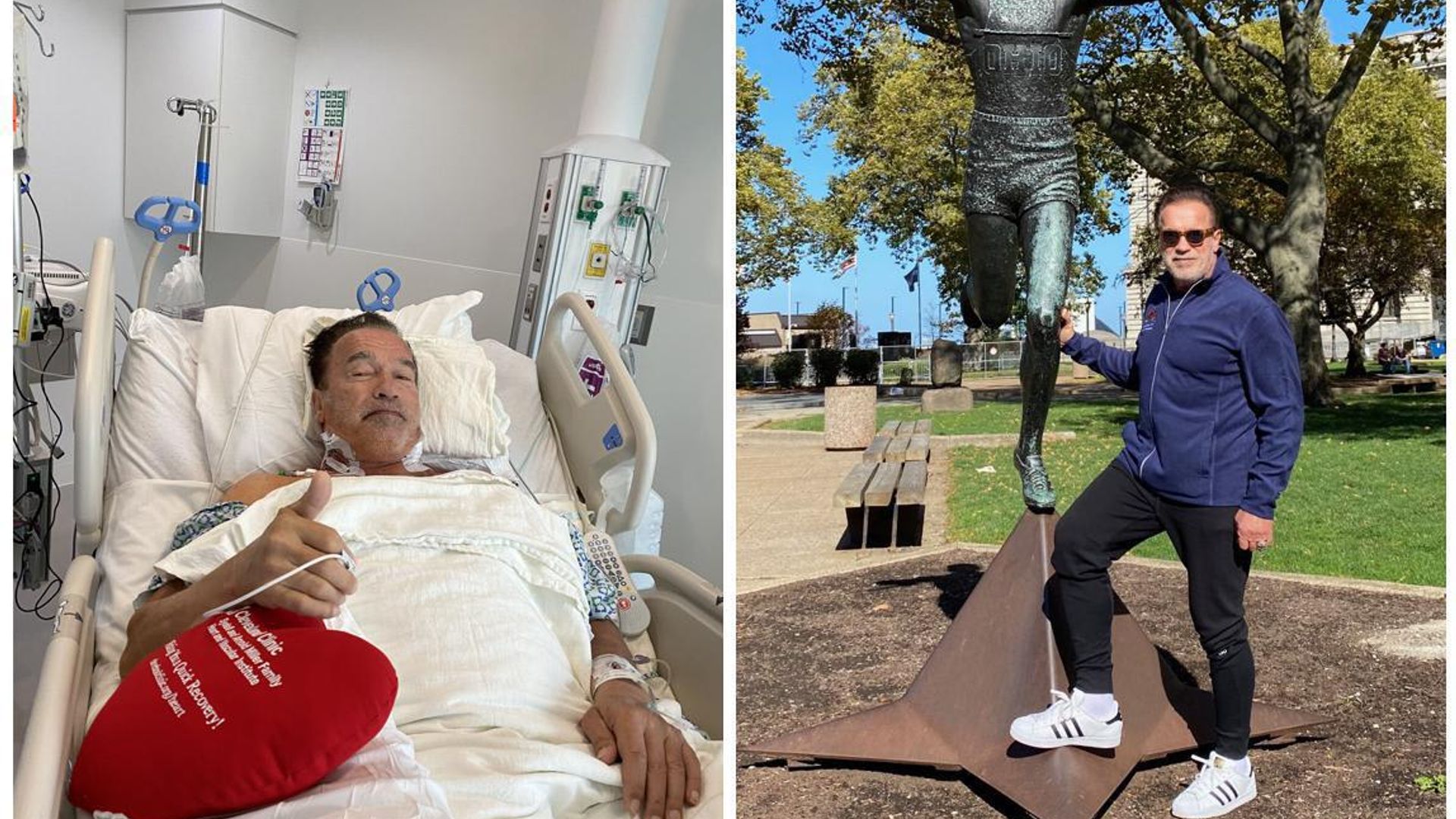
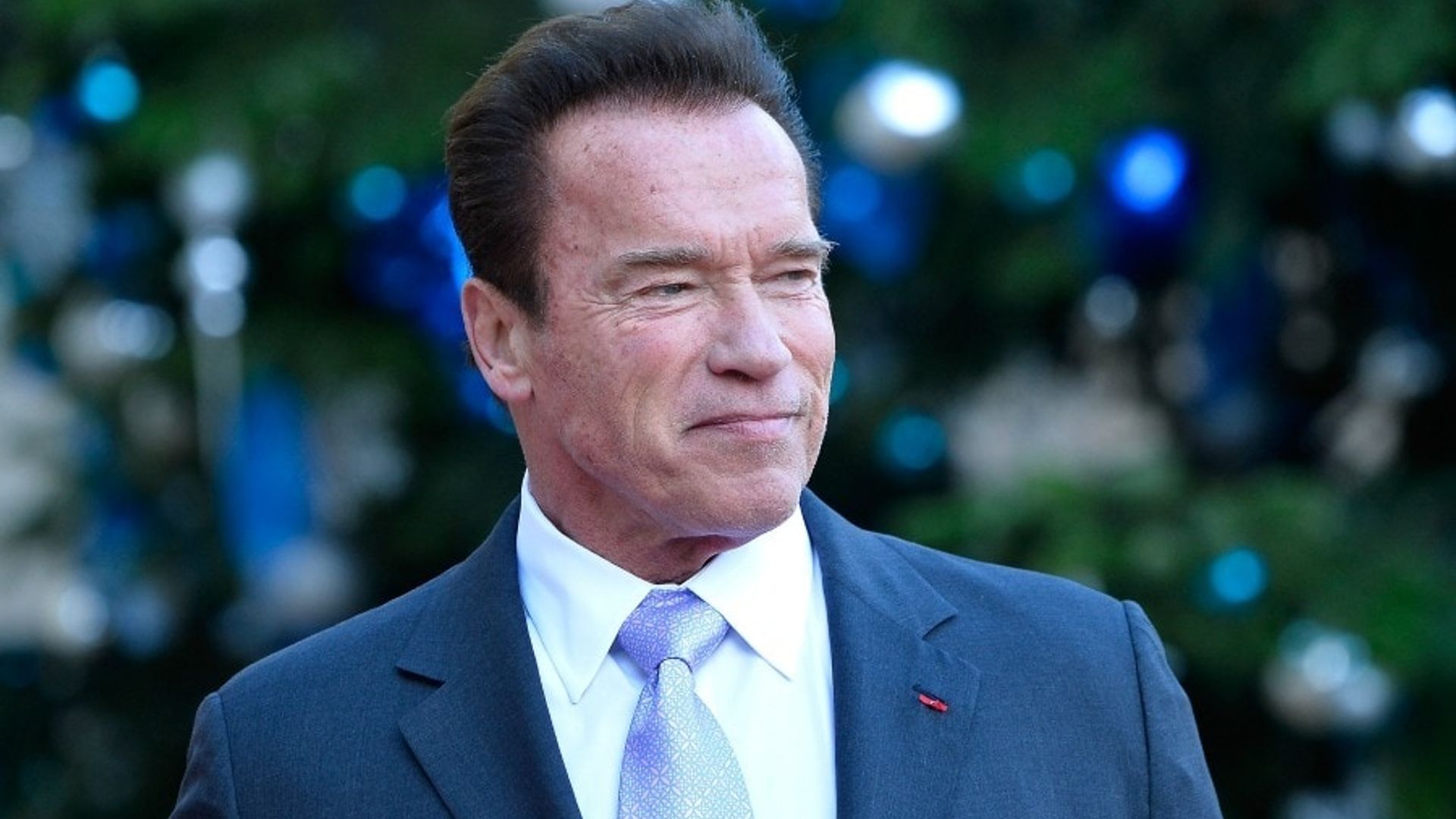
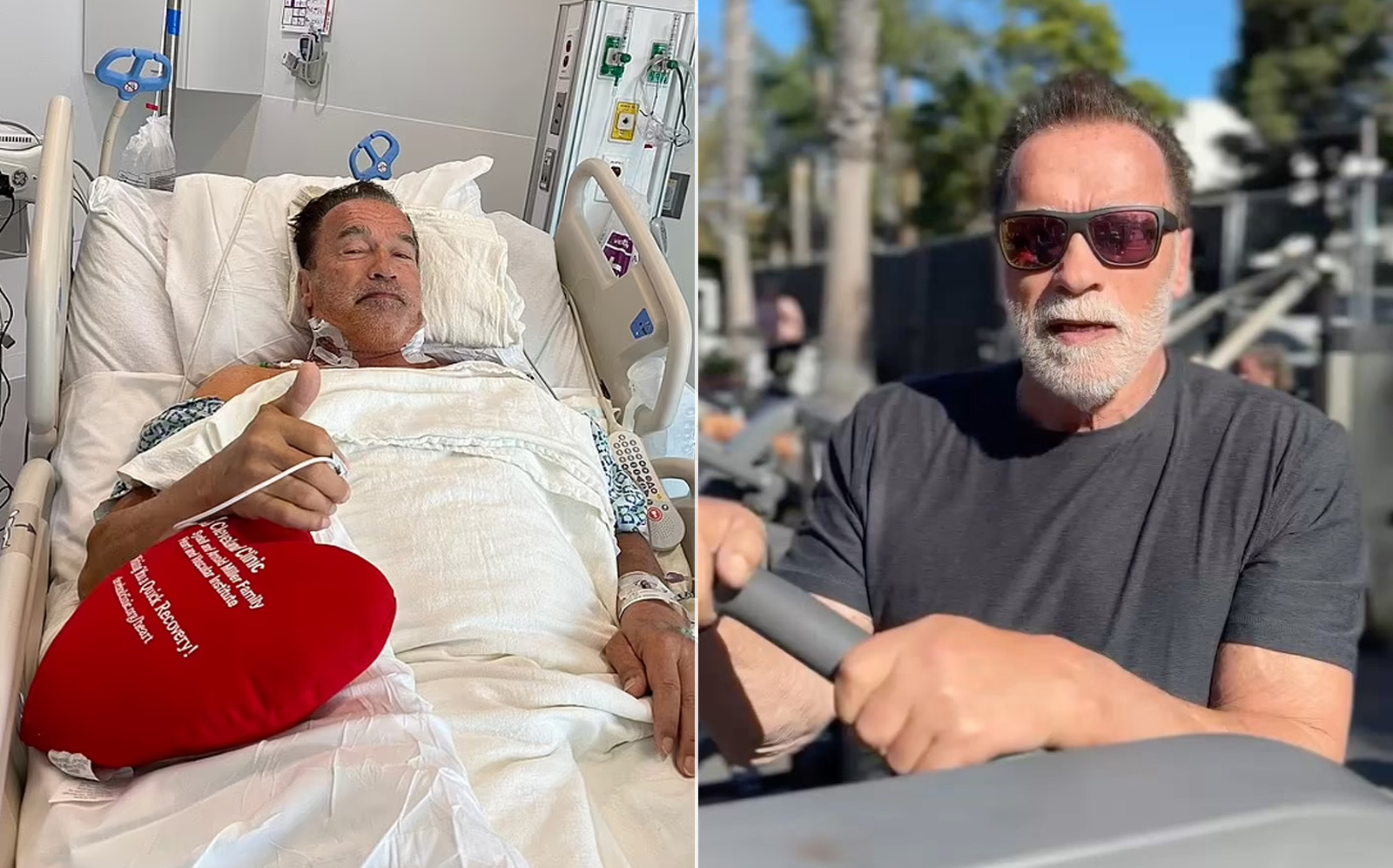
In March 2018, Arnold Schwarzenegger underwent a scheduled replacement of a pulmonary valve at Cedars-Sinai Medical Center. The procedure, originally intended as a non-invasive transcatheter replacement, resulted in a medical complication that required an emergency open-heart surgery. Schwarzenegger successfully recovered, returning to film work within months following a disciplined, walking-focused rehabilitation program.
The Pre-Existing Condition: Congenital Bicuspid Aortic Valve
To understand why Arnold Schwarzenegger required heart surgery in 2018, one must look back at his congenital health history. Schwarzenegger was born with a bicuspid aortic valve, a condition where the aortic valve has only two leaflets instead of the standard three. Over time, this condition can lead to aortic stenosis (narrowing) or regurgitation (leaking), both of which place immense strain on the heart’s left ventricle.
Despite his world-class bodybuilding career, this was a structural defect rather than a lifestyle-induced ailment. In 1997, at age 50, he underwent his first major cardiac intervention. He opted for the Ross Procedure, a complex surgery where a patient’s own healthy pulmonary valve is moved to the aortic position. A donor valve (typically a human homograft or a porcine valve) is then used to replace the pulmonary valve.
This strategy was chosen because the pulmonary valve experiences lower pressure than the aortic valve, meaning the donor tissue would likely last longer in that position. For Schwarzenegger, that donor valve functioned for 21 years before requiring the 2018 intervention.
The 2018 Procedure: From Routine to Emergency
By March 2018, the donor pulmonary valve implanted in 1997 had reached the end of its functional lifespan. Schwarzenegger and his medical team at Cedars-Sinai in Los Angeles planned for a transcatheter pulmonary valve replacement (TPVR). This is a minimally invasive technique where a new valve is guided through a catheter in the groin and deployed inside the old, failing valve.
The Goals of the Scheduled Catheter Procedure
The primary objective was to replace the 1997 homograft without the need for a full sternotomy (opening the chest). Minimally invasive procedures are generally preferred for patients with previous cardiac surgeries due to the presence of scar tissue and the increased risks associated with "re-do" open-heart operations. The 2018 plan was intended to allow for a rapid recovery, potentially having the actor back home within days.
Why the Shift to Open-Heart Surgery Occurred
During the catheterization, a significant complication arose. According to Schwarzenegger’s own accounts shared in subsequent years, the medical team accidentally punctured the heart wall during the deployment process. This led to internal bleeding and a rapid drop in hemodynamics.
To save his life, the surgical team had to pivot immediately from the catheter lab to an emergency open-heart configuration. This involved a full sternotomy, a procedure the actor had specifically hoped to avoid. When Schwarzenegger woke up from the anesthesia, he was informed that the procedure had "gone wrong" and that his chest had been opened to repair the rupture and replace the valve manually.
The Medical Complexity of Pulmonary Valve Replacement
The pulmonary valve serves as the gateway between the right ventricle and the pulmonary artery, which carries deoxygenated blood to the lungs. When this valve fails—either through stenosis (stiffening) or insufficiency (leaking)—the right side of the heart must work significantly harder, eventually leading to right-sided heart failure.
Understanding the Pulmonary Valve’s Role
In a patient who has undergone a Ross Procedure, the pulmonary valve is no longer the native tissue. The 1997 replacement was a homograft, which is human donor tissue. While homografts are highly effective, they are subject to calcification over time. By 2018, Schwarzenegger’s valve had likely become severely calcified or "leaky," necessitating the replacement.
Lifespan of Biological vs. Mechanical Valves
One of the key decisions in cardiac surgery is the choice between biological and mechanical valves.
- Mechanical Valves: These are highly durable and can last a lifetime but require the patient to take lifelong blood thinners (like Warfarin).
- Biological Valves (Bovine, Porcine, or Homograft): These do not require long-term anticoagulation but have a finite lifespan, usually between 10 and 20 years.
Schwarzenegger consistently chose biological options because the required blood thinners for a mechanical valve would have interfered with his ability to perform stunts, train intensely, and maintain the physical demands of an action-movie career.
The "Terminator" Mindset: Rehabilitation and Recovery
The 2018 surgery occurred just months before Schwarzenegger was scheduled to begin filming Terminator: Dark Fate (2019). The emergency nature of the surgery and the invasive sternotomy meant his recovery would be significantly more difficult than originally planned.
Immediate Post-Operative Milestones
Schwarzenegger has spoken extensively about his "daily wins" during the recovery process at Cedars-Sinai. The immediate goal was to prevent pneumonia, a common and potentially fatal complication after open-heart surgery. To do this, he had to exercise his lungs and get out of bed as soon as possible.
- Breathing Exercises: Using a spirometer to keep the lungs clear.
- The Walker Phase: Initially, the former "Mr. Universe" was limited to walking just a few steps with a walker, assisted by hospital staff.
- The Counting System: He treated his recovery like a bodybuilding program, counting his steps and tracking the distance he walked in the hospital hallways every day.
Training for Terminator: Dark Fate
When he was eventually discharged, the pressure was on to regain his physical form for his role as the T-800. The 2018 surgery happened in late March; by the summer, he was on set in Budapest. His recovery serves as a case study in cardiac rehabilitation, where the focus shifted from simple survival to high-level physical conditioning. He utilized a gradual progression of resistance training, focusing on "body-weight" movements and machines before returning to the heavy lifting that defined his youth.
Comparative Timeline: Arnold’s History of Cardiac Interventions (1997–2024)
As of 2026, we can look back at Schwarzenegger's cardiac history as a series of necessary maintenance steps for a congenital condition. His resilience has been a hallmark of his public persona in his later years.
| Year | Procedure Type | Valve/Device Involved | Location | Context |
|---|---|---|---|---|
| 1997 | Ross Procedure (Open Heart) | Aortic & Pulmonary | St. John’s Health Center | Replacement of native bicuspid aortic valve. |
| 2018 | Emergency Open Heart | Pulmonary Valve | Cedars-Sinai | Failed catheter procedure led to emergency sternotomy. |
| 2020 | Transcatheter Procedure | Aortic Valve | Cleveland Clinic | Replacement of the aortic valve from the 1997 Ross Procedure. |
| 2024 | Pacemaker Implantation | Cardiac Conduction System | Undisclosed | To treat an irregular heartbeat caused by scar tissue from previous surgeries. |
Long-Term Outlook and the Impact of Medical Advances
The fact that Schwarzenegger is still active, filming, and promoting fitness in 2026—eight years after his emergency surgery—is a testament to modern cardiology. His case highlights the reality of living with a congenital heart defect: it is not a "one-and-done" fix but a lifelong management process.
For many patients, the shift toward transcatheter aortic valve replacement (TAVR) and similar pulmonary procedures (TPVR) has revolutionized care. Even though Schwarzenegger's 2018 attempt at a transcatheter fix resulted in an emergency, his 2020 aortic valve replacement was successfully performed via catheter at the Cleveland Clinic, proving the efficacy of the technology when complications are avoided.
His 2024 pacemaker installation was a direct result of the previous three major surgeries. Each time the heart is opened or a valve is replaced, scar tissue can form. This scar tissue can interfere with the heart’s natural electrical signals, leading to arrhythmias. By opting for a pacemaker, Schwarzenegger ensured his heart rate remains stable during his intensive daily workouts.
FAQs about Arnold Schwarzenegger’s 2018 Surgery
Why did the 2018 surgery become an emergency?
The 2018 surgery became an emergency because a catheter-based procedure to replace the pulmonary valve caused a rupture in the heart wall. This led to life-threatening internal bleeding, forcing surgeons to perform a full sternotomy (open-heart surgery) to repair the damage and manually replace the valve.
What kind of heart defect does Arnold Schwarzenegger have?
Arnold Schwarzenegger was born with a bicuspid aortic valve. This is a congenital condition where the heart's main valve has only two leaflets instead of three. This defect eventually requires surgical intervention to prevent heart failure, as it typically leads to stenosis or regurgitation over several decades.
How many heart surgeries has Arnold Schwarzenegger had?
As of 2026, Schwarzenegger has had four major cardiac-related procedures:
- 1997: Ross Procedure (Open-heart to replace aortic and pulmonary valves).
- 2018: Pulmonary valve replacement (Emergency open-heart).
- 2020: Aortic valve replacement (Transcatheter).
- 2024: Pacemaker implantation.
Did Arnold Schwarzenegger’s heart surgery affect his "Terminator" filming?
Yes, the 2018 surgery occurred just months before he was due to film Terminator: Dark Fate. Because it turned into an open-heart surgery, his recovery was much more demanding. He had to use a walker and follow a strict walking regimen to be physically capable of performing his stunts by the time filming began in Budapest.
Why does he choose biological valves over mechanical ones?
Schwarzenegger has consistently chosen biological (tissue) valves to avoid the need for lifelong blood-thinning medication (anticoagulants). Mechanical valves require these medications to prevent clots, but anticoagulants increase the risk of severe bleeding during physical activities or movie stunts, which would have limited his career.
Practical Recommendations for Patients with Similar Conditions
If you or a loved one is facing a valve replacement or managing a congenital heart condition like a bicuspid aortic valve, the following steps are supported by modern clinical guidelines:
- Establish a Lifelong Monitoring Plan: Congenital defects require regular echocardiograms, even if you feel healthy. Schwarzenegger’s 2018 surgery was "scheduled" because monitoring showed the 1997 valve was failing before he became symptomatic.
- Prioritize Cardiac Rehabilitation: Recovery from a sternotomy requires a structured approach. Focus on respiratory health (spirometry) and low-impact movement (walking) immediately following surgery to prevent complications like pneumonia or blood clots.
- Discuss Valve Options Early: Weigh the pros and cons of mechanical versus biological valves with your cardiologist. Consider your lifestyle, activity level, and willingness to take long-term medication.
- Seek Specialized Centers: For "re-do" surgeries or complex cases, seeking care at high-volume cardiac centers like the American Heart Association recognized facilities (e.g., Cleveland Clinic or Cedars-Sinai) can significantly improve outcomes.
Arnold Schwarzenegger’s journey through 2018 and beyond serves as an example of how transparency, a disciplined mindset, and medical technology can allow individuals with serious heart conditions to maintain an exceptional quality of life.