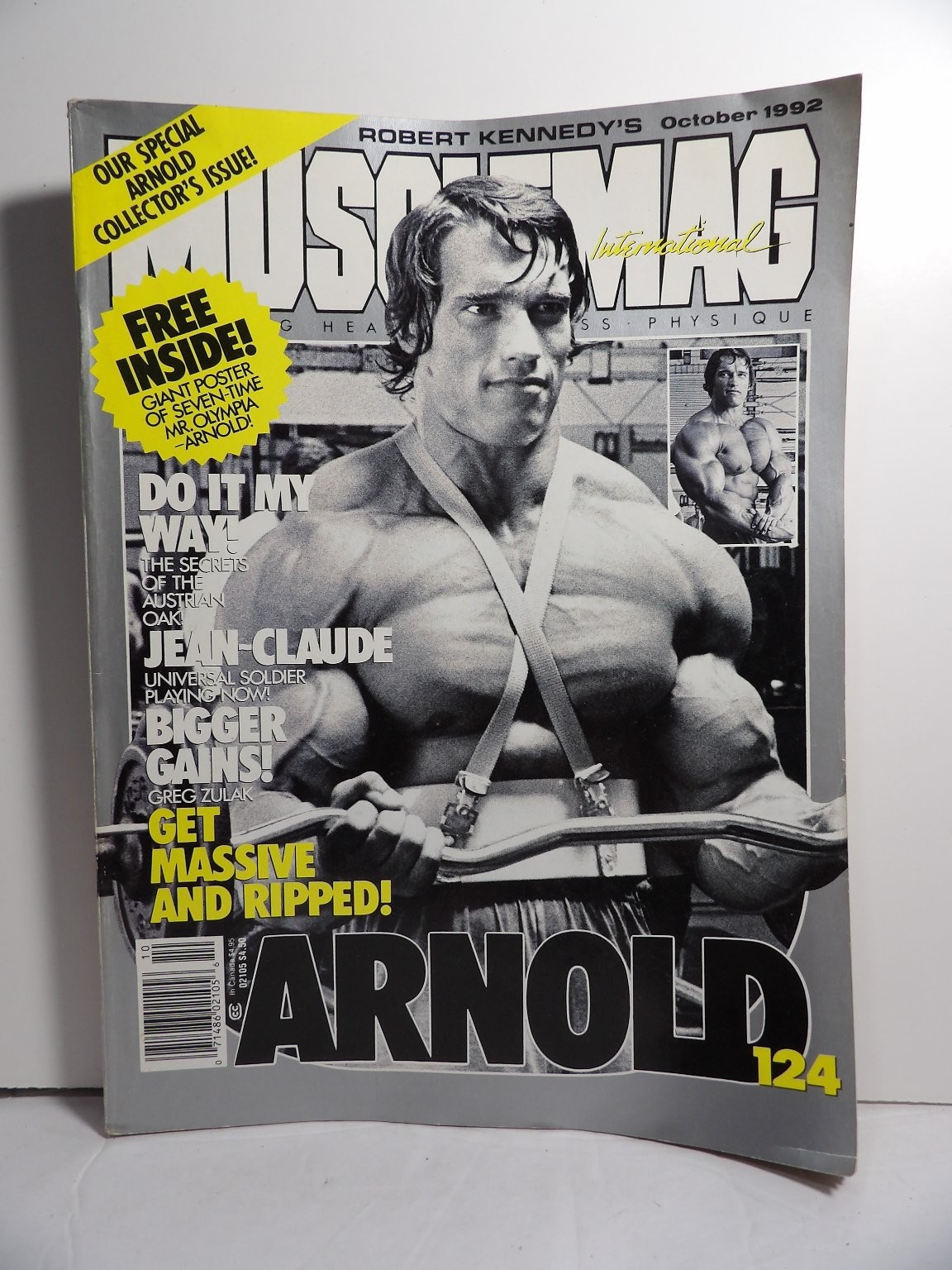
Arnold Schwarzenegger continues to lift weights daily in 2026, maintaining a disciplined fitness regimen at the age of 78. While he has moved away from the heavy powerlifting of his competitive years, he utilizes a high-volume, machine-based routine designed for longevity, joint protection, and cardiovascular health. His commitment to training remains a cornerstone of his daily routine, typically occurring early in the morning at Gold’s Gym or his home facility.
The sight of Arnold Schwarzenegger at Gold’s Gym in Venice, California, remains one of the most consistent sights in the fitness world. Even as he approaches his eighth decade, the "Austrian Oak" has not retired from the iron. However, the nature of his training has undergone a profound transformation. In 2026, Arnold’s approach to resistance training serves as a blueprint for "successful aging," proving that while the body’s recovery capacity changes, the necessity of mechanical tension does not. To understand how he still lifts, one must look at the intersection of sports science, personal health history, and the psychological drive that defines the seven-time Mr. Olympia.
The Evolution of Arnold’s Training Philosophy
In the 1970s, Arnold Schwarzenegger was synonymous with high-intensity, high-volume bodybuilding. His workouts often lasted hours and involved moving massive poundages in the squat, bench press, and deadlift. As we stand in 2026, that philosophy has shifted from "maximal growth" to "optimal maintenance." Arnold’s current philosophy is centered on the concept of "staying hungry" but "not breaking the machine."
The primary driver for this change is the natural degradation of connective tissue and the cumulative wear and tear of a career spanning over 60 years of lifting. Schwarzenegger has publicly acknowledged that the heavy, ego-driven lifting of his youth is no longer sustainable. Instead, he focuses on the "pump"—the localized swelling of the muscle through high repetitions—which provides the benefits of blood flow and muscle preservation without the high risk of tendon ruptures or joint inflammation.
For Arnold, lifting weights in 2026 is about more than aesthetics. It is a metabolic necessity. Resistance training at 78 is essential for combatting sarcopenia (age-related muscle loss) and maintaining bone density. By prioritizing consistency over intensity, he ensures that he can return to the gym every single morning, a streak he has famously protected for decades.
The Transition from Free Weights to Machines
Perhaps the most significant technical change in Arnold’s 2026 routine is the near-total reliance on machines rather than free weights. In his younger years, Arnold was a proponent of "old school" barbell training. Today, his workouts are almost exclusively performed on high-end selectorized machines and plate-loaded equipment.
Why Machines?
There are several physiological reasons why machines are superior for the older lifter, and Arnold has optimized his training around these principles:
- Fixed Path of Motion: Machines eliminate the need for stabilizer muscles to balance a heavy bar. For a lifter in his late 70s, this reduces the risk of sudden "tweaks" or balance-related injuries.
- Constant Tension: Modern machines are designed with variable resistance cams that match the muscle's natural strength curve. This allows Arnold to keep tension on the muscle throughout the entire range of motion, which is more effective for hypertrophy with lighter weights.
- Safety at Failure: When training to near-failure, a machine allows the lifter to simply stop the movement without the risk of being pinned under a barbell.
- Joint Comfort: Machines like the seated chest press or the lateral raise machine are much easier on the rotator cuffs and lower back than their free-weight counterparts.
Arnold often spends his sessions moving from one machine to the next with minimal rest, effectively turning his weightlifting into a form of "resistance-based cardio." This keeps his heart rate elevated—a critical factor for his cardiovascular health—while still providing the stimulus needed to keep his chest, shoulders, and arms remarkably full.
Managing Training After Heart Surgery and Pacemaker Installation
Arnold’s medical history is a significant factor in how he approaches the gym in 2026. Having undergone multiple open-heart surgeries to replace valves and, more recently, the installation of a pacemaker in early 2024, his training must be calculated.
He avoids the "Valsalva maneuver"—the practice of holding one's breath during a heavy lift. This technique creates massive internal pressure that can be dangerous for someone with a history of cardiac issues. Instead, he focuses on rhythmic breathing, exhaling on the exertion and inhaling on the eccentric phase. This ensures that his blood pressure remains within a safe range during his sets.
The pacemaker, which he famously joked made him "a bit more like a machine," acts as a safety net, but it also dictates his intensity. He monitors his heart rate closely, ensuring he stays within a zone that promotes circulation without overtaxing his repaired valves. His consistency is actually a recommendation from his medical team; regular, moderate exercise is one of the best ways to ensure the longevity of cardiac implants and overall heart function.
A Typical 2026 Arnold Schwarzenegger Workout Split
While he no longer follows the grueling double-split routines of the Pumping Iron era, his current split is still more frequent than that of the average gym-goer. He typically trains six days a week, often alternating between upper and lower body focus or a simplified push-pull-legs methodology.
The Upper Body Focus
On a typical morning, Arnold’s upper body routine might include:
- Machine Chest Press: 3-4 sets of 15-20 reps.
- Seated Cable Rows: 3-4 sets of 15-20 reps (focusing on the squeeze in the lats).
- Machine Lateral Raises: 3 sets of 20 reps to maintain shoulder width.
- Bicep Curls (Machine or Dumbbell): 3 sets of 15 reps. Arnold still believes in the "pump" for the arms, which remain one of his most iconic features.
- Triceps Pushdowns: 3 sets of 20 reps to protect the elbow joint.
The Lower Body Focus
Leg training is often the first thing older lifters abandon, but Schwarzenegger continues to train his lower body to maintain mobility and balance.
- Leg Extensions: 3 sets of 20 reps (high repetitions to lubricate the knee joint).
- Seated Leg Curls: 3 sets of 15 reps.
- Leg Press: 3 sets of 15-20 reps, focusing on a controlled tempo rather than heavy weight.
- Calf Raises: 3 sets of 20 reps.
Comparison: 1970s vs. 2026 Training
| Feature | Golden Era (1970s) | Longevity Era (2026) |
|---|---|---|
| Primary Goal | Maximum Muscle Mass/Symmetry | Health, Mobility, and Maintenance |
| Frequency | 6 days/week (Double Splits) | 6 days/week (Single Session) |
| Training Style | Heavy Free Weights & Powerlifting | Selectorized Machines & Cables |
| Repetition Range | 6–12 Reps | 15–25 Reps |
| Rest Periods | 60–90 Seconds | 30–45 Seconds (Circuit Style) |
| Injury Risk | High (Joint/Tendon Strain) | Low (Controlled Movements) |
| Cardiovascular Focus | Minimal (Prioritized Lifting) | High (Integrated into Lifting) |
Nutrition and Recovery for the 78-Year-Old Legend
Lifting weights is only half of the equation. In 2026, Arnold’s recovery and nutrition are as disciplined as his gym sessions. He has famously pivoted toward a mostly plant-based diet, estimating that he is about 80% vegan. This shift was primarily driven by the need to keep his cholesterol low and reduce inflammation, which is a common side effect of heavy meat consumption in older adults.
He still prioritizes protein to prevent muscle wasting, utilizing high-quality plant-based protein shakes and supplements. Recovery also includes a significant amount of sleep and "active recovery" through his daily bike rides around Santa Monica and Venice. These bike rides serve two purposes: they provide low-impact aerobic conditioning and help flush metabolic waste from his muscles after his morning weight session.
Furthermore, he leverages his own "Pump Club" community to stay motivated. Even for a legend, the psychological aspect of training can be a challenge. By leading a community of hundreds of thousands of members through his newsletter and app, he creates a system of mutual accountability that keeps him heading to the gym even on days when he might feel the aches of his 78 years.
The Psychological Impact: Why He Won't Stop
To ask why Arnold Schwarzenegger still lifts weights is to misunderstand his identity. For Arnold, the gym is the "anchor" of his day. He has often stated that he doesn't feel like himself until he has moved some weight and achieved a pump.
This psychological resilience is perhaps his greatest asset. In an era where many people his age struggle with mobility and isolation, Arnold uses the gym as a social hub and a fountain of youth. He is frequently seen helping younger lifters at Gold’s Gym, passing on the "tricks of the trade" while demonstrating that the iron is a lifelong companion.
He views lifting as a form of meditation. The focus required to perform 20 controlled repetitions on a chest press machine forces him into the present moment, away from the stresses of his various business ventures, environmental activism, and political commentary.
Practical Guidance for Lifters Over 60
Arnold’s continued success offers several lessons for older individuals looking to maintain or start a weightlifting routine:
- Check with Professionals: Before starting or continuing a routine after a medical event (like Arnold’s heart surgeries), consult with a cardiologist and a physical therapist.
- Prioritize Volume over Load: You do not need to lift "heavy" to maintain muscle. High repetitions (15-25) with moderate weight can stimulate muscle protein synthesis without the risk of injury.
- Embrace Machines: Do not let "hardcore" fitness influencers discourage you from using machines. They are often the safest and most effective tool for older trainees.
- Consistency is King: Arnold’s secret isn't a magical supplement; it is the fact that he hasn't stopped for more than a few days at a time in 60 years.
- Warm Up Extensively: Older joints require more lubrication. A 10-15 minute warm-up on a bike or with very light weights is essential.
Frequently Asked Questions
Does Arnold Schwarzenegger still use heavy weights?
No, he has largely abandoned "maximal" lifting. While he still uses enough resistance to challenge his muscles, he focuses on high-volume sets (15-25 repetitions) to protect his joints and heart. The goal is the muscle "pump" rather than a one-rep max.
How often does Arnold train in 2026?
He typically trains six days a week, usually in the early morning. He treats his gym time as a non-negotiable appointment, often arriving at the gym before 7:00 AM.
Can you lift weights after heart surgery like Arnold did?
Yes, but it must be done under strict medical supervision. Arnold waited until he was cleared by his surgeons and gradually worked his way back up. He avoids holding his breath during lifts to prevent spikes in blood pressure.
Is Arnold Schwarzenegger still vegan?
He is mostly plant-based (around 80%). He still consumes some animal products occasionally, but the majority of his diet consists of plant-based proteins, vegetables, and whole grains to support his heart health and reduce systemic inflammation.
What gym does Arnold Schwarzenegger train at?
While he has a world-class home gym, he still frequently trains at Gold’s Gym in Venice, California. He values the social environment and the wide variety of specialized machines available there.
Recommendation for Next Actions
If you are inspired by Arnold's longevity, the best next step is to perform a "movement audit." If you are over 50, transition your primary lifts to machines and focus on a repetition range of 12-20. This will allow you to maintain muscle mass while significantly reducing the risk of injury. For those with existing health conditions, seeking a trainer who specializes in senior fitness or "pre-hab" can help bridge the gap between medical clearance and a consistent gym routine. Stay consistent, focus on the "pump," and remember Arnold's most enduring advice: "Just show up."