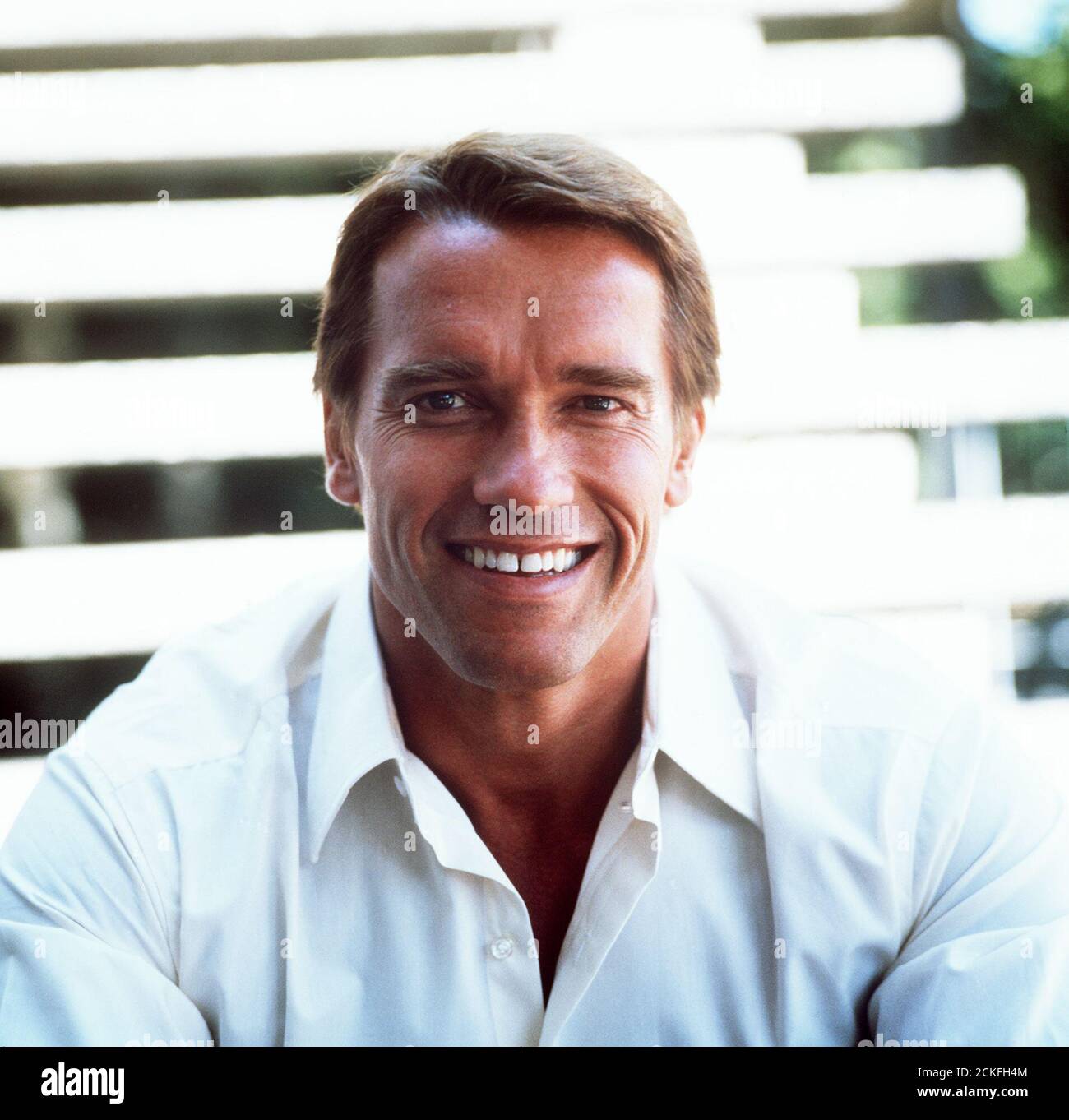
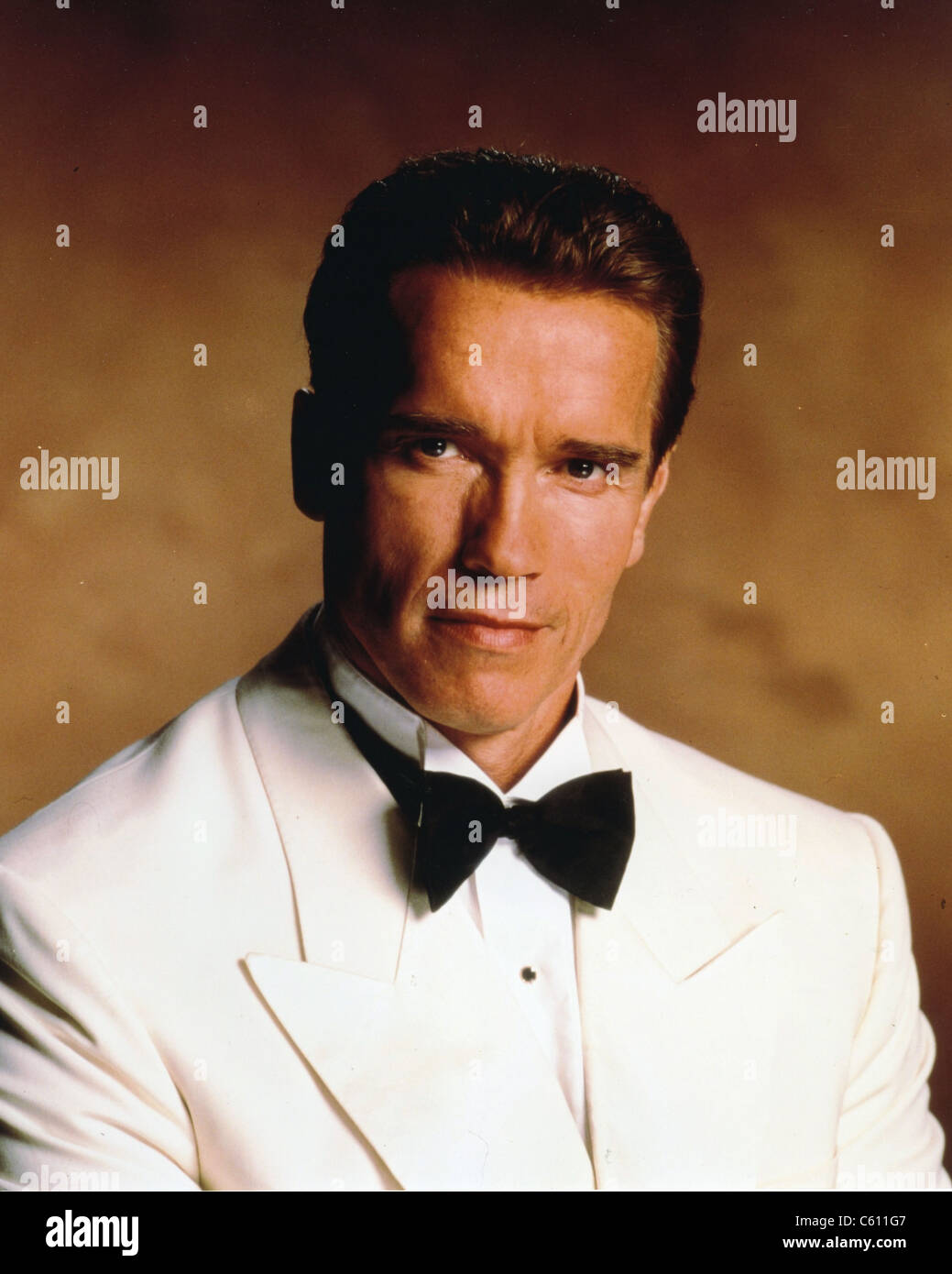
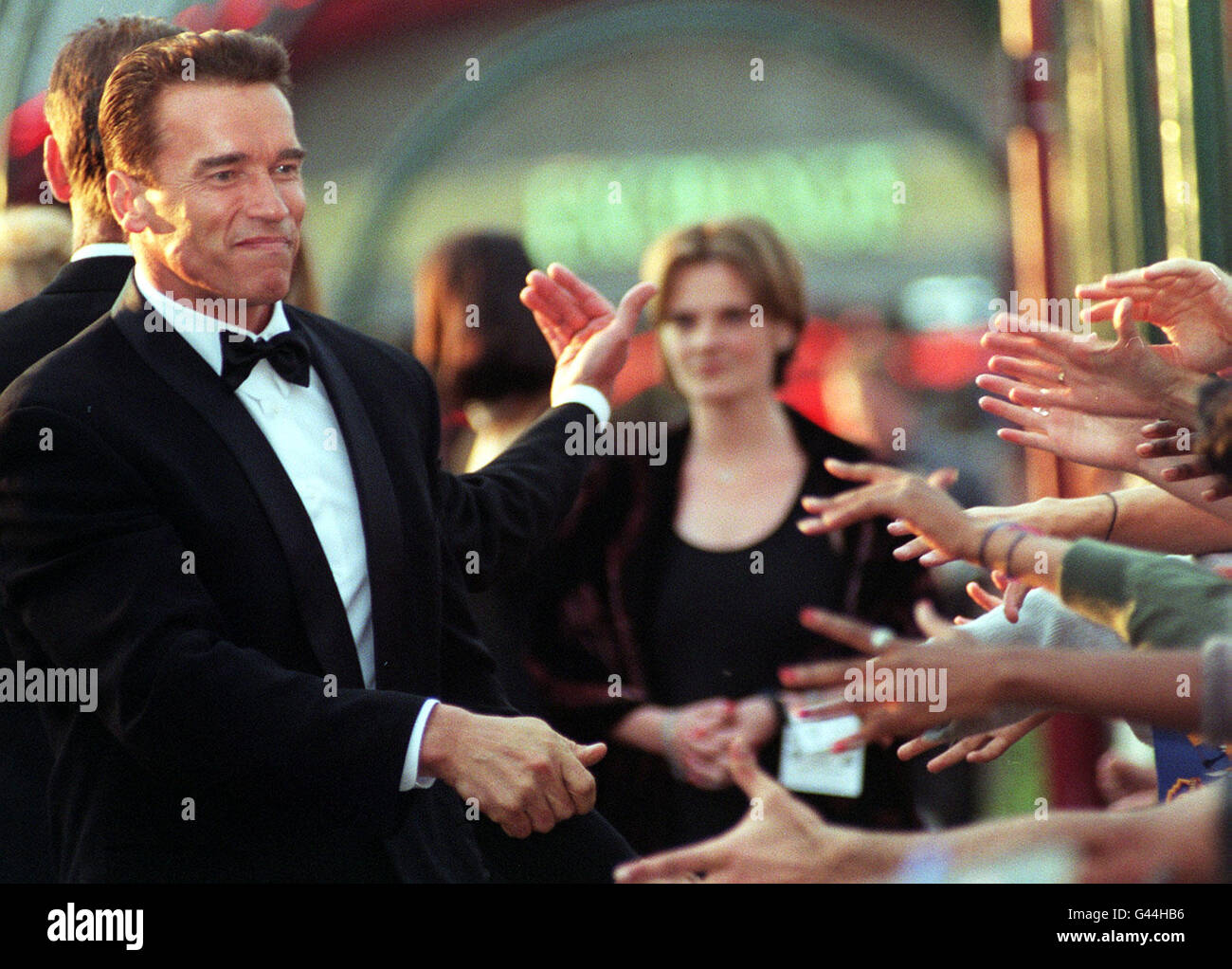
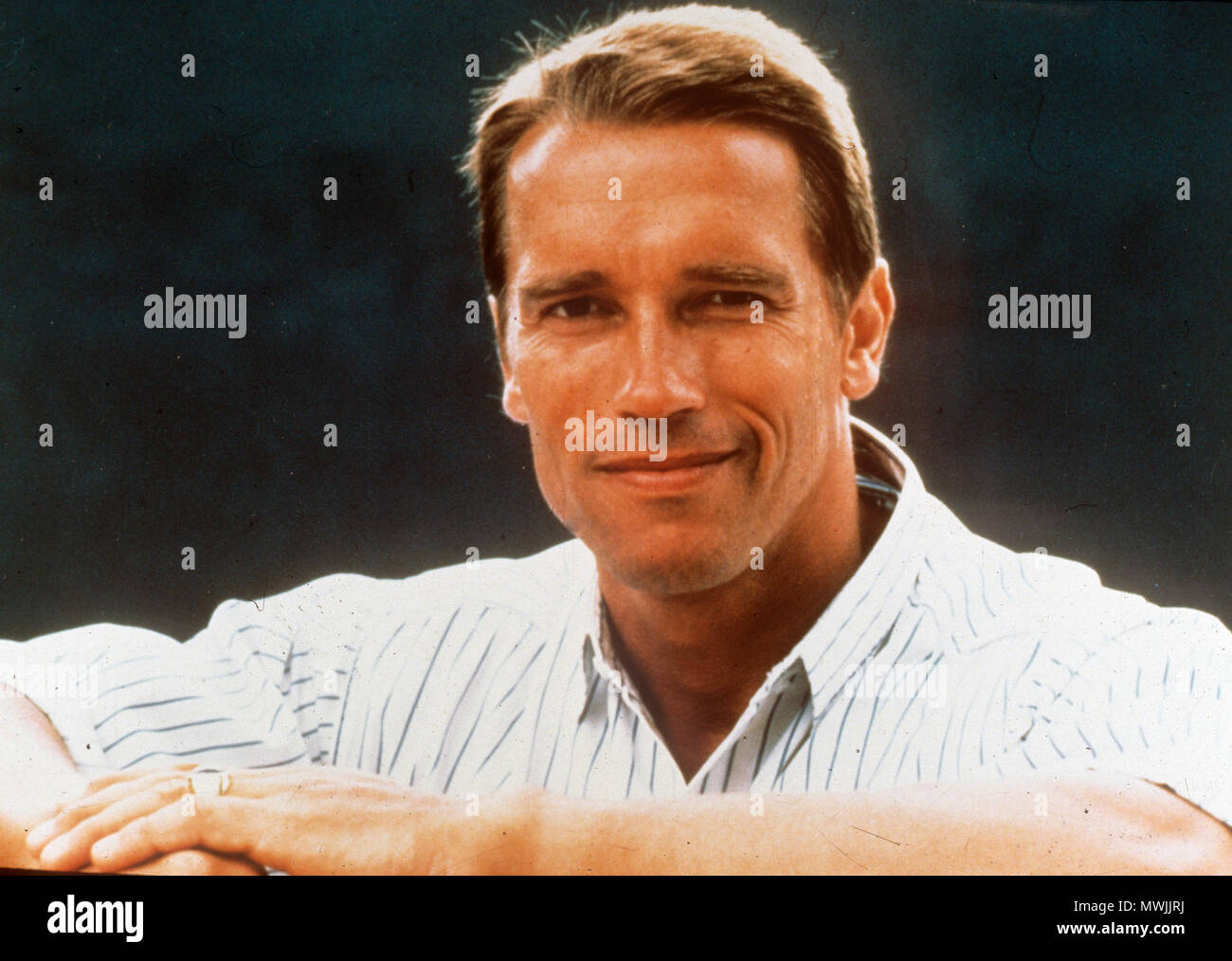
Arnold Schwarzenegger is a naturalized American citizen, having officially taken his oath of allegiance on September 16, 1983. Although born in Thal, Austria, he emigrated to the United States in 1968 and maintained legal residency for fifteen years before achieving citizenship. He holds dual citizenship with Austria.
The Journey from Austria to American Naturalization
The narrative of Arnold Schwarzenegger as an American icon began long before he held a U.S. passport. Born on July 30, 1947, in the aftermath of World War II, Schwarzenegger’s fascination with the United States was fueled by the cultural exports of the era—films, muscle magazines, and the promise of self-made success. His arrival in the United States in September 1968, at the age of 21, was facilitated by Joe Weider, the fitness mogul who saw Schwarzenegger’s potential to revolutionize the sport of bodybuilding.
Upon his arrival, Schwarzenegger was initially in the country on a visa sponsored by Weider’s business interests. However, his goal was never temporary residency. To understand why "Arnold Schwarzenegger is American" is a statement of both legal fact and cultural identity, one must look at the specific immigration path he navigated during the 1970s. He transitioned from a non-immigrant work status to a Permanent Resident (Green Card holder) as his bodybuilding career flourished, winning consecutive Mr. Olympia titles and establishing a financial foothold through bricklaying and real estate investments.
By the early 1980s, Schwarzenegger had met the statutory requirements for naturalization, which typically include five years of continuous residence as a permanent resident, physical presence in the country, and a demonstrated understanding of U.S. history and government. His naturalization ceremony took place at the Shrine Auditorium in Los Angeles, an event he has frequently cited as one of the proudest moments of his life.
Legal Requirements and the Naturalization Process
The process Schwarzenegger underwent in 1983 remains the foundational path for millions of immigrants today. Under the Immigration and Nationality Act (INA), an individual seeking citizenship through naturalization must satisfy several strict criteria.
Residency and Physical Presence
To become a citizen in 1983, Schwarzenegger had to prove he had been a Lawful Permanent Resident (LPR) for at least five years. Furthermore, he had to demonstrate physical presence within the United States for at least half of that time. Given his extensive travel for bodybuilding exhibitions and burgeoning film roles, such as Conan the Barbarian (1982), documenting his continuous residence was a critical administrative step.
Good Moral Character
The "good moral character" requirement is a subjective but legally significant component of the naturalization interview. This involves a background check to ensure the applicant has no significant criminal record or involvement in activities deemed contrary to the interests of the United States. Schwarzenegger’s public profile during the 1970s and 80s was that of a disciplined athlete and entrepreneur, which facilitated a smooth transition through this phase of the process.
Civics and English Language Proficiency
Applicants must demonstrate an ability to read, write, and speak basic English, alongside a knowledge of U.S. history and government. For Schwarzenegger, who had spent over a decade immersing himself in American culture and business, the linguistic and civics requirements were formalities he embraced. He has often spoken about his rigorous study of the U.S. Constitution and his admiration for the American system of checks and balances.
The Nuance of Dual Citizenship
One of the more complex aspects of Arnold Schwarzenegger’s American identity is his dual citizenship. Under Austrian law (the Austrian Nationality Act), the acquisition of a foreign citizenship usually results in the automatic loss of Austrian nationality. To avoid this, an individual must apply for permission to retain their Austrian citizenship prior to naturalization elsewhere.
Schwarzenegger successfully petitioned the Austrian government to keep his original citizenship. His argument was based on his desire to maintain a connection to his birthplace and the fact that his retention of Austrian status did not conflict with his loyalty to the United States. This arrangement allows him to hold both an American and an Austrian passport, though as a U.S. citizen, he is required to use his American passport when entering and exiting the United States.
In 2026, this dual status remains a point of interest for legal scholars studying "transnational identity." It highlights how an individual can be fully integrated into American political life while maintaining formal ties to their country of origin.
Citizenship as a Prerequisite for Political Power
The significance of Schwarzenegger’s American citizenship became most apparent in 2003 during the California gubernatorial recall election. To serve as the Governor of California, an individual must be a citizen of the United States and a registered voter in the state. Without his 1983 naturalization, Schwarzenegger’s transition from Hollywood actor to the "Governator" would have been legally impossible.
During his two terms as Governor (2003–2011), Schwarzenegger’s immigrant background was a frequent theme in his rhetoric. He positioned himself as a "Post-Partisan" leader who believed in the American Dream, often using his personal story to advocate for policies ranging from environmental protection to infrastructure reform. His status as an American citizen allowed him to command the National Guard, sign state laws, and represent the most populous state in the union on the global stage.
| Milestone Event | Date | Legal/Cultural Significance |
|---|---|---|
| Arrival in the U.S. | September 1968 | Entry on a work-related visa to pursue bodybuilding. |
| Permanent Residency | Early 1970s | Obtained Green Card status, allowing for long-term stay. |
| U.S. Naturalization | September 16, 1983 | Officially became a U.S. citizen; eligible for state office. |
| Austrian Retention | 1983 | Received permission from Austria to maintain dual citizenship. |
| California Governorship | Nov 2003 – Jan 2011 | Exercised full rights of a citizen to lead a U.S. state. |
The "Natural Born Citizen" Clause and the Presidency
While Arnold Schwarzenegger is an American citizen with almost all the rights afforded to those born on U.S. soil, one significant legal barrier remains: the Presidency. Article II, Section 1, Clause 5 of the U.S. Constitution stipulates that "no Person except a natural born Citizen... shall be eligible to the Office of President."
Because Schwarzenegger is a naturalized citizen, he is constitutionally barred from seeking the presidency or the vice presidency. This limitation has sparked decades of debate regarding whether the "Natural Born Citizen" clause is an antiquated relic or a necessary safeguard. In the mid-2000s, there was a brief movement known as the "Amend Now" campaign, which sought to pass a constitutional amendment that would allow naturalized citizens who had been residents for a significant period (e.g., 20 years) to run for the nation’s highest office.
As of 2026, no such amendment has passed. Schwarzenegger himself has addressed this limitation many times, expressing a mix of gratitude for the opportunities he has had and a candid admission that he would have considered a presidential run if the law permitted it. This legal boundary remains the final distinction between his status and that of a citizen born in the United States.
Cultural Impact of the American Schwarzenegger
The phrase "Arnold Schwarzenegger is American" carries weight beyond legal certificates. He represents the "Ultimate Immigrant" archetype—a person who arrived with nothing but a dream and utilized the American capitalist and political systems to reach the pinnacle of success. His influence on American culture is pervasive, from the fitness boom of the 1970s to the action cinema of the 80s and 90s, and finally to the legislative halls of Sacramento.
Schwarzenegger’s brand of Americanism is characterized by a strong belief in individual responsibility, the importance of physical health, and a pragmatic approach to governance. He has often stated that he "was born in Austria, but made in America." This sentiment resonates with many within the immigrant community who view his life as a blueprint for integration and achievement.
In 2026, he continues to be an active voice in American public life, focusing on redistricting reform, climate change through his "Schwarzenegger Institute for State and Global Policy," and the promotion of democratic values. His American identity is not merely a legal status he acquired in 1983, but a role he has performed on the world stage for over five decades.
Common Misconceptions About His Status
There are several persistent myths regarding Schwarzenegger’s citizenship and eligibility that require clarification:
- "He is only a citizen because of his marriage to Maria Shriver." While marriage to a U.S. citizen can provide a faster path to naturalization (three years instead of five), Schwarzenegger’s residency began in 1968, and he married Shriver in 1986—three years after he had already become a citizen independently.
- "He lost his Austrian citizenship when he became Governor." This is false. Because he obtained the necessary permissions in 1983, his service as an American official did not revoke his Austrian nationality, provided he did not act in a way that violated Austrian laws regarding foreign political service (which are complex but generally did not apply to his role as a state governor).
- "He could be President if he was 'grandfathered' in." There is no "grandfather clause" in the Constitution for naturalized citizens born after the founding era.
Frequently Asked Questions
Can Arnold Schwarzenegger run for U.S. President in the future?
No, he cannot run for President under current constitutional law. Article II of the U.S. Constitution requires the President to be a "natural born citizen." Since Schwarzenegger was born in Austria and became a citizen via naturalization, he is ineligible unless the Constitution is amended.
Does Arnold Schwarzenegger still hold Austrian citizenship?
Yes, he holds dual citizenship. He successfully applied to the Austrian government to retain his Austrian citizenship before he became a naturalized U.S. citizen in 1983. This allows him to maintain legal ties to his home country while being a full American citizen.
When did Arnold Schwarzenegger move to the United States?
He moved to the United States in September 1968. He was 21 years old and came specifically to compete in bodybuilding and work with Joe Weider. He did not become a citizen until 15 years later, in 1983.
What is the difference between a naturalized citizen and a natural born citizen?
A natural born citizen is someone who is a U.S. citizen at birth, either by being born on U.S. soil (jus soli) or born to U.S. citizen parents abroad (jus sanguinis). A naturalized citizen is a foreign-born individual who voluntarily becomes a U.S. citizen by meeting specific legal requirements and taking an oath of allegiance.
Did Arnold Schwarzenegger serve in the military before becoming American?
Yes, he served in the Austrian Army in 1965 as part of his mandatory one-year service for all 18-year-old Austrian males. During this time, he famously went AWOL to compete in and win the Junior Mr. Europe contest. He has never served in the United States military.
How did Arnold Schwarzenegger's citizenship affect his acting career?
His citizenship made it significantly easier to work on long-term film contracts without the need for constant visa renewals or sponsorship. However, he had already achieved massive fame in movies like Conan the Barbarian while still a permanent resident. Citizenship solidified his status as an American star, which was essential for his later transition into politics.
Practical Recommendation for Those Following a Similar Path
For individuals inspired by Schwarzenegger’s journey to American citizenship, the most critical step is ensuring impeccable documentation of residency and legal status. The naturalization process in the 2020s is more data-driven than it was in 1983. Applicants should maintain records of all international travel, tax filings, and employment history. It is also advisable to consult with an immigration attorney if there are complexities regarding dual citizenship, as laws vary significantly between countries—some, like Austria, require prior approval to keep an original nationality, while others allow dual status automatically.