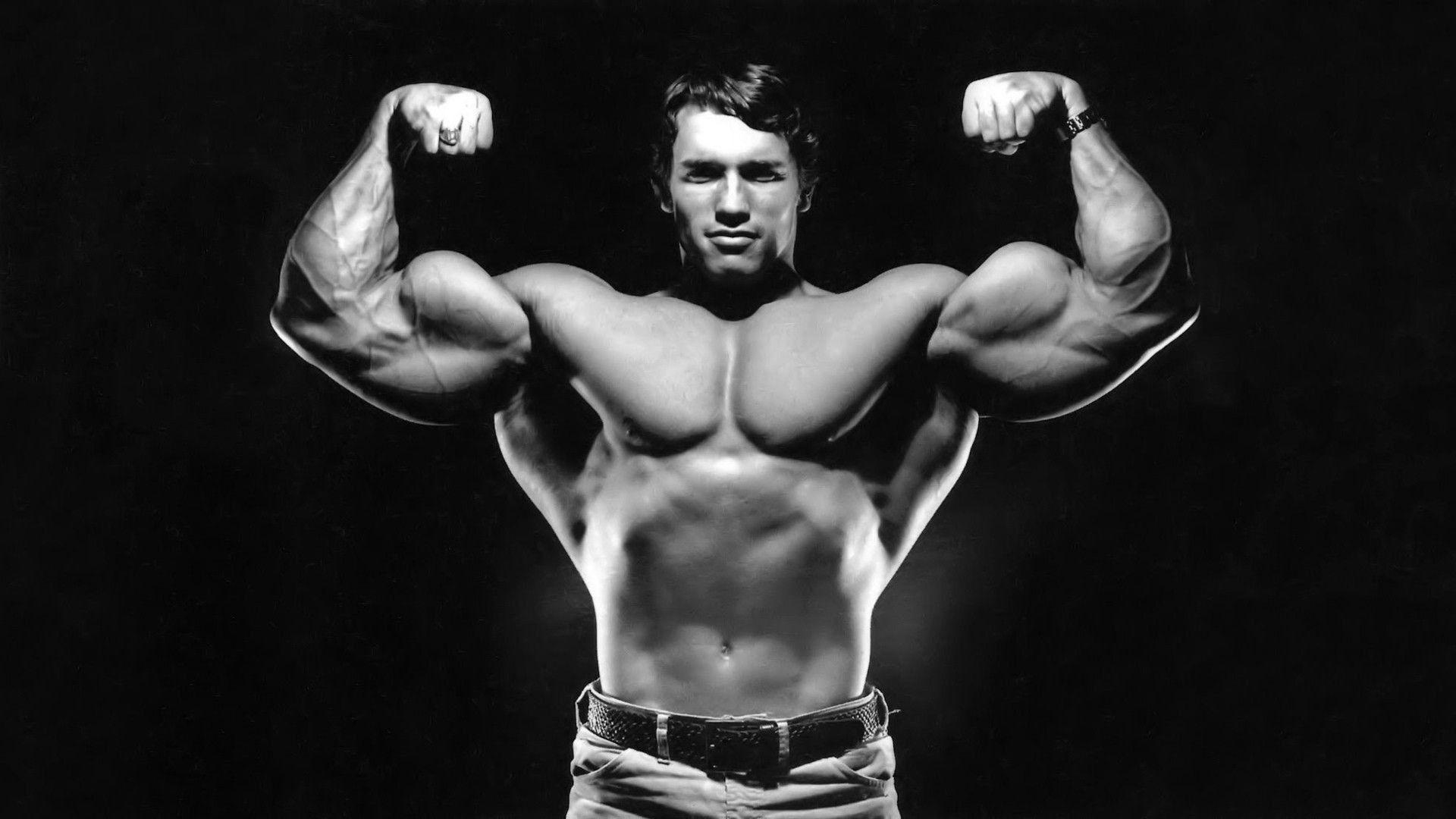
As of 2026, Arnold Schwarzenegger remains one of the most recognizable figures in global culture, yet his physical stature has undergone a natural and documented transformation. While he was billed at a peak height of 6'2" during his bodybuilding prime, physiological aging and decades of heavy resistance training have resulted in a noticeable loss of height, with current estimates placing him between 5'10" and 5'11".
This reduction in height is not an anomaly but rather a standard biological progression exacerbated by the extreme physical demands of elite-level athletics. To understand why and how the "Austrian Oak" has changed, one must examine the intersection of human anatomy, the mechanics of spinal compression, and the specific history of Schwarzenegger’s legendary career.
The Peak Years: Establishing the 6'2" Baseline
During the late 1960s and 1970s, Arnold Schwarzenegger dominated the world of professional bodybuilding. His official height was consistently listed as 188 cm, or approximately 6'2". This measurement became the gold standard for his physical profile as he transitioned from the Mr. Olympia stage to the Hollywood screen.
In his prime, Schwarzenegger’s height was a critical component of his "larger-than-life" persona. Unlike many of his contemporaries who were shorter and stockier, Arnold possessed a long-limbed, aesthetic frame that redefined the "classic" look of a champion. This height allowed for a massive muscle distribution, which contributed to his seven Mr. Olympia titles.
However, the world of professional sports and entertainment often involves "billing heights," which can be slightly inflated for promotional purposes. While fans and biographers have debated whether Arnold was a "true" 6'2" or perhaps closer to 6'1.5", it is undisputed that he was a tall man who towered over most of his peers in the Golden Era of bodybuilding.
The Biological Mechanics of Age-Related Height Loss
By 2026, Schwarzenegger has reached his late 70s. At this stage of life, height loss is a universal human experience. The primary driver of this shrinkage is the spine. The human vertebral column consists of 33 vertebrae separated by intervertebral discs. These discs are composed largely of a gel-like substance called the nucleus pulposus, which acts as a shock absorber.
As individuals age, these discs undergo a process known as desiccation. They lose water content, causing them to thin and flatten. Because there are 23 of these discs in the human spine, even a small loss of thickness in each disc can result in a cumulative height loss of one to two inches. Furthermore, the natural curvature of the spine often increases with age—a condition known as kyphosis—which further reduces the vertical measurement of the body.
Beyond the discs, bone density plays a significant role. Even in active males, the gradual loss of bone mineral density can lead to micro-fractures in the vertebrae or a slight compression of the vertebral bodies themselves. This biological "settling" is the fundamental reason why almost every human being is shorter at age 75 than they were at age 25.
The Role of Elite-Level Bodybuilding in Spinal Compression
Schwarzenegger’s height loss may be more pronounced than the average individual's due to his decades of high-intensity weightlifting. During his competitive years, Arnold’s training regimen included massive amounts of "compressive loading." Exercises such as the heavy barbell squat, the overhead press, and the deadlift place direct downward pressure on the vertebral column.
While weightlifting is excellent for building bone density and muscle mass, the sheer volume of weight Arnold handled—often exceeding 400 to 500 pounds in various movements—exerts significant pressure on the intervertebral discs. Over decades, this can accelerate the wear and tear on the cartilage and contribute to a more rapid thinning of the spinal segments.
Moreover, the heavy muscle mass Schwarzenegger carried for the majority of his life acts as a constant weight the skeleton must support. While his muscularity protected his joints in many ways, the gravitational pull on a 240-pound frame over eight decades inevitably contributes to the "shrinking" effect more than it would on a person with a lighter build.
Timeline of Arnold’s Vertical Stature (1968–2026)
Tracking the height of a public figure over six decades requires looking at photographic evidence, public records, and comparisons with other celebrities whose heights are verified.
| Era | Career Focus | Estimated Height | Notable Context |
|---|---|---|---|
| 1968–1980 | Competitive Bodybuilding | 6'1.5" – 6'2" | Peak physical height; Mr. Olympia years. |
| 1982–1995 | Action Movie Stardom | 6'1" – 6'1.5" | Early onset of minor disc compression. |
| 2003–2011 | Gubernatorial Term | 6'0" – 6'0.5" | Visible height decline when standing with world leaders. |
| 2012–2020 | Acting Return & Activism | 5'11" – 5'11.5" | Increased spinal curvature and normal aging. |
| 2021–2026 | Elder Statesman / Icon | 5'10" – 5'11" | Contemporary measurement at age 78+. |
This table illustrates a gradual decline that mirrors the standard aging curve but reflects the physical toll of an extraordinary life. By 2026, the cumulative effect of disc desiccation and postural changes has resulted in a loss of roughly 2.5 to 3 inches from his absolute peak.
Debunking the Myths: Was Arnold Ever Truly 6'2"?
One of the most persistent discussions in the "celeb-height" community is the claim that Arnold was never 6'2" to begin with. Critics often point to photos of Arnold standing next to other actors, such as 6'0" Bruce Willis or 6'1" Sylvester Stallone (who is widely known to use height-increasing footwear), to suggest Arnold was always shorter than his billing.
However, photo analysis is often flawed due to camera angles and footwear. In the 1970 film Hercules in New York, a young Arnold appears legitimately tall, possessing the long proportions of a 6'2" man. The confusion often arises because height is not static. A person can be 6'1.75" in the morning and 6'1" in the evening due to daily spinal compression.
For a man of Arnold’s frame, it is highly probable that he was roughly 6'1.5" to 6'2" in his early 20s. The suggestion that he was "always 5'10"" is demonstrably false when looking at his proportions relative to the standard bodybuilding equipment and competitors of the 1970s. The current 5'10" height is a result of time, not a historical deception.
Comparison with Other Aging Action Icons
Schwarzenegger is not alone in this experience. Many of his contemporaries from the "Golden Age of Action" have faced similar physical changes.
- Sylvester Stallone: Often rumored to be 5'9" or 5'10" at his peak, Stallone has also experienced height loss and frequently utilizes lifts in his shoes to maintain his on-screen presence.
- Clint Eastwood: Once a towering 6'4", Eastwood has notably shrunk in his 90s, now appearing closer to 6'0".
- Hulk Hogan: The wrestling legend has famously admitted to shrinking from 6'7" to 6'4" due to numerous back and hip surgeries resulting from his career in the ring.
Compared to these figures, Schwarzenegger’s height loss is relatively standard. He has avoided the extreme "hunching" seen in some elderly individuals, thanks in large part to his continued commitment to fitness and core strength, which supports the spine.
Health Implications and the "Post-Bodybuilding" Spine
The shrinkage in height is often a visible symptom of underlying changes in spinal health. For Arnold, this has included managing the long-term effects of his training. Modern sports medicine notes that former heavy lifters often face issues like spinal stenosis (the narrowing of spaces within the spine) or degenerative disc disease.
Arnold’s proactive approach to health in his later years—switching from heavy powerlifting to high-rep machine training—has likely slowed the progression of these issues. By reducing the "axial loading" (weight directly on the spine), he has maintained a level of mobility that many men his age lack, even if he cannot reclaim the inches lost to time.
Strategies to Mitigate Spinal Compression and Height Loss
While some height loss is inevitable, the degree to which it affects a person’s quality of life can be managed. Schwarzenegger’s current lifestyle in 2026 provides a blueprint for healthy aging:
- Decompression Exercises: Utilizing inversion tables or simply hanging from a pull-up bar can help temporarily rehydrate the discs by creating space between the vertebrae.
- Core Strengthening: A strong "muscular corset" (the abdominals, obliques, and erector spinae) takes the pressure off the skeletal structure.
- Flexibility and Yoga: Maintaining the suppleness of the hamstrings and hip flexors prevents the pelvis from tilting, which can exacerbate the appearance of height loss and cause lower back pain.
- Hydration and Nutrition: Since spinal discs are largely water, chronic dehydration can accelerate disc thinning. Adequate intake of collagen and minerals also supports bone density.
FAQ: Arnold Schwarzenegger's Height Evolution
How tall is Arnold Schwarzenegger in 2026?
Currently, Arnold Schwarzenegger is estimated to be approximately 5'10" to 5'11" (178–180 cm). This is a natural reduction from his peak height due to the aging process and spinal compression.
Why do bodybuilders seem to shrink more than others?
Bodybuilders often experience more noticeable height loss due to decades of "axial loading." Heavy weights placed on the shoulders or held in the hands compress the intervertebral discs over time. Additionally, significant muscle mass increases the gravitational load on the spine.
Did Arnold have surgery that made him shorter?
No, there is no evidence that Arnold underwent any surgery specifically to reduce his height. However, he has had various heart and orthopedic procedures over the years. Height loss in his case is primarily attributed to natural disc desiccation and postural changes related to aging.
Is Arnold Schwarzenegger's height loss permanent?
Yes, height loss due to disc thinning and bone density changes is generally permanent. While certain stretches or decompression techniques can provide a temporary "fluctuation" in height (often up to half an inch), the structural changes to the spine cannot be reversed without significant surgical intervention.
How does Arnold's height compare to his son Patrick's?
Patrick Schwarzenegger is often cited as being approximately 6'0" to 6'1". In recent photos, Patrick appears taller than his father, which provides clear visual evidence of the elder Schwarzenegger's height reduction over time.
Practical Recommendations for Maintaining Stature
For those concerned about experiencing the same degree of height loss as they age, several proactive steps can be taken. First, prioritize postural awareness. Many people "lose" height simply through poor habits that lead to a forward-head posture and rounded shoulders.
Second, incorporate non-compressive resistance training. As you age, consider replacing heavy barbell squats with leg presses or Bulgarian split squats, which provide stimulus to the legs without the same level of spinal loading. Finally, monitor bone density through regular medical check-ups. Maintaining strong vertebrae is the best defense against the compression fractures that lead to significant height loss in the later stages of life.
Arnold Schwarzenegger remains a titan of physical culture. While he may stand a few inches shorter today than he did on the stage in 1975, his stature in the history of fitness and cinema remains undiminished.