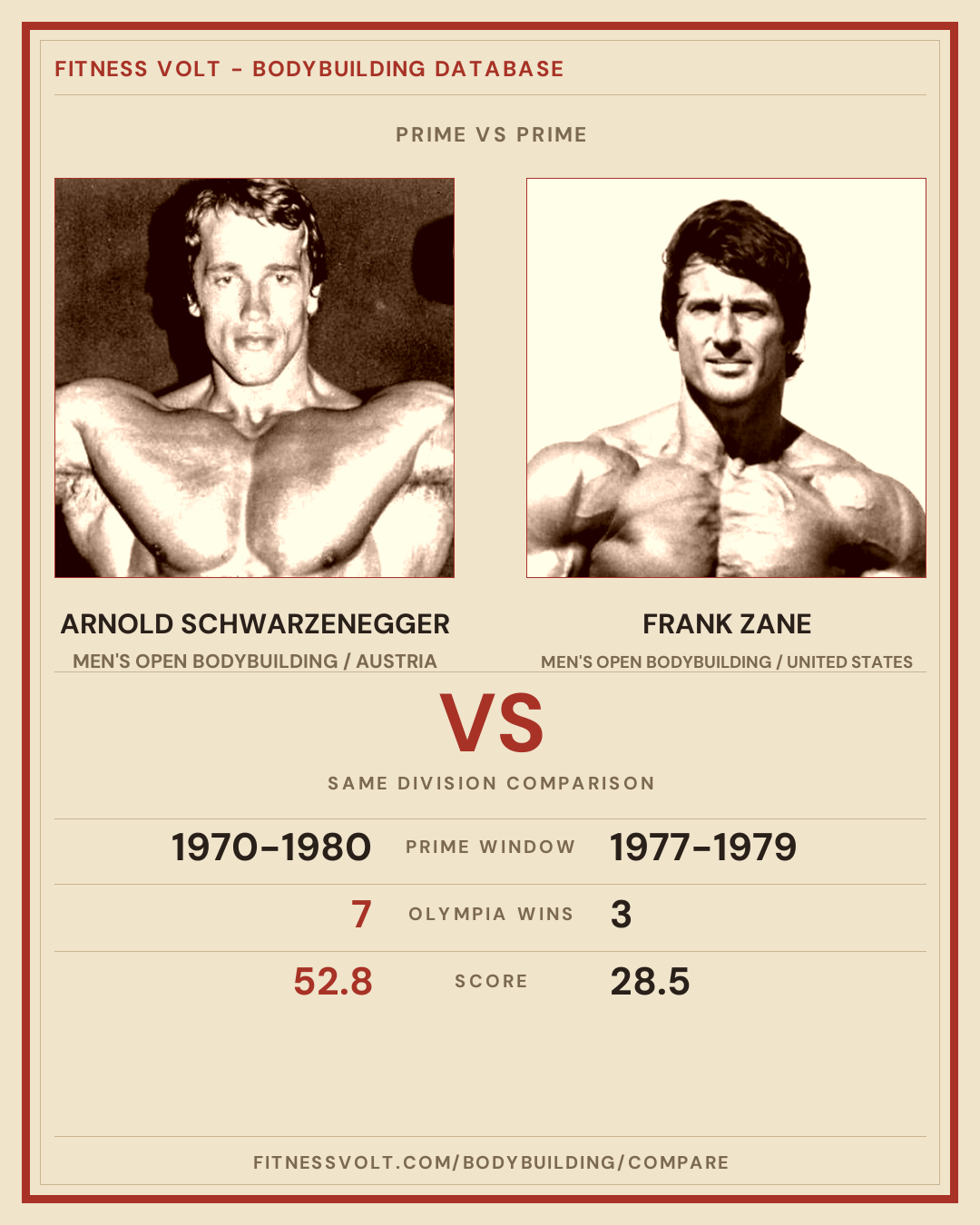
Arnold Schwarzenegger’s prime years represent the pinnacle of physical development and the birth of the modern action hero. Spanning roughly from 1970 to 1991, this era saw him win seven Mr. Olympia titles and redefine Hollywood stardom. His combination of unprecedented muscle mass, charismatic presence, and mental fortitude remains the benchmark for excellence in both fitness and entertainment.
Defining the "Prime" Era: A Dual-Phase Chronology
To understand Arnold Schwarzenegger in his prime, one must distinguish between his competitive bodybuilding peak and his cinematic prime. While there is overlap, these two periods required different physical aesthetics and mental focuses.
The Bodybuilding Prime (1970–1975) was characterized by "The Austrian Oak" dominating the IFBB (International Federation of Bodybuilders) stage. During these years, Schwarzenegger achieved a level of muscularity and symmetry that many historians argue has never been surpassed in terms of aesthetic appeal. This period culminated in the filming of Pumping Iron, the documentary that brought bodybuilding into the American mainstream.
The Cinematic Prime (1982–1991) began with his breakout role in Conan the Barbarian and reached its zenith with Terminator 2: Judgment Day. In this phase, Schwarzenegger transitioned from a niche athlete to the world's highest-paid movie star. His physique was slightly "scaled back" from his competitive days to allow for better movement and screen presence, yet he remained the most imposing figure in Hollywood history.
The Physical Architecture: Metrics of a Legend
In his competitive prime, Schwarzenegger’s stats were staggering for the era, especially considering the lack of modern nutritional science and high-tech equipment. His proportions created a visual "X-frame" that emphasized a massive upper body and a narrow waist.
Detailed Physical Specifications
- Height: 6'2" (188 cm)
- Contest Weight: 235 lbs (106.5 kg)
- Off-Season Weight: 250–255 lbs (113–115 kg)
- Chest: 57 inches (145 cm)
- Arms: 22 inches (56 cm)
- Waist: 34 inches (86 cm)
- Thighs: 28.5 inches (72 cm)
- Calves: 20 inches (51 cm)
Schwarzenegger’s chest and biceps are often cited as his strongest body parts. His chest, in particular, was noted for its incredible thickness and "shelf-like" appearance during side-profile poses. His biceps featured high "peaks," a genetic trait he maximized through specific isolation movements and an intense mind-muscle connection.
The "Oak’s" Training Philosophy: High Volume and Intensity
During his prime years at Gold’s Gym in Venice Beach, Schwarzenegger followed a high-volume training split that would overwhelm most modern enthusiasts. He frequently utilized a "double-split" routine, training twice a day, six days a week.
The Six-Day Split Structure
His training was centered around the "Agonist-Antagonist" principle, specifically supersetting chest and back exercises. This method allowed him to maintain a massive pump in the entire upper body while maximizing time efficiency. A typical session might include:
- Chest and Back: Supersetting Bench Press with Wide-Grip Pullups, and Incline Press with T-Bar Rows.
- Shoulders and Arms: Focusing on heavy Overhead Presses, Lateral Raises, and the "Arnold Press" (a variation he popularized involving a rotating wrist movement).
- Legs: Utilizing high-repetition Squats, Leg Presses, and Leg Curls to build endurance and sweep.
Schwarzenegger was a firm believer in "shocking the muscle." He would frequently change his rep ranges, weights, and rest periods to prevent the body from adapting to a specific stimulus. This included "stripping sets" (drop sets) and "forced reps" with the help of training partners like Franco Columbu.
Nutritional Foundations of the 1970s
The diet of Arnold Schwarzenegger in his prime was grounded in high-protein, whole-food consumption. Unlike the hyper-calculated macros of 2026, the Golden Era athletes relied more on visual feedback and basic nutritional pillars.
Schwarzenegger typically consumed five to six meals per day. His primary protein sources were whole eggs, ground beef, chicken, fish, and dairy. He famously consumed a "whole food" approach, often eating 1 gram of protein per pound of body weight. Carbohydrates were kept moderate, usually sourced from oats, brown rice, and fruits, while fats came from nuts, avocados, and the natural fats in his protein sources.
A significant aspect of his recovery was the use of rudimentary protein powders—often milk-and-egg based—which he would mix with whole milk to increase caloric density during bulking phases. He emphasized the importance of Vitamin C and magnesium for recovery, though his supplementation was minimal compared to modern standards.
The Mr. Olympia Reign: A Statistical Comparison
Arnold’s dominance is best illustrated by his performance on the Mr. Olympia stage. His ability to come in "shredded" while maintaining massive volume was his primary competitive advantage.
| Year | Location | Main Rival | Key Physical Attribute | Result |
|---|---|---|---|---|
| 1970 | Columbus, Ohio | Sergio Oliva | Improved definition and "V-taper" | 1st Place |
| 1971 | Paris, France | Uncontested | Peak symmetry and conditioning | 1st Place |
| 1972 | Essen, Germany | Sergio Oliva | Tightest waist-to-shoulder ratio | 1st Place |
| 1973 | New York, NY | Franco Columbu | Maximum chest thickness | 1st Place |
| 1974 | New York, NY | Lou Ferrigno | Massive size vs. Lou's height | 1st Place |
| 1975 | Pretoria, S. Africa | Lou Ferrigno | Masterful posing and "The Vacuum" | 1st Place |
| 1980 | Sydney, Australia | Chris Dickerson | Veteran experience and maturity | 1st Place |
The 1975 victory is perhaps the most iconic, as documented in Pumping Iron. Schwarzenegger displayed a psychological dominance over his opponents that was just as effective as his physical presence. He famously retired after 1975 to pursue acting, only to make a controversial and successful comeback in 1980.
Transitioning to Hollywood: The Action Hero Physique
When Schwarzenegger moved into his cinematic prime in the 1980s, his training shifted. In Conan the Barbarian (1982), director John Milius reportedly asked him to "look like a panther," which meant leaning down and improving his functional athleticism.
During the filming of The Terminator (1984) and Predator (1987), Arnold maintained a "working physique." He was less concerned with the paper-thin skin required for bodybuilding stages and more focused on looking powerful and indestructible on camera. This look defined the "Action Hero" archetype for a generation: large muscles, rugged durability, and a low enough body fat percentage to show muscularity through clothing.
By the time he filmed Terminator 2: Judgment Day in 1991, Schwarzenegger was in his early 40s. While he had less raw mass than in 1975, his conditioning was superb, and his "mature muscle" gave him a look of density and hardness that resonated with global audiences.
Psychological Edge and "The Mind-Muscle Connection"
One cannot analyze Arnold’s prime without discussing his mental approach. He popularized the concept of the "Mind-Muscle Connection"—the ability to focus specifically on the muscle being worked to recruit more fibers. He famously stated that he would "become" the bicep during a curl, visualizing it growing to fill the room.
His competitive psychology was equally legendary. He used "psychological warfare" to unsettle rivals, such as Lou Ferrigno or Serge Nubret, by pointing out their flaws or feigning over-confidence. This mental toughness allowed him to endure the grueling double-split workouts and the strict dieting required to maintain his prime form for over two decades.
Legacy and Influence in 2026
Even in 2026, the aesthetic established by Arnold in his prime remains the primary inspiration for the "Classic Physique" division in professional bodybuilding. Modern fitness enthusiasts have moved away from the "mass monster" look of the early 2000s, returning to the symmetrical, tapered, and aesthetic standards Arnold championed.
His influence extends beyond the gym. The "Arnold Blueprint" for success—establish a vision, work tirelessly, and ignore the naysayers—is studied in business schools and motivational seminars worldwide. He proved that physical excellence could be a springboard to global influence in politics, business, and entertainment.
Frequently Asked Questions
What was Arnold Schwarzenegger’s favorite exercise during his prime?
Arnold often cited the Bench Press and Barbell Squats as his foundational movements, but he had a particular affinity for the Dumbbell Fly. He believed that the deep stretch provided by flys was responsible for his legendary chest development. He would perform them with a heavy weight, lowering his arms until they were well below his torso to maximize the pectoral stretch.
Did Arnold Schwarzenegger follow a specific diet during his prime years?
While he didn't use modern apps to track macros, his diet was very structured. He focused on a high-protein, moderate-fat, and moderate-to-low carbohydrate intake. A typical breakfast was 3-4 eggs and bacon with a piece of toast. Lunch and dinner were usually a pound of steak or chicken with a large salad and a baked potato. He avoided processed sugars and relied on whole foods to maintain his energy during his twice-daily workouts.
How tall was Arnold Schwarzenegger really in his prime?
There has been much debate regarding Arnold’s height. During his prime years, he was officially listed as 6'2" (188 cm). While some critics have suggested he may have been slightly shorter, his proportions—specifically his long limbs and torso—allowed him to dominate the stage and look significantly taller than his competitors who were often in the 5'8" to 5'10" range.
How many hours a day did Arnold train in the 1970s?
During his competitive peak leading up to the Mr. Olympia, Arnold trained for approximately 4 to 5 hours a day. This was split into two sessions: a morning session (usually 2 hours) focusing on large muscle groups like the chest or back, and an evening session (2 hours) focusing on smaller groups like arms, calves, or abdominals. This high-volume approach required incredible recovery capabilities and a high-calorie diet.
Why is Arnold's 1975 physique considered his best?
The 1975 physique is often cited as his best because it represented the perfect balance of size, definition, and stage presence. By 1975, he had perfected his "vacuum pose" and had a level of muscle maturity that made his physique look dense and "hard." Additionally, his conditioning was at an all-time high for the Pretoria, South Africa competition, which was the focus of the film Pumping Iron.
Practical Recommendation for Fitness Enthusiasts
If you are looking to emulate the "Prime Arnold" aesthetic in 2026, focus on proportionality rather than raw mass. Prioritize the "Big Three" lifts (Squat, Bench, Deadlift) to build a foundation of density, but incorporate high-volume isolation work for the shoulders and arms to create the classic V-taper. Remember that Arnold’s success was as much about his mental focus as his physical routine; practice the mind-muscle connection by slowing down your repetitions and visualizing the muscle contracting through every inch of the movement.