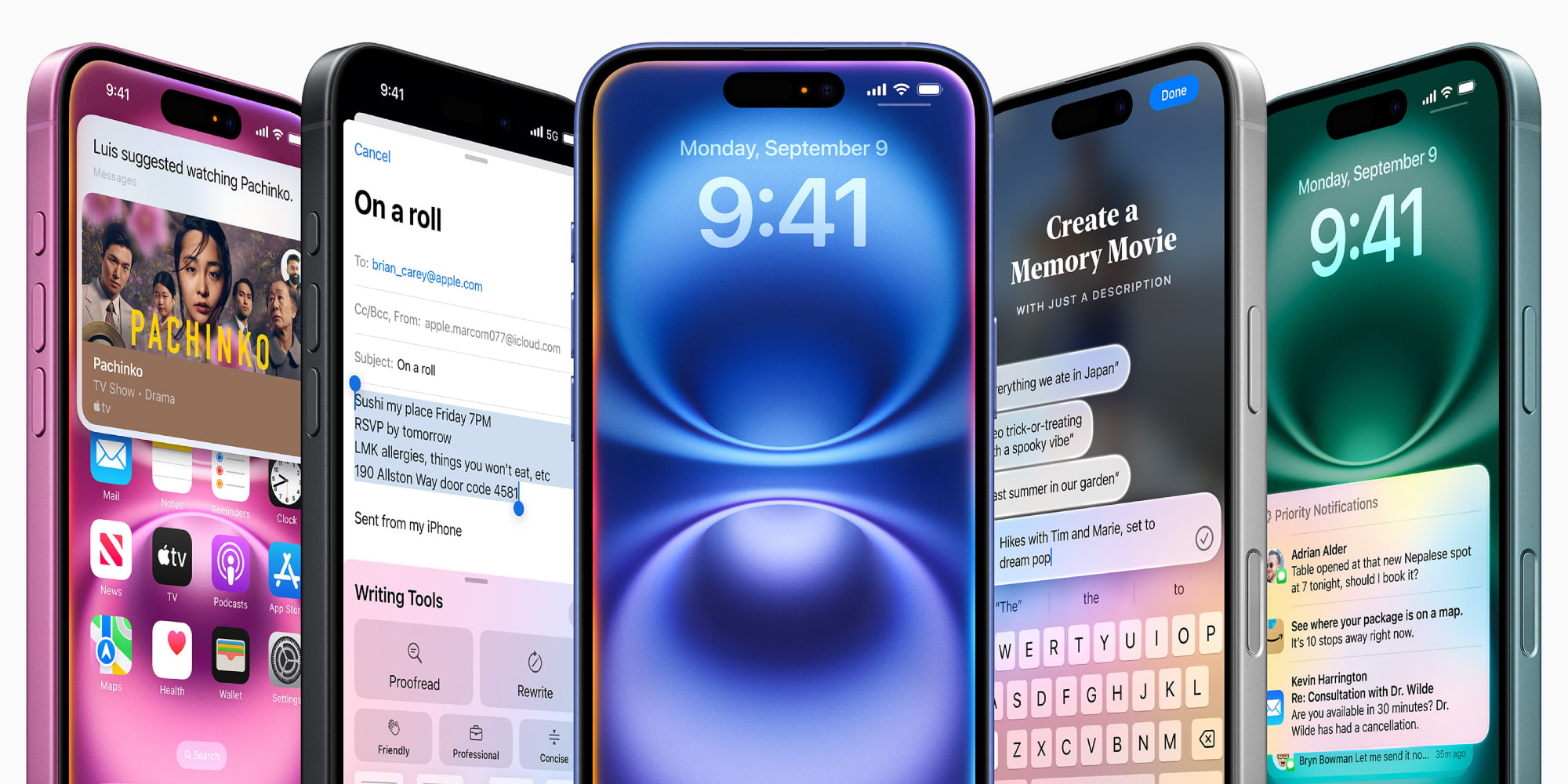
The "net worth" of Apple’s iOS ecosystem is not a singular balance sheet entry, but a reflection of the platform's multi-trillion-dollar valuation, its role as a primary revenue driver for Apple Inc., and its function as the foundation for a global digital economy. As of 2026, iOS serves over 1.5 billion active devices, anchoring a services segment that generates hundreds of billions in annual gross merchandise value (GMV) and cementing its status as the most lucrative mobile software environment in history.
Defining the Value of iOS
When discussing the net worth or economic impact of iOS, one must distinguish between the software itself as an intellectual property asset and the economic ecosystem it facilitates. iOS is the proprietary mobile operating system developed by Apple Inc. It is not a standalone company with a publicly traded stock price; therefore, it does not have a traditional "net worth" in the financial sense. Instead, its value is derived from its ability to capture high-value consumer spend and lock users into the broader Apple hardware and services ecosystem.
The economic weight of iOS is best measured through three distinct lenses:
- Direct Revenue Generation: The income generated through the App Store, Apple Music, iCloud, and Apple Pay.
- Hardware Enablement: The software’s role in justifying premium pricing for iPhones and iPads, which collectively represent the vast majority of Apple’s hardware revenue.
- Ecosystem Valuation: The total economic activity generated by third-party developers, advertisers, and service providers who rely on the iOS platform to reach a high-spending user base.
The App Store: The Engine of Economic Activity
The Apple App Store acts as the central treasury for the iOS ecosystem. Since its inception in 2008, the App Store has facilitated trillions of dollars in cumulative billings. By 2026, the App Store remains the most profitable marketplace for mobile applications, consistently outperforming competitor platforms in terms of average revenue per user (ARPU).
The financial mechanism is straightforward: Apple collects a commission—generally 15% to 30%—on digital goods and services sold through the platform. This commission structure is a critical component of Apple’s service revenue, which has become a primary driver of the company’s valuation growth. Unlike hardware sales, which are subject to cyclical upgrade cycles and supply chain fluctuations, the App Store provides a high-margin, recurring revenue stream that effectively functions as a "tax" on the digital economy.
Hardware Integration and Asset Valuation
iOS is the "sticky" factor that maintains the value of Apple’s hardware. The interoperability between iOS, macOS, iPadOS, and watchOS—often referred to as the "Walled Garden"—creates an ecosystem where the cost of switching to a competing platform is high for the consumer. This perceived value allows Apple to maintain premium pricing models for the iPhone, which remains the single most important product in the company’s portfolio.
In 2026, the valuation of the iPhone segment is inseparable from the capabilities of the iOS software that runs on it. Investors view the iOS platform as a defensive moat; even in periods of global economic cooling, the retention rate of iOS users remains significantly higher than that of Android users. This stability is a significant factor in Apple’s market capitalization, which consistently ranks among the highest in the world.
Comparative Market Position
To understand the financial dominance of iOS, it is necessary to compare its operational model against the primary alternative: the Android ecosystem. While Android holds a larger global market share in terms of raw device count, iOS controls the "premium" segment of the market.
| Metric | Apple iOS Ecosystem | Android Ecosystem |
|---|---|---|
| Monetization Model | Closed, premium-focused | Open, volume-focused |
| Primary Revenue Source | App Store commissions/Services | Advertising/Device licensing |
| Market Segment | High-income/Premium | Mass-market/Varied |
| User Retention | Extremely high (Ecosystem lock-in) | Moderate (Higher fragmentation) |
| Developer Revenue | Historically higher per app | Higher volume but lower per app |
This table illustrates why iOS is often valued more highly by developers and stakeholders: the concentration of disposable income within the iOS user base translates directly into higher net earnings for those participating in the platform.
Regulatory Impacts and Financial Risks
The valuation of the iOS ecosystem is not without risks. In 2026, global regulatory scrutiny continues to pressure the App Store’s business model. Antitrust investigations in the European Union, the United States, and Japan have challenged Apple’s "walled garden" approach, specifically regarding third-party payment processing and sideloading requirements.
These regulatory challenges represent a material risk to the future "net worth" of iOS. If courts or legislatures mandate the opening of the iOS platform to alternative app marketplaces or force a reduction in commission rates, the high-margin nature of the services revenue stream could be diluted. Investors closely monitor these developments, as any structural change to the iOS billing model could directly impact Apple’s service segment margins.
The Value of User Data and Privacy
Apple has successfully pivoted its brand identity toward privacy, effectively turning user trust into a competitive financial asset. By introducing features like App Tracking Transparency (ATT), Apple has disrupted the mobile advertising industry. While this shift initially faced backlash from ad-reliant companies, it has bolstered the long-term value of the iOS platform by reinforcing user loyalty.
From an economic perspective, by limiting the data extraction capabilities of third-party apps, Apple has essentially claimed the "privacy premium" for itself. This strategy keeps users within the iOS environment, ensuring that the financial value generated by those users remains within the Apple ecosystem rather than being exported to external ad networks.
Troubleshooting Common Valuation Misconceptions
A common error when analyzing the "net worth" of iOS is to attempt to calculate it as a sum of its parts. One cannot simply add up the revenue from the App Store and the sales of iPhones to find the value of iOS. The software is an intangible asset that drives the performance of tangible products.
Furthermore, users often mistake the total market cap of Apple Inc. for the value of the iOS software. While iOS is the foundation, it is not the entirety of Apple; the company also manufactures high-end hardware, provides credit services through Apple Card, and is heavily invested in hardware-level silicon (Apple Silicon). When evaluating the economic influence of iOS, focus on the following:
- Service Revenue Growth: Is the revenue from the App Store and iCloud increasing despite device saturation?
- Install Base Velocity: How quickly are new users entering the iOS ecosystem?
- Retention Rates: What percentage of users upgrade to the latest version of iOS annually?
Strategic Outlook: 2026 and Beyond
As we navigate 2026, the financial trajectory of iOS remains tied to its ability to integrate emerging technologies. The deployment of advanced AI features directly into the operating system has become the primary value proposition for the newest generation of devices. By making iOS the interface for proprietary, high-compute AI tasks, Apple is attempting to raise the floor of its hardware value once again.
If you are an investor or analyst attempting to quantify the financial impact of iOS, focus on the "Services" line item in Apple’s quarterly earnings reports. This is where the net effect of the iOS ecosystem manifests most clearly. The consistent growth in this segment, even during years where device sales remain flat, is the best indicator of the platform's enduring economic power.
Frequently Asked Questions
Does iOS have a specific dollar value for acquisition? No. iOS is a proprietary technology owned by Apple Inc. It cannot be bought or sold separately. Its value is reflected entirely in the market capitalization of Apple Inc. and the revenue generated by its hardware and service units.
Why is the iOS ecosystem considered more valuable than its competitors? The valuation stems from the "Premium User" profile. Statistically, iOS users exhibit higher engagement with paid services and higher spending on in-app purchases compared to other platforms, resulting in a higher average revenue per user.
How do regulatory changes affect the financial outlook of iOS? Mandates regarding alternative payment methods and app sideloading threaten to compress the margins Apple earns from App Store commissions. These changes represent the most significant potential headwind to the long-term profitability of the iOS software ecosystem.
Can individual developers increase the value of iOS? Yes. Through the development of high-quality, exclusive, or highly functional software, third-party developers increase the utility of the platform, which drives device sales and keeps users within the Apple ecosystem.
What is the role of Apple Silicon in the iOS "net worth"? Apple Silicon allows for vertical integration. By designing the chips specifically for iOS, Apple provides performance levels that non-integrated competitors struggle to match, which justifies premium pricing and sustains the high value of the hardware running iOS.
Conclusion and Next Actions
The economic value of iOS is rooted in its ability to serve as a high-performance, secure, and highly monetizable gateway to the digital world. For those monitoring this subject, the most practical next action is to review the "Services" category in Apple’s latest Form 10-K filings. This document will provide the most accurate, verified data regarding the revenue generated by the software-driven ecosystem. Focus on the service margin percentage to determine the ongoing health and profitability of the platform.