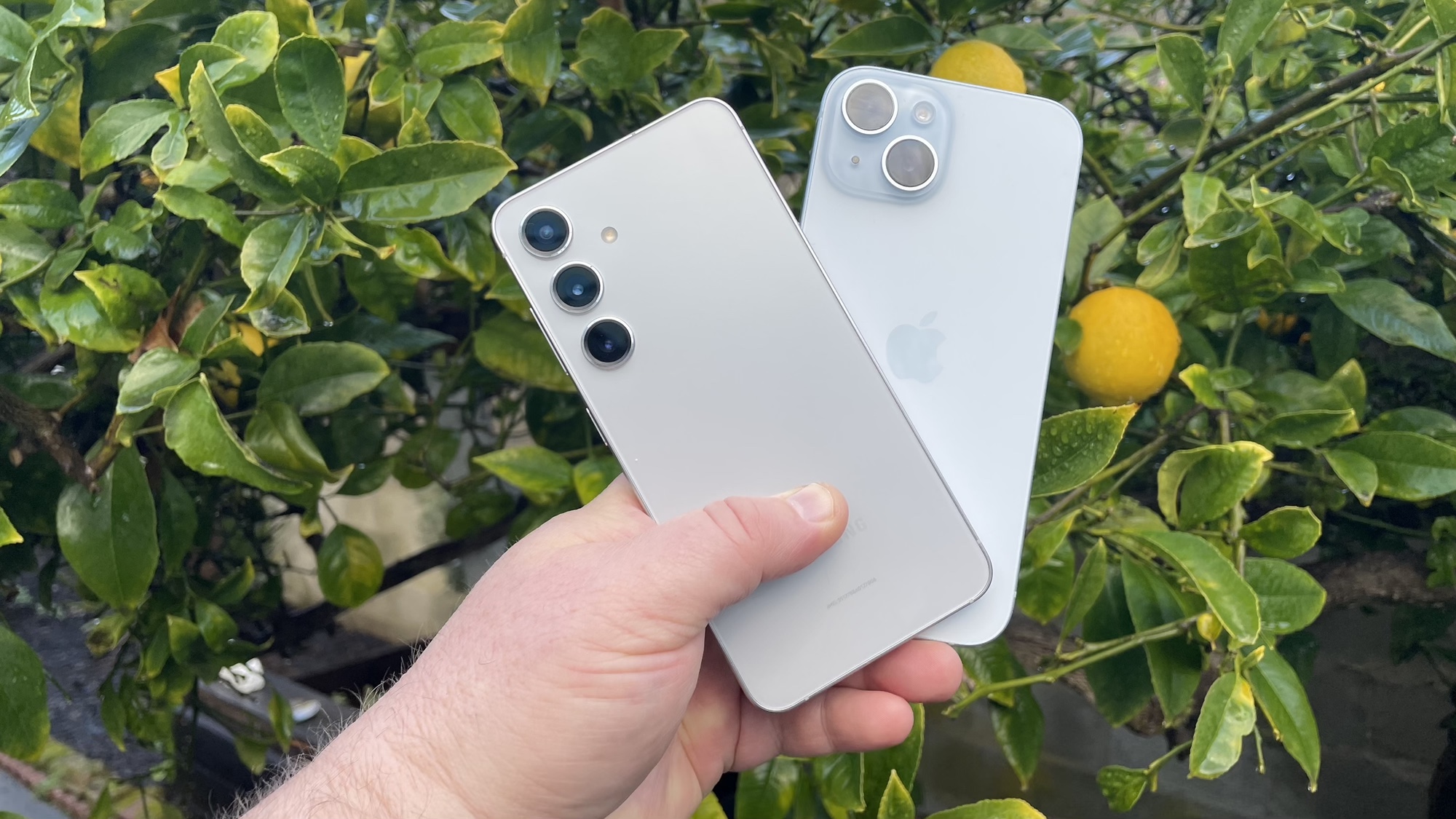
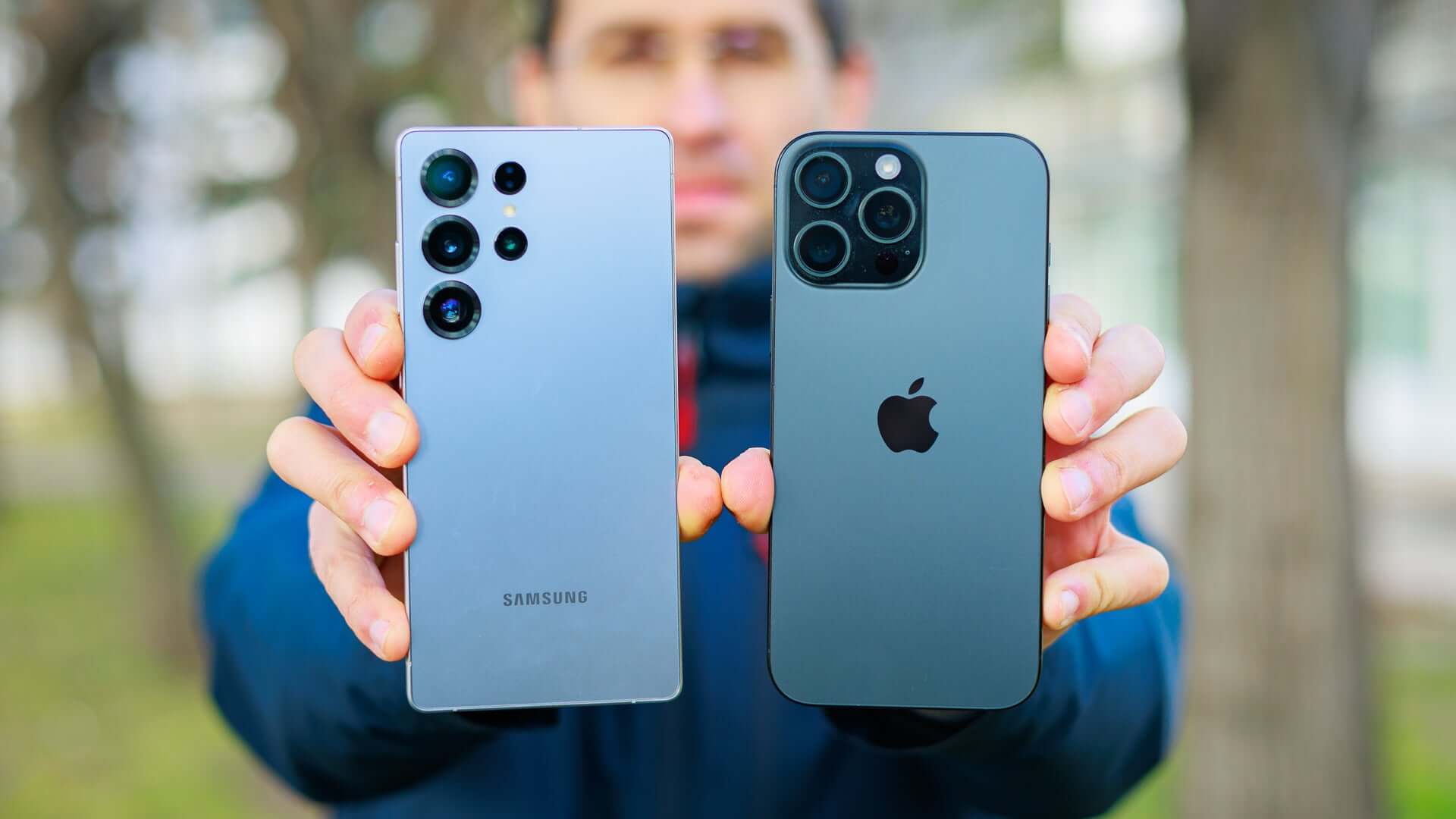
Deciding between an Apple iPhone and a Samsung Galaxy smartphone involves weighing the closed, highly integrated ecosystem of iOS against the flexible, feature-rich hardware and customization options of Android. The right choice depends on your existing digital infrastructure, preferred software interface, budget, and specific requirements for camera performance, multitasking, and long-term device longevity.
Understanding the Fundamental Divide: iOS vs. Android
The choice between Apple and Samsung is, at its core, a choice between two distinct mobile philosophies. Apple’s iPhone operates on iOS, a proprietary, strictly controlled operating system designed to ensure uniformity, security, and seamless interaction between Apple hardware and services. This "walled garden" approach offers a refined user experience where stability is prioritized, and updates are delivered simultaneously across supported devices.
In contrast, Samsung builds its mobile experience on top of the Android platform, modified with its One UI skin. Samsung embraces a philosophy of customization and hardware diversity. You can alter almost every aspect of the interface, run apps in split-screen, and utilize file management systems that feel more like a desktop computer. This flexibility is the primary draw for users who want their device to adapt to their specific workflow rather than conforming to a rigid design language.
Hardware Design and Build Philosophy
Apple typically releases a limited, iterative range of iPhones annually. The build quality remains remarkably consistent, focusing on premium materials like titanium and high-grade glass. The advantage here is consistency; when you buy an iPhone, you know exactly what level of performance and build quality you are getting. The internal components—specifically the A-series silicon—are designed in-house to work perfectly with the software, often leading to industry-leading energy efficiency.
Samsung’s hardware strategy is expansive. Their lineup includes everything from entry-level budget phones to the high-end Galaxy S series and the innovative foldable devices like the Galaxy Z Fold and Z Flip series. Samsung is often the first to market with experimental hardware, such as advanced display technologies and complex hinge mechanisms for foldables. If you value being at the bleeding edge of hardware form factors or desire a specific screen size or camera configuration not offered by Apple, Samsung’s broad catalog is the primary alternative.
Ecosystem Integration and Service Interoperability
One of the most significant factors in the iPhone vs. Samsung debate is the "lock-in" effect. If you already own a Mac, an iPad, an Apple Watch, or rely heavily on iCloud, moving to a Samsung device can feel disruptive. Features like Handoff, which allows you to start a task on your phone and finish it on your Mac, and AirDrop, for near-instant local file sharing, are tightly integrated.
Samsung users, however, participate in the Google ecosystem. This is inherently more portable. A Samsung phone integrates seamlessly with Google Drive, Google Photos, and Gmail, all of which are cross-platform and function just as well on an iPhone or a web browser. Samsung also offers its own ecosystem, including the Galaxy Watch and Galaxy Buds, which provide a "Samsung-to-Samsung" experience that rivals Apple’s in quality and integration. If your professional life is built on Google Workspace, the Samsung experience can be more fluid and less restricted by proprietary limitations.
Software Customization and Multitasking
For users who want to treat their phone like a pocket computer, Samsung offers features that simply do not exist on the iPhone. Multi-active windows allow you to run multiple apps simultaneously on the same screen, which is significantly enhanced on Samsung’s larger "Ultra" and "Fold" displays. You can sideload applications, modify system icons, install custom launchers, and manage file systems directly, which appeals to power users and tech enthusiasts.
Apple’s iOS takes the opposite approach. While recent updates have introduced widgets and better control over the home screen, the operating system remains intentionally constrained to prevent user error and ensure security. The benefit is an interface that rarely experiences performance degradation, crashes, or security vulnerabilities caused by user-installed software. For the average user who wants a phone that "just works" out of the box without requiring manual configuration, iOS is historically superior.
Comparison of Key Performance Metrics
| Feature | Apple iPhone (iOS) | Samsung Galaxy (Android) |
|---|---|---|
| Interface | Minimalist, uniform, restricted | Highly customizable, flexible |
| Ecosystem | Tight (Mac, iPad, Watch, Apple TV) | Open (Google services, PC, Windows) |
| Hardware Variety | Limited (High-end focus) | Extensive (Budget to Foldables) |
| File System | Restricted, managed via Files app | Open, user-accessible directories |
| Updates | Immediate, long-term support | Dependent on model/carrier timing |
| Security | Highly gated App Store | Play Store + Sideloading options |
Camera Performance and Computational Photography
Both manufacturers are at the forefront of mobile photography. Apple’s approach leans toward color accuracy and natural skin tones. Its computational photography engine excels at video capture and consistency across the camera array, making it the preferred choice for content creators and social media professionals who value reliable results under various lighting conditions.
Samsung’s cameras are known for high-resolution sensors and aggressive post-processing that often results in more "vibrant" or saturated images. Samsung’s zoom capabilities, particularly in the Ultra line, often surpass Apple’s capabilities with dedicated periscope lenses that offer higher optical and digital zoom ranges. If your priority is the ability to zoom into distant subjects or if you prefer a "ready-to-post" aesthetic with high saturation, Samsung’s camera system is exceptionally competitive.
Cost and Resale Value
Apple devices are notoriously expensive upfront and rarely go on sale, but they maintain their resale value significantly better than Samsung devices. If you plan to trade in your phone or sell it in two to three years, an iPhone will likely net you a higher return on investment.
Samsung phones often see deep price cuts or aggressive trade-in promotions shortly after their release. While the depreciation rate is higher, the entry point for a flagship-tier experience is often lower than it is for a flagship iPhone. For consumers who prioritize getting the newest technology for the lowest possible price through carrier deals or seasonal sales, Samsung offers more financial flexibility.
Security, Privacy, and Data Management
Apple markets privacy as a core product feature. The company employs strict App Store guidelines and provides users with granular control over data tracking, such as App Tracking Transparency. Because Apple controls both the hardware and the software, security patches are pushed to all active devices simultaneously, closing vulnerabilities quickly.
Samsung and the Android platform have narrowed the security gap significantly in recent years. Samsung’s Knox platform provides enterprise-grade security that protects sensitive data at the hardware level. However, because Android is an open platform, it allows for side-loading apps from third-party sources. While this adds functionality, it also introduces a higher risk surface for users who are not careful about what they install. For the average user, both platforms are sufficiently secure; the difference lies in whether you trust a walled-off ecosystem or prefer the control to manage your own security profile.
Identifying Your Personal Requirements
To determine which device suits you, answer these three questions:
- What is my current ecosystem? If you have family members using iMessage, FaceTime, or shared iCloud Photo Libraries, switching to a Samsung phone can cause significant friction in communication and media sharing.
- Do I need advanced multitasking? If you frequently need to have an email draft open while referencing a spreadsheet and a video call, Samsung’s split-screen and windowing capabilities are vastly superior to Apple’s offerings.
- What is my budget over three years? Factor in the higher initial cost of the iPhone against its high resale value, versus the lower initial cost of Samsung phones alongside their faster depreciation.
Frequently Asked Questions
Which phone is better for long-term software support?
Both companies now offer excellent long-term support. Most modern iPhones receive at least 5–6 years of iOS updates. Samsung has committed to 7 years of software and security updates for its flagship Galaxy S series, meaning that in 2026, the lifespan of a top-tier Samsung device is effectively on par with, or even exceeding, the typical lifecycle of an iPhone.
Can I easily transfer my data from iPhone to Samsung or vice-versa?
Both companies provide tools to simplify this. Samsung uses "Smart Switch," which can transfer contacts, messages, and photos via cable or Wi-Fi. Apple offers "Move to iOS." While these tools are effective, they cannot transfer purchased apps, paid subscriptions, or specific proprietary app data (like certain encrypted messaging histories). Expect to spend a few hours re-downloading and logging into your accounts.
Why is iMessage such a big deal?
iMessage is Apple’s proprietary messaging service that provides end-to-end encryption, high-quality media sharing, and group chat features. While it now supports RCS (Rich Communication Services) to improve compatibility with Android, the "blue bubble" versus "green bubble" dynamic persists in many social circles, primarily affecting group chat management and reaction features.
Is the iPhone really better for video?
Yes, for most users. iPhones are widely considered the industry standard for mobile video due to their frame rate consistency, high dynamic range, and the integration of their camera software with third-party apps like Instagram, TikTok, and video editing software like Final Cut Pro. While Samsung’s video quality has improved, Apple’s hardware and software synergy remains the benchmark for mobile videography.
Do Samsung phones still lag after a year?
No. This is a common misconception based on older versions of Android. Modern Samsung devices with One UI are highly optimized and use powerful UFS storage and high-RAM configurations that keep the system running smoothly for years. The experience on a current-generation Galaxy S-series phone is as fluid as any iPhone.
Final Recommendation
Choose an Apple iPhone if you value simplicity, a highly integrated ecosystem, consistent video performance, and high resale value. It is the best choice if you are already invested in Apple services or if you want a reliable device that requires minimal maintenance.
Choose a Samsung Galaxy if you value hardware innovation, customization, multitasking, and flexibility. It is the best choice if you prefer the open nature of Android, use Google services extensively, or if you are interested in unique form factors like foldables.