Securing affordable life insurance in Ontario involves comparing term versus permanent coverage, understanding how insurers calculate risk based on your age, health, and lifestyle, and leveraging the competitive Canadian market. By selecting the appropriate policy type and working with independent brokers, residents can obtain essential financial protection while maintaining manageable monthly or annual premiums.
Understanding the Landscape of Ontario Life Insurance
Life insurance is a contract between an individual and an insurance company. In exchange for premium payments, the insurer provides a lump-sum payment—known as a death benefit—to designated beneficiaries upon the policyholder's passing. In Ontario, the life insurance industry is regulated by the Financial Services Regulatory Authority of Ontario (FSRA), which ensures that companies operate fairly and maintain sufficient capital to meet their obligations.
For many Ontarians, the primary goal of insurance is to replace income, cover mortgage debt, or provide for children’s education in the event of an untimely death. Because insurance is a long-term commitment, affordability is rarely just about the lowest monthly price; it is about finding the optimal balance between coverage amount, policy duration, and cost stability over time.
Differentiating Between Term and Permanent Life Insurance
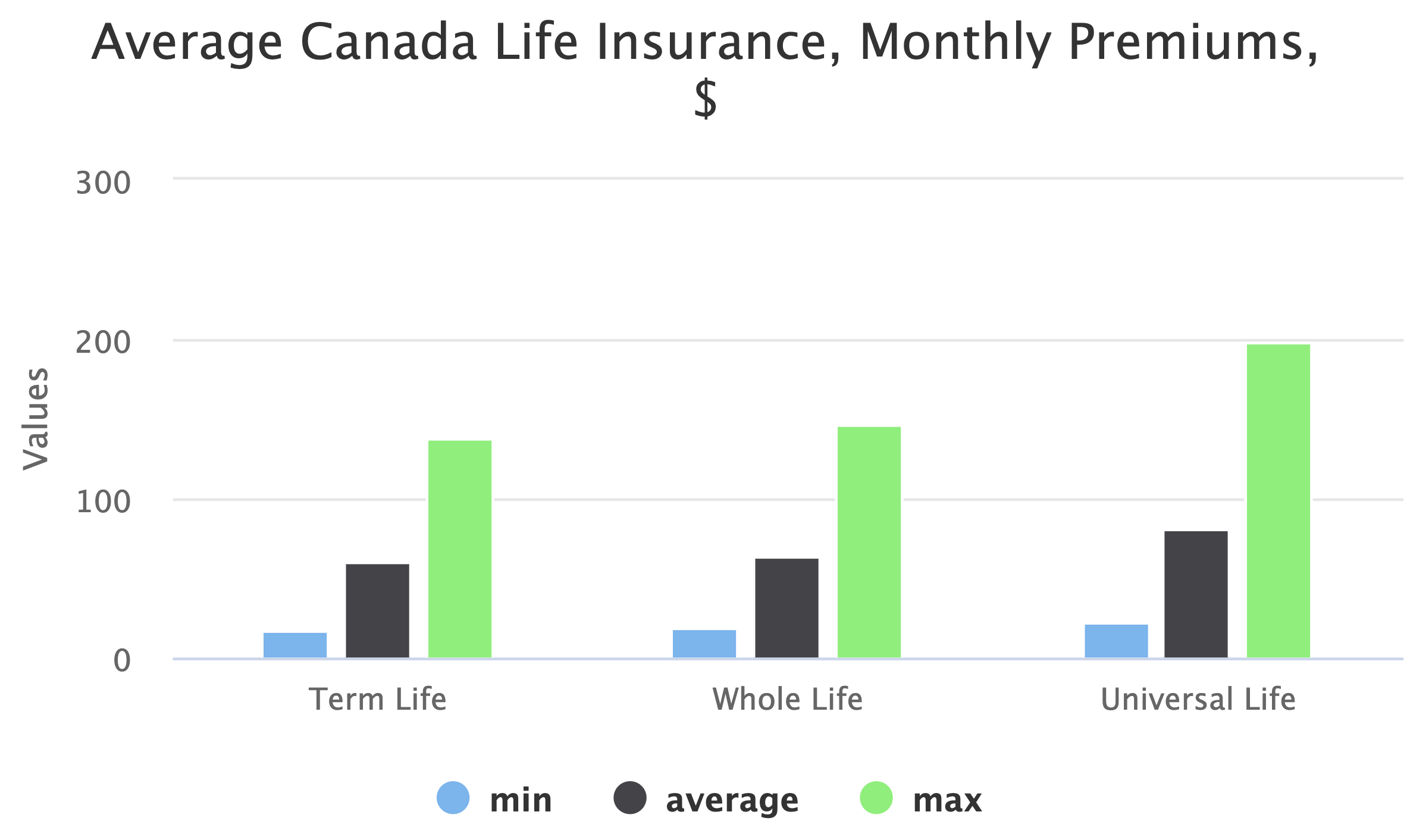
The single most significant factor in determining the affordability of your policy is the type of coverage you select. In the Ontario market, there are two primary categories:
Term Life Insurance
Term life insurance provides coverage for a specific period—typically 10, 20, or 30 years. It is widely considered the most affordable option because it does not include an investment component. If you pass away during the term, your beneficiaries receive the payout. If the term expires, the coverage ends unless you renew it (usually at a higher rate) or convert it to a permanent policy. This is often the preferred choice for younger families or those covering specific debts, such as a 25-year mortgage.
Permanent Life Insurance
Permanent insurance, which includes Whole Life and Universal Life, covers you for your entire lifetime provided the premiums are paid. These policies often include a cash-value component that can grow over time. While they offer more features, they are significantly more expensive than term insurance. For individuals seeking strictly "affordable" coverage, permanent life insurance is rarely the starting point unless there is a specific need for estate planning or tax-deferred growth.
Factors That Influence Your Premium Rates
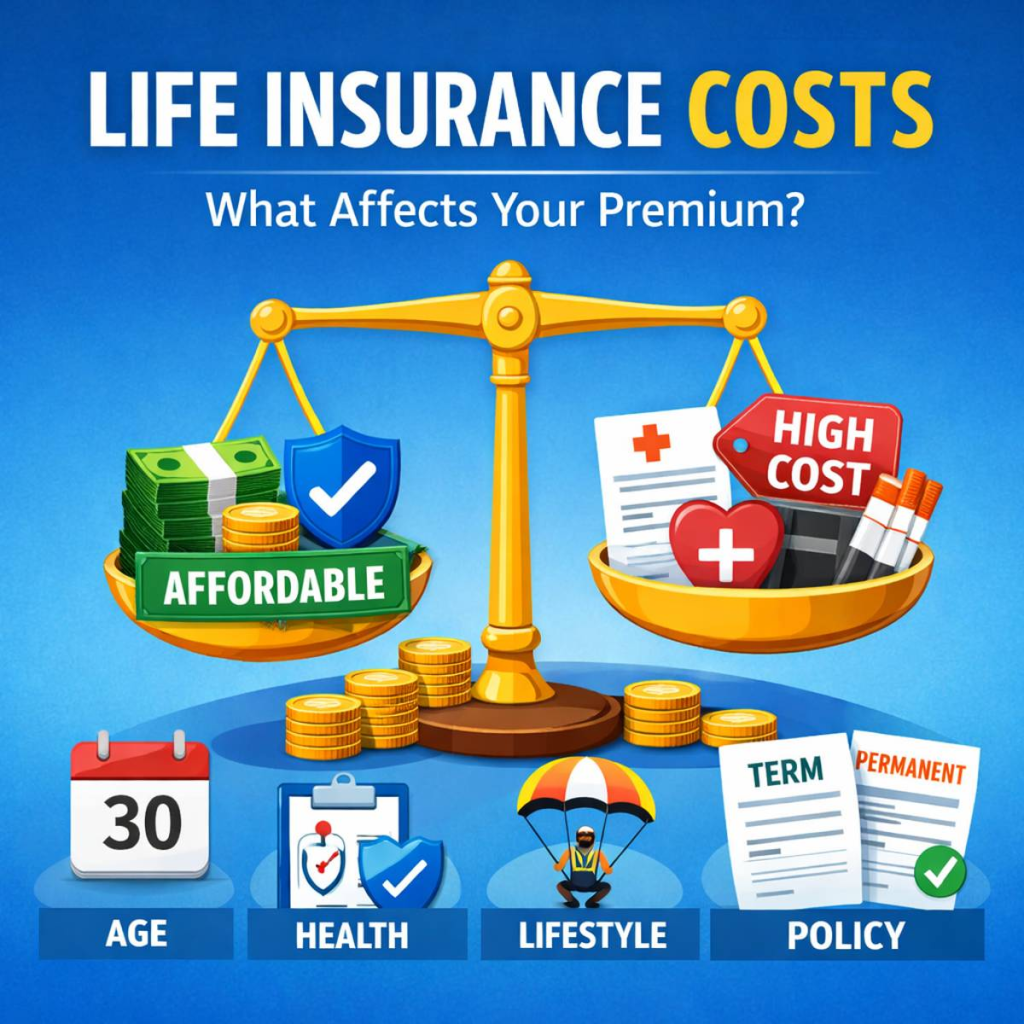
Insurance companies in Ontario utilize actuarial science to determine how much you pay. Understanding these inputs allows you to better manage your application and potentially lower your costs.
- Age: The younger you are when you apply, the lower your premiums. Insurers view younger applicants as lower risk, which is why financial advisors consistently recommend securing coverage as early as possible.
- Health Status: Your medical history is a critical component of underwriting. You will likely be asked to complete a health questionnaire, and depending on the coverage amount, you may need a paramedical exam involving blood work and vitals. Pre-existing conditions such as heart disease, diabetes, or high blood pressure will increase premiums.
- Tobacco and Nicotine Use: In Ontario, smokers pay significantly higher premiums than non-smokers. It is important to be honest on your application; if an insurer discovers that you misrepresented your smoking status during a claim investigation, they may deny the payout entirely.
- Lifestyle and Occupation: High-risk hobbies (such as rock climbing or skydiving) and dangerous occupations can lead to "rating" or surcharges on your policy.
- Gender: Historically, statistics show that women have a longer life expectancy than men, which often results in slightly lower premiums for female applicants for identical coverage amounts.
Strategies for Reducing Costs Without Sacrificing Coverage
If you are concerned about affordability, you do not have to settle for less protection. Instead, focus on these tactical adjustments:
1. Purchase Only What You Need
Avoid "over-insuring." Calculate your needs based on outstanding debt, funeral expenses, and income replacement requirements. If you have $400,000 in mortgage debt, a $2,000,000 policy is unnecessary and unnecessarily expensive.
2. Lock in Rates Early
Once you are approved for a term policy, the premium typically remains level for the duration of that term. By purchasing a 20-year term policy in your 30s, you lock in the lower rate of a healthy 30-year-old for the next two decades, protecting yourself against future health complications or age-related price hikes.
3. Choose Annual Payments
Many insurance carriers in Ontario offer a discount if you pay your premium annually rather than monthly. This eliminates the administrative costs and service fees that insurers often bundle into monthly billing cycles.
4. Comparison Shop
Insurance premiums can vary by hundreds of dollars per year for the same amount of coverage depending on the specific insurance company. Use an independent insurance broker rather than a captive agent. An independent broker has access to multiple carriers and can provide a side-by-side comparison of quotes, allowing you to identify the most competitive rate.
Comparison Table: Choosing Your Coverage Path
The following table summarizes the differences between policy types to help you decide which fits your financial situation in 2026.
| Feature | Term Life Insurance | Whole Life Insurance | Universal Life Insurance |
|---|---|---|---|
| Duration | Fixed (10–30 years) | Lifetime | Lifetime |
| Premium Cost | Low (Affordable) | High | Moderate to High |
| Cash Value | None | Yes (Guaranteed) | Yes (Variable) |
| Primary Intent | Income replacement | Estate/Legacy planning | Flexibility/Investment |
| Best For | Families/Debt coverage | Wealth transfer | Tax-advantaged growth |
The Application and Underwriting Process
The journey to an affordable policy in Ontario generally follows a standardized process. Knowing what to expect can reduce stress and ensure the process moves efficiently.
- Needs Assessment: Determine how much coverage is necessary. A common rule of thumb is 5 to 10 times your annual income, plus the total of your outstanding debts.
- Selection: Work with a broker to compare quotes from reputable Canadian insurers.
- Application: Complete the formal application. This is a legal document; ensuring total accuracy is vital.
- Medical Underwriting: The insurer assesses your risk. This may involve a simple phone interview or a full physical examination at your home or workplace.
- Policy Issue: Once approved, you review the terms, sign, and make the first payment to put the coverage in force.
Frequently Asked Questions (FAQ)
Is life insurance through my employer enough? Group insurance provided by employers is a great benefit, but it is often insufficient. It is usually tied to your employment; if you leave your job, you may lose the coverage. Furthermore, the benefit amount is often limited (e.g., 2x your salary), which may not cover all your family’s long-term financial needs.
Do I need a medical exam for "affordable" coverage? Not always. "No-medical" or "simplified issue" policies exist, but they are generally more expensive for the same amount of coverage compared to fully underwritten policies. If you are generally healthy, a traditional application that includes a medical exam is almost always the more cost-effective route.
Can I change my policy later if my financial situation improves? Yes. Many term policies contain a "conversion privilege." This allows you to convert your term policy into a permanent policy without needing a new medical exam, regardless of any health changes that may have occurred since you originally purchased the policy.
What happens if I stop paying my premiums? If you miss a premium payment, your policy will enter a "grace period," typically 30 days. If you do not pay by the end of this period, the policy will lapse, and your coverage will end. To reinstate a lapsed policy, you will likely have to re-apply and provide new evidence of insurability, which could result in higher premiums.
Are there tax advantages to life insurance in Ontario? Generally, the death benefit paid to your beneficiaries is tax-free in Canada. This makes life insurance a powerful tool for ensuring that your family receives the full value of the policy without the erosion of tax liabilities.
Professional Advice Disclaimer
The information provided here is for educational purposes only and does not constitute financial, legal, or tax advice. Insurance needs are highly personal and depend on your unique financial situation, dependents, and goals. Before purchasing any financial product, consult with a licensed insurance advisor or a certified financial planner to ensure the selected policy aligns with your specific needs and long-term financial strategy.
Next Steps for Securing Coverage
To begin, conduct a thorough audit of your financial obligations, including your mortgage, personal loans, and the anticipated costs of your children’s education. Once you have a clear picture of your financial requirements, reach out to an independent life insurance broker in Ontario. Ask them to provide a "market survey" showing quotes from at least three different high-rated carriers. By focusing on term insurance and maintaining a healthy lifestyle, you can secure the necessary coverage to protect your family while maintaining financial stability.