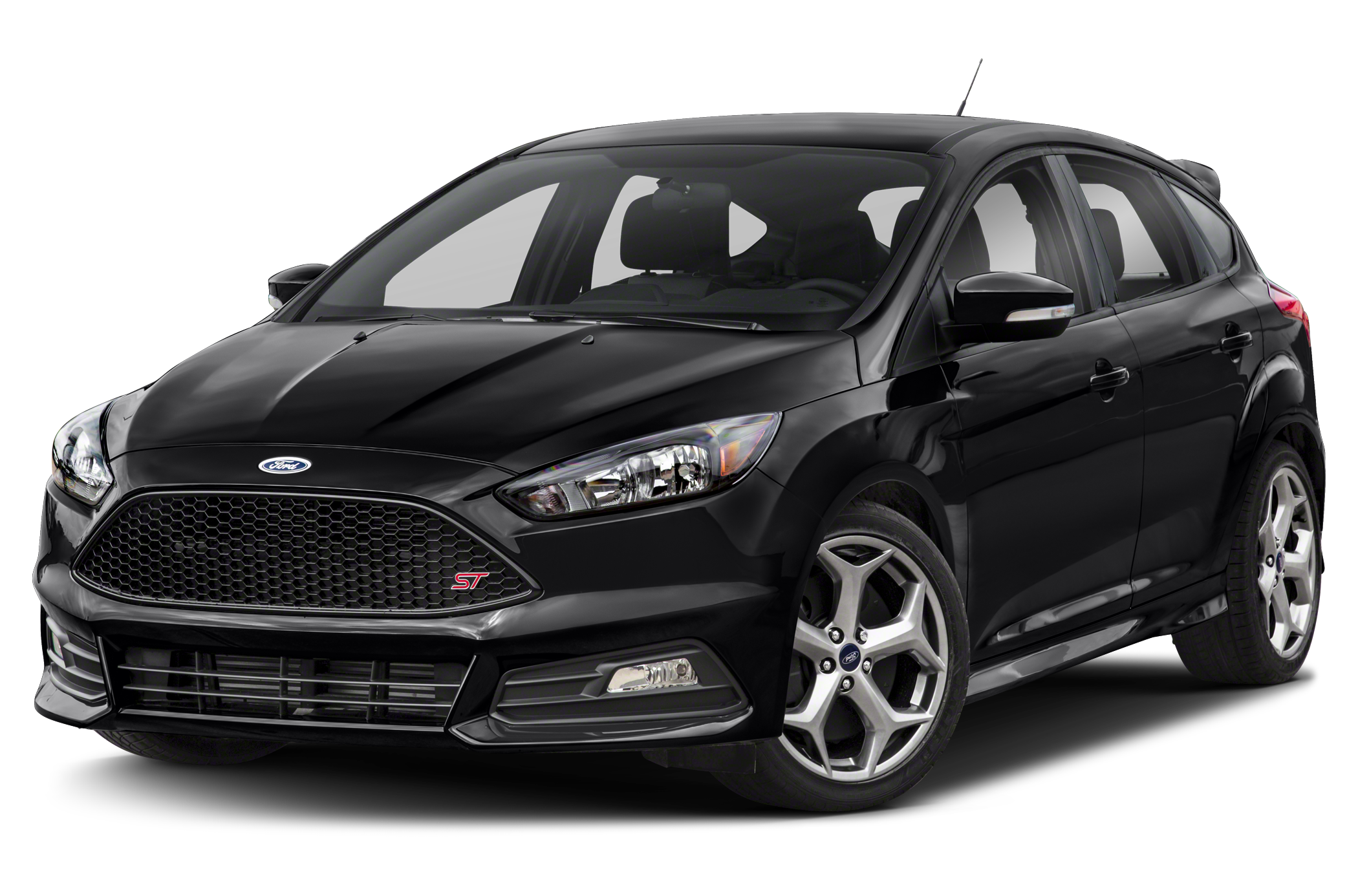
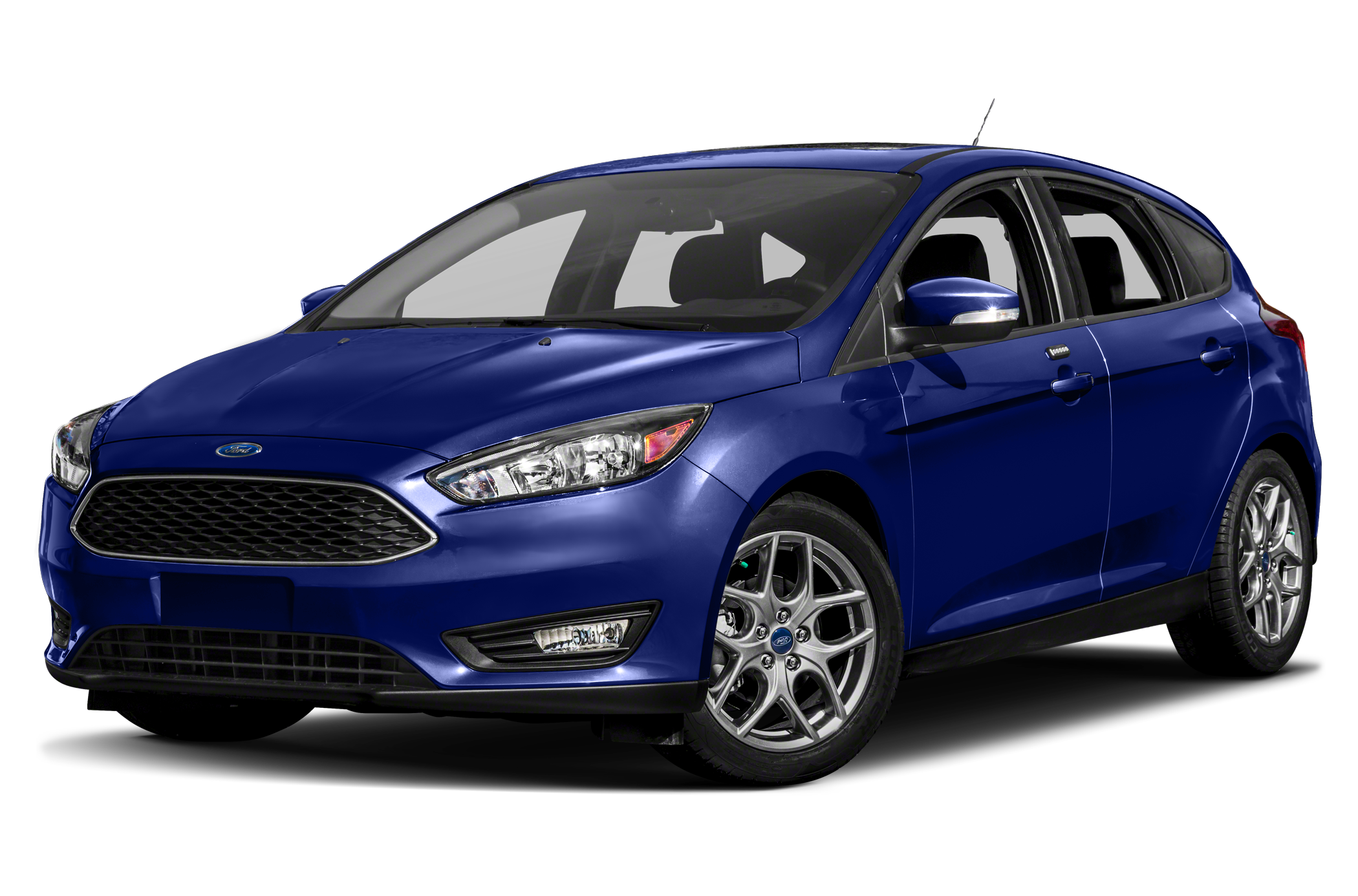
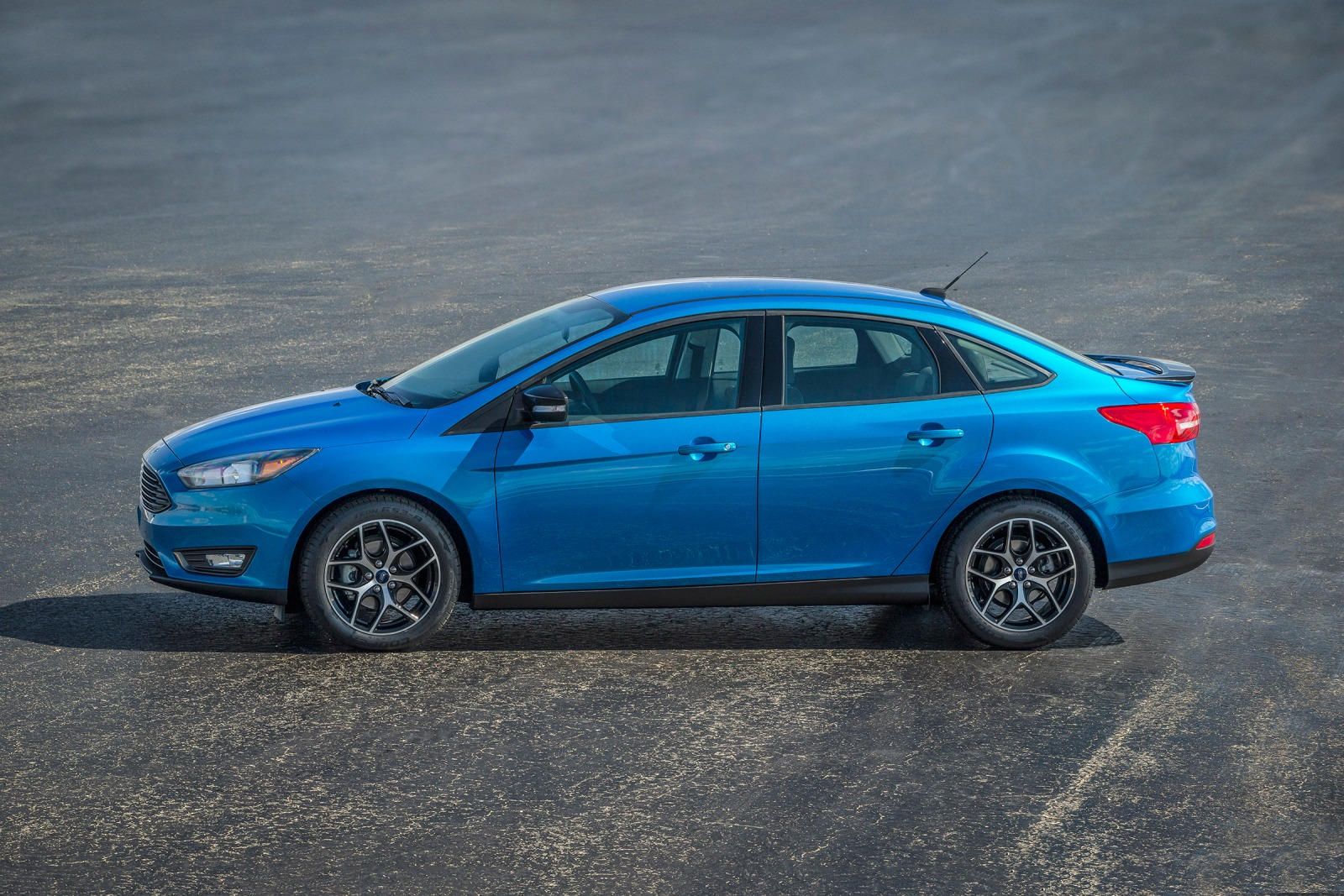
The 2018 Ford Focus sedan earned generally positive reviews for its sharp handling, comfortable ride, and upscale cabin materials, though critics frequently noted its cramped rear seat and the infamous reliability issues associated with its PowerShift dual-clutch automatic transmission. Understanding what automotive experts and long-term owners have to say about this model helps prospective buyers navigate its strengths and shortcomings in the used vehicle market.
Introduction to the 2018 Ford Focus Sedan
Evaluating the 2018 Ford Focus sedan requires looking back at a vehicle that represented the final phase of the third generation of Ford’s popular compact car line in North America. By 2018, the automotive landscape was shifting aggressively toward crossovers and SUVs, leading Ford to announce plans to phase out traditional passenger cars like the Focus. Despite this impending corporate shift, the 2018 model year arrived with a reputation for driving dynamics that outshined many of its contemporary competitors, such as the Toyota Corolla and Nissan Sentra.
Professional automotive journalists and everyday drivers approached the 2018 Ford Focus sedan with a mix of high praise and heavy caution. While the vehicle's driving position, steering responsiveness, and user-friendly technology systems drew consistent acclaim, the mechanical shadow of its automatic transmission plagued its review scores. This comprehensive review synthesizes expert consensus, owner feedback, and technical data to provide a clear picture of what the 2018 Ford Focus sedan offers.
Powertrain Options and Mechanical Specifications
The 2018 Ford Focus sedan primarily relies on a naturally aspirated 2.0-liter four-cylinder engine that generates 160 horsepower and 146 lb-ft of torque. This powerplant delivers adequate acceleration for urban commuting and highway merging, though it feels somewhat uninspired compared to turbocharged alternatives found in competitors like the Honda Civic or Volkswagen Jetta.
A notable alternative within the lineup is the available 1.0-liter EcoBoost turbocharged three-cylinder engine. Pumping out 123 horsepower and 125 lb-ft of torque, this diminutive engine surprises drivers with low-end punch and impressive fuel economy figures. However, it was typically paired exclusively with a six-speed manual transmission in later model years, limiting its appeal to buyers seeking an automatic.
Transmission Choices: The Manual and the Dual-Clutch Dilemma
Transmission selection dictates the ownership experience of the 2018 Ford Focus sedan more than any other factor:
- Five-Speed Manual: Available on base models, this transmission is praised for its light, precise action and mechanical reliability, making it the preferred choice for enthusiasts who want to avoid the automatic's mechanical troubles.
- Six-Speed PowerShift Dual-Clutch Automatic: This dry-clutch automatic transmission was designed to offer the efficiency of a manual with the convenience of an automatic. Unfortunately, it became the subject of widespread consumer complaints, class-action lawsuits, and extensive negative media coverage due to shuddering, premature clutch wear, and erratic shifting behavior.
Driving Dynamics and Ride Quality
Where automotive reviews consistently awarded the 2018 Ford Focus high marks was in its ride and handling balance. Ford engineered the global C-platform to punch above its weight class, delivering European-inspired driving characteristics that made the compact sedan feel planted and engaging on twisty backroads.
The electric power-assisted steering offers precise weight and good feedback, allowing the driver to place the car accurately through corners. Meanwhile, the independent control-blade rear suspension absorbs road imperfections effectively, striking a commendable balance between athletic handling and long-distance highway comfort. Wind and road noise are kept to acceptable levels for the compact class, making the cabin a reasonably quiet place for daily commuting.
Interior Comfort, Cabin Quality, and Technology
Stepping inside the 2018 Ford Focus sedan reveals a cockpit that feels more expensive than its price point suggests. Soft-touch materials adorn the dashboard and upper door panels, and the overall assembly quality holds up well over time.
However, packaging efficiency is a known weakness of this generation. Front-seat occupants enjoy ample legroom and supportive seats, but rear-seat passengers face a distinct shortage of legroom and knee clearance, trailing behind rivals like the Hyundai Elantra and Subaru Impriza. Trunk space stands at 13.2 cubic feet, which is adequate for grocery hauling and luggage, though the sedan body style inherently limits cargo-loading versatility compared to the hatchback variant.
Infotainment and Connectivity
Depending on the trim level—ranging from the base S, mid-tier SE, to the well-equipped SEL and Titanium—the Focus features different infotainment setups:
- S and SE Trims: Lower trims often feature a basic 4.2-inch central display or the rudimentary SYNC system, which lacks modern smartphone integration and relies heavily on physical buttons and small screens.
- SEL and Titanium Trims: These models feature the responsive SYNC 3 system housed in an 8-inch touchscreen. SYNC 3 earned praise in contemporary reviews for its clear graphics, fast processing speeds, and seamless integration of Apple CarPlay and Android Auto.
Fuel Economy and Efficiency Ratings
Fuel efficiency remains a major selling point for compact sedans, and the 2018 Ford Focus performs competitively in this metric when properly maintained.
| Powertrain Configuration | Transmission | EPA Fuel Economy Estimates (City / Highway / Combined) |
|---|---|---|
| 2.0L 4-Cylinder | 5-Speed Manual | 25 / 34 / 28 MPG |
| 2.0L 4-Cylinder | 6-Speed Automatic | 30 / 40 / 34 MPG |
| 1.0L EcoBoost 3-Cylinder | 6-Speed Manual | 30 / 40 / 34 MPG |
Real-world fuel economy figures reported by owners frequently align closely with these EPA estimates, making the car an economical choice for long-distance commuters, provided mechanical reliability issues are managed.
Safety Ratings and Driver-Assistance Features
Safety evaluations for the 2018 Ford Focus sedan from major testing authorities provided mixed reassurance. The National Highway Traffic Safety Administration (NHTSA) awarded the vehicle an overall five-star safety rating, highlighting its crashworthiness in frontal and side-impact scenarios. Conversely, the Insurance Institute for Highway Safety (IIHS) gave the car mixed results, noting a "Poor" rating in the small overlap front passenger-side test, which reflected the older structural design of the platform.
Standard safety equipment includes a rearview camera, dual-stage front airbags, front seat-mounted side airbags, and side-curtain airbags. Advanced driver-assistance systems (ADAS) such as blind-spot monitoring, rear cross-traffic alert, and lane-keeping assist were available as options or standard on upper trim levels, though they are less common on base fleet vehicles.
Reliability, Common Problems, and Maintenance Costs
For anyone reading reviews of the 2018 Ford Focus sedan, reliability discussions inevitably center on the PowerShift automatic transmission. Symptoms of failing transmissions include shuddering during acceleration, delayed engagement, slipping gears, and catastrophic clutch failure. While Ford extended warranties on certain transmission components, prospective used buyers must verify whether a specific vehicle has received necessary repairs, software updates, or clutch replacements.
Beyond the transmission, the 2.0-liter engine and basic chassis components are generally durable. Suspension bushings, wheel bearings, and standard electrical accessories require routine maintenance typical of any modern compact car. Owners should budget for pre-purchase inspections specifically targeting the transmission control module (TCM) and clutch packs before finalizing a purchase.
Pros and Cons Summarized
Weighing the advantages and disadvantages helps clarify whether the 2018 Ford Focus sedan fits specific driving needs and risk tolerances:
- Pros:
- Engaging, athletic handling and responsive steering.
- Quiet, upscale cabin materials on mid-to-high trims.
- Intuitive SYNC 3 infotainment system with Apple CarPlay and Android Auto.
- Strong EPA-estimated fuel economy across all engine options.
- Cons:
- Notorious reliability and operational issues with the PowerShift automatic transmission.
- Cramped rear-seat legroom compared to segment leaders.
- Mixed IIHS safety scores regarding small overlap crash structures.
- Depressed resale values driven by historical transmission concerns.
Frequently Asked Questions
Is the 2018 Ford Focus sedan a reliable car?
Reliability depends heavily on the transmission type. Manual transmission models boast average to above-average reliability, while automatic models with the PowerShift dual-clutch system have a well-documented history of mechanical failures, shuddering, and costly repairs.
Which engine is better in the 2018 Ford Focus?
The standard 2.0-liter engine offers a balanced mix of power and efficiency for daily driving. The 1.0-liter EcoBoost three-cylinder delivers exceptional fuel economy and surprising pep, but finding one paired with a manual transmission requires patience in the used market.
Does the 2018 Ford Focus have Apple CarPlay?
Yes, but only on models equipped with the 8-inch touchscreen running the SYNC 3 infotainment system, which is standard on SEL and Titanium trims and optional on the SE. Base S models and lower SE configurations lack this feature.
How does the Ford Focus compare to the Toyota Corolla or Honda Civic?
The Ford Focus handles significantly better than the Corolla and offers a more engaging drive. However, both the Corolla and Civic generally surpass the Focus in terms of long-term mechanical reliability, rear-seat passenger space, and overall resale value retention.
What should I check before buying a used 2018 Ford Focus automatic?
Always request complete service records to verify if the PowerShift transmission clutches, actuators, or Transmission Control Module (TCM) have been replaced or serviced under Ford recalls or extended warranty coverages. A thorough pre-purchase inspection by an independent mechanic is mandatory.
Final Recommendations for Buyers
Reviewing the 2018 Ford Focus sedan reveals a car of stark contrasts: it pairs genuine driving enjoyment and a refined cabin with a high-risk automatic transmission. For buyers willing to seek out a manual transmission model, or those who can confirm that an automatic version has received comprehensive transmission remediation, the car offers solid value and nimble road manners at an accessible price point. Anyone considering an automatic model should proceed with caution, secure a pre-purchase inspection, and budget for potential transmission maintenance.