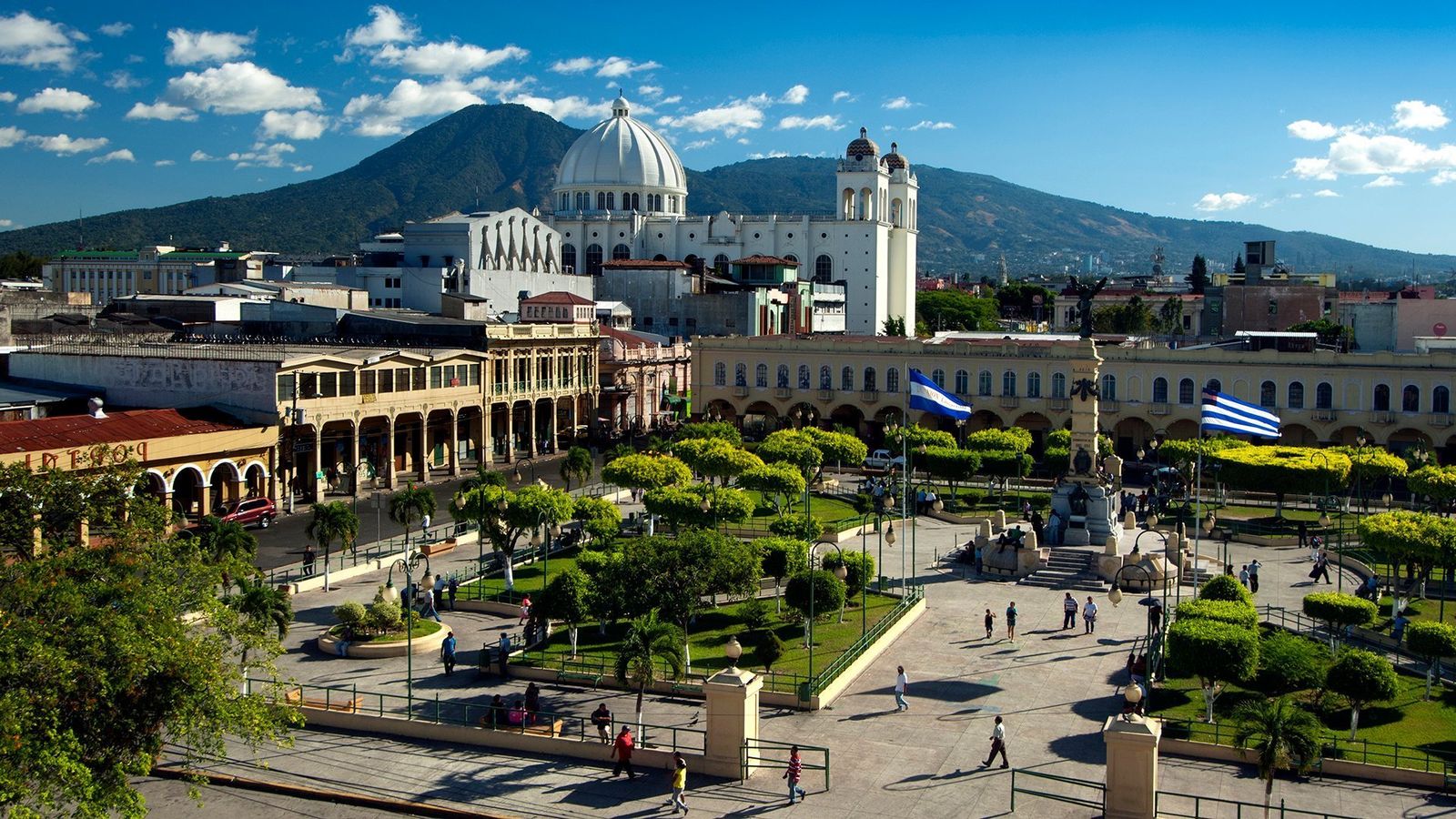
El Salvador, known as the "Land of Volcanoes," is the smallest and most densely populated country in Central America. Situated on the Pacific coast, it is a nation defined by its rugged landscape, significant historical developments, and a unique position as a pioneer in digital finance. Understanding these core aspects provides a window into the country’s modern trajectory and cultural identity.
1. Geography: The Land of Volcanoes
El Salvador is uniquely defined by its seismic and volcanic activity, which has shaped its topography over millennia. The country contains over 20 volcanoes, several of which remain active, such as the Santa Ana (Ilamatepec) Volcano, the San Miguel (Chaparrastique) Volcano, and Izalco, historically nicknamed the "Lighthouse of the Pacific" for its constant eruptions that served as a navigational aid for ships.
The volcanic soil, while posing risks, has historically provided fertile land for agriculture, specifically coffee cultivation. The central highlands are characterized by a series of volcanic ranges that influence the country's climate, creating distinct micro-climates that support diverse flora and fauna. Residents and visitors alike must be aware of seismic preparedness, as the region remains tectonically active.
2. A Pioneer in Cryptocurrency Legislation
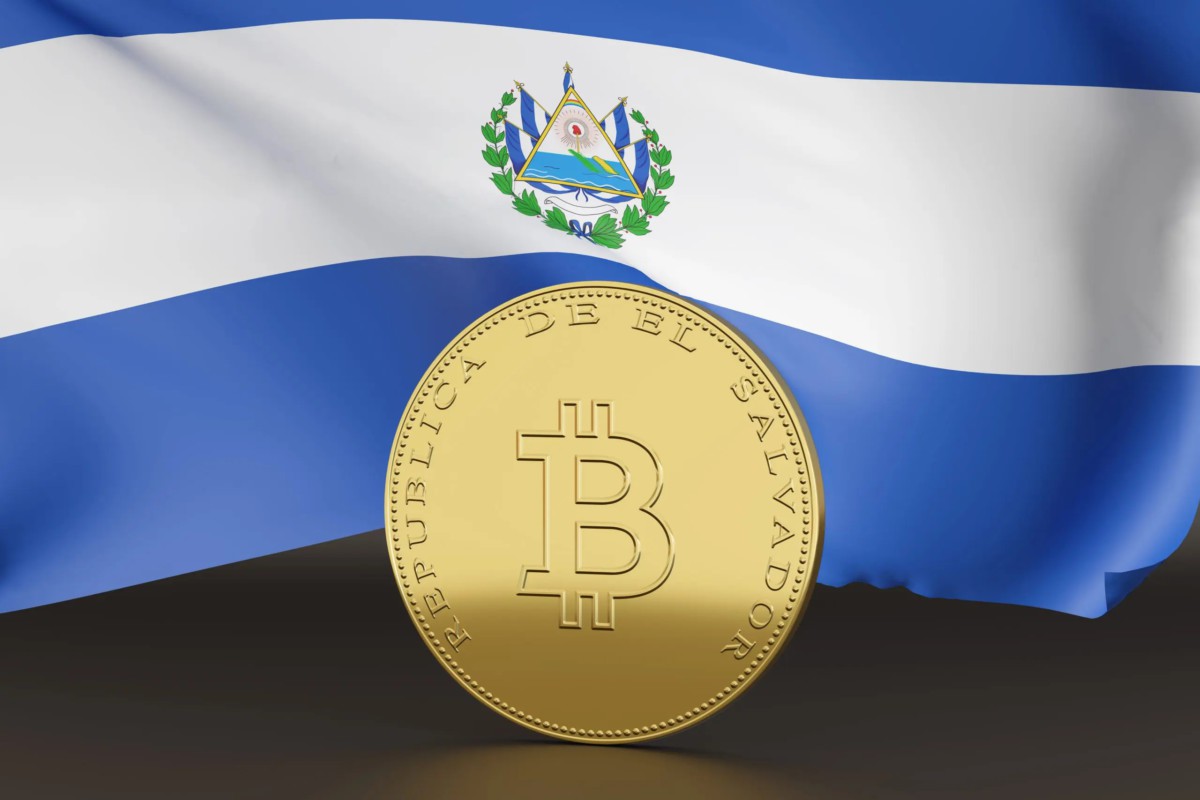
In September 2021, El Salvador became the first country in the world to adopt Bitcoin as legal tender, alongside the United States Dollar. This decision, mandated by the Bitcoin Law, required businesses to accept the cryptocurrency as a medium of exchange for goods and services, provided they have the technical capability to do so.
The move was intended to facilitate remittances—funds sent by Salvadorans living abroad to their families—which constitute a significant percentage of the nation's GDP. By using digital wallets like the government-issued Chivo wallet or private alternatives, the state aimed to reduce transaction fees and increase financial inclusion for the unbanked population. As of 2026, the integration of Bitcoin continues to be a central point of study regarding national digital economic policy and financial infrastructure.
3. Historical Significance of the Pipil and Lenca Cultures
Before Spanish colonization, the region was inhabited by indigenous groups, most notably the Pipil and Lenca. The Pipil, an ethnic group of Nahua descent, migrated from Mexico and established the kingdom of Cuzcatlán, which spanned a large portion of the current Salvadoran territory.
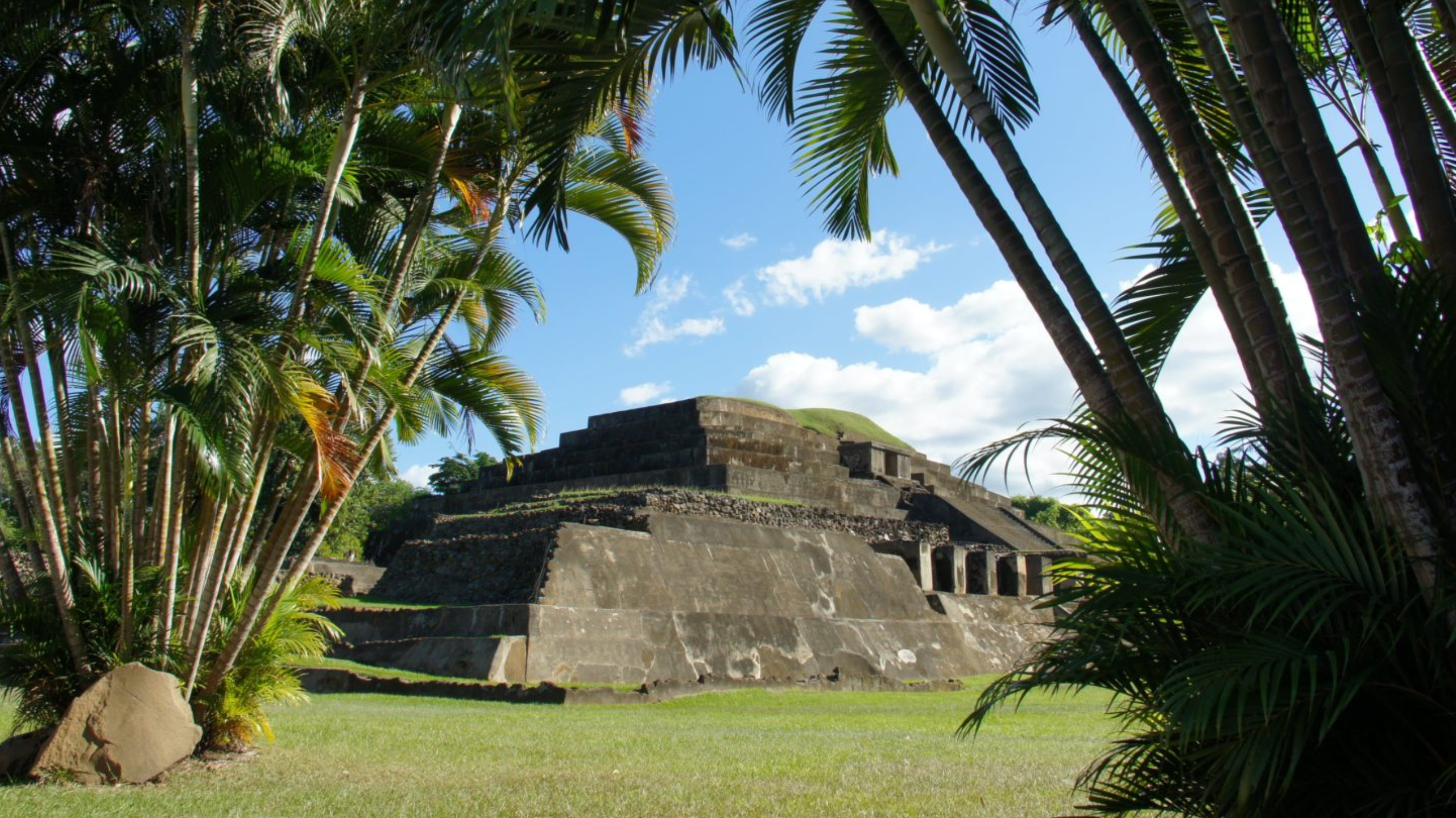
These cultures left behind a rich archaeological heritage. Sites like Joya de Cerén, often referred to as the "Pompeii of the Americas," provide evidence of daily life during the Classic period. Buried by a volcanic eruption around 600 AD, this UNESCO World Heritage site offers unparalleled insight into the social, agricultural, and domestic structures of pre-Columbian agricultural villages, allowing researchers to study organic materials that are rarely preserved in other archaeological contexts.
4. Economy and the US Dollarization
El Salvador transitioned to the United States Dollar as its primary currency in 2001 under the Ley de Integración Monetaria. This move aimed to stabilize the economy, curb hyperinflation, and attract foreign investment by eliminating exchange rate volatility.
While dollarization succeeded in lowering interest rates and providing monetary stability, it also removed the Central Bank’s ability to conduct independent monetary policy. Today, the economy relies on a mix of traditional agricultural exports—such as coffee, sugar, and textiles—and the significant influx of remittances from the Salvadoran diaspora, primarily located in the United States. This economic structure necessitates careful management of fiscal deficits and public debt.
5. Biodiversity and Protected Areas
Despite being the most densely populated nation in Central America, El Salvador maintains a commitment to preserving its natural heritage. The country features several national parks that protect cloud forests, mangrove systems, and coastal marine environments.
The El Imposible National Park is perhaps the most significant, serving as a critical refuge for biodiversity. It protects endangered species, including the spider monkey and various species of wild cats. Furthermore, the mangrove forests along the coast are vital for coastal protection and the lifecycle of numerous marine species. Environmental efforts in 2026 continue to focus on reforestation and the management of water resources, which are essential for both domestic consumption and the agricultural sector.
6. Culinary Traditions: The Pupusa
The pupusa is the definitive dish of El Salvador and serves as a major component of its cultural soft power. These thick, handmade corn or rice tortillas are stuffed with various fillings, most commonly quesillo (a mild, white cheese), chicharrón (ground pork), or frijoles refritos (refried beans).
Pupusas are traditionally served with curtido—a lightly fermented cabbage slaw—and a mild tomato salsa. The dish is so central to Salvadoran identity that the government officially designated the second Sunday of November as National Pupusa Day. Every year, festivals across the country celebrate this culinary staple, which reflects the agricultural history of the region through its reliance on corn as a primary base.
7. Strategic Location and Pacific Coastline
El Salvador is the only country in Central America that does not have a coastline on the Caribbean Sea. It is bounded entirely by the Pacific Ocean to the south, Guatemala to the northwest, and Honduras to the northeast.
This geography has historically shaped its trade routes and international relations. The coastal region is a major draw for tourism, particularly for surfers and beachgoers. Regions such as La Libertad and El Tunco are world-renowned for their consistent waves, attracting international surfing competitions. The development of the "Surf City" infrastructure project has been a primary strategy for the government to diversify the economy through international tourism, emphasizing the nation's high-quality maritime geography.
8. Demographic Profile and the Diaspora
The demographic makeup of El Salvador is predominantly mestizo (a blend of European and indigenous descent), with smaller percentages of indigenous and white populations. A defining feature of the modern Salvadoran experience is the size of the diaspora.
It is estimated that nearly one-third of all Salvadorans live outside the country, with the vast majority residing in the United States. This migration history has created a "transnational" culture, where families, language, and economic patterns flow across borders. The influence of the diaspora is felt in everything from local infrastructure, which is often supported by remittances, to the adoption of global cultural trends within the country.
9. Education and Literacy Trends
Over the past two decades, El Salvador has focused heavily on improving its national education system. Historically, literacy rates varied significantly between urban and rural areas, but the implementation of national programs has narrowed this gap.
In recent years, the emphasis has shifted toward digital literacy and the integration of technology in classrooms. Programs providing tablets and laptops to students in public schools are aimed at preparing the youth for the modern digital economy. However, challenges remain regarding infrastructure in remote mountainous regions, and the government continues to prioritize resource allocation to ensure equitable access to educational resources across all departments of the country.
10. Governance and Administrative Divisions
El Salvador is a representative democratic republic divided into 14 departments, which are further subdivided into municipalities. The executive branch is led by a President, who serves a single five-year term (though current constitutional interpretations in 2026 have allowed for consecutive candidacies).
The legislative assembly, consisting of 60 deputies, plays a critical role in passing laws and overseeing the national budget. The administrative structure is currently undergoing reforms to consolidate smaller municipalities into larger districts, aimed at increasing administrative efficiency and streamlining the delivery of public services, such as water, waste management, and emergency response.
Comparison of Key National Statistics (2026 Estimates)
| Indicator | Approximate Data/Status |
|---|---|
| Capital City | San Salvador |
| Primary Currency | US Dollar / Bitcoin |
| Official Language | Spanish |
| Population Density | High (Approx. 300+ people/km²) |
| Primary Exports | Coffee, Sugar, Textiles, Electricity |
| Major Climate Type | Tropical (Wet and Dry seasons) |
Frequently Asked Questions (FAQ)
Is it safe to travel to El Salvador in 2026? Safety in El Salvador has seen significant shifts due to recent state policies. Travelers are advised to consult the latest travel advisories issued by their home countries' foreign ministries before planning a trip. While tourism infrastructure is expanding, it is always best to stick to established tourist corridors and follow local guidance regarding safe transit times.
Do I need a visa to visit El Salvador? Visa requirements depend on your nationality. Many citizens from North America and the European Union do not require a visa for short-term tourism, though they may be required to purchase a tourist card upon arrival. Always verify your specific requirements with the nearest Salvadoran consulate or the official immigration portal before travel.
How is Bitcoin used in daily life in El Salvador? Bitcoin is used primarily through digital wallet applications. While many large retailers and some government services accept it, the US Dollar remains the most common currency for day-to-day transactions. In urban centers and tourist areas, adoption is higher compared to remote rural villages.
What is the best time of year to visit? The "dry season," occurring between November and April, is generally considered the best time for tourism. This period offers the most consistent weather for outdoor activities, surfing, and exploring the volcanic hiking trails.
Next Steps for Research
If you are planning to travel to or invest in El Salvador, the most effective next step is to consult the official websites of the Ministry of Tourism (MITUR) and the Ministry of Foreign Affairs. These sources provide the most accurate, real-time information regarding entry requirements, investment regulations, and safety guidelines for the current year.