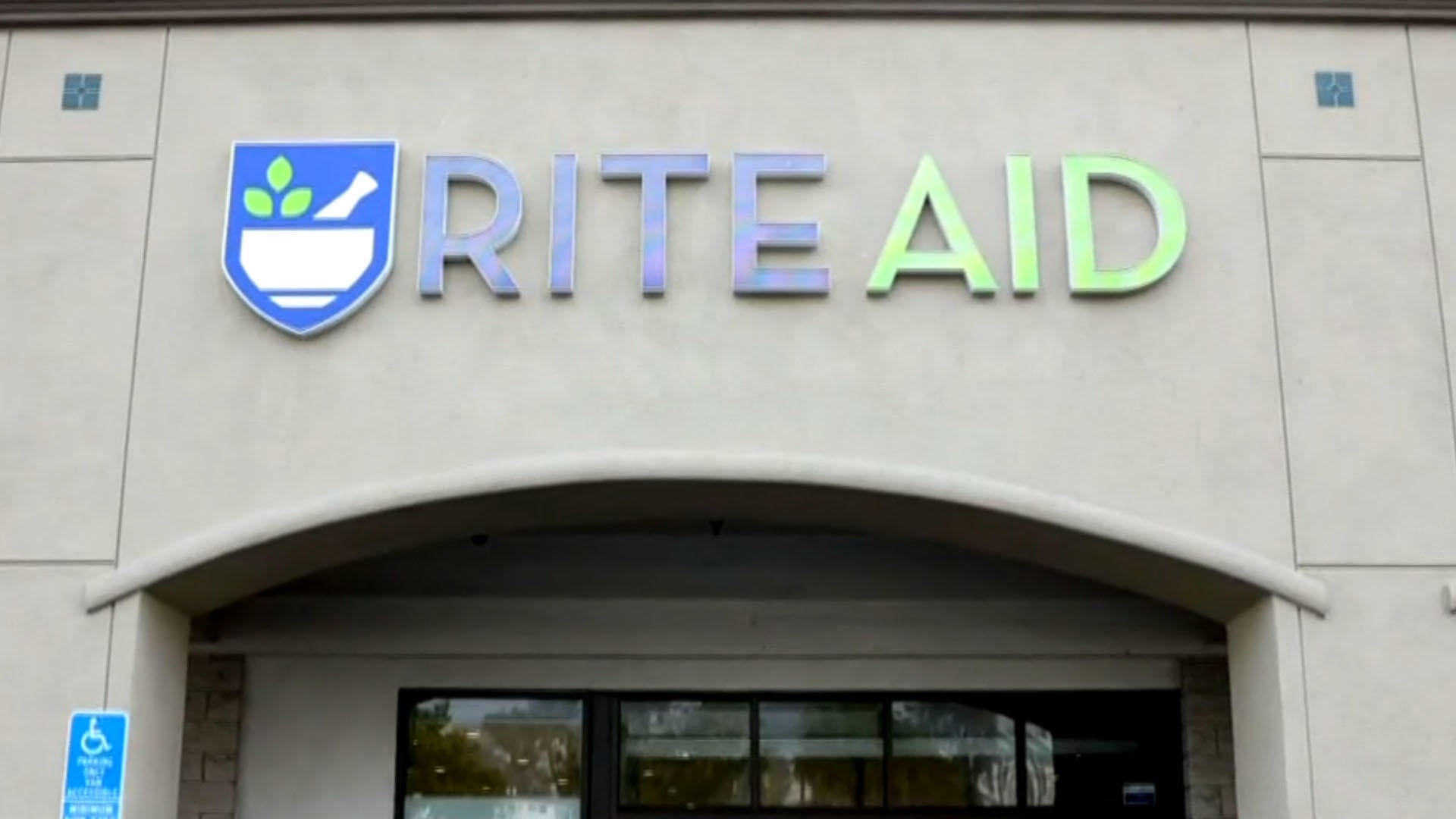
Yes, Rite Aid stores remain open and operational. Although the retail pharmacy chain closed hundreds of underperforming locations during its Chapter 11 bankruptcy restructuring, Rite Aid successfully emerged from bankruptcy as a private company. It continues to operate a restructured network of physical retail stores and pharmacy locations across key regional markets.
Current Operational Status: Are Rite Aid Stores Still Open?
The short answer is yes, Rite Aid is still in business and operating retail pharmacy locations. However, the total number of open stores is substantially smaller than it was prior to the company's financial restructuring. Consumers who rely on Rite Aid for prescription fills, over-the-counter medications, and everyday retail goods will find that while many legacy neighborhood branches have shut down permanently, hundreds of core locations remain open across specific geographic corridors.
Following its multi-year reorganization under federal bankruptcy protection, Rite Aid shifted its corporate focus toward optimizing its highest-performing retail sites, streamlining supply chain logistics, and maintaining strong regional retail density. Rather than liquidating completely—as occurred with some other national retail brands—Rite Aid reorganized its operational framework. As a result, active Rite Aid storefronts continue to offer full-service pharmacy care, drive-thru prescription pickup, clinical services such as immunizations, and standard retail merchandising.
For long-time customers, navigating this shift requires understanding that store availability now varies widely depending on your state and municipality. In areas where Rite Aid possessed high store density, the company often consolidated operations into a single centralized hub store while closing peripheral neighborhood branches. In other markets, Rite Aid exited entire metro areas completely, selling off prescription files to competing pharmacy networks.
The Financial Restructuring: Why Did So Many Rite Aid Stores Close?
To understand why your local store may have closed while others remain open, it helps to examine the timeline and economic factors behind Rite Aid’s Chapter 11 bankruptcy filing and subsequent emergence.
| Date | Rite Aid Restructuring Timeline |
|---|---|
| October 2023 | Voluntary Chapter 11 Filing (Initiated store closures) |
| 2023 - 2024 | Portfolio Optimization (Closed 500+ underperforming sites) |
| September 2024 | Emergence from Chapter 11 (Private entity, $2B debt cleared) |
| 2025 - Present | Streamlined Operations (Focus on core Mid-Atlantic & West Coast) |
The Drivers of Restructuring
Rite Aid’s financial challenges accumulated over several years due to a combination of market pressures and legal liabilities:
- Opioid Litigation Liabilities: Like major competitors in the retail pharmacy sector, Rite Aid faced substantial legal claims and financial liabilities related to the dispensing of prescription opioids. Entering Chapter 11 protection allowed the company to resolve these toxic liabilities within a legally structured framework.
- High Debt Burden: The company had accumulated significant debt from historical acquisitions—most notably its purchase of the Brooks and Eckerd drugstore chains in the 2000s—which limited its operational flexibility.
- Reimbursement Rate Pressures: Pharmacy benefit managers (PBMs) drastically reduced reimbursement rates for generic and brand-name prescription drugs, eroding retail pharmacy gross margins across the sector.
- Heightened Competition: The rapid growth of big-box retail pharmacies (such as Walmart and Target), giant supermarket chains, and online mail-order services created intense pressure on traditional standalone drugstores.
Emergence from Chapter 11
In October 2023, Rite Aid voluntarily filed for Chapter 11 bankruptcy protection in the U.S. Bankruptcy Court for the District of New Jersey. Throughout the court-supervised process in 2023 and 2024, Rite Aid evaluated its real estate portfolio lease by lease. Stores that generated negative cash flow, sat in immediate proximity to another profitable location, or faced unsustainable lease costs were designated for closure.
By September 2024, Rite Aid announced its successful emergence from Chapter 11 bankruptcy. The restructuring eliminated approximately $2 billion in debt, transferred equity ownership to a group of senior lenders, and provided fresh capital financing to support ongoing operations. Today, Rite Aid operates as a privately held enterprise focused on core regional markets rather than maintaining a coast-to-coast footprint.
Regional Breakdown: Where Rite Aid Stores Remain Operational
Rite Aid’s physical store presence is no longer evenly distributed across the United States. During its lease optimization process, the company concentrated its remaining physical network in specific core regions where it maintains brand equity, strong customer loyalty, and efficient distribution networks.
- Rite Aid Core Regional Footprint
- Mid-Atlantic Corridor
- Pennsylvania (HQs / Core)
- New York & New Jersey
- Maryland & Delaware
- Pacific Northwest & West
- California (Select Clusters)
- Washington State
- Oregon
- Mid-Atlantic Corridor
1. Mid-Atlantic Region (Primary Footprint)
The Mid-Atlantic represents Rite Aid's traditional home base, anchored by its historic headquarters in Pennsylvania. The company retains a substantial presence across:
- Pennsylvania: Remains one of Rite Aid’s largest physical markets, with numerous locations operating across Philadelphia, Pittsburgh, Harrisburg, and rural counties.
- New York: Active stores remain operational across Upstate New York, western regions (such as Buffalo and Rochester), and select parts of the New York City metropolitan area.
- New Jersey: Store clusters remain active in northern, central, and shore regions, though several underperforming locations were closed during restructuring.
- Maryland and Delaware: Key suburban and urban locations remain open to service regional pharmacy customers.
2. Pacific Northwest and West Coast
Rite Aid maintained a significant portion of its western retail network, particularly locations acquired through its historical merger with PayLess Drug Stores:
- California: While Rite Aid shut down dozens of California stores during bankruptcy proceedings, a notable network of locations continues to operate across major metro areas, including Southern California and the Central Valley.
- Washington State: A solid density of stores remains open in the Puget Sound area, Seattle-Tacoma metro region, and Eastern Washington.
- Oregon: Store footprints remain active in Portland, Eugene, and surrounding suburban areas.
3. Midwest Region
- Ohio and Michigan: Rite Aid continues to operate select stores across Ohio and Michigan, though these states experienced severe branch pruning to eliminate overlapping service areas.
Markets with Major Exits
In contrast, Rite Aid largely or completely withdrew from several southern and sunbelt states over successive corporate transitions, transferring patient prescription files to localized competitors. If you reside in states where Rite Aid historically had minimal density, your local branch has likely been closed or converted.
How to Verify If Your Local Rite Aid Store Is Open
Because store closures occurred in multiple waves during the restructuring process, relying on memory or outdated street signages can lead to wasted trips. Follow these practical steps to confirm whether a specific Rite Aid store is open today.
Step 1: Use the Official Store Locator
The most reliable source for store status is the official online locator tool provided directly by the company. Third-party directories often suffer from delayed updating cycles.
- Navigate to the official Rite Aid website (riteaid.com).
- Enter your ZIP code, city, or current street address into the search field.
- Filter results by active services, such as 24-Hour Pharmacy, Drive-Thru, or Vaccine Clinic.
- If a store appears with active operational hours, it is confirmed open. If a store has shut down, it will no longer display in the active directory, or it will be flagged as permanently closed.
Step 2: Call the Pharmacy Direct Line
Before traveling to a location for prescription pickup or urgent medical supplies, place a quick call to the store phone number listed on your prescription bottle or the online locator.
- Active Store: You will reach the automated interactive voice response (IVR) menu system, allowing you to check store hours or connect directly to the staff pharmacist.
- Closed Store: Calls to permanently closed locations typically redirect to an automated recording detailing which nearby store (or partner pharmacy) has assumed management of your prescription records.
Step 3: Check Third-Party Mapping Caution
Tools like Google Maps, Apple Maps, and Yelp strive to maintain accurate business profiles, but commercial mapping databases frequently lag behind fast-paced corporate retail restructurings. Always cross-reference a map pin with the official Rite Aid locator or a direct phone call before traveling.
Managing Your Prescriptions After a Rite Aid Closure
When a Rite Aid store closes, patient care continuity is protected under state pharmacy board regulations. Pharmacists cannot simply abandon patient medical files; strict protocols govern how records and active refills are transitioned.
- Store Closure Event
- Automatic Transfer
- Files sent to nearest Rite Aid OR designated buyer (CVS/Walgreens)
- No action required for basic refills
- Patient-Initiated Transfer
- Contact preferred new pharmacy
- Provide Rx number & old store info
- New pharmacy completes transfer
- Automatic Transfer
Automatic File Transfers
In most closure scenarios, Rite Aid executes one of two record-transfer procedures:
- Transfer to a Nearby Rite Aid: If another Rite Aid store operates within reasonable driving distance, all active prescription files, refill balances, and patient profiles are automatically migrated to that remaining location.
- Asset Sale to a Competitor: In locations where Rite Aid completely exited a market, the company frequently sold its customer prescription databases to competing pharmacy chains such as CVS, Walgreens, or regional supermarket pharmacies. In these cases, your records were automatically transferred to the purchasing retail pharmacy located closest to the closed store.
How to Request a Manual Transfer to Your Preferred Pharmacy
If your local Rite Aid closed and your records were moved to a store or chain that is inconvenient for you, you retain full freedom of choice regarding where your prescriptions are filled. You are never obligated to stay with the automatically assigned pharmacy.
To move your prescriptions to a different pharmacy:
- Select Your New Pharmacy: Choose a convenient alternative, such as a local independent pharmacy, a big-box retailer (Walmart, Costco), or another national chain.
- Contact the New Pharmacy: Call or visit the new location in person. Bring your current medication bottles or prescription details.
- Provide Transfer Details: Give the pharmacist the name and phone number of the store currently holding your records (the closed store's buyer or the remaining Rite Aid), along with your drug name and prescription (Rx) number.
- Allow Processing Time: The new pharmacy will contact the holding pharmacy directly via phone or digital transfer network to transfer your remaining valid refills. This process typically takes between 2 to 24 hours depending on workload.
Important Regulatory Note on Controlled Substances: Federal laws administered by the Drug Enforcement Administration (DEA) impose strict controls on prescription transfers. Schedule II controlled substances (such as certain pain medications or ADHD treatments) cannot be transferred between pharmacies; they require a brand-new electronic prescription issued directly by your prescribing healthcare provider. Schedule III, IV, and V prescriptions generally permit a one-time transfer between pharmacies unless state regulations impose stricter limits.
Comparison: Rite Aid vs. Alternative Pharmacy Networks
If your local Rite Aid store has closed or you are deciding whether to maintain your account with a remaining location, evaluate how Rite Aid compares to alternative retail and digital pharmacy options:
| Pharmacy Network | Physical Footprint Status | Prescription Transfer Process | App & Digital Refills | Key Operational Advantages |
|---|---|---|---|---|
| Rite Aid | Streamlined post-bankruptcy footprint; concentrated in Mid-Atlantic & West Coast. | Automatic to nearest branch/buyer; standard manual request to transfer out. | Full-featured app for refill tracking, auto-refills, and rewards tracking. | Strong local brand loyalty, integrated clinical immunizations, drive-thru access. |
| Walgreens | Extensive national network; ongoing footprint adjustments across select markets. | Fast electronic intake from external pharmacies. | Industry-leading mobile app with digital pickup and prescription integration. | 24-hour location availability in major metropolitan centers. |
| CVS Pharmacy | Nationwide presence inside standalone stores and Target locations. | Seamless transfer system; frequently acquires patient records from closed chains. | Integrated with ExtraCare rewards and MinuteClinic scheduling. | High convenience due to broad geographic density and Target partnerships. |
| Walmart Pharmacy | Nationwide presence within big-box supercenters. | Direct phone or digital transfer request via Walmart app. | Centralized digital portal with low-cost generic pricing lists. | Competitive cash pricing for un-insured or under-insured medications. |
| Mail-Order / Digital | No physical retail branches; home delivery nationwide. | Digital transfer initiated online or via physician e-prescribing. | Fully digital dashboard, text reminders, and automatic recurring shipments. | Maximum convenience for routine chronic medication maintenance. |
Frequently Asked Questions
Is Rite Aid going out of business completely?
No, Rite Aid is not going out of business completely. The company successfully completed its Chapter 11 financial restructuring in late 2024, emerging as a private corporation with significantly reduced debt. While it closed hundreds of unprofitable locations, it continues to operate hundreds of full-service retail stores and pharmacies across its primary markets.
What should I do if my local Rite Aid suddenly closed with my active prescription inside?
If your local store closed, your active prescription files were not lost. They were automatically transferred to either a nearby open Rite Aid location or a designated purchasing pharmacy (such as Walgreens or CVS). Call your closed store's phone number to hear an automated message directing you to the location holding your records, or contact a new pharmacy of your choice to request a file transfer.
Can I still use my Rite Aid Rewards program at remaining open stores?
Yes, the Rite Aid Rewards program remains active and operational at all open Rite Aid store locations and through the official mobile app. Members continue to earn points on qualifying front-of-store purchases and eligible pharmacy transactions where permitted by state law.
How do I know if my prescription was transferred to CVS or Walgreens?
When Rite Aid sells prescription files from a closing store to a competitor, both Rite Aid and the acquiring pharmacy typically send notification letters or automated phone/SMS alerts to impacted patients. Additionally, calling your original Rite Aid store’s phone number will provide an automated message naming the specific external pharmacy that acquired the store's records.
Are Rite Aid's online delivery and digital pharmacy services still working?
Yes, Rite Aid's digital pharmacy portal and mobile application remain operational for customers who utilize active, open stores. You can manage prescription refills, schedule home delivery (where local store delivery services operate), set up medication reminders, and schedule vaccine appointments online.
Practical Next Steps for Customers
If you currently rely on Rite Aid for your healthcare and prescription needs, follow these steps to ensure continuous access to your medications:
- Verify Your Local Store Status: Visit riteaid.com/locations to confirm that your primary neighborhood store remains on the active location list.
- Save Your Store's Direct Phone Number: Store the direct phone number for your local pharmacy staff in your mobile device for quick verification of hours and refill statuses.
- Update Contact Preferences: Ensure your phone number, email address, and home address are up to date in your online Rite Aid account so you receive timely notifications regarding any future operational adjustments.
- Establish a Back-Up Plan: If your nearest open Rite Aid is now significantly further away due to regional branch consolidations, evaluate nearby alternative retail pharmacies or discuss mail-order options with your health insurance provider to avoid interruption in your medication regimen.