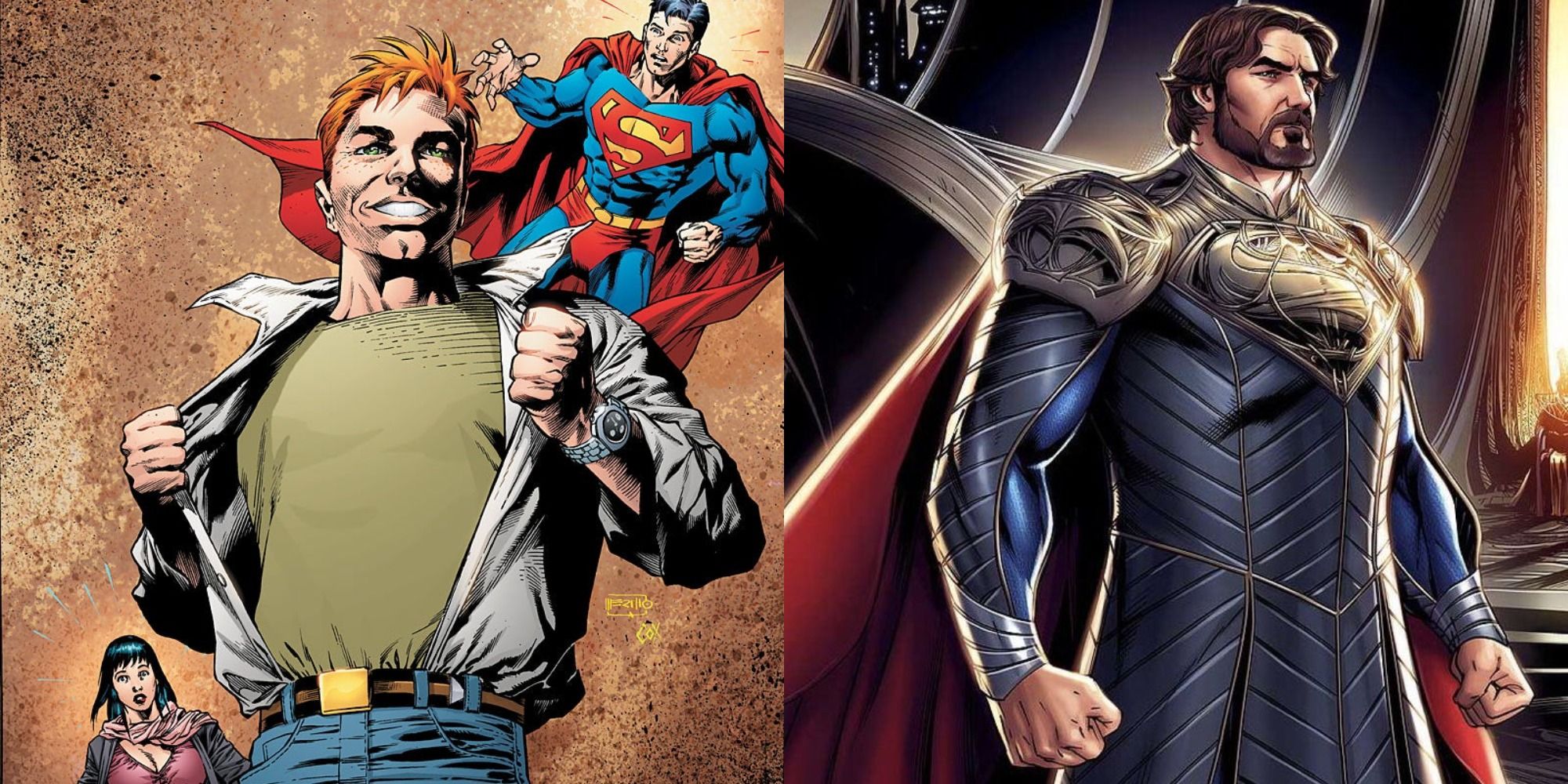
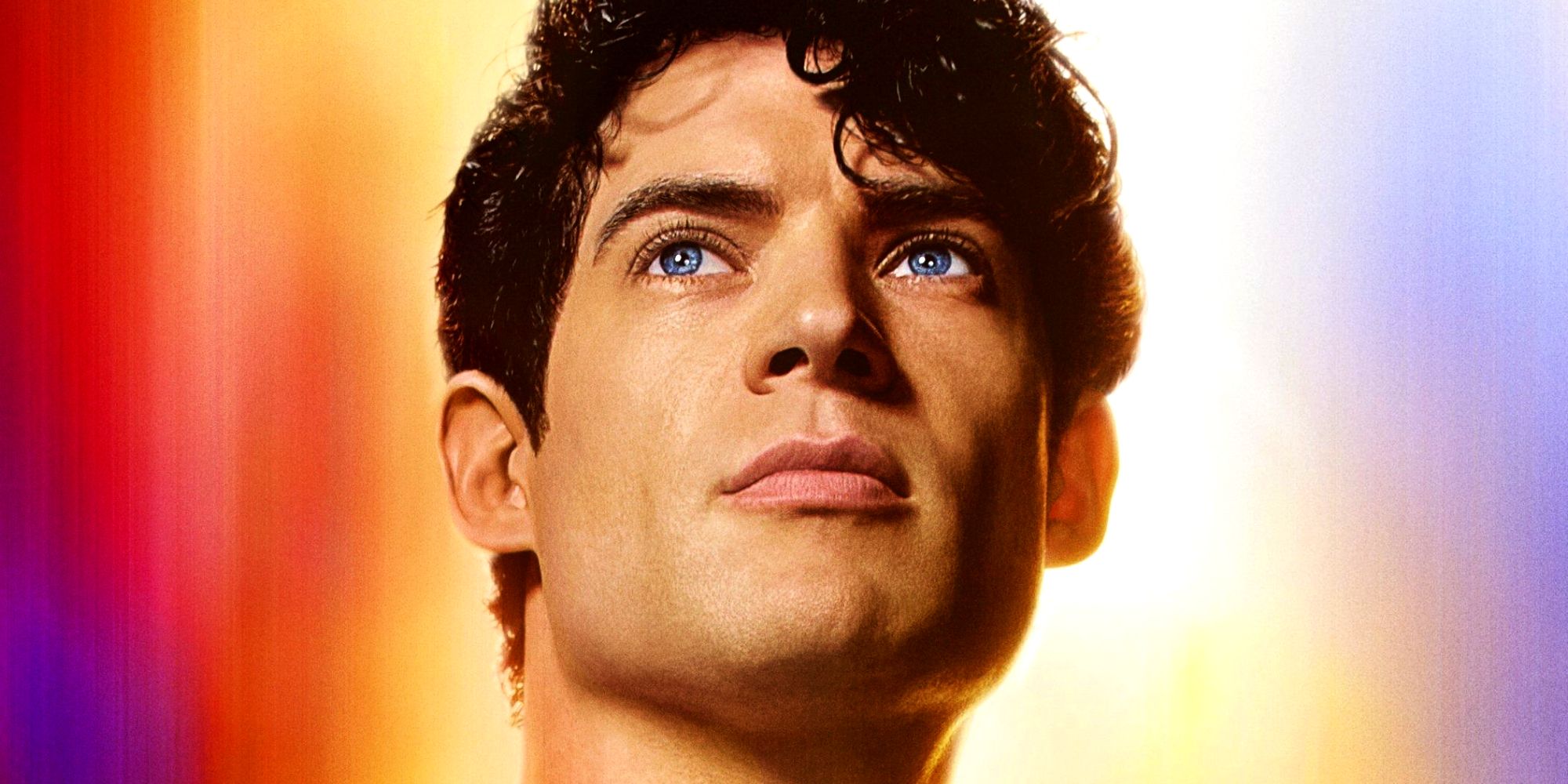
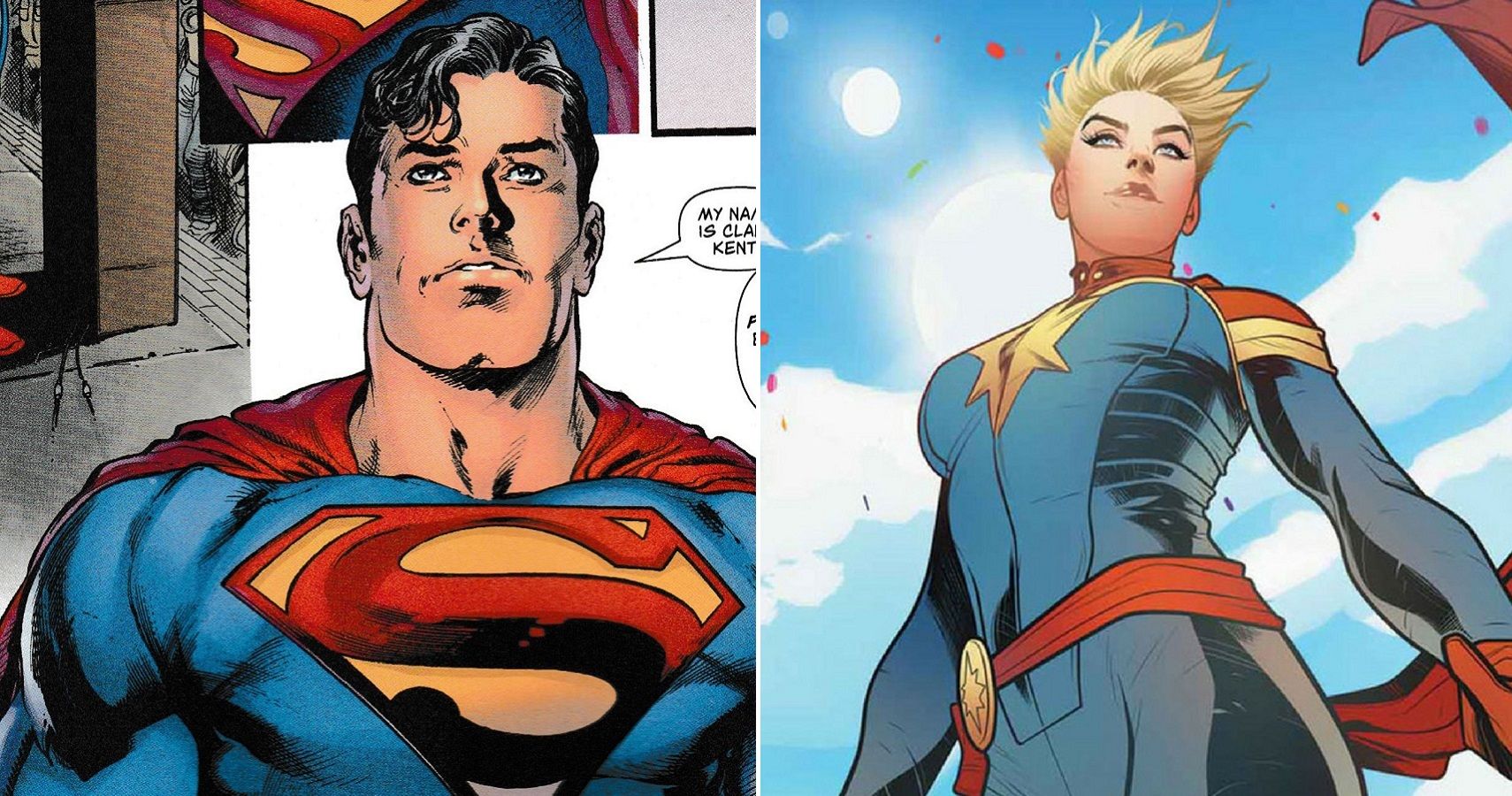
The assertion that Superman is a Marvel character is completely false. Superman is the flagship superhero of DC Comics, a primary rival of Marvel Comics. Created by writer Jerry Siegel and artist Joe Shuster, Superman debuted in Action Comics #1 in 1938, decades before Marvel Comics assumed its modern identity.
The Fact Check: Why "Superman is a Marvel Character" Is False
To clear up any confusion immediately: Superman has never been owned, created, or published by Marvel Comics.
Superman is owned by DC Comics, which is a subsidiary of Warner Bros. Discovery. Marvel Comics, by contrast, is owned by The Walt Disney Company. While both companies publish comic books featuring superheroes and have dominated American pop culture for nearly a century, they are entirely separate corporate entities with distinct character rosters, fictional universes, and creative lineages.
- Superhero Comic Industry
- DC Comics (Warner Bros. Discovery)
- Superman
- Batman
- Wonder Woman
- The Flash
- Marvel Comics (The Walt Disney Company)
- Spider-Man
- Iron Man
- Captain America
- Thor
- DC Comics (Warner Bros. Discovery)
The statement that Superman belongs to Marvel usually stems from modern cinematic saturation, where casual viewers associate all superhero media with the widely popular Marvel Cinematic Universe (MCU). However, from a legal, historical, and narrative standpoint, Superman remains the foundational pillar of the DC Universe.
The Origins of Superman and the Rise of DC Comics
To understand why Superman belongs to DC Comics, it helps to examine how the character launched the entire modern superhero genre.
Jerry Siegel, Joe Shuster, and Action Comics #1 (1938)
In the early 1930s, two high school friends from Cleveland, Ohio—writer Jerry Siegel and artist Joe Shuster—developed the concept of an alien orphan sent to Earth from the dying planet Krypton. Raised by Jonathan and Martha Kent in the rural town of Smallville, Clark Kent grew up to possess superhuman strength, invulnerability, and speed, using his powers to defend humanity under the alias Superman.
After years of trying to syndicate the concept as a newspaper comic strip, Siegel and Shuster sold the publishing rights to Detective Comics, Inc. for $130. Superman made his cover debut in Action Comics #1, cover-dated June 1938.
The issue was an instant commercial phenomenon. Superman did not merely succeed; he created the archetype for the American superhero, establishing core tropes such as dual identities, colorful costumes with capes, secret bases, and superhuman ability sets used for altruistic public service.
How National Allied Publications Evolved into DC Comics
The publisher behind Action Comics was initially founded by Major Malcolm Wheeler-Nicholson in 1934 as National Allied Publications. Through mergers with Detective Comics, Inc. (founded by Harry Donenfeld and Jack Liebowitz), the company evolved into National Comics Publications and later National Periodical Publications.
Although readers informally referred to the publisher as "DC" for decades due to the ubiquitous "DC Publication" logo branded on covers of Detective Comics, the company did not officially change its corporate name to DC Comics until 1977.
Throughout this corporate evolution, Superman remained the company's central intellectual property alongside Batman (who debuted in Detective Comics #27 in 1939) and Wonder Woman (who debuted in All Star Comics #8 in 1941).
Marvel Comics vs. DC Comics: Key Differences and Corporate Owners
Understanding the distinction between DC and Marvel requires looking at how both companies developed their publishing philosophies and corporate structures.
Corporate Ownership: Warner Bros. Discovery vs. The Walt Disney Company
| Attribute | DC Comics | Marvel Comics |
|---|---|---|
| Parent Company | Warner Bros. Discovery | The Walt Disney Company |
| Year Founded | 1934 (as National Allied Publications) | 1939 (as Timely Comics) |
| First Superhero Debut | Superman (Action Comics #1, 1938) | Human Torch (Marvel Comics #1, 1939) |
| Modern Rebrand Era | Adopted "DC" officially in 1977 | Renamed "Marvel Comics" in 1961 |
| Primary Film Studio | DC Studios / Warner Bros. Pictures | Marvel Studios / Walt Disney Studios |
| Fictional City Style | Fictionalized settings (Metropolis, Gotham) | Real-world settings (New York City) |
| Core Team | Justice League | Avengers, X-Men, Fantastic Four |
DC Comics operates as part of Warner Bros. Discovery's Global Streaming and Interactive Entertainment division. Film adaptations are managed under DC Studios, spearheaded by creative leadership tasked with overseeing the unified DC Universe (DCU) across film, television, and video games.
Marvel Comics, on the other hand, was purchased by The Walt Disney Company in 2009. Film adaptations are produced by Marvel Studios, which oversees the interconnected Marvel Cinematic Universe (MCU).
Fictional Geography and Storytelling Philosophies
Beyond ownership, DC and Marvel differ dramatically in how they construct their fictional worlds.
- DC's Fictionalized World: DC Comics traditionally places its legendary heroes in stylized, fictional cities designed to reflect the character's thematic tone. Superman operates in Metropolis, a bright, forward-looking city of tomorrow. Batman protects Gotham City, a dark, gothic urban landscape. Flash runs through Central City, and Aquaman rules Atlantis.
- Marvel's Real-World Setting: Marvel Comics, largely spearheaded by Stan Lee, Jack Kirby, and Steve Ditko during the early 1960s, placed its characters in real geographic locations. Spider-Man, the Fantastic Four, Iron Man, and Doctor Strange all reside in New York City, interacting with real landmarks like Greenwich Village and the Empire State Building.
Thematically, DC heroes were historically created as mythological figures—gods trying to fit in among humans (e.g., Clark Kent putting on glasses to blend in with humanity). Marvel heroes were historically created as humans dealing with extraordinary powers and personal flaws (e.g., Peter Parker dealing with rent and personal responsibility while being Spider-Man).
Key Comparison: DC Comics vs. Marvel Comics Rosters
Because both companies feature vast libraries of thousands of characters, casual observers often misattribute heroes to the wrong publisher. Below is a breakdown of major characters by their rightful owner:
| Hero / Team | Publisher | Debut Year | Creators |
|---|---|---|---|
| Superman | DC Comics | 1938 | Jerry Siegel & Joe Shuster |
| Batman | DC Comics | 1939 | Bob Kane & Bill Finger |
| Wonder Woman | DC Comics | 1941 | William Moulton Marston & Harry G. Peter |
| The Flash | DC Comics | 1940 | Gardner Fox & Harry Lampert |
| Green Lantern | DC Comics | 1940 | Bill Finger & Martin Nodell |
| Captain America | Marvel Comics | 1941 | Joe Simon & Jack Kirby |
| Spider-Man | Marvel Comics | 1962 | Stan Lee & Steve Ditko |
| Iron Man | Marvel Comics | 1963 | Stan Lee, Larry Lieber, Don Heck, Jack Kirby |
| Thor | Marvel Comics | 1962 | Stan Lee, Larry Lieber, Jack Kirby |
| The Incredible Hulk | Marvel Comics | 1962 | Stan Lee & Jack Kirby |
Historic Crossovers: When Superman Met Marvel Heroes
While Superman is not a Marvel character, he has met Marvel characters in rare, officially licensed corporate crossover events. These limited-series events were published joint-ventures between DC Comics and Marvel Comics, but they did not merge the underlying character ownership rights.
1. Superman vs. The Amazing Spider-Man (1976)
In 1976, DC and Marvel collaborated on their first large-format superhero crossover, titled Superman vs. The Amazing Spider-Man: The Battle of the Century! Written by Gerry Conway and drawn by Ross Andru, the oversized issue saw Superman and Spider-Man meet after their respective arch-enemies, Lex Luthor and Doctor Octopus, joined forces.
To make the story function smoothly, the narrative assumed that both heroes existed in the same world without explaining the logistical differences between Metropolis and New York, allowing the two icons to team up and save the planet.
2. DC vs. Marvel / Marvel vs. DC (1996)
In 1996, the two publishers released a four-issue miniseries where the DC Universe and Marvel Universe were personified as cosmic brothers forced to pit their heroes against one another.
Readers voted on the outcomes of key battles:
- Superman vs. the Hulk: Superman won the fan vote against the Incredible Hulk.
- Batman vs. Captain America: Batman narrowly defeated Captain America.
- Wolverine vs. Lobo: Wolverine defeated Lobo.
The series led to the temporary creation of Amalgam Comics, an imprint jointly owned by DC and Marvel that merged characters from both universes into combined entities. For example, Superman and Captain America were merged into Super-Soldier, while Batman and Wolverine were combined into Dark Claw.
3. JLA/Avengers (2003–2004)
Written by Kurt Busiek with art by George Pérez, JLA/Avengers was a canonical crossover miniseries where the Justice League of America ( JLA ) teamed up with Marvel's Avengers. During the climax of the story, Superman briefly wielded both Thor’s hammer (Mjolnir) and Captain America’s shield to defeat the cosmic entity Krona.
Despite these events, these crossovers were strictly temporary creative partnerships. At no point did Marvel acquire the rights to Superman or incorporate him into their permanent canon.
Why Do People Misattribute Superman to Marvel?
Given the stark legal and historical separation between DC and Marvel, why does the misconception that Superman is a Marvel character persist?
1. The Box-Office Dominance of the Marvel Cinematic Universe
Since the launch of Iron Man in 2008, Marvel Studios built the Marvel Cinematic Universe (MCU) into the highest-grossing film franchise in global box-office history. Because Marvel became synonymous with superhero cinema for a generation of viewers, casual audience members often use "Marvel" as a generic term for all superhero movies, similar to how people use "Kleenex" for facial tissue or "Band-Aid" for adhesive bandages.
2. Similarities with Marvel's "Super-God" Prototypes
Marvel Comics features several characters designed either as homages, parodies, or functional equivalents to Superman. Casual fans often see these characters and assume they are variations of Superman within Marvel:
- The Sentry (Bob Reynolds): A Marvel hero with the "power of one million exploding suns," wearing a golden suit with an "S" logo belt buckle.
- Hyperion: An alien baby sent to Earth from a dying world who gains godlike strength from solar energy, serving on Marvel's Squadron Supreme (a direct pastiche of DC's Justice League).
- Gladiator (Kallark): The leader of the Shi'ar Imperial Guard whose powers are tied to his confidence. His alien name "Kallark" is a direct combination of Superman's civilian name (Clark Kent) and Kryptonian name (Kal-El).
- Ikaris: A member of Marvel's Eternals who shoots cosmic energy rays from his eyes and flies, drawing immediate visual comparisons to Superman.
3. Shared Actors and Talent across DC and Marvel Films
The modern comic book film industry frequently hires directors, writers, and actors who work on both DC and Marvel properties:
- James Gunn directed Marvel’s Guardians of the Galaxy trilogy before being appointed co-CEO of DC Studios to direct Superman (2025).
- Actor Overlaps: High-profile actors like Henry Cavill, Ben Affleck, Ryan Reynolds, and Christian Bale have moved between DC and Marvel screen adaptations, blurring the line for non-hardcore viewers.
Other Frequently Confused Characters
Superman is not the only hero subject to publisher confusion. Here are several other prominent characters that readers often assign to the wrong publisher:
| CHARACTER | CORRECT PUBLISHER |
|---|---|
| Batman | DC Comics |
| Wolverine | Marvel Comics |
| Wonder Woman | DC Comics |
| Deadpool | Marvel Comics |
| Aquaman | DC Comics |
| Namor the Sub-Mariner | Marvel Comics |
| Shazam (formerly Capt. Marvel) | DC Comics |
| Captain Marvel (Carol Danvers) | Marvel Comics |
The "Captain Marvel" Name Confusion
One of the most complex legal situations in comic book history involves the name Captain Marvel, which frequently causes mix-ups:
- Fawcett Comics created a character named Captain Marvel (Billy Batson) in 1939, who transformed by saying the magic word "Shazam!"
- DC Comics sued Fawcett for copyright infringement in the 1940s, claiming Captain Marvel infringed on Superman. Fawcett eventually ceased publishing the character.
- While the original Captain Marvel was dormant, Marvel Comics trademarked the name "Captain Marvel" in 1967 for their own alien hero (Mar-Vell, and later Carol Danvers).
- When DC Comics licensed (and later purchased) the original Fawcett character in the 1970s, they could not title the comic book Captain Marvel due to Marvel's trademark. DC published the book under the title Shazam!. Eventually, DC officially renamed the character himself to Shazam to avoid consumer confusion.
Frequently Asked Questions
Is Superman owned by Disney?
No. Disney owns Marvel Entertainment and Lucasfilm, but DC Comics—and by extension Superman—is owned by Warner Bros. Discovery.
Has Superman ever fought Thor or Iron Man?
Yes, in official crossover event comics. Superman fought Thor in the 2003 miniseries JLA/Avengers, where Superman eventually managed to overpower Thor after a brutal battle. However, these fights took place in special limited crossover publications, not standard Marvel or DC continuity.
Is Spider-Man a DC character?
No, Spider-Man is a Marvel Comics character created by Stan Lee and Steve Ditko. He is owned by Marvel Comics (print/merchandise) and Sony Pictures (film rights).
Who created Superman?
Superman was created by writer Jerry Siegel and artist Joe Shuster in Cleveland, Ohio. They sold the character to Detective Comics, Inc. (now DC Comics) in 1938.
Is the Justice League Marvel or DC?
The Justice League (featuring Superman, Batman, Wonder Woman, Flash, Green Lantern, Aquaman, and Martian Manhunter) is a DC Comics team. The Avengers (featuring Iron Man, Captain America, Thor, Hulk, and Black Widow) is Marvel's flagship team.
Summary and Key Takeaway
Superman is not a Marvel character and has never belonged to Marvel Comics. He is the original foundational superhero of DC Comics, owned by Warner Bros. Discovery.
When navigating comic books, movies, or merchandise, remember this simple guide:
- DC Comics: Superman, Batman, Wonder Woman, Metropolis, Gotham City, Justice League (Warner Bros. Discovery).
- Marvel Comics: Spider-Man, Iron Man, Captain America, X-Men, Avengers, New York City (The Walt Disney Company).