Drinking alkaline water offers limited, highly specific health benefits rather than a broad medical cure-all. While marketing claims often promise enhanced detoxification or body-wide pH balancing, clinical evidence primarily supports its niche utility for buffering stomach acid in acid reflux sufferers and potentially improving blood viscosity during post-exercise recovery. For general hydration, regular purified or tap water remains equally effective.
Understanding Alkaline Water: pH, Minerals, and Processing
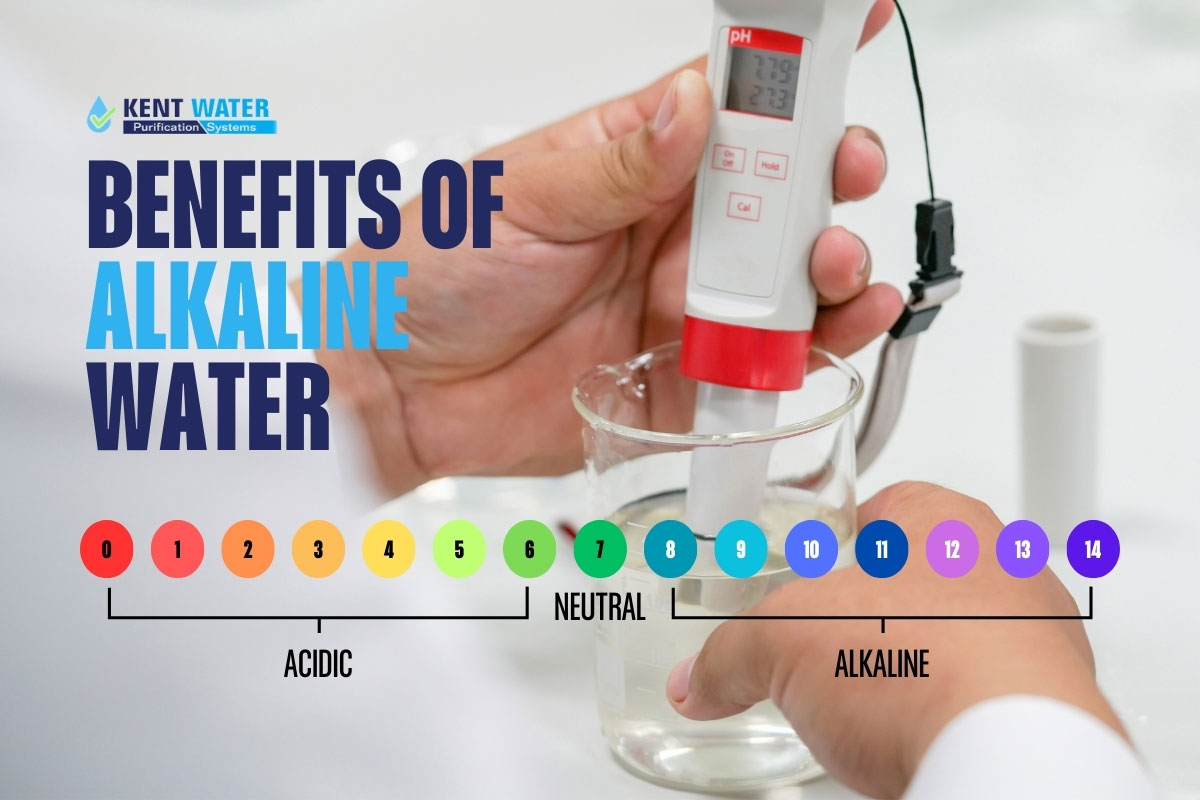
Water is chemically defined by two hydrogen atoms bonded to one oxygen atom ($H_2O$). However, source water contains dissolved solids, gases, and minerals that alter its potential hydrogen (pH) value. The pH scale ranges from 0 to 14, where 7.0 is neutral. Liquids with a pH below 7.0 are considered acidic, while liquids with a pH above 7.0 are considered alkaline (or basic).
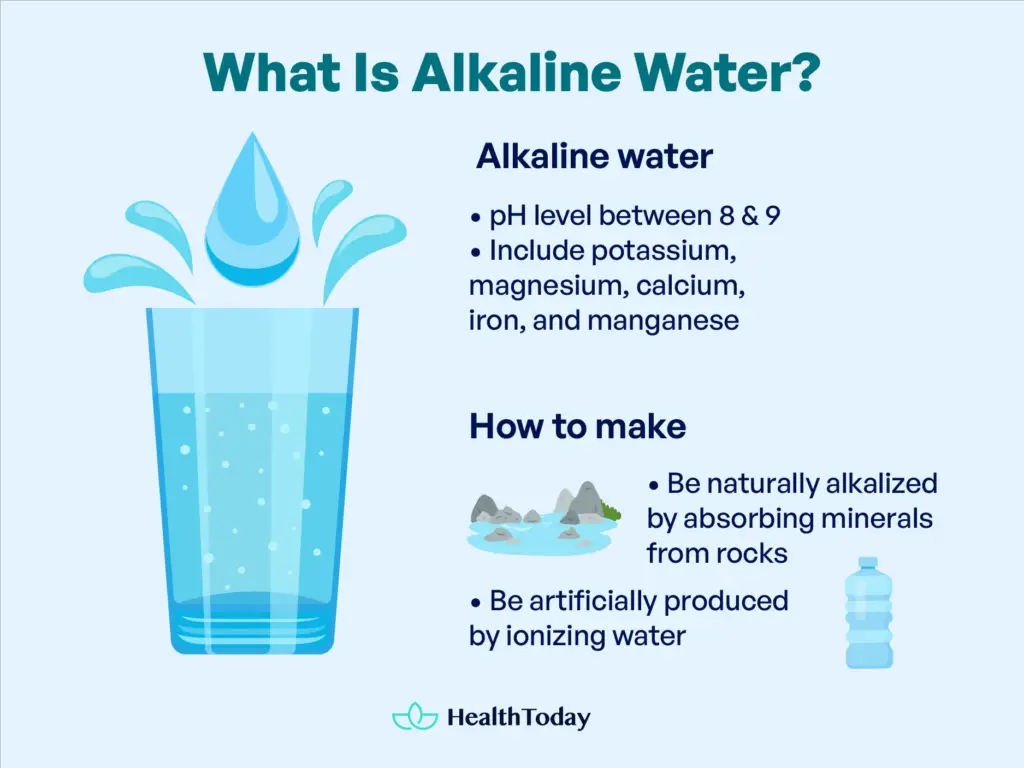
Standard municipal tap water and plain bottled water generally sit near a neutral pH of 6.5 to 7.5. Alkaline water, by contrast, typically features a pH level between 8.0 and 9.5. However, a high pH alone does not make water truly alkaline in a biological sense; the water must also contain an adequate alkaline buffering capacity (alkalinity), which is determined by the presence of dissolved alkaline minerals.
- Acidic (< 7.0)
- Lemon Juice (~2.0)
- Gastric Acid (1.5–3.5)
- Neutral (7.0)
- Pure Water (7.0)
- Human Blood (7.35–7.45)
- Alkaline (> 7.0)
- Alkaline Water (8.0–9.5)
- Baking Soda (9.0)
Alkaline water is categorized into two distinct types based on how it achieves its elevated pH:
1. Naturally Alkaline Water
Naturally alkaline water originates from natural springs or groundwater sources that flow over mineral-rich rocks, such as limestone, quartz, and volcanic basalt. As the water passes through subterranean geological formations, it naturally absorbs alkaline minerals, including:
- Calcium: Essential for bone integrity and neuromuscular signaling.
- Magnesium: Required for enzyme activation, energy production, and muscle relaxation.
- Potassium: Critical for cellular fluid balance and cardiovascular conduction.
- Bicarbonate: A natural chemical buffer that resists drastic changes in pH.
Because naturally alkaline water acquires its mineral payload through slow geological contact, it retains high total dissolved solids (TDS) and a stable mineral-based buffering capacity.
2. Artificially Ionized Alkaline Water
Artificially alkaline water is produced using an electronic device called a water ionizer through a chemical process known as electrolysis. Inside an ionizer unit:
- Tap water is filtered to remove contaminants.
- The water passes over positive and negative electrode plates (typically titanium coated with platinum).
- Electric currents separate the incoming water into two streams: an acidic stream containing positive hydrogen ions ($H^+$) and an alkaline stream containing negative hydroxide ions ($OH^-$).
While electrolysis elevates the pH of the output water, it does not inherently add essential minerals unless mineral cartridges are included. Electrolyzed reduced water (ERW) often loses its elevated pH over time when exposed to atmospheric carbon dioxide, which dissolves into the liquid and forms carbonic acid, reducing the pH back toward neutral.
The Biological Reality: How the Human Body Regulates pH
To evaluate whether alkaline water provides distinct physiological benefits, one must first examine how the human body processes ingested liquids and maintains internal chemical equilibrium.
A widespread misconception propagated by wellness marketing is that drinking alkaline water alters systemic body pH or "alkalinizes" the bloodstream to prevent disease. From a physiological standpoint, this claim is inaccurate.
- Ingested Alkaline Water (pH 8.5-9.5)
- Stomach: Acid Neutralization
- Hydrochloric acid (pH 1.5-3.5) neutralizes alkaline water.
- Stomach produces additional acid to restore target digestive pH.
- Small Intestine: Secretin Release
- Pancreas secretes bicarbonate ions (HCO3-) to neutralize acidic chyme.
- Systemic Blood Circulation (pH 7.35–7.45)
- Homeostasis maintained strictly via Pulmonary (Lungs) & Renal (Kidneys) buffering.
Gastric Acid Neutralization
When alkaline water enters the stomach, it encounters gastric fluid, which is highly acidic (pH ranging from 1.5 to 3.5). Gastric fluid consists primarily of hydrochloric acid ($HCl$) secreted by parietal cells.
The immediate chemical interaction between the ingested alkaline water ($OH^-$ ions or mineral carbonates) and hydrochloric acid ($H^+$ ions) results in a neutralization reaction. The high pH of the water is reduced by stomach acid almost instantly. If the volume or alkalinity of the water briefly raises the stomach's pH above its normal physiological set point, parietal cells automatically secrete additional hydrochloric acid to maintain optimal acidity for digestive enzymes like pepsin.
Systemic Acid-Base Homeostasis
The human bloodstream operates within a strict pH range of 7.35 to 7.45. Sustained deviations below 7.35 (acidosis) or above 7.45 (alkalosis) are life-threatening medical conditions that disrupt cellular function, enzyme activity, and organ performance.
The body maintains this narrow pH range through three primary homeostatic mechanisms:
- Chemical Buffer Systems: The carbonic acid-bicarbonate buffer system operates instantaneously in plasma to capture or release hydrogen ions as needed.
- Respiratory Regulation: The lungs regulate blood pH within minutes by adjusting the rate and depth of respiration to exhale carbon dioxide ($CO_2$), an acidic precursor.
- Renal Regulation: The kidneys maintain long-term balance over hours or days by selectively excreting hydrogen ions ($H^+$) in urine and reabsorbing bicarbonate ($HCO_3^-$) back into circulation.
Because these biological control mechanisms are continuous and effective, drinking alkaline water does not alter blood pH in healthy individuals. Any excess alkaline minerals or ions absorbed through the intestinal tract are processed by the kidneys and excreted in the urine.
Scientific Evidence: Examining Potential Health Claims
While alkaline water does not alter systemic blood pH, clinical researchers have investigated its effects on specific localized physiological processes. Below is an examination of key health claims and the corresponding evidence base.
| Health Claim | Evidence Level | Observed Mechanism |
|---|---|---|
| Acid Reflux Symptom Relief | Moderate (In vitro/Small clinical studies) | Inactivates pepsin at pH 8.8; buffers gastric acid. |
| Enhanced Post-Exercise Hydration | Low-to-Moderate (Small human trials) | Reduces high-shear blood viscosity after exertion. |
| Improved Bone Mineral Density | Weak/Inconclusive (Observational) | High bicarbonate may lower bone resorption markers. |
| Systemic Detoxification & Anti-Aging | Unproven / No Evidence | No clinical evidence; organs handle natural detox. |
1. Acid Reflux Relief (Laryngopharyngeal & Gastroesophageal Reflux)
The most scientifically supported application of high-pH alkaline water relates to acid reflux disorders, including gastroesophageal reflux disease (GERD) and laryngopharyngeal reflux (LPR).
In acid reflux, stomach contents containing hydrochloric acid and the digestive enzyme pepsin travel upward into the esophagus, throat, or micro-structures of the voice box. Pepsin binds to esophageal tissue and becomes activated by ambient acid, causing cellular damage, inflammation, heartburn, and hoarseness.
A laboratory study published in the Annals of Otology, Rhinology & Laryngology demonstrated that natural alkaline water with a pH of 8.8 permanently inactivates human pepsin in vitro. Standard tap water at pH 6.7 leaves pepsin active. Furthermore, high-pH water demonstrated a significant acid-buffering capacity against hydrochloric acid.
For patients suffering from reflux, drinking alkaline water with a pH of 8.8 or higher may help neutralize refluxed acid in the throat and esophagus and deactivate surface-bound pepsin. However, while this offers localized relief comparable to mild antacids, it does not cure the underlying cause of reflux, such as lower esophageal sphincter (LES) dysfunction.
2. Blood Viscosity and Exercise Recovery
Hydration efficiency is determined not only by water volume but also by how rapidly fluid enters the bloodstream and restores normal hemodynamics following strenuous physical activity.
A double-blind study published in the Journal of the International Society of Sports Nutrition evaluated 100 healthy adults following exercise-induced dehydration. Participants were rehydrated with either high-pH electrolyzed alkaline water or standard purified water.
Researchers measured high-shear blood viscosity—a metric reflecting how thick or dense blood is as it circulates through vessel networks. Lower viscosity indicates smoother blood flow and more efficient oxygen transport. The study found that participants who consumed alkaline water experienced a 6.36% reduction in blood viscosity compared to a 3.36% reduction in those drinking standard purified water.
While these findings suggest potential performance and recovery benefits for athletes experiencing severe sweating and dehydration, the effect size in everyday, non-exercise conditions remains modest.
3. Bone Density and Calcium Retention
Proponents claim that consuming acidic foods forces the body to leach calcium from bones to buffer metabolic acid loads, and that drinking alkaline water prevents this bone loss.
Clinical research on this topic centers largely on dietary acid-base balance and mineral intake rather than water pH alone. Studies measuring bone turnover markers—such as serum parathyroid hormone (PTH) and C-telopeptide (CTX)—indicate that diets rich in alkaline minerals (bicarbonate, potassium, calcium) can reduce urinary calcium excretion and lower markers of bone resorption.
A study in Bone demonstrated that drinking bicarbonate-rich alkaline mineral water reduced bone resorption markers more effectively than acidic mineral water rich in calcium. However, this effect is primarily driven by the presence of bicarbonate ions and absorbed minerals, rather than the pH level of the water itself. Long-term randomized controlled trials evaluating fracture risk reduction from alkaline water intake are currently lacking.
4. General Health, Cancer Prevention, and Detoxification
Claims that alkaline water neutralizes systemic metabolic waste, cures chronic disease, or prevents cancer are unsupported by clinical oncology and internal medicine data.
The premise that cancer cells thrive in acidic environments—and therefore an alkaline diet or alkaline water kills cancer cells—is a misapplication of cell-culture observations. While solid tumors often create an acidic microenvironment in vitro due to altered metabolic pathways (the Warburg effect), drinking high-pH water cannot alter the microenvironment of deep-tissue tumors. Organizations such as the American Institute for Cancer Research (AICR) have confirmed that dietary choices cannot significantly alter blood pH or eliminate cancer risks through systemic alkalinization.
Comparison Table: Water Types and Characteristics
To evaluate practical differences, the table below compares standard tap water, naturally alkaline spring water, artificially ionized water, and mineral water across key operational and physiological parameters.
| Water Category | Typical pH Range | Primary Mineral Profile | Mechanism of Production | Primary Scientific Indications | Average Relative Cost |
|---|---|---|---|---|---|
| Standard Tap Water | 6.5 – 7.5 | Trace calcium, magnesium, sodium, fluorides (varies by municipality) | Municipal treatment (sedimentation, filtration, chlorination) | Everyday baseline hydration; general public health | Very Low (Cents per gallon) |
| Naturally Alkaline Spring Water | 8.0 – 9.5 | High calcium, magnesium, potassium, bicarbonate | Natural filtration through subterranean mineral deposits | Pepsin inactivation in reflux; mineral supplementation | High (Bottled commercial product) |
| Artificially Ionized Water | 8.0 – 10.0+ | Varies based on source tap water; high $OH^-$ concentration | In-home countertop electrolysis machines | Temporary post-exercise blood viscosity reduction | Very High (Initial equipment purchase $1,000–$4,000) |
| Sparkling / Mineral Water | 5.0 – 8.0 | High sodium, magnesium, calcium, bicarbonate, free $CO_2$ | Natural underground springs or artificially carbonated | Dietary mineral delivery; digestive motility support | Moderate to High |
Potential Risks and Health Considerations
For most healthy adults, drinking moderate amounts of commercially bottled or naturally sourced alkaline water poses minimal safety risks. However, specific physiological factors warrant caution.
- Potential Risks of Overconsumption
- Digestive Impact
- Hypochlorhydria (Low Acid)
- Reduced Pepsin Activation
- Decreased Pathogen Barrier
- Renal Impact
- Impaired Mineral Clearance
- Hypercalcemia Risk (Kidney Disease)
- Kidney Stone Aggravation
- Digestive Impact
1. Digestion Disruption (Hypochlorhydria Risk)
Consuming excessive volumes of high-pH alkaline water (pH > 9.5), particularly immediately before or during meals, may dilute stomach acid. Gastric acid serves two vital biological roles:
- Enzymatic Protein Cleavage: Pepsin requires an acidic environment (pH 1.5–2.5) to break down complex dietary proteins into digestible peptides. Elevated stomach pH can impair protein digestion, leading to bloating, fermentation, and gastrointestinal distress.
- Antimicrobial Defense: Stomach acid acts as a primary chemical barrier against ingested pathogens, bacteria, and opportunistic fungi. Habitually suppressing gastric acidity can increase susceptibility to intestinal bacterial overgrowth.
2. Kidney Disease and Mineral Loading
Individuals with advanced chronic kidney disease (CKD), renal failure, or those taking potassium-sparing diuretics must carefully manage their intake of mineral-dense fluids.
When kidney filtration rates are impaired, the organs cannot efficiently process excess concentrations of dissolved calcium, magnesium, or potassium. Consuming mineral-dense alkaline water may lead to electrolyte imbalances, hypercalcemia, or increased risk of mineral deposition within renal tubules.
3. Metabolic Alkalosis (Extreme Cases)
While extremely rare from standard dietary intake, excessive consumption of artificially ionized water with high pH (>10.0) combined with sodium bicarbonate supplements can induce mild metabolic alkalosis. Symptoms of elevated blood pH include:
- Muscle twitching, spasms, or hand tremors (tetany).
- Nausea and vomiting.
- Confusion or lightheadedness.
- Paresthesia (numbness or tingling sensations in the extremities or face).
Consumer Guide: Making an Informed Choice
When deciding whether to incorporate alkaline water into a daily routine, consider the following practical criteria:
- Is Alkaline Water Necessary for You?
- Does individual suffer from acid reflux (GERD/LPR)?
- YES: Consider short-term use of Natural pH 8.8+ Water for symptom management.
- NO: Is the goal routine daily hydration?
- YES: Standard Tap or Filtered Water is sufficient and cost-effective.
- NO: High-intensity endurance training?
- High-mineral spring water may aid recovery dynamics.
- Does individual suffer from acid reflux (GERD/LPR)?
- Define the Goal: If the intent is to manage active laryngopharyngeal reflux symptoms or supplement post-exercise recovery, bottled spring water with a natural pH around 8.5 to 8.8 may offer targeted relief. If the goal is general everyday hydration, standard filtered tap water meets all biological requirements at a fraction of the cost.
- Distinguish Natural from Artificial: Check product labels for total dissolved solids (TDS) and mineral content. Naturally alkaline spring water lists naturally occurring calcium, magnesium, and bicarbonate, whereas artificially ionized water relies on electrolysis processing of municipal supplies.
- Avoid Over-Reliance on Ionizers: Expensive home electrolysis units often carry high retail costs without clinical trials demonstrating superior long-term health outcomes over balanced, mineralized spring or tap water.
- Time Intake Appropriately: To minimize impact on digestion, avoid drinking high-pH alkaline water 30 minutes before, during, or 60 minutes after major meals.
Frequently Asked Questions
Does drinking alkaline water change your body's overall pH?
No. Drinking alkaline water does not alter systemic blood pH. The human body regulates blood pH within a tight range of 7.35 to 7.45 using automatic physiological mechanisms, including lung respiration, renal excretion by the kidneys, and blood plasma chemical buffers. Any ingested alkaline water is neutralized by hydrochloric acid in the stomach.
Can alkaline water help treat acid reflux symptoms?
Yes, high-pH water can provide localized relief for acid reflux. Laboratory research demonstrates that water with a pH of 8.8 permanently deactivates pepsin—the digestive enzyme responsible for tissue damage in laryngopharyngeal reflux—and buffers gastric hydrochloric acid. However, it functions similarly to a mild antacid and does not cure the structural causes of reflux.
Is alkaline water better for hydration after workout exercise than standard water?
It can offer slight performance advantages under specific circumstances. Clinical testing indicates that high-pH water may reduce high-shear blood viscosity after intense, dehydrating exercise more effectively than standard purified water. This lower viscosity allows blood to circulate more smoothly, potentially supporting post-exercise recovery. For light to moderate activity, regular water hydrates equally well.
Is it safe to drink alkaline water every day?
For healthy adults with normal kidney function, consuming moderate amounts of naturally alkaline water daily is safe. However, consuming high-pH water (above pH 9.5) continuously or in large quantities around meal times may neutralize necessary stomach acid, potentially impairing protein digestion and reducing the stomach's natural antimicrobial defenses.
Does alkaline water prevent cancer or detoxify organs?
There is no clinical evidence that alkaline water prevents or treats cancer, nor does it detoxify internal organs. Cancer cells create acidic microenvironments as a byproduct of their altered metabolism, but drinking high-pH water cannot alter the cellular environment of deep tissues. Internal detoxification is performed continuously by the liver, kidneys, and gastrointestinal system, regardless of water pH.
Practical Recommendation
For the vast majority of people, standard tap water or home-filtered water remains the most practical, safe, and economical choice for daily hydration. The body is biologically adapted to process water across a moderate pH spectrum without compromising systemic health.
If you experience frequent acid reflux, laryngopharyngeal throat irritation, or participate in high-intensity endurance athletics, incorporating naturally alkaline spring water (pH 8.5–8.8) into your routine may provide targeted, auxiliary benefits. If symptoms persist or if you have underlying kidney conditions, consult a licensed physician or gastroenterologist before making significant changes to your fluid intake.