The New York City Employees' Retirement System (NYCERS) does not issue or sell commercial, private life insurance policies. However, NYCERS provides substantial pre-retirement death benefits, accidental death protection, and post-retirement survivor options that function similarly to group life insurance for active NYC public employees and eligible beneficiaries.
NYCERS Death Benefits vs. Traditional Life Insurance: How It Works
Understanding how financial protection is structured under the New York City Employees' Retirement System (NYCERS) requires distinguishing between private commercial life insurance and public pension death benefits.
When people ask whether there is "life insurance under NYCERS," they are usually looking for a lump-sum payout or income protection payable to their loved ones if they die while employed or retired. While NYCERS is a defined-benefit public pension system governed by the New York State Retirement and Social Security Law (RSSL), it incorporates built-in life-insurance-like protections.
The Role of the Group Term Life Insurance Plan (GTLIP)
NYCERS administers its ordinary pre-retirement death benefits through a specialized vehicle called the Group Term Life Insurance Plan (GTLIP). Established under Article 4-B of the RSSL, GTLIP is technically a group term life insurance structure embedded within the retirement system.
When an active NYCERS member qualifies for an Ordinary Death Benefit (ODB), the first $50,000 of that benefit is treated as payment from a group term life insurance plan. Any amount above $50,000 is paid directly from the pension fund as a standard pension death benefit.
This structural distinction has significant practical implications for tax treatment:
First $50,000 (GTLIP): Excluded from gross federal income under Internal Revenue Code (IRC) Section 79, making this portion completely tax-free to the beneficiary.
Remaining Amount (Pension Death Benefit): Subject to federal income tax, though exempt from New York State and New York City income taxes for state residents.
TOTAL NYCERS ORDINARY DEATH BENEFIT
- First $50,000 via GTLIP (Exempt from Federal Income Tax under IRC Sec. 79)
- Remaining Balance via NYCERS Pension Fund (Subject to Federal Income Tax; Exempt from NYS/NYC)
Pre-Retirement Death Benefits: Coverage for Active Members
If an active NYCERS member dies before retiring, the system provides two primary types of pre-retirement coverage: the Ordinary Death Benefit (ODB) and the Accidental Death Benefit (ADB). The applicable benefit depends on how long the member has served and the circumstances of their death.
1. Ordinary Death Benefit (ODB)
The Ordinary Death Benefit applies to non-job-related deaths occurring while the member is in active service.
Eligibility Requirements
To qualify for the standard Ordinary Death Benefit (often referred to as the "Plan 2" or Tier-specific death benefit), an active employee must generally satisfy the following criteria:
- Must have completed at least one year of credited service (or meet specific plan provisions under Tier 2, Tier 3, Tier 4, or Tier 6).
- Must be on the city payroll at the time of death, or have died within a specific timeframe (usually 12 months) after leaving payroll without having terminated membership or drawn a pension refund.
Benefit Calculation Formula
For the vast majority of active Tier 2, Tier 3, Tier 4, and Tier 6 members, the lump-sum Ordinary Death Benefit is calculated based on salary and years of service:
$$\text{Ordinary Death Benefit} = \text{Final Average Salary} \times \min(\text{Years of Service}, 3)$$
- 1 Year of Credited Service: 1 year's salary
- 2 Years of Credited Service: 2 years' salary
- 3 or More Years of Credited Service: 3 years' salary (the maximum standard lump sum)
In addition to this lump-sum payment, NYCERS refunds all accumulated member contributions (plus accrued interest) to the designated beneficiary.
2. Accidental Death Benefit (ADB)
If an active NYCERS member dies as a direct result of an accident sustained in the performance of duty (and not due to willful negligence), the system provides an Accidental Death Benefit instead of the Ordinary Death Benefit.
Key features of the Accidental Death Benefit include:
- No Minimum Service Required: Coverage begins on day one of employment.
- Lifetime Pension Annuity: Rather than a single lump sum, an Accidental Death Benefit pays a monthly pension annuity (typically 50% of the member's Final Average Salary) to designated statutory beneficiaries.
- Statutory Beneficiary Priority: Unlike the Ordinary Death Benefit, where members choose their beneficiary, New York law dictates the strict priority order for Accidental Death Benefits:
- Surviving Spouse (until remarriage or death).
- Dependent Children (until age 18, or age 23 if full-time students).
- Dependent Parents (if no surviving spouse or eligible children exist).
Post-Retirement Death Benefits and Survivor Pension Options
When a NYCERS member retires, the pre-retirement Ordinary Death Benefit ends. However, retirees have two ways to secure financial protection for their beneficiaries: the Post-Retirement Lump Sum Death Benefit and Pension Option Selections.
Post-Retirement Lump Sum Death Benefit
For Tier 2, Tier 4, and Tier 6 retirees who were eligible for an Ordinary Death Benefit at the time of retirement, NYCERS automatically extends a declining post-retirement lump-sum benefit.
This benefit decreases over the first three years of retirement according to a fixed schedule:
- Year 1 of Retirement: 50% of the Ordinary Death Benefit payable at the date of retirement.
- Year 2 of Retirement: 25% of the Ordinary Death Benefit payable at the date of retirement.
- Year 3 and Beyond: 10% of the Ordinary Death Benefit, or 10% of the benefit that would have been payable at age 60 (whichever is greater).
This post-retirement benefit guarantees that even after decades in retirement, a basic lump sum remains payable to the retiree's chosen beneficiary to cover funeral costs or immediate expenses.
Survivor Pension Options at Retirement
At the time of retirement, NYCERS members choose how their pension allowance is distributed. Selecting a joint-and-survivor option functions much like purchasing a survivorship life insurance annuity.
- Maximum Retirement Allowance (Unmodified): Pays the maximum monthly income during the retiree's lifetime, but all payments cease upon death. No survivor benefit is paid.
- Joint and Survivor Options (100%, 75%, 50%): The retiree receives a reduced monthly pension for life. Upon death, the designated beneficiary receives a lifetime monthly pension equal to 100%, 75%, or 50% of the reduced payment amount.
- Pop-Up Options: Similar to joint-and-survivor plans, but if the designated beneficiary dies before the retiree, the retiree's monthly pension "pops up" back to the higher Maximum Retirement Allowance rate for the rest of their life.
Supplemental Group Life Insurance: Union Welfare Funds & MBF
Because NYCERS provides defined pension benefits and statutory death protections rather than fully custom commercial insurance, many New York City employees supplement their NYCERS benefits through municipal unions or executive management funds.
Union Welfare Funds
Most New York City municipal unions offer explicit group term life insurance policies as part of their union welfare fund benefits. Examples include:
- District Council 37 (DC 37) Welfare Fund: Provides active and retired members with dedicated group term life insurance and accidental death and dismemberment (AD&D) coverage.
- United Federation of Teachers (UFT) Welfare Fund: Offers group term life insurance coverage alongside optional supplemental policy add-ons.
- Organization of Staff Analysts (OSA) & CSEA: Maintain specialized term life insurance arrangements for covered titles.
NYC Management Benefits Fund (MBF)
Non-unionized managerial and confidential NYC employees receive supplemental life insurance through the NYC Management Benefits Fund. MBF provides group term life insurance and AD&D coverage that sits directly on top of any underlying NYCERS death benefits.
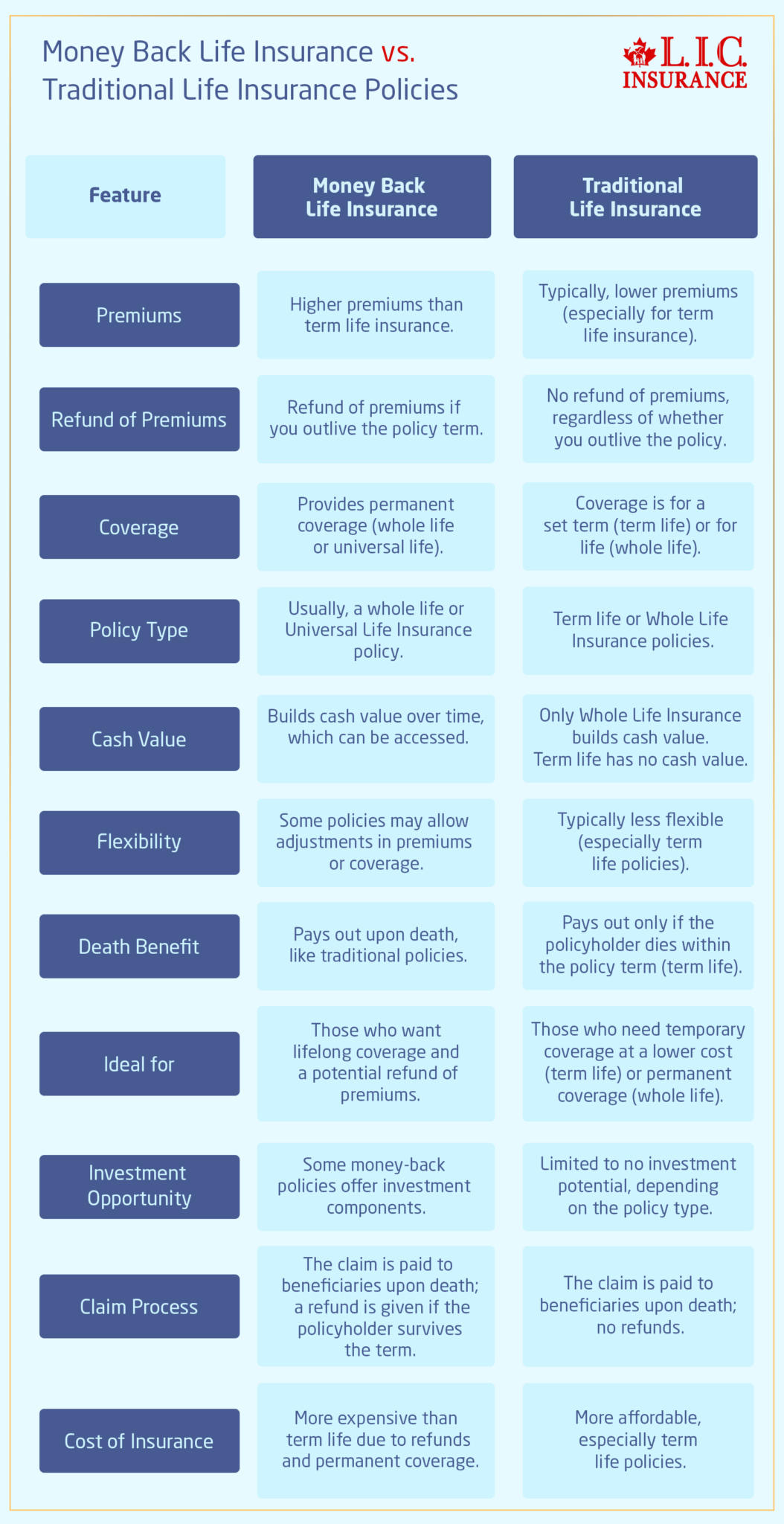
Comprehensive Comparison: NYCERS vs. Union Funds vs. Private Insurance
To clarify how these options work together, the table below compares the protection offered by NYCERS against union welfare funds and individual private life insurance policies.
| Feature | NYCERS Death Benefits | Union Welfare Fund Life Insurance | Private Commercial Life Insurance |
|---|---|---|---|
| Primary Structure | Statutory Defined Pension & GTLIP | Employer/Union Group Term Insurance | Individual Term or Permanent Policy |
| Active Death Benefit | Up to 3x Final Average Salary (ODB) | Fixed Lump Sum (e.g., $10,000–$100,000+) | Customized Policy Face Value |
| Job-Related Death Protection | Accidental Death Benefit (50% FAS annuity) | Often includes AD&D riders | Depends on policy terms/riders |
| Post-Retirement Protection | Declining lump sum (50% $\rightarrow$ 25% $\rightarrow$ 10%) | Varies (often reduced benefit in retirement) | Level benefit until policy term end or lifetime |
| Tax Exemption | First $50k tax-free via GTLIP; rest federally taxable | Generally tax-free under IRC Sec. 101(a) | Income-tax-free payout to beneficiaries |
| Beneficiary Flexibility | Flexible for ODB; Fixed by statute for ADB | Flexible designation | Flexible designation |
| Portability / Separation | Terminates if member leaves without vesting | Ends upon leaving union/title | Fully portable regardless of employment |
Tax Implications of NYCERS Death Benefits
Understanding tax rules prevents unexpected tax burdens for beneficiaries receiving NYCERS payouts.
TAXABILITY OF NYCERS DEATH PAYOUTS
| Benefit Component | Federal Tax | NY State/City Tax |
|---|---|---|
| GTLIP Portion (First $50,000) | Exempt (IRC § 79) | Exempt |
| Pension ODB Portion (Over $50k) | Taxable Income | Exempt |
| Member Contributions Refunded | Non-Taxable* | Non-Taxable* |
| Accidental Death Benefit | Partially Taxable | Exempt |
- Contributions made after-tax are exempt; untaxed interest earned is taxable.
- Federal Income Taxation:
- Under IRC Section 79, the first $50,000 of an Ordinary Death Benefit distributed via GTLIP is non-taxable income.
- Any Ordinary Death Benefit payout exceeding $50,000 is treated as ordinary income for federal income tax purposes. Beneficiaries will receive a Form 1099-R from NYCERS.
- State and Local Income Taxation:
- Under New York State law, pension distributions and public death benefits paid by NYCERS to New York State or NYC residents are completely exempt from New York State and New York City personal income taxes.
- Estate Tax Considerations:
- In most instances, lump-sum death benefits paid directly to a named human beneficiary are not subject to probate. However, if no valid beneficiary form is on file and the benefit defaults to the member's estate, the payout becomes subject to estate settlement procedures and potential federal or state estate taxes.
Key Steps to Verify and Protect Your NYCERS Death Benefits
Because NYCERS payouts rely strictly on formal records and statutory rules, active and retired members should take proactive steps to safeguard their benefits.
1. Register and Audit Your MyNYCERS Account
NYCERS members should log into their online portal via MyNYCERS to check their official member profile, credited service years, and tier status. Confirming that your salary and service records are current ensures accurate death benefit calculations.
2. File and Update Form 101 (Designation of Beneficiary)
The most common mistake public employees make is failing to update their designated beneficiaries after major life events such as marriage, divorce, or the birth of a child.
- Primary Beneficiary: Receives the Ordinary Death Benefit upon your passing.
- Contingent Beneficiary: Receives the benefit if the primary beneficiary predeceases you.
- Important Legal Note: In New York, a divorce decree does not automatically revoke a prior spouse's designation as a pension beneficiary. Members must submit an updated beneficiary designation form directly to NYCERS to change their legal choice.
3. Maintain Supporting Documents
Keep physical and digital copies of the following documents in an accessible location:
- NYCERS Member Number and Social Security Number.
- Copy of the latest NYCERS Annual Statement of Member Account.
- Copies of current union welfare fund life insurance certificates.
- Marriage certificates, divorce decrees, or birth certificates for dependent verification.
Frequently Asked Questions
Can I buy additional life insurance directly through NYCERS?
No. NYCERS is a public pension system, not a private insurance carrier. It does not sell supplemental or voluntary individual life insurance policies. To purchase additional individual life insurance, NYC employees must buy policies from private commercial insurers or sign up for voluntary supplemental term insurance offered through their union welfare fund or the NYC Management Benefits Fund.
Does NYCERS pay a death benefit if I die off the job?
Yes, provided you satisfy the requirements for an Ordinary Death Benefit (ODB). For most active Tier 2, Tier 3, Tier 4, and Tier 6 members, this requires at least one year of credited service. The benefit pays up to three times your Final Average Salary as a lump sum to your named beneficiary, plus a refund of your member contributions with interest.
Is the NYCERS Ordinary Death Benefit taxable to my beneficiary?
The first $50,000 of an Ordinary Death Benefit is paid under the Group Term Life Insurance Plan (GTLIP) and is exempt from federal income tax under IRC Section 79. Any portion of the benefit above $50,000 is subject to federal income tax. However, for New York State residents, the entire payment is exempt from New York State and New York City local income taxes.
What happens to my NYCERS death benefit if I don't name a beneficiary?
If you do not have a valid beneficiary designation on file at the time of your death, your NYCERS Ordinary Death Benefit will automatically be paid to your estate. This subjects the funds to probate delays, legal administrative costs, and potential estate creditor claims. Members should regularly review and update their beneficiary choices via MyNYCERS.
What is the difference between an Ordinary Death Benefit and an Accidental Death Benefit?
An Ordinary Death Benefit applies to non-work-related deaths, requires a minimum service period (usually one year), and pays a lump sum (up to three times annual salary) to any beneficiary you choose. An Accidental Death Benefit applies strictly to deaths resulting from an on-the-job accident, requires no minimum service period, and pays an ongoing monthly pension (typically 50% of your Final Average Salary) to statutory beneficiaries defined by law (spouse, dependent children, or dependent parents).
Action Plan for NYC Employees
If you are an active or retired New York City public employee, take these actionable steps to ensure your loved ones are fully protected:
- Log in to MyNYCERS: Access your official online account at NYCERS to view your tier status, total credited service, and active beneficiary designations.
- Review Union and Management Coverage: Contact your union welfare fund administrator (e.g., DC 37, UFT, OSA) or the NYC Management Benefits Fund to verify your current group term life insurance coverage limits.
- Evaluate Total Protection Needs: Calculate your family's overall financial needs (mortgage, education, income replacement). If your combined NYCERS Ordinary Death Benefit and union life insurance fall short of your financial goals, consult a licensed financial advisor to explore supplemental private term or permanent life insurance.
Disclaimer: Pension laws, tier rules, and tax regulations change over time. For binding calculations and formal beneficiary changes, contact the New York City Employees' Retirement System (NYCERS) directly or consult a certified financial planner.
EDITORIAL CATEGORY METADATA: