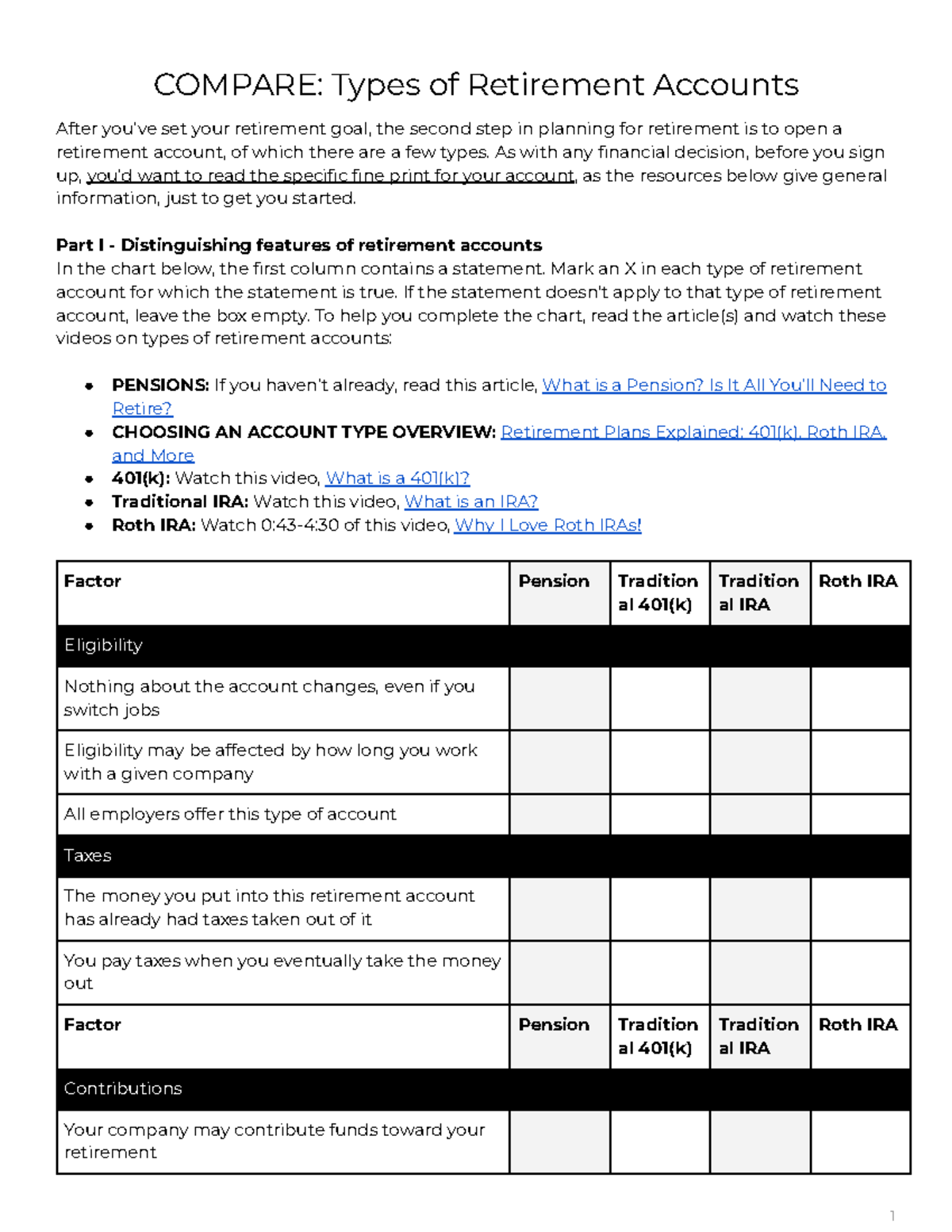
Retirement accounts are generally classified as non-liquid assets because they are intended for long-term growth and are often subject to early withdrawal penalties, tax consequences, and accessibility restrictions. While they contribute significantly to your total net worth, they do not function as "liquid" funds available for immediate use without significant financial friction.
Understanding the Concept of Net Worth vs. Liquidity
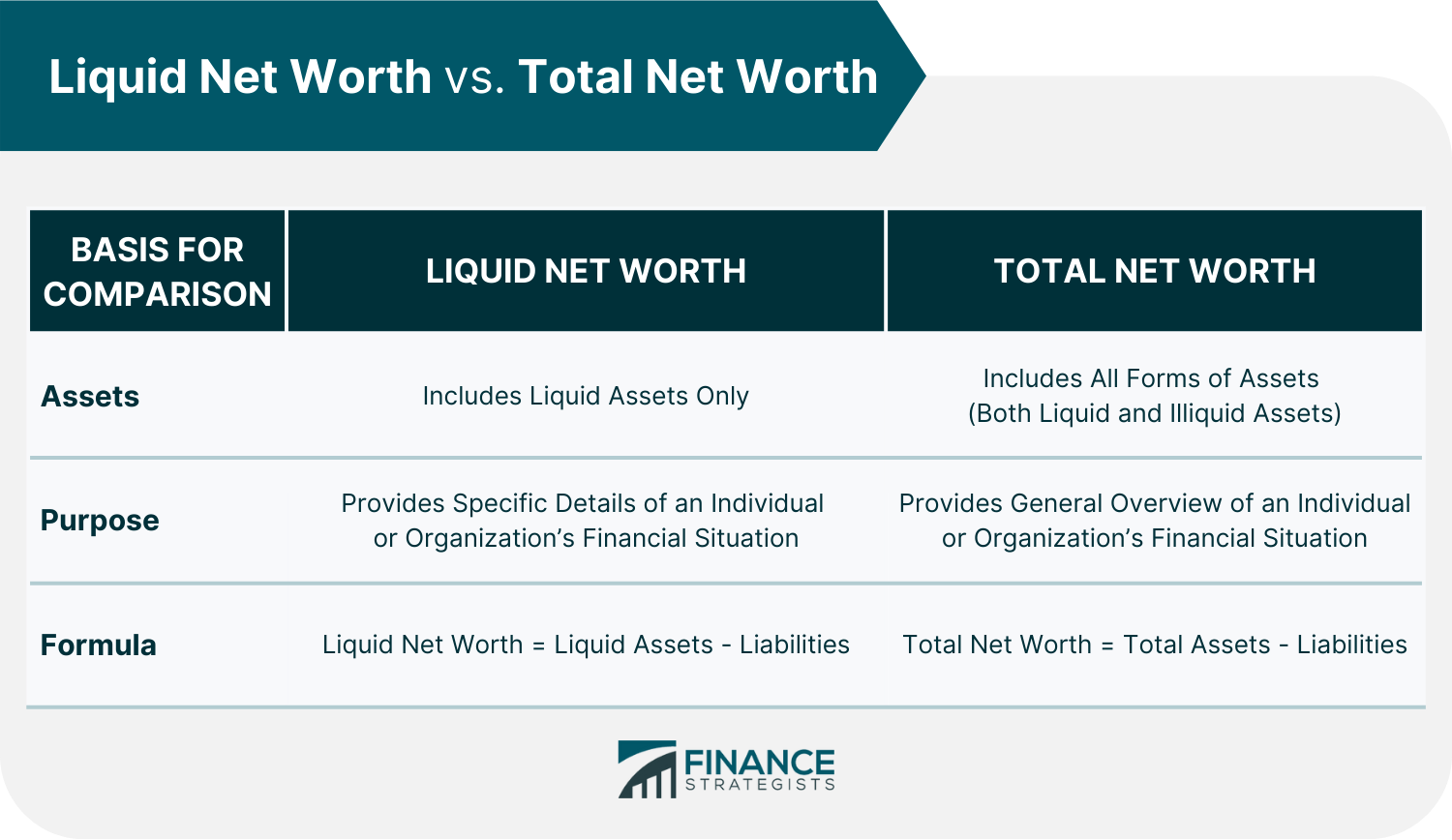
To determine your financial health, you must distinguish between two fundamental metrics: total net worth and liquid net worth. Total net worth is a snapshot of your complete financial position, calculated by subtracting your total liabilities from your total assets. This includes everything from your primary residence and personal property to your investment portfolio and retirement accounts.
Liquidity, by contrast, refers to the speed and ease with which an asset can be converted into cash without a substantial loss in value. Cash in a high-yield savings account is highly liquid because it is readily available. A 401(k) or an Individual Retirement Account (IRA), however, is fundamentally designed to be illiquid. Even though you may be able to see the balance and trade underlying assets within the account, the "liquid" portion is restricted by federal regulations, tax codes, and time horizons.
Why Retirement Accounts Are Categorized as Non-Liquid
Retirement accounts are intentionally structured to discourage premature access. This is a deliberate design feature of the tax-advantaged status provided by the U.S. government.
The 10% Penalty Barrier
For most retirement vehicles—such as traditional 401(k)s, 403(b)s, and IRAs—the Internal Revenue Service (IRS) imposes a 10% tax penalty on withdrawals made before the account holder reaches the age of 59½. This penalty serves as a significant financial deterrent, effectively rendering the funds "locked" for the average worker. Because you would incur a guaranteed loss of value by accessing these funds early, they do not meet the definition of a liquid asset.
Tax Implications
Beyond the early withdrawal penalty, distributions from tax-deferred accounts (like a Traditional 401(k) or Traditional IRA) are treated as ordinary income. Withdrawing a large sum to satisfy an immediate cash need could push you into a higher tax bracket, further eroding the net value of the withdrawal. Unlike liquid assets such as checking accounts, where you have already paid taxes on the funds, retirement accounts represent "pre-tax" wealth that carries a future tax liability.
Market Volatility and Settlement Times
Even if you are of retirement age, these accounts are not instantly liquid in the way cash is. Retirement accounts are typically invested in stocks, bonds, mutual funds, or ETFs. To turn these into cash, you must execute a sell order, wait for the trade to settle (often two business days, known as T+2 settlement), and then request a distribution from the plan administrator. This process can take days or even weeks, which does not align with the definition of "liquid" capital intended for emergencies or short-term expenses.
Comparing Asset Classes by Liquidity
To better visualize where your retirement accounts sit within your overall balance sheet, consider how different assets are categorized based on their ease of conversion to cash.
| Asset Class | Liquidity Status | Accessibility |
|---|---|---|
| Checking/Savings Accounts | Highly Liquid | Instant access; no penalties |
| Money Market Accounts | Highly Liquid | Instant access; minimal limits |
| Publicly Traded Stocks/ETFs | Moderately Liquid | 1–3 business days for settlement |
| Traditional 401(k) / IRA | Non-Liquid | Restricted; taxes and penalties apply |
| Real Estate | Illiquid | Months to sell; high transaction costs |
| Business Equity | Highly Illiquid | Difficult to value and sell quickly |
When Are Retirement Accounts Treated as Liquid?
There are specific exceptions to the rule that retirement accounts are non-liquid. In rare, legally defined circumstances, these funds can be accessed with fewer barriers, though they still rarely qualify as "liquid" in the traditional financial sense.
- Hardship Withdrawals: Some 401(k) plans allow for hardship withdrawals in the event of immediate, heavy financial needs (e.g., medical expenses or preventing eviction). While this provides access, it is a restricted, manual, and often costly process.
- Loans: Some 401(k) plans allow you to borrow against your balance. While this provides immediate cash, it is a loan that must be repaid with interest, and failure to repay it can result in the loan being treated as a taxable distribution.
- Age 59½ and Beyond: Once you reach the age of 59½, the penalty for early withdrawal is removed. At this stage, the accounts become significantly more liquid than they were during your working years, as you can take distributions at will, subject only to the standard market settlement times and income tax requirements.
The Impact on Financial Planning
Confusing total net worth with liquid net worth is a common error that can lead to cash flow crises. A household might have a total net worth of $500,000, with $400,000 tied up in retirement accounts. If that household faces a sudden job loss or a massive emergency repair, their $400,000 retirement cushion cannot be accessed without triggering significant penalties and tax hits.
Maintaining an Emergency Fund
Financial advisors consistently emphasize the importance of keeping 3 to 6 months of essential living expenses in a highly liquid account—separate from your retirement nest egg. This "emergency fund" is your true liquid net worth. By keeping these funds separate, you protect your long-term retirement investments from being liquidated at the wrong time (such as during a market downturn).
Rebalancing and Asset Allocation
When you evaluate your portfolio, it is helpful to look at your "liquidity ratio." This is the ratio of your liquid assets to your monthly expenses. If your ratio is low, you should focus on building up cash reserves before contributing additional funds to your retirement accounts, regardless of the tax advantages they offer. Your retirement accounts should be viewed as a long-term silo, while your liquid savings act as the shock absorber for your daily life.
Common Misconceptions
A persistent myth is that because you can "see" your 401(k) balance on an app, it is money you have "on hand." This cognitive bias can lead to overspending. It is essential to categorize your assets mentally based on their utility. Treat retirement accounts as a "future self" asset—funds that are technically yours but are legally and operationally cordoned off from your current-day financial obligations.
Furthermore, some investors believe that because an IRA contains cash (if it is held in a money market fund within the IRA), it counts as a liquid asset. While the internal asset is liquid, the account wrapper remains restricted. Attempting to move that cash out of the IRA into a checking account is still an "IRA distribution," which remains subject to the same tax and penalty rules as any other withdrawal.
Next Actions for Financial Assessment
- Calculate Your True Liquid Net Worth: List your cash, savings, and short-term CDs. This is your accessible capital.
- Review Your Retirement Plan Documents: Check the specific summary plan description for your employer-sponsored account. Understand what, if any, provisions exist for loans or hardship withdrawals, and what the specific timeframes are for processing a withdrawal.
- Assess Your Time Horizon: If you anticipate needing capital for a major purchase—such as a down payment on a home or a child's tuition—do not rely on retirement accounts. These goals require a separate investment vehicle that allows for liquidity without penalties.
- Consult a Tax Professional: Before taking any action that involves moving funds from a retirement account, consult with a CPA or tax advisor to understand the exact tax consequences for your specific bracket.
Disclaimer: This information is for educational purposes only and does not constitute financial, legal, or tax advice. Financial regulations and tax codes can change and vary based on individual circumstances. Consult with a qualified professional before making decisions regarding your retirement accounts.
Frequently Asked Questions
Does a Roth IRA count as liquid net worth? While you can withdraw your contributions to a Roth IRA at any time without tax or penalty, your earnings remain subject to restrictions until age 59½ and a five-year holding period. Consequently, while more flexible than a traditional IRA, it is still not considered fully liquid in the same way as a bank account.
Should I include retirement accounts in my net worth statement? Yes. For the purposes of calculating your total net worth, you should include the current fair market value of all retirement accounts. However, you should track this separately from your "liquid" or "available" net worth to avoid overestimating the cash you have available for immediate needs.
Do 401(k) loans count toward my liquid net worth? No. A 401(k) loan is a liability you owe to your own retirement plan. While you receive cash, you are simultaneously creating a debt obligation that must be repaid. It is not an increase in your net worth; it is merely a redistribution of assets that often comes with interest payments and potential tax risks.
How does my employer's vesting schedule affect liquidity? Vesting refers to your ownership of employer contributions (like a 401(k) match). If you are not fully vested, you do not actually "own" those assets yet. Consequently, unvested employer contributions should never be counted toward your total or liquid net worth until they legally belong to you.
Is it ever smart to treat retirement accounts as liquid? Generally, no. Accessing retirement accounts prematurely is considered a "last resort" measure. Using these funds for anything other than retirement reduces the impact of compound interest and creates immediate financial drag through taxes and penalties, which can significantly jeopardize your long-term financial security.