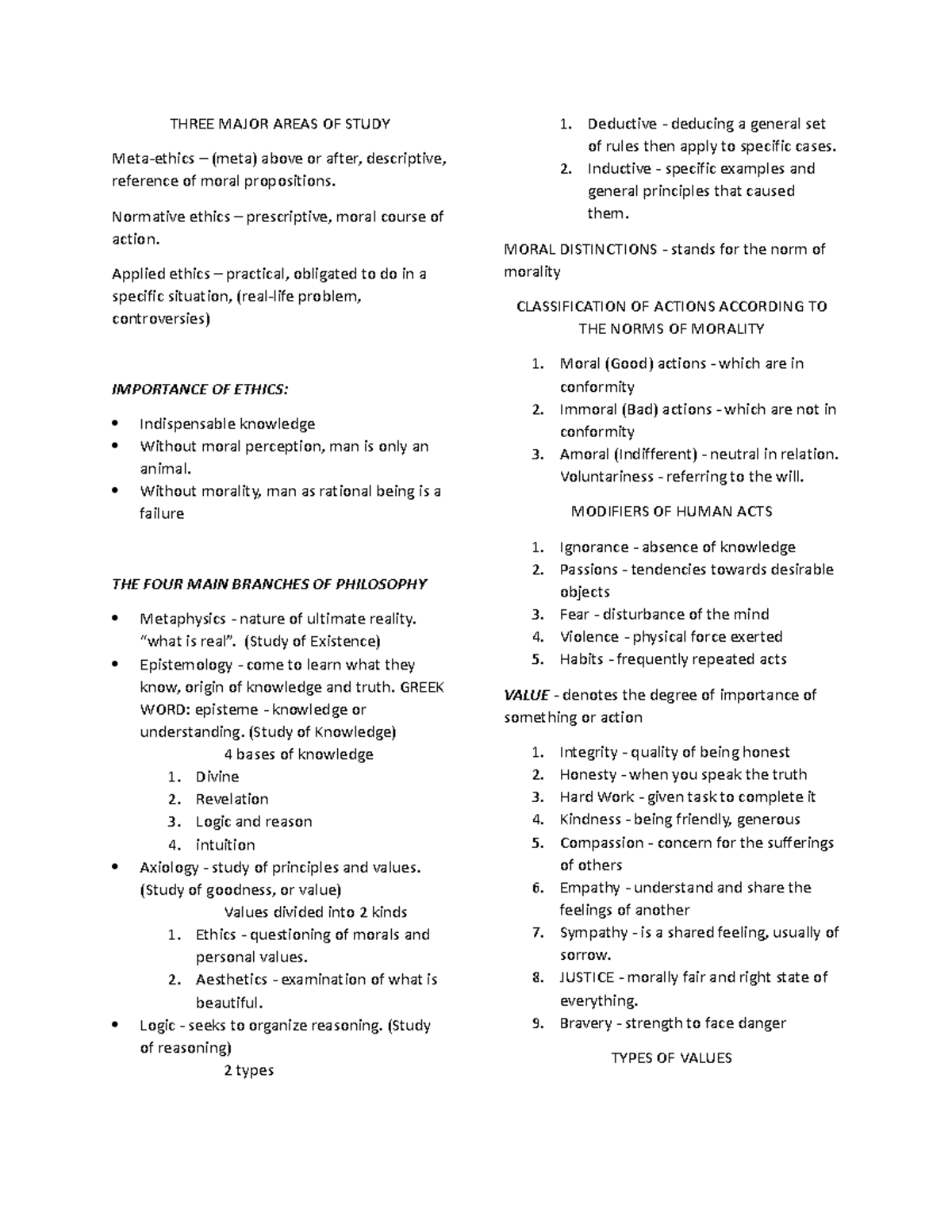
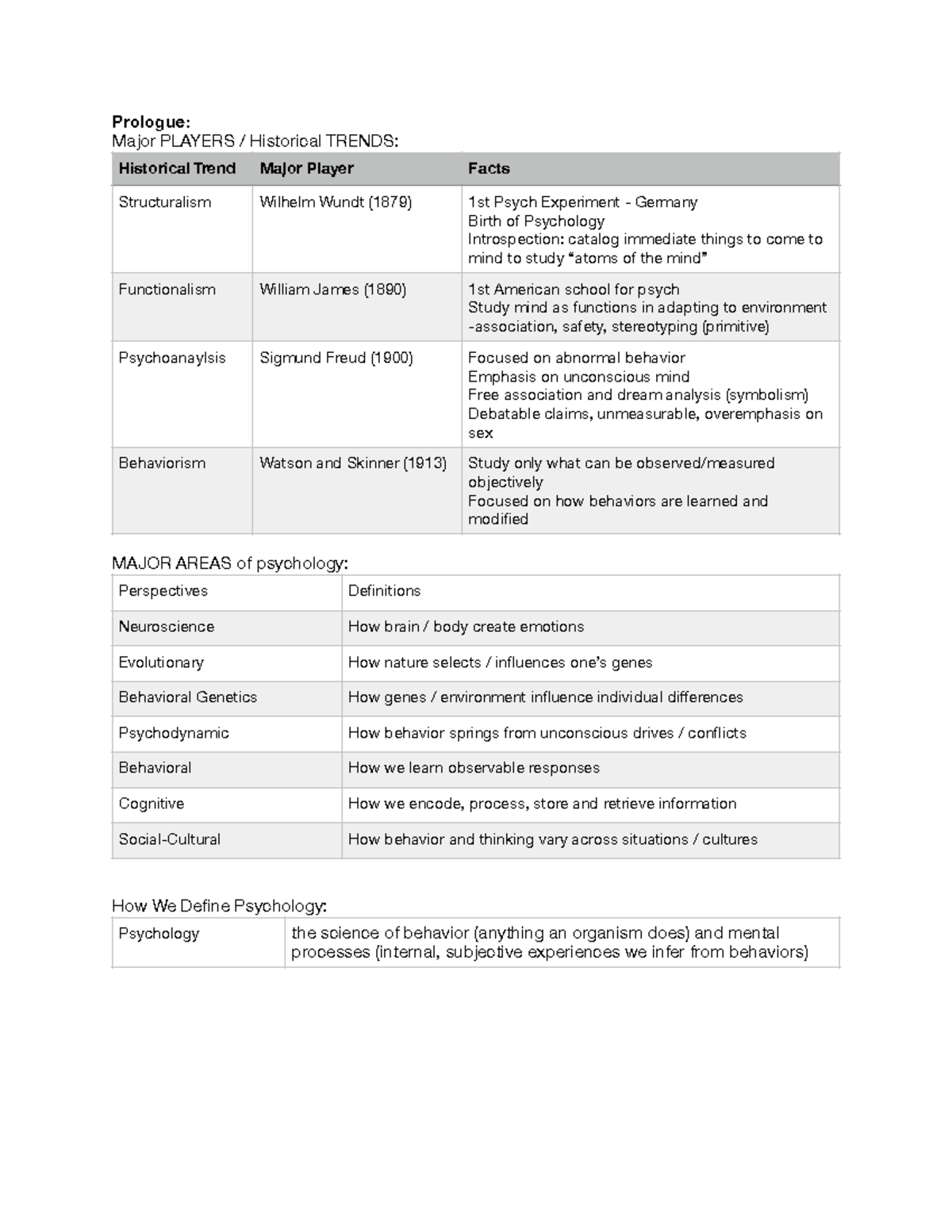
An area of study refers to a broad academic discipline or field of interest, while a major represents the specific, formalized program of study a student completes to earn their degree. Together, these terms define the curriculum structure that guides a student’s academic progression and eventual professional specialization within a post-secondary institution.
Defining the Academic Landscape
In the context of higher education, students often encounter terminology that appears interchangeable but serves distinct structural purposes. Understanding the nuances between a broad "area of study" and a specific "major" is essential for navigating degree requirements, registration portals, and long-term career planning.
An area of study acts as an umbrella term. It encompasses a family of related disciplines. For example, "Social Sciences" is an area of study that includes psychology, sociology, political science, and anthropology. It provides the intellectual framework and foundational methodologies for the specific subjects housed within it.
A major, conversely, is the primary focus of a student’s degree. It is a structured sequence of courses—usually totaling 30 to 60 credit hours depending on the institution—that leads to expertise in a narrower field. While you may have a general interest in the "Humanities" (your area of study), you must choose a major, such as "English Literature" or "Philosophy," to fulfill the requirements for graduation.
The Structural Role of the Major
A major is more than just a collection of classes; it is an academic contract between the student and the institution. When a student declares a major, they are committing to a specific set of rigorous standards and prerequisites that the faculty has determined are necessary for competency in that field.
Most universities design majors with three distinct tiers:
- Lower-Division Requirements: These are foundational courses, often introductory in nature, that build the base knowledge required for advanced topics.
- Upper-Division Requirements: These are specialized, high-level courses that require a deeper understanding of theory and application.
- Capstone or Thesis Projects: In many programs, the final stage of a major involves a project or research paper that integrates all previous learning, demonstrating the student's readiness to transition into a career or graduate study.
The importance of the major lies in the depth of learning. While the general education requirements of a degree ensure breadth of knowledge, the major ensures that a student can think critically and perform specific tasks within their chosen domain.
Distinguishing Majors from Minors and Concentrations
To fully grasp the meaning of a major, it is helpful to look at how it relates to other curricular components, such as minors and concentrations.
- Minors: A minor is an optional secondary focus that requires fewer credits than a major. It allows students to explore a different academic area—perhaps one that complements their major—without the same time commitment.
- Concentrations (or Specializations): These exist within a major. If your major is "Business Administration," your concentration might be "Supply Chain Management." It serves as a way to drill down further into a specific niche of the major.
- Double Majors: This occurs when a student completes all requirements for two different majors simultaneously. This typically requires a higher total credit count and careful coordination with academic advisors to ensure all degree markers are met.
The Evolution of Academic Disciplines
The definition of a major is not static. Throughout the 2020s, interdisciplinary studies have become increasingly prominent. Institutions now frequently offer "hybrid" majors that blend traditional areas of study. For instance, a major in "Computational Biology" combines elements from the "Biological Sciences" area of study and the "Computer Science" area of study.
When selecting a major, students should verify the institutional catalog for the current academic year. Because degree requirements are subject to change based on faculty research, accreditation standards, and labor market demands, the specific "meaning" of a major can shift slightly even within the same university over a four-year period.
Comparative Analysis of Academic Structures
The following table summarizes how different components of your degree contribute to your overall education.
| Component | Scope | Primary Purpose | Credit Commitment |
|---|---|---|---|
| General Education | Broad / Interdisciplinary | Provides a well-rounded academic base | High (approx. 30-40%) |
| Major | Focused / Specialized | Develops professional or academic expertise | High (approx. 40-50%) |
| Minor | Targeted | Explores a secondary interest or skill | Low (approx. 10-15%) |
| Concentration | Niche / Granular | Tailors the major to a specific sub-field | Moderate (embedded) |
Prerequisites and the Declaration Process
Declaring a major is a formal process that usually occurs toward the end of a student’s second year. Before this can happen, students must satisfy prerequisite requirements. These often include:
- Minimum GPA: Some competitive majors, particularly in engineering, nursing, or business, require a specific grade point average in introductory courses to ensure the student is prepared for advanced content.
- Gateway Courses: These are specific classes that must be passed with a "C" or better before a student can move on to the core requirements of the major.
- Advising Sessions: Most institutions mandate a meeting with a departmental advisor. This step is critical because it ensures the student understands the demands of the major and the career outcomes associated with it.
It is a common misconception that a major must be chosen before enrollment. While some programs (like direct-entry nursing) require selection on the application, many students enter under an "Undeclared" or "Exploratory" status. This is a legitimate path that allows the student to sample different areas of study before committing to a major.
Common Challenges and Troubleshooting
Students frequently encounter obstacles when attempting to understand or change their major. If you find yourself struggling with your current academic path, consider the following steps:
- Auditing Your Credits: Use your institution’s online degree audit tool. This system maps every course you have taken against the requirements of a specific major. It will show you exactly which requirements are met and which remain.
- Consulting the Registrar: The registrar’s office is the final authority on what counts toward a degree. If a course is not appearing where it should, the registrar can provide the official policy on course substitution or transfer credit evaluation.
- Assessing Career Alignment: If your motivation for changing a major is related to job prospects, visit your university’s career services center. They can provide data on employment trends for specific majors, which may help you decide if a change is pragmatic.
One common mistake is treating the major as the sole determinant of career success. While a major in "Accounting" is directly linked to the accounting profession, many other majors—such as "History" or "English"—teach transferable skills like critical thinking, research, and technical writing that are highly valued across numerous industries.
Frequently Asked Questions
Does my major determine my career path indefinitely? Not necessarily. While some professions like medicine or law require specific undergraduate preparation, many employers look for a combination of academic rigor, internships, and soft skills. A major demonstrates your ability to commit to a goal and master a complex subject, which is often more important to employers than the specific content of the degree.
Can I change my major if I am already halfway through my degree? Yes, but you should expect an extension to your graduation timeline. Changing majors late requires a manual audit of your completed credits to see which ones will fulfill the requirements of the new major and which will count as elective credit. Always speak with an advisor in the new department before finalizing this change.
What is the difference between an area of study and a department? An area of study is a thematic classification of knowledge (e.g., Natural Sciences). A department is the administrative unit within a university that manages faculty, budgets, and degree programs within that area of study (e.g., the Department of Physics).
Are all majors available at every university? No. Majors are offered based on the faculty expertise and resources of an institution. A research university might offer a highly specialized major in "Nanotechnology," while a liberal arts college might focus on broader majors like "Physics."
What if my area of study does not have a major that matches my interests? Many universities offer an "Individualized Major" or "Interdisciplinary Major" program. This allows you to work with faculty advisors to design a unique curriculum that satisfies the school's graduation standards while reflecting your specific academic goals.
Next Steps for Students
If you are currently evaluating your academic trajectory, begin by mapping your interests to the areas of study provided by your institution. Once you have identified a potential area, access your student portal to review the specific degree map for the associated majors. Look closely at the upper-division courses to see if the subject matter aligns with your intellectual curiosity and professional goals.
Set an appointment with an academic advisor in the department you are considering. Ask them about the "culture" of the major, the types of projects students work on, and the typical career outcomes for graduates. By gathering this specific information, you can make an informed decision that bridges the gap between your initial area of study and the definitive major that will carry you through to graduation.