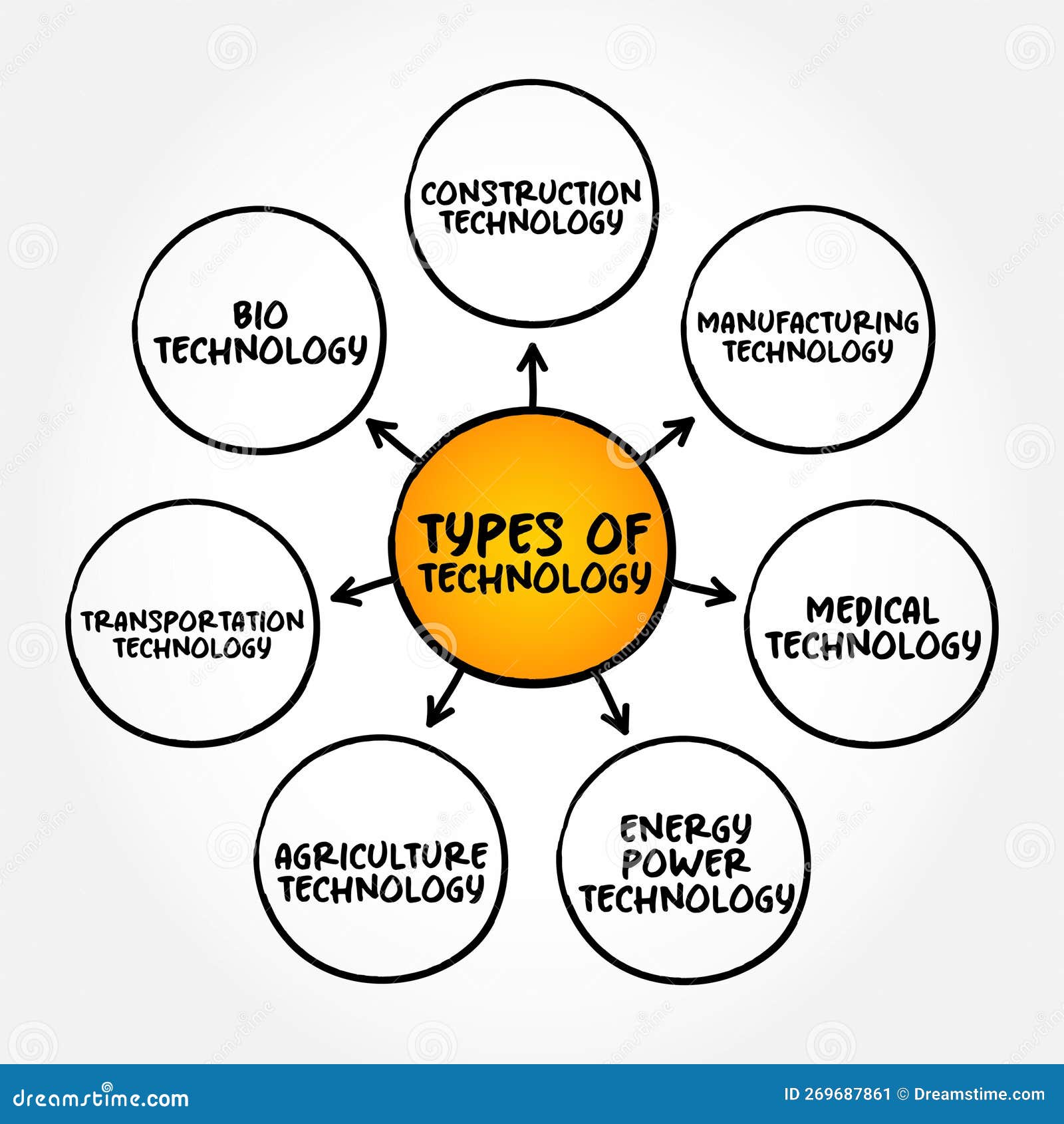
The landscape of modern technology is defined by a collection of interconnected domains that drive global innovation, ranging from foundational computing hardware to advanced artificial intelligence and decentralized systems. Understanding these areas requires looking at how specialized fields—such as cybersecurity, software engineering, data science, and cloud infrastructure—integrate to solve complex organizational and societal problems.
Core Foundations: Hardware and Systems Architecture
Hardware remains the literal foundation of all technological progress. This area involves the design, development, and maintenance of the physical components that process, store, and transmit data. As of 2026, the focus has shifted significantly toward specialized hardware designed to handle high-compute workloads, such as Tensor Processing Units (TPUs) for machine learning and energy-efficient ARM-based architectures for data centers.
The evolution of hardware is not limited to central processing units. It extends to storage solutions, such as NVMe (Non-Volatile Memory Express) technologies, and high-speed networking hardware that facilitates low-latency communication. Professionals in this sector focus on hardware abstraction layers, ensuring that software can interact seamlessly with diverse physical architectures. Understanding hardware constraints is essential for developers, as it dictates the efficiency and scalability of every software application built on top of it.
Software Engineering and Development Methodologies
Software engineering is the systematic application of engineering principles to the development of software. This area is broad, encompassing the full lifecycle of a digital product—from initial requirements gathering and architecture design to coding, testing, and long-term maintenance.
Modern software development is heavily influenced by DevOps and DevSecOps, which prioritize the integration of development, operations, and security. The industry standard has moved toward microservices architectures, where applications are built as a collection of loosely coupled services. This modularity allows for faster deployment cycles and improved fault tolerance. Proficiency in this area requires a deep understanding of version control systems (such as Git), CI/CD pipelines, and the ability to write maintainable, scalable code across various programming languages like Python, Rust, and Go.
Data Science, Analytics, and Artificial Intelligence
Data science and artificial intelligence (AI) have transitioned from experimental fields to core operational pillars. Data science focuses on extracting actionable insights from vast, often unstructured, datasets through statistical modeling and machine learning algorithms.
Artificial Intelligence, particularly the subset of generative AI, has fundamentally changed how organizations interact with data. In 2026, the emphasis is on the deployment of Large Language Models (LLMs) and predictive analytics that assist in automated decision-making. The challenge in this area is not merely model training but the ethical implementation, data governance, and ensuring the reliability of AI outputs. Organizations must manage the lifecycle of models, which includes monitoring for "drift"—where model performance degrades over time as real-world data changes—and implementing rigorous validation protocols.
Cybersecurity and Information Assurance
As systems become more interconnected, the attack surface for potential threats expands, making cybersecurity one of the most critical areas in technology. This field covers the protection of networks, devices, programs, and data from unauthorized access or criminal use.
Effective cybersecurity involves a defense-in-depth strategy. It starts with identity and access management (IAM), moves through network segmentation, and relies heavily on encryption protocols for data at rest and in transit. A primary focus in 2026 is "Zero Trust" architecture, a security framework that assumes no entity inside or outside the network should be trusted by default. Every access request must be continuously verified, authorized, and validated. Cybersecurity also incorporates compliance management, ensuring that organizations meet regional regulations like the EU's General Data Protection Regulation (GDPR) or the California Consumer Privacy Act (CCPA).
Cloud Computing and Distributed Infrastructure
Cloud computing represents the delivery of computing services—including servers, storage, databases, networking, and software—over the internet. By moving away from on-premises hardware, organizations can leverage on-demand scalability and pay-as-you-go pricing models.
There are three primary service models:
- Infrastructure as a Service (IaaS): Provides raw computing resources like virtual machines and storage.
- Platform as a Service (PaaS): Offers a framework for developers to build and deploy applications without worrying about underlying server management.
- Software as a Service (SaaS): Delivers fully functional software applications directly to the user over the web.
The maturity of cloud infrastructure is currently measured by the ability to manage multi-cloud or hybrid-cloud environments. This ensures redundancy and avoids vendor lock-in, though it introduces significant complexity in terms of orchestration, which is typically managed via tools like Kubernetes.
Comparative Analysis of Technological Domains
The following table provides a high-level comparison of these major areas, highlighting their primary goals and the technical skill sets required to excel in them.
| Area | Primary Goal | Key Technologies |
|---|---|---|
| Hardware/Systems | Compute and storage efficiency | Silicon design, ARM, NVMe, PCIe |
| Software Engineering | Product reliability and scalability | Microservices, CI/CD, Git, API Design |
| Data Science/AI | Insight and automated inference | LLMs, SQL, PyTorch, Model Ops |
| Cybersecurity | Asset and data protection | Zero Trust, IAM, Encryption, SIEM |
| Cloud Infrastructure | Scalability and service delivery | Kubernetes, Terraform, Cloud APIs |
Managing Interdependencies: The Integrated Approach
It is a mistake to view these areas as isolated silos. A software engineer who ignores infrastructure constraints will write inefficient code; a data scientist who ignores cybersecurity will risk the integrity of their models; and a hardware engineer who ignores software trends will produce obsolete components.
The most successful technological projects in 2026 are those where interdisciplinary collaboration is baked into the workflow. For example, building a scalable AI application requires the collaboration of data scientists (for the model), software engineers (for the API interface), and cloud engineers (for the infrastructure to host the model at scale). Recognizing these overlaps is the key to mastering any specific niche within technology.
Frequently Asked Questions (FAQ)
1. How do I decide which area of technology to focus on? Begin by identifying your interest in either the "builder" side (software and hardware engineering) or the "analyst" side (data science and security). Evaluate your aptitude for math and logic, as these are foundational for AI and security, whereas creative problem-solving is often more critical for software development.
2. Is formal education still necessary for these technology areas? While formal degrees provide a structured path, the speed of change in technology means that continuous self-directed learning is mandatory. Many professionals use bootcamps and certifications from recognized cloud providers or professional bodies to supplement foundational knowledge with practical, current-market skills.
3. What is the current role of "Zero Trust" in cybersecurity? Zero Trust is the modern standard for information security. It replaces the traditional "castle-and-moat" security model—where everything inside the perimeter is trusted—with a model that treats every user and device as a potential threat until proven otherwise.
4. How can I keep up with the rate of change in these fields? Focus on understanding core principles (like how computer memory works or the basics of probability) rather than just the latest tools. Principles remain stable while specific software tools change every few years. Subscribing to technical journals and official documentation, rather than opinion-based blogs, is a more effective way to stay informed.
5. Are cloud-native development skills essential for all software roles? In 2026, yes. Even if you are not a dedicated "cloud engineer," almost all modern applications are designed to run in a distributed environment. Understanding how code interacts with cloud containers and serverless functions is now a baseline expectation for junior to mid-level software roles.
Next Steps for Practitioners
If you are looking to advance your expertise, start by performing a gap analysis against the domains listed above. If you are a developer, try deploying a small application using a containerized environment to learn the basics of cloud orchestration. If you are in management, evaluate how your organization’s security posture aligns with Zero Trust requirements. The goal is to move from a narrow focus toward an integrated understanding of how these technological pillars support one another.