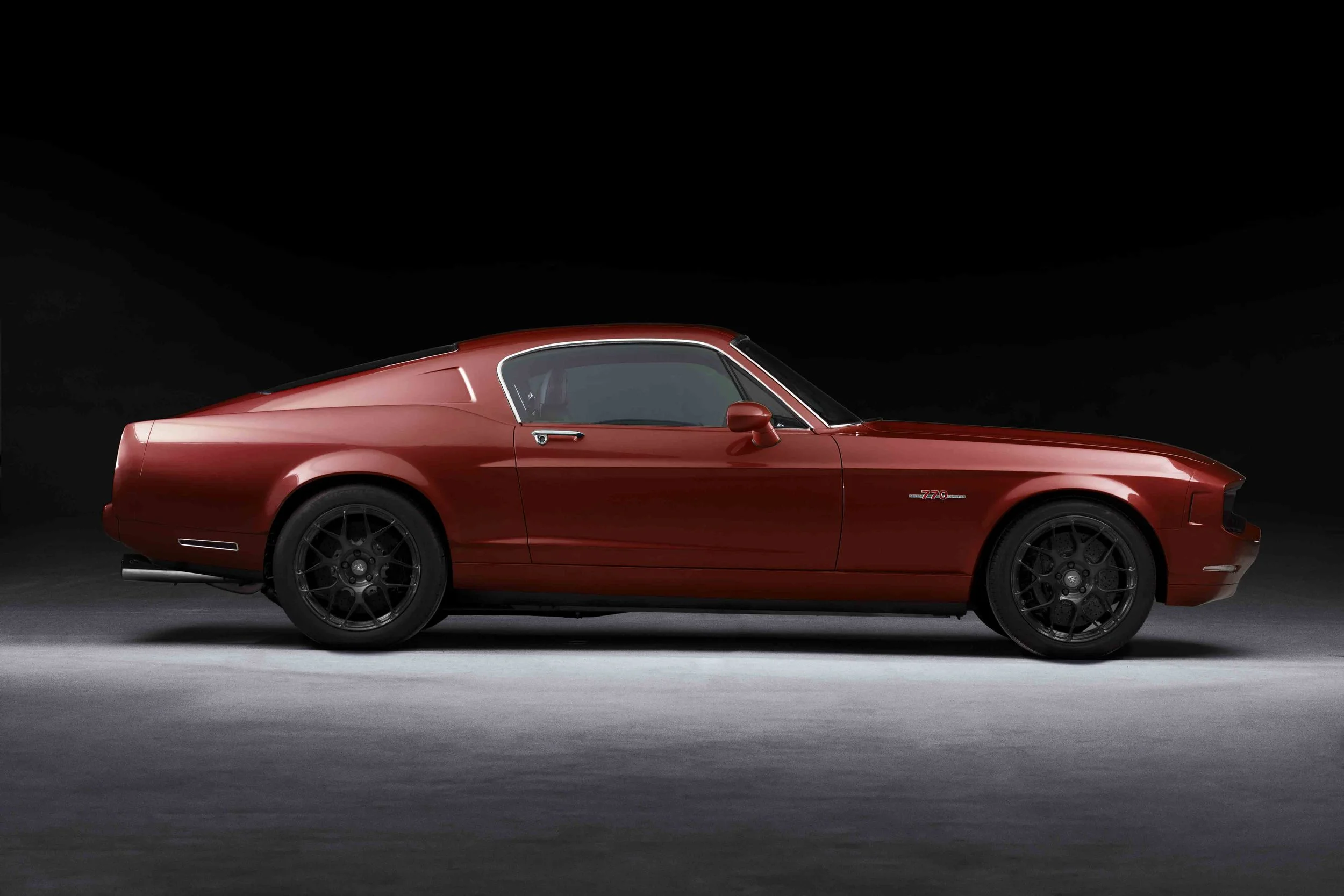
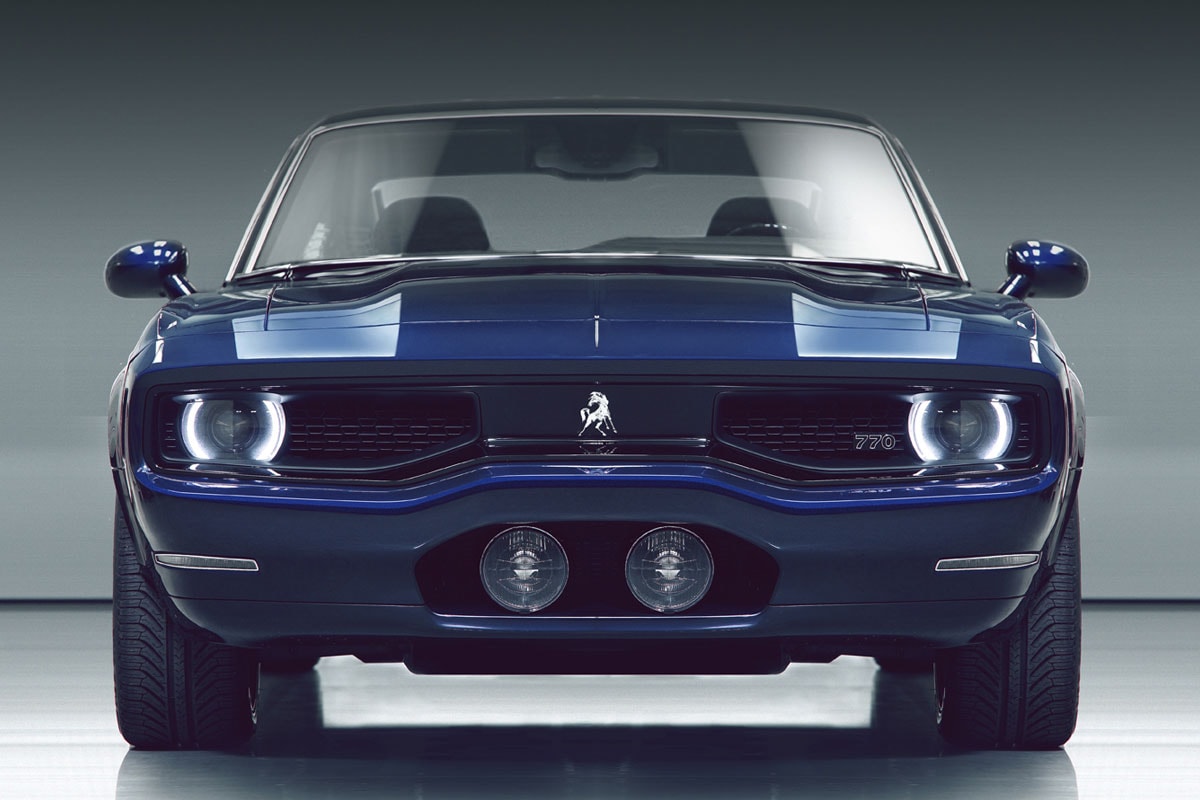
The Equus Bass 770 is a handcrafted, American-made luxury muscle car that seamlessly blends 1960s fastback aesthetics with 21st-century supercar performance. Featuring a 640-horsepower supercharged V8 engine and a bespoke aluminum chassis, it represents the pinnacle of "retro-modern" automotive engineering for collectors seeking vintage soul without mechanical compromise.
The Genesis of the Equus Bass 770
The Equus Bass 770 was born from a desire to capture the "Golden Age" of American muscle while eliminating the reliability and safety drawbacks of vintage vehicles. Developed by Equus Automotive—a company deeply rooted in the Detroit automotive ecosystem—the Bass 770 is not a "restomod" in the traditional sense. It is a ground-up, clean-sheet design that utilizes modern materials and manufacturing techniques to create a vehicle that looks like a classic but performs like a modern grand tourer.
The name "Equus" refers to the Latin word for horse, a nod to the iconic pony cars of the 1960s, while "770" pays homage to the displacement and performance heritage that defined the era. Since its debut, it has occupied a unique niche in the market: it is a boutique vehicle that provides the visceral experience of a 1960s Mustang or Charger, supported by the engineering precision of a modern supercar. In 2026, the Bass 770 remains a benchmark for how heritage design can be successfully integrated with contemporary technology.
Design and Aesthetics: A Masterclass in Retro-Futurism
The visual identity of the 770 Equus Bass is an intentional collage of the most iconic design cues from the muscle car era. To the untrained eye, it may resemble a 1967 Ford Mustang Fastback, but closer inspection reveals a more complex silhouette.
Exterior Sculpting
The body is constructed from a combination of lightweight aluminum and carbon fiber. This choice of materials serves two purposes: it reduces the overall curb weight for better performance and allows for sharper, more defined body lines than traditional steel stamping could achieve.
Key design elements include:
- The Profile: A classic fastback silhouette that evokes the 1960s Mustang and AMC Javelin.
- The Front Fascia: A wide, aggressive grille reminiscent of the 1970 Dodge Challenger, flanked by modern LED lighting.
- The Rear End: A ducktail spoiler integrated into the bodywork and signature horizontal tail lights that suggest the influence of the Plymouth Barracuda.
Aerodynamics and Cooling
Despite its retro shape, the Bass 770 incorporates modern aerodynamic considerations. The front splitter and rear diffuser are subtly integrated to manage airflow at high speeds—essential for a car capable of reaching 200 mph. Furthermore, the functional hood vents and side intakes are strategically placed to feed the massive supercharged engine and cool the high-performance braking system.
Engineering and Performance: The Heart of a Supercar
Underneath the vintage-inspired skin, the Equus Bass 770 is an engineering marvel. It does not use a donor chassis from an old car; instead, it features a proprietary aluminum frame designed to handle the massive torque loads of its powertrain.
The Powertrain
The centerpiece of the Bass 770 is the 6.2-liter LS9 supercharged V8 engine, a powerplant famously sourced from the Chevrolet Corvette ZR1. This choice was deliberate: the LS9 offers world-class power, a broad torque curve, and—most importantly—modern reliability and serviceability.
- Horsepower: 640 hp at 6,500 rpm
- Torque: 605 lb-ft at 3,800 rpm
- Transmission: A rear-mounted 6-speed dual-clutch transmission provides near-instantaneous shifts and contributes to a balanced 54/46 weight distribution.
Handling and Suspension
To manage its 640 horsepower, Equus equipped the Bass 770 with Magnetic Ride Control. This system uses dampers filled with magnetorheological fluid, which can change viscosity in milliseconds in response to an electric charge. This allows the car to offer a supple, luxury ride during cruising while immediately stiffening up for high-performance cornering.
The braking system is equally impressive, featuring Brembo carbon-ceramic rotors. These provide immense stopping power and are resistant to brake fade, a common issue in heavy muscle cars. This combination of a lightweight aluminum chassis, advanced suspension, and supercar-tier brakes ensures that the Bass 770 handles with a level of precision that no original 1960s muscle car could ever hope to achieve.
Technical Specifications and Performance Metrics
The following table outlines the core specifications of the Equus Bass 770 as it stands in the current 2026 automotive landscape.
| Feature | Specification | Component Detail |
|---|---|---|
| Engine | 6.2L Supercharged V8 | Aluminum block, LS9 architecture |
| Max Power | 640 hp | 477 kW |
| Max Torque | 605 lb-ft | 820 Nm |
| Acceleration | 0-60 mph in 3.4 seconds | Supercar-level performance |
| Top Speed | 200 mph | Aerodynamically limited |
| Chassis | Aluminum Monocoque | Bespoke, high-rigidity design |
| Body Material | Carbon Fiber & Aluminum | Lightweight composite construction |
| Suspension | Magnetic Ride Control | Adaptive damping system |
| Brakes | Brembo Carbon Ceramic | High-thermal capacity rotors |
| Weight | ~3,640 lbs | Optimized for power-to-weight ratio |
The Interior: Where Luxury Meets Raw Power
While the exterior is a tribute to the past, the interior of the Equus Bass 770 is a testament to modern luxury. In the original muscle cars, interiors were often utilitarian, filled with plastic and vinyl. The Bass 770 replaces this with hand-wrapped leather, Alcantara, and machined metals.
Craftsmanship and Materials
Almost every surface inside the cabin is covered in premium leather. The dashboard retains a dual-cowl design typical of 1960s sportscars, but the gauges are modern, high-definition units that provide the driver with clear data on engine vitals. The switches and knobs are made from billet aluminum, providing a tactile, high-quality feel that reinforces the car's boutique status.
Modern Technology
Equus understands that a 2026 driver expects modern conveniences. The 770 includes:
- Infotainment: A centrally mounted touchscreen with navigation, Apple CarPlay, and Android Auto integration.
- Sound System: A high-fidelity audio system designed to remain audible even over the roar of the supercharged V8.
- Safety Features: Modern airbags, ABS, traction control, and electronic stability control are all standard, making the Bass 770 significantly safer than any vintage counterpart.
Customization and the Ownership Experience
Owning an Equus Bass 770 is as much about the process as it is about the final product. Because each car is hand-built in Detroit, Equus offers an extensive customization program known as the "Privilege" program.
Bespoke Tailoring
Prospective owners are encouraged to work directly with Equus designers to select unique color palettes, interior stitching patterns, and even wheel designs. There is no "standard" Bass 770; each vehicle reflects the specific tastes of its owner. This level of personalization is a key driver of the car's $250,000+ price tag, placing it in the same league as offerings from Ferrari, Lamborghini, or high-end Porsche restorers like Singer.
Maintenance and Serviceability
One of the most significant advantages of the Bass 770 over other boutique cars is its GM-sourced powertrain. While the chassis and body are bespoke, the engine and many electrical components are shared with the Corvette ZR1. This means that while body repairs might require a specialist, the "heart" of the car can be serviced by high-end performance shops or even specialized GM dealerships, ensuring long-term viability for owners.
The Market and Investment Value in 2026
As of 2026, the Equus Bass 770 has solidified its position as a collector's item. In an era where the automotive industry is rapidly pivoting toward electrification and autonomous driving, the demand for high-performance, internal combustion "analog" experiences has surged.
Competitive Landscape
The Bass 770 competes in a very specific segment. Its rivals are not just modern supercars like the McLaren Artura, but rather high-end restomods and "reimagined" classics.
- Vs. Revology Mustangs: While Revology builds incredible Ford-licensed reproductions, they utilize existing Ford chassis designs. The Equus offers a more modern, rigid aluminum platform.
- Vs. Singer Porsche 911s: Singer focuses on the air-cooled German experience with extreme attention to detail. The Equus offers the American equivalent: raw, front-engine, rear-wheel-drive power with a focus on brute force and luxury.
Resale and Exclusivity
Because production numbers are extremely limited—often cited as being in the low hundreds—the Bass 770 has maintained its value remarkably well. It appeals to a demographic that appreciates the history of Detroit but wants the performance of a modern European exotic. In the secondary market, well-maintained examples often command prices close to or exceeding their original MSRP.
Common Questions About the Equus Bass 770
What engine is in the Equus Bass 770?
The Equus Bass 770 is powered by a 6.2-liter LS9 supercharged V8 engine. This engine was originally developed for the Chevrolet Corvette ZR1 (C6 generation). It produces 640 horsepower and 605 lb-ft of torque, providing the car with a top speed of 200 mph and a 0-60 mph time of just 3.4 seconds.
Is the Equus Bass 770 a modified Ford Mustang?
No, the Equus Bass 770 is not a modified Mustang. While its design is heavily inspired by the 1967-1968 Mustang Fastback, it is a completely bespoke vehicle. It features a unique aluminum chassis and a body made from carbon fiber and aluminum. No parts are shared with original vintage Fords.
How much does an Equus Bass 770 cost in 2026?
The starting price for a new Equus Bass 770 typically begins around $250,000. However, due to the extensive customization options available through the Privilege program, most units are delivered with a final price tag between $300,000 and $500,000, depending on the materials and bespoke features requested by the owner.
Is the Equus Bass 770 street legal?
Yes, the Equus Bass 770 was engineered to meet modern safety and emissions standards for low-volume manufacturers. It includes modern safety features such as airbags, anti-lock brakes (ABS), and electronic stability control, making it fully street-legal in the United States and many other international markets.
Where is the Equus Bass 770 manufactured?
The Equus Bass 770 is designed and hand-assembled in the United States, specifically in the Detroit, Michigan area. This location allows Equus Automotive to tap into the deep pool of automotive engineering talent and supply chains found in America’s "Motor City."
Final Recommendation for Prospective Buyers
The 770 Equus Bass is not a vehicle for the average enthusiast; it is a specialized machine for the individual who values the soul of the 1960s but refuses to deal with the mechanical fragility of a 60-year-old car. If you are looking for a vehicle that can stand out at a local car show while simultaneously holding its own against modern Ferraris on a highway, the Bass 770 is arguably the most cohesive "retro-modern" muscle car ever built.
For those considering a purchase in 2026, prioritize vehicles with documented service history and, if buying new, take full advantage of the customization program. The value of these cars lies in their exclusivity and the quality of their build. As the world moves toward silent electric vehicles, the roar of the LS9-powered Bass 770 will only become more desirable to the purist collector.