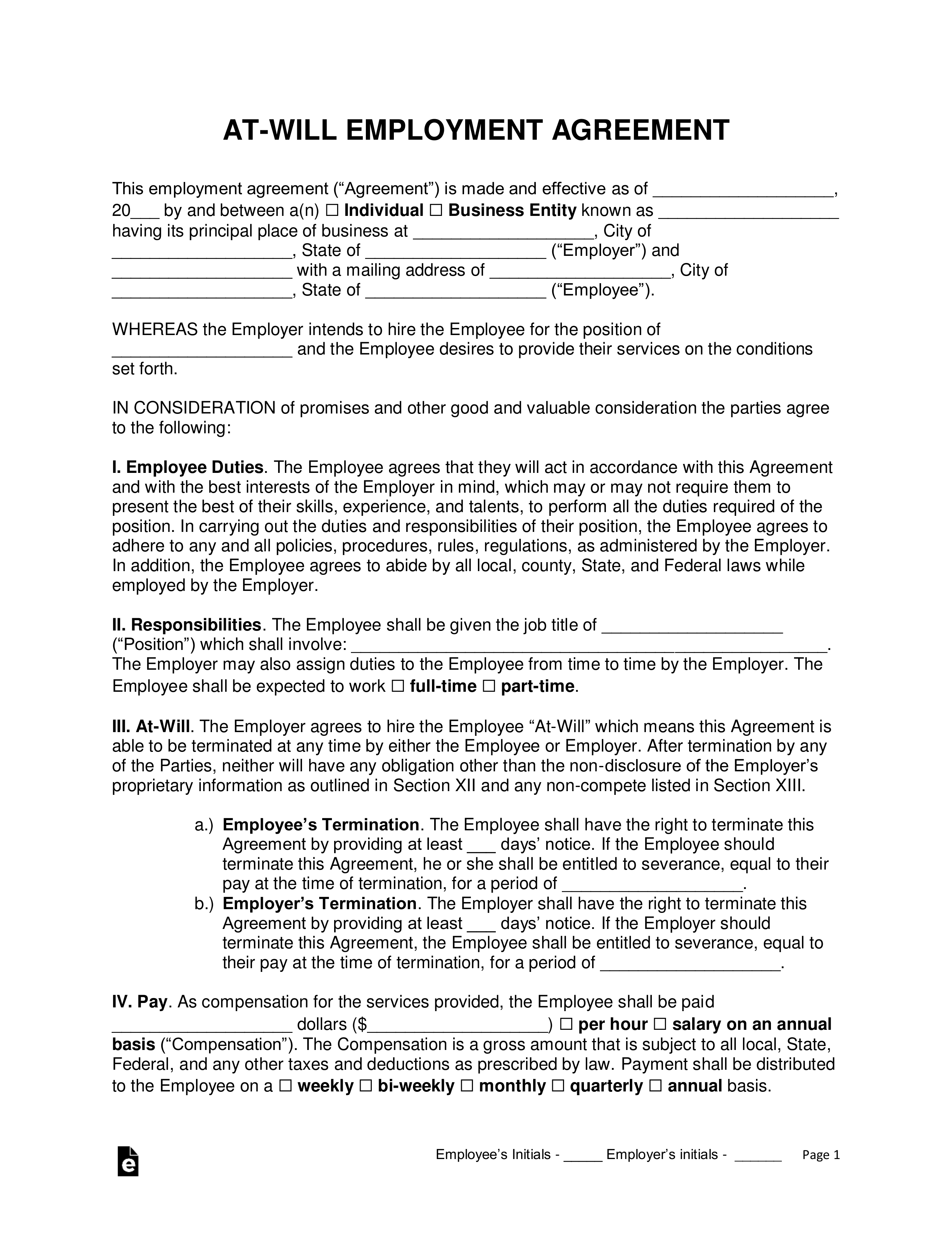
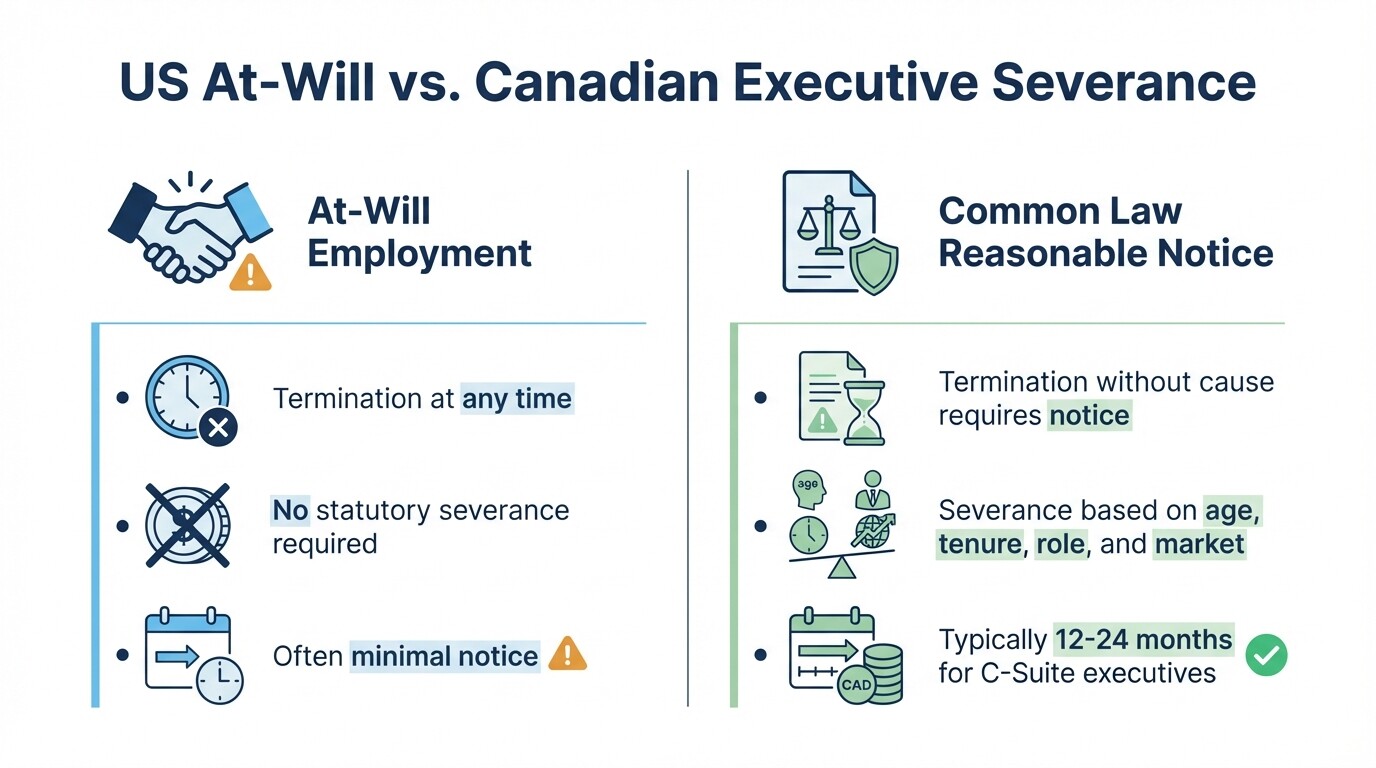
At-will employment is a legal doctrine in the United States specifying that an employer can terminate an employee for any reason, or no reason at all, without warning, provided the reason is not illegal. Simultaneously, it grants employees the right to resign at any time without notice or legal consequence.
The relationship between an employer and an employee is fundamental to the economy, yet it is often misunderstood. In 2026, while the workforce has shifted toward more flexible arrangements, remote operations, and algorithmic management, the core principle of at-will employment remains the default standard across nearly the entire United States. This doctrine provides a high degree of flexibility for the labor market but also creates significant uncertainty for workers who may find themselves jobless without prior indication. Understanding the nuances of this doctrine—and more importantly, its many exceptions—is essential for both HR professionals and workers navigating the modern landscape.
The Foundation of the At-Will Doctrine
The at-will employment doctrine emerged in the late 19th century, diverging from English common law, which typically assumed a one-year hiring period unless otherwise specified. By the early 20th century, U.S. courts had solidified the idea that because an employee could quit at any time, an employer should conversely have the right to fire at any time.
This "bilateral" nature is the theoretical justification for the law. It treats the employment relationship as a continuous series of daily agreements. If either party wishes to end the agreement for the following day, they are legally permitted to do so. In the current 2026 environment, this flexibility is often cited by businesses as a primary reason for the dynamism of the American economy, allowing companies to scale rapidly or pivot during economic shifts. However, for the individual, it means that "job security" is often a matter of performance and company health rather than a legal guarantee.
The Geographical Landscape: The 49-State Standard
It is a common misconception that at-will employment is a federal law. In reality, it is a matter of state law, though its application is remarkably consistent. Currently, 49 of the 50 states recognize at-will employment as the default legal presumption.
The Montana Exception
Montana stands alone as the only state that has significantly legislated against the pure at-will doctrine. Under the Montana Wrongful Discharge From Employment Act (WDEA), once an employee has completed an initial probationary period, the employer must have "good cause" to terminate them. Good cause is generally defined as a material violation of the written policies of the employer or a failure to satisfactorily perform job duties.
For businesses operating across state lines in 2026, the distinction between Montana and the rest of the country requires specific HR protocols. A manager in New York (a strict at-will state) cannot apply the same termination logic to a remote team member based in Montana without risking a wrongful discharge lawsuit.
Significant Exceptions to At-Will Employment
While at-will employment suggests an employer can fire for "any reason," this is a simplification. Over the decades, courts and legislatures have carved out substantial exceptions to protect workers from egregious or discriminatory practices. These exceptions generally fall into four categories:
1. Public Policy Exceptions
The most widely recognized exception is the public policy exception, which exists in an overwhelming majority of states. Under this rule, an employer cannot terminate an employee if the termination violates a well-established public policy of the state. Common examples include:
- Refusing to perform an illegal act: An employee cannot be fired for refusing to help an employer commit tax fraud or violate environmental regulations.
- Reporting illegal activity (Whistleblowing): Many states protect employees who report company wrongdoing to government agencies.
- Exercising a statutory right: Firing an employee because they filed a workers' compensation claim or took time off for jury duty is a violation of public policy.
2. Implied Contract Exceptions
Even in the absence of a formal, written employment contract, an "implied contract" may be created through an employer’s actions, statements, or written policies. If an employee handbook states that employees will only be fired for "just cause" or outlines a mandatory multi-step disciplinary process that must be followed before termination, a court may rule that the at-will status has been waived.
In 2026, many companies use digital onboarding platforms that require employees to sign acknowledgments explicitly stating that nothing in the handbook constitutes a contract and that the relationship remains at-will. This is a direct effort by employers to prevent implied contract claims.
3. Covenant of Good Faith and Fair Dealing
This is the most limited exception, recognized by only a minority of states (including California, Nevada, and Massachusetts). It suggests that every employment relationship contains an implied promise that the parties will deal with each other fairly and in good faith. A violation occurs if an employer terminates an employee to avoid paying a earned benefit, such as a large commission or a retirement bonus that was set to vest the following week.
4. Statutory Protections (Federal and State Laws)
At-will employment does not give an employer a "license to discriminate." Federal laws, such as Title VII of the Civil Rights Act, the Americans with Disabilities Act (ADA), and the Age Discrimination in Employment Act (ADEA), prohibit termination based on:
- Race, color, religion, sex, or national origin.
- Disability or perceived disability.
- Age (specifically for those over 40).
- Pregnancy or genetic information.
If an employer fires an "at-will" employee because of their religious beliefs, the at-will doctrine provides no defense against a discrimination lawsuit.
At-Will vs. Just Cause Employment: A Comparison
The following table highlights the operational differences between the standard at-will model and the "just cause" model (often found in union contracts, executive agreements, or Montana law).
| Feature | At-Will Employment | Just Cause / Contract Employment |
|---|---|---|
| Termination Reason | Any legal reason or no reason. | Must have a specific, documented reason. |
| Notice Period | No notice required by law. | Often requires notice or pay-in-lieu. |
| Severance Pay | Not legally required unless in a contract. | Frequently mandated by agreement. |
| Burden of Proof | Employee must prove termination was illegal. | Employer must prove the "cause" for firing. |
| Disciplinary Steps | Not required; can fire on first offense. | Usually requires progressive discipline. |
| Resignation | Employee can quit instantly. | May require notice (e.g., 30 days). |
The Impact of Remote Work and AI in 2026
As we move through 2026, the at-will doctrine is facing new challenges from technological integration. Many organizations now utilize AI-driven performance tracking. If an algorithm determines an employee’s productivity has dropped and automatically triggers a termination notice, the "at-will" nature of the contract is technically upheld. However, legal experts are increasingly scrutinizing "algorithmic bias."
If an AI system disproportionately flags employees of a certain demographic for termination, the employer can be held liable for discrimination, regardless of the at-will status. Furthermore, the rise of "fractional" employment and the gig economy has blurred the lines between independent contractors and at-will employees. Misclassification remains a high-risk area for businesses, as at-will protections and obligations only apply to those legally defined as employees.
Common Misconceptions About At-Will Rights
One of the most persistent myths is that at-will employment means an employer can lie about the reason for firing. While an employer doesn't have to give a reason, providing a false or "pretextual" reason can be used as evidence of discrimination. If an employer claims a layoff was due to "restructuring" but then immediately hires a younger person for the same role, the former employee may have a strong case for age discrimination.
Another misconception is that an employee cannot sue for wrongful termination if they are at-will. In reality, wrongful termination lawsuits are frequently filed by at-will employees; the challenge lies in the employee proving that the termination fell into one of the legal exceptions (discrimination, retaliation, or public policy violation).
Best Practices for Navigating the Relationship
For Employers:
- Clear Documentation: Even in at-will states, maintaining a paper trail of performance issues is the best defense against a wrongful termination claim. It demonstrates that the termination was based on legitimate business needs rather than a protected characteristic.
- Explicit Disclaimers: Ensure that all offer letters, handbooks, and digital agreements contain clear at-will disclaimers. Avoid language like "permanent employee" or "we look forward to a long career together," which could be interpreted as an implied contract.
- Consistent Application: If a company policy exists, it must be applied equally to all employees. Inconsistent enforcement of rules is often the "smoking gun" in discrimination cases.
For Employees:
- Keep Personal Records: Maintain a log of performance reviews, emails of praise, and any instances of conflict or potential bias. Since at-will employees can be let go without warning, having these records outside of company servers is vital.
- Understand Your State Laws: Know if your state recognizes the "Good Faith" or "Implied Contract" exceptions.
- Review the Handbook: Be aware of the procedures your company has committed to. If they have a "three strikes" policy in writing, they may be legally bound to follow it despite the at-will status.
Frequently Asked Questions
Can I be fired for my political views in an at-will state?
In most private-sector jobs, yes. The First Amendment protects you from government interference with speech, but it does not generally apply to private employers. However, some states (like California and New York) have specific laws protecting employees from being fired for their off-duty political activities, provided those activities do not interfere with the business.
Is a two-week notice legally required if I am an at-will employee?
No. Just as an employer can fire you without notice, you can quit without notice. The "two-week notice" is a professional courtesy, not a legal requirement. However, failing to provide notice may result in the forfeiture of certain accrued benefits (like unused PTO) if specified in your company policy, and it may damage your professional reputation.
What is the difference between "At-Will" and "Right-to-Work"?
These two terms are frequently confused but refer to completely different concepts. "At-Will" refers to the ability to terminate employment. "Right-to-Work" is a state law that prohibits agreements between unions and employers that make union membership or payment of dues a condition of employment. You can live in a state that is both "At-Will" and "Right-to-Work."
Can an employer change my job duties or pay under at-will employment?
Generally, yes. Because the employer has the right to terminate the relationship entirely, they also have the right to propose a "new" relationship with different terms (lower pay, different hours, or different duties). If the employee continues to work after being notified of the change, they are legally considered to have accepted the new terms. However, pay changes cannot be retroactive; they can only apply to future work.
Does being an at-will employee affect my unemployment benefits?
Being at-will does not automatically disqualify you from unemployment. In most states, if you are fired for a reason other than "willful misconduct" (such as being fired for poor fit or because the company is struggling), you are still eligible for benefits.
Next Actions for Individuals and Businesses
If you are an employee who has recently been terminated, your first action should be to request a written explanation (if your state requires it—some, like Georgia, do not) and review your personnel file. If you suspect the termination was due to retaliation or discrimination, consult with an employment attorney to evaluate if an exception to the at-will doctrine applies to your case.
For employers, the focus in 2026 should be on "defensive HR." This involves auditing AI hiring tools for bias and ensuring that managers are trained not only on the at-will doctrine but also on the specific statutory protections that override it. Staying compliant requires a proactive approach to documentation and a clear understanding of the evolving landscape of labor laws at both the state and federal levels.