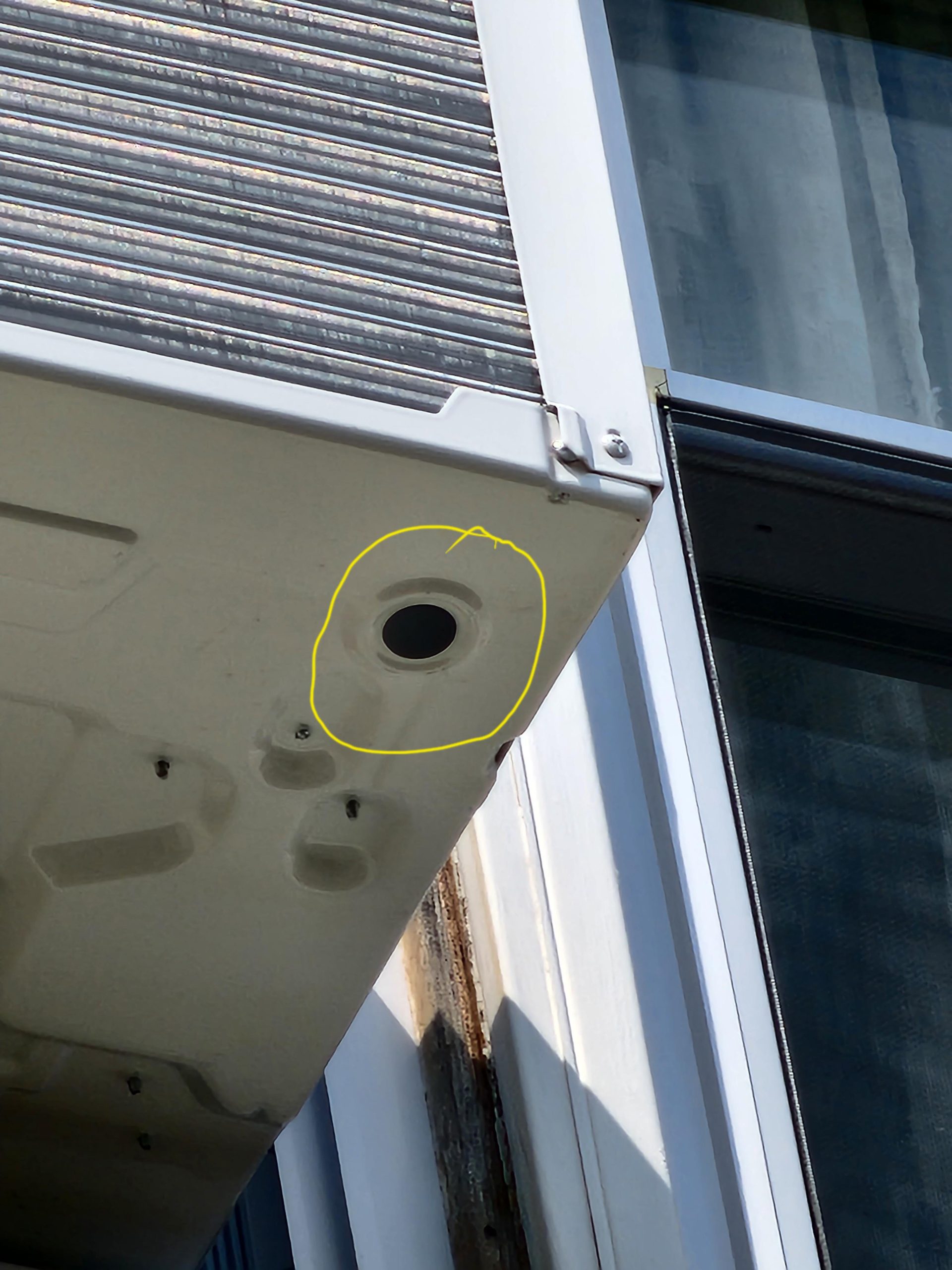
Air conditioners can cause mold growth by creating the precise environmental conditions that fungal spores require to thrive: moisture, darkness, and a steady supply of organic matter. When condensation fails to drain properly, or when internal components remain perpetually damp, the cooling system transitions from an air-purifying comfort tool into a breeding ground for mold, which can then be circulated throughout the home.
The Science of Condensation and Microbial Growth
To understand why air conditioners are susceptible to mold, one must first look at the thermodynamics of cooling. An air conditioner works by pulling warm, humid air across a cold evaporator coil. As the air cools, it loses its ability to hold water vapor, resulting in condensation. This process is entirely normal; every functional HVAC (Heating, Ventilation, and Air Conditioning) system produces water as a byproduct of operation.
Under optimal conditions, this water is collected in a drain pan and channeled away from the unit through a condensate line. However, mold growth occurs when this system is disrupted. If the drain line becomes clogged with algae or debris, water pools in the pan. This stagnant water creates a localized high-humidity environment. Once the interior of the air handler remains damp, the moist conditions penetrate the insulation and the blower assembly. Mold spores—which are naturally present in every indoor and outdoor environment—land on these damp surfaces, germinate, and begin to colonize the equipment.
Common Mechanical Failures That Invite Mold
Several specific mechanical issues accelerate the transformation of a cooling system into a mold-producing machine. Recognizing these failures is the first step toward remediation.
Clogged Condensate Drain Lines
The most frequent culprit is a blocked condensate drain. Dust, hair, and biological sludge often accumulate in the narrow PVC piping that carries water away from the unit. As the pipe restricts, the drain pan overflows or maintains a standing pool of water. Even if the water does not leak onto the floor, the constant presence of moisture inside the unit elevates the relative humidity level within the blower cabinet, creating a substrate for mold growth.
Dirty Evaporator Coils
Evaporator coils are intricate webs of metal fins. While they are designed to be cold, they are also prone to collecting dust and pet dander. When organic dust settles on a cold, moist coil, it acts as a sponge. This mixture of dust and moisture provides the "food" source for mold. Once mold starts growing on the coil, it can inhibit airflow and decrease heat exchange efficiency, leading to an even greater cycle of condensation and growth.
Oversized HVAC Units
A common design mistake is installing an air conditioner that is too large for the square footage of a home. An oversized unit will cool the space too quickly and shut off before it has had a chance to properly dehumidify the air. Because the system runs for short, frequent cycles, the evaporator coil does not stay cold long enough to effectively dry out. This leaves the system in a perpetually damp state, which is the perfect environment for mold to colonize the interior ductwork and blower assembly.
Identifying Signs of Mold in Your System
Detection is often more challenging than prevention, as the mold is frequently hidden behind service panels or deep within ductwork. Homeowners should look for the following indicators:
- Musty Odors: This is the most common symptom. If the air coming out of your vents smells like damp earth or a basement, it is a strong signal that mold has established a colony within the system.
- Visible Growth: Periodic inspection of the blower compartment and the area around the evaporator coil may reveal fuzzy, discolored patches. These can be white, black, green, or brown.
- Respiratory Irritation: If residents notice an increase in sneezing, coughing, or sinus congestion specifically when the air conditioning is running, it may be an allergic reaction to airborne mold spores released by the system.
- Visible Water Stains: Moisture marks around the air handler unit or water dripping from internal components are red flags that the drainage system is failing.
Comparison of HVAC Maintenance Requirements
Proper maintenance is the primary defense against mold. The following table outlines the required frequency for professional and DIY care to prevent biological growth.
| Maintenance Task | Responsibility | Frequency | Impact on Mold Prevention |
|---|---|---|---|
| Air Filter Replacement | Homeowner | 1–3 Months | Prevents dust buildup on coils. |
| Condensate Line Flushing | Homeowner | Every 6 Months | Prevents standing water and clogs. |
| Evaporator Coil Cleaning | Professional | Annually | Removes organic "food" sources. |
| Blower Wheel Inspection | Professional | Annually | Ensures airflow and reduces dampness. |
| Drain Pan Sanitization | Professional | Annually | Eliminates existing microbial colonies. |
| Ductwork Assessment | Professional | As Needed | Prevents long-term spore circulation. |
Practical Prevention and Remediation Steps
If you suspect your air conditioner has developed mold, you must address both the active growth and the root cause of the moisture.
Immediate Action for Mild Contamination
For minor growth on accessible parts like the drain pan or the edge of the blower cabinet, you may be able to intervene manually. Ensure the unit is disconnected from its power source before attempting any inspection or cleaning. Use a mild, non-toxic detergent to wipe down surfaces. Do not use harsh bleach, as it can be corrosive to aluminum coils and does not fully penetrate porous materials.
Professional Intervention
If the mold has infiltrated the evaporator coil or is present deep inside the ductwork, you must hire a certified HVAC technician. Professionals possess the specialized tools to perform a "deep clean" of the coils using bio-enzymatic cleaners that break down mold without damaging sensitive metal components. If the ductwork itself is lined with internal insulation and has become heavily infested with mold, cleaning may not be sufficient, and replacement of the duct liner or the ducts themselves may be the only safe resolution.
Humidity Management
Beyond the air conditioner itself, you must manage the home’s overall indoor humidity levels. During the summer, maintain indoor humidity between 30% and 50%. If your area is naturally humid, supplement your HVAC system with a standalone whole-house dehumidifier. This reduces the load on the air conditioner, allowing it to function within its design parameters rather than struggling to keep the building dry.
The Role of Air Filtration
While standard fiberglass filters are effective at protecting the HVAC hardware from large dust particles, they do little to capture microscopic mold spores. Upgrading to a High-Efficiency Particulate Air (HEPA) filter or a MERV-13 rated filter can significantly improve the air quality. However, consult your HVAC manual or a technician before installing a high-MERV filter, as these dense filters can restrict airflow, causing the system to work harder and potentially worsening condensation issues.
Frequently Asked Questions
Can I just spray bleach on my AC coils to kill the mold?
No, you should avoid using bleach. Bleach is highly corrosive to the copper and aluminum components of an evaporator coil. Furthermore, it often fails to reach the roots of the mold on porous surfaces. Use a cleaner specifically designed for HVAC evaporator coils or a mild soap solution.
How do I know if my AC is the source of the mold smell?
Turn the system off for 24 hours. If the smell dissipates while the unit is off but returns shortly after you turn it back on, the mold is almost certainly located inside the air conditioning system.
Will running the fan mode help dry out the unit?
Running the fan in "on" mode rather than "auto" can sometimes keep the evaporator coil wet after the compressor shuts off, which may encourage mold growth. It is generally better to set the fan to "auto" so the fan stops when the cooling cycle ends, allowing the coils to dry out more efficiently.
Is mold in my AC unit a health emergency?
While not necessarily an emergency, it is a health concern. Mold exposure can trigger asthma attacks and allergic reactions. If anyone in the home is immunocompromised, treat the situation with urgency and contact a professional mold remediation service.
How often should I have the condensate drain line cleared?
Ideally, the drain line should be flushed or cleared every six months, typically at the start of the cooling season and again mid-season. If you have a particularly humid climate, more frequent monitoring is advised.
Next Steps for Homeowners
If you identify signs of mold within your air conditioning system, do not ignore them. The problem will not resolve itself; it will only grow as the mold continues to colonize the damp, dark interior of your unit.
- Verify the source: Confirm the smell or visible growth originates from the air handler.
- Consult a technician: Schedule a professional cleaning if the unit has not been serviced in the last twelve months.
- Upgrade filtration: Ask your technician if your specific system can support a higher-rated air filter to capture more spores.
- Maintenance schedule: Establish a permanent, biannual maintenance plan with a licensed contractor to ensure that drain lines, coils, and pans remain clear of debris and moisture.