B&B Portable Buildings are widely considered a worthwhile investment for property owners prioritizing long-term durability, Mennonite-grade craftsmanship, and high resale value. Their use of premium materials like pressure-treated floor systems and LP SmartSide makes them superior to mass-produced big-box alternatives, though the financial "worth" depends heavily on avoiding high-interest rent-to-own terms.
Understanding the B&B Portable Buildings Standard
When evaluating whether a portable structure is worth your capital in 2026, the analysis must begin with the manufacturer’s structural integrity. B&B Portable Buildings, primarily operating out of the Southeastern United States, has built a reputation based on the Mennonite tradition of construction. This isn't just a marketing term; it refers to a specific set of building standards that prioritize manual oversight and heavy-duty framing over high-speed assembly line production.
The portable building industry has seen significant shifts leading into 2026. While material costs have stabilized following the volatility of the early 2020s, the gap between "disposable" sheds and "investment-grade" buildings has widened. B&B occupies the investment-grade tier. These buildings are designed not just for storage, but for conversions into home offices, workshops, and even secondary dwelling units (ADUs), provided local zoning codes are met.
The "investment" aspect of these buildings is two-fold: the literal equity the building holds as a physical asset and the utility value it provides by replacing monthly expenses like off-site self-storage. To determine if they are right for you, we must examine the technical specifications that separate them from the competition.
Technical Specifications: The Foundation of Value
A building is only as good as the platform it sits on. One of the primary reasons B&B Portable Buildings are cited as a superior investment is their floor system. Many lower-end manufacturers use 2x4 floor joists spaced 24 inches apart. In contrast, B&B typically utilizes 2x6 pressure-treated floor joists spaced 16 inches on center (and often 12 inches on center for heavy-duty garage models).
Floor and Framing Integrity
The use of notched skids is a critical technical detail. By notching the 4x6 pressure-treated runners, the floor joists are recessed into the skids, creating a much stronger mechanical bond than simply nailing them on top. This prevents "racking" or leaning during the delivery process, which is the most stressful moment in a portable building’s life.
For the flooring itself, the industry standard in 2026 remains 5/8" or 3/4" pressure-treated plywood or high-performance engineered wood like LP ProStruct with SmartFinish. These materials are treated with zinc borate to resist fungal decay and termite damage. If you are investing thousands of dollars, the ability of the floor to withstand moisture from the ground is the single most important factor in determining the building's lifespan.
Siding and Exterior Protection
B&B predominantly uses LP SmartSide, an engineered wood product that has become the gold standard for portable buildings. Unlike traditional T1-11 siding, which is prone to delamination and rot if not painted every few years, LP SmartSide features a wax-coated strand technology that resists moisture penetration. In the humid climate of the Southeast, this is a non-negotiable requirement for a building to maintain its value over a 20-year period.
The Financial Math: Storage Unit vs. Ownership
To determine if B&B Portable Buildings are worth the investment, one must look at the "CapEx vs. OpEx" (Capital Expenditure vs. Operating Expenditure) model.
As of 2026, the average cost for a 10x12 climate-controlled storage unit in the United States ranges from $120 to $180 per month. Over five years, a consumer will spend between $7,200 and $10,800 on a space they will never own. A comparable 10x12 B&B Portable Building might cost between $3,800 and $5,500 depending on features and local delivery fees.
| Feature | B&B Portable Buildings (Premium) | Big-Box Store Sheds (Standard) | Site-Built Custom Shed |
|---|---|---|---|
| Average Cost (12x20) | $6,500 - $8,500 | $4,500 - $6,000 | $10,000 - $15,000 |
| Wall Stud Spacing | 16" On-Center | 24" On-Center | 16" On-Center |
| Roofing Material | 29-Gauge Metal / 30-Yr Shingle | Lightweight Shingle | Matches House |
| Portability | High (Built on Skids) | Moderate (Often Lighter Framing) | None (Fixed Foundation) |
| Resale Value | 60-80% after 5 years | 30-40% after 5 years | Adds to Property Value |
| Warranty | 5-10 Year Workmanship | 1-year Limited | Varies by Contractor |
In this scenario, the building pays for itself in less than three years. Furthermore, a B&B building retains significant resale value. On the secondary market (Facebook Marketplace, Craigslist), well-maintained B&B units often sell for 70% of their original purchase price because the brand name is associated with durability. A "disposable" shed from a big-box retailer often has a resale value of less than 30% because it frequently sustains damage during relocation.
Customization and "Best Use" Cases
The "worth" of an investment is also measured by its versatility. B&B offers several configurations that cater to different needs:
- The Lofted Barn: Ideal for those with limited ground space. The gambrel-style roof provides overhead storage, allowing the floor space to remain clear for work or equipment.
- The Utility Shed: A standard A-frame design that is the most cost-effective for simple storage.
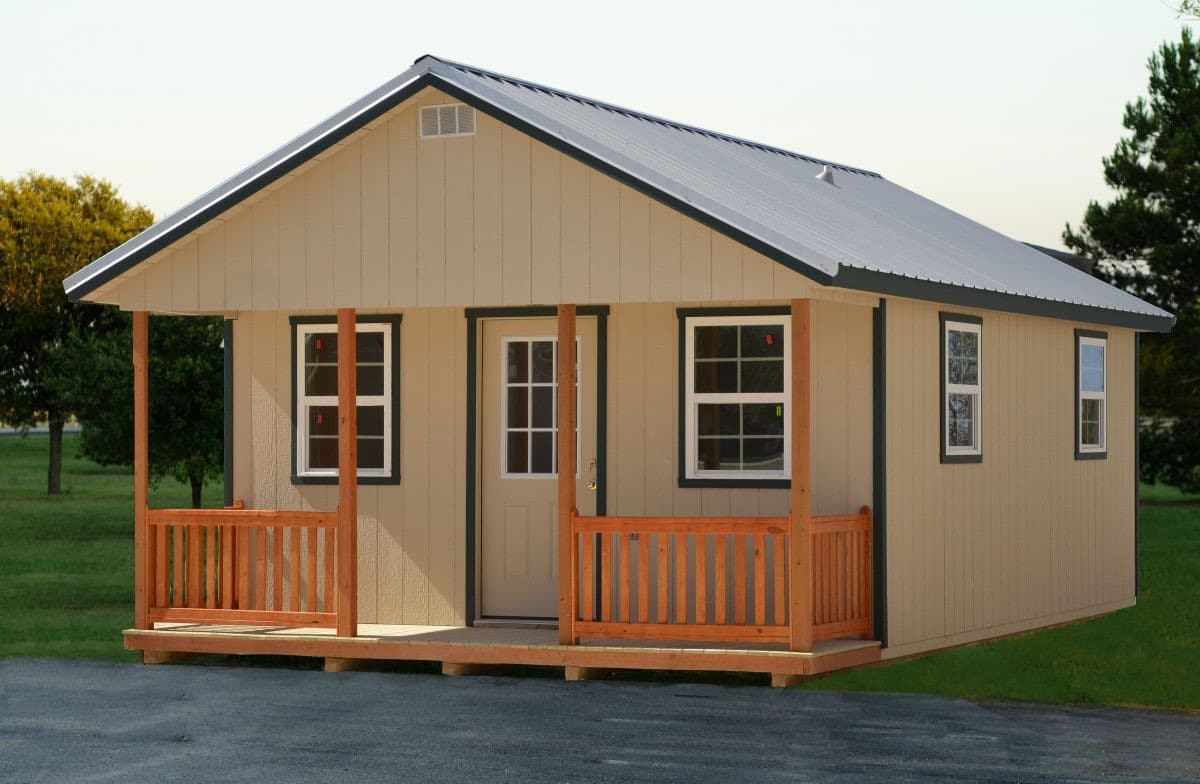
- The Portable Cabin: These units include porches and increased window counts. In 2026, these are frequently purchased as shells for "tiny house" conversions. The "worth" here is massive compared to the cost of a traditional home extension or a purpose-built ADU.
- The Greenhouse/Specialty Series: For hobbyists, the structural integrity of a B&B frame allows for heavy shelving and climate control equipment that lighter sheds cannot support.
The Rent-to-Own (RTO) Trap
While the buildings themselves are high-quality, the method of acquisition significantly impacts whether the investment is "worth it." B&B, like many dealers, offers Rent-to-Own programs. These are not traditional loans; they are lease-purchase agreements.
In 2026, RTO contracts often carry an effective APR (Annual Percentage Rate) ranging from 35% to 60%. If you buy a $5,000 building on a 60-month RTO plan, you may end up paying over $10,000 by the time you own the title.
Expert Recommendation: To maximize the investment value, pay cash or use a traditional personal loan with a lower interest rate. If you must use RTO, aim for the 90-days-same-as-cash option to avoid the massive accumulation of rental fees.
Site Preparation: Protecting Your Investment
A B&B building is a heavy asset. A 12x24 cabin can weigh upwards of 4,000 to 6,000 pounds. To ensure the building is "worth the investment," you must invest in proper site preparation.
Many owners make the mistake of placing these buildings directly on the grass or on loose cinder blocks. Over time, the building will settle unevenly. This causes doors to bind, windows to crack, and puts undue stress on the roof seams.
The most effective site prep for a B&B building is a crushed stone pad (often called a "Gravel Pad" or "French Drain" style foundation) that is 1 foot wider than the building on all sides. This allows for proper drainage and prevents the pressure-treated skids from sitting in standing water, effectively doubling the lifespan of the floor system.
Delivery and Logistics
B&B Portable Buildings uses specialized delivery trailers equipped with "Mules"—small, motorized forklifts designed for sheds. This technology allows for precise placement in tight spots without the need for a heavy truck to drive onto your lawn, potentially damaging septic lines or landscaping.
The "worth" of the building is often solidified here; a professional delivery ensures the building is leveled correctly. A building that isn't level will experience structural degradation much faster. B&B's delivery teams are generally trained to handle the complex leveling required for larger lofted units and cabins.
Potential Drawbacks to Consider
No investment is without risk. When considering B&B Portable Buildings, keep the following in mind:
- Permitting: Many municipalities in 2026 have tightened regulations on "accessory structures." A building over 120 or 200 square feet may require a permit. If you install a building without one, you could face fines or be forced to remove it, vaporizing your investment.
- HOA Restrictions: Homeowners Associations often have strict rules regarding siding material and roof color. Ensure your B&B build matches these requirements before ordering.
- Maintenance: While LP SmartSide is durable, it is not "maintenance-free." It requires a fresh coat of high-quality exterior paint every 8–10 years to maintain its warranty and aesthetic value.
FAQs
What is the expected lifespan of a B&B Portable Building?
With proper site preparation and routine exterior maintenance (painting), a B&B building can easily last 25 to 30 years. The pressure-treated foundation is rated for ground contact, but keeping it elevated on a gravel pad is the key to reaching the three-decade mark.
Does B&B offer a warranty on their structures?
Yes, B&B typically offers a multi-tier warranty. This usually includes a limited lifetime warranty on the pressure-treated skids and floor joists against rot and termites, a 30-50 year manufacturer warranty on the LP SmartSide siding, and a 5-10 year workmanship warranty covering leaks or structural defects. Always verify the specific contract details at the time of purchase as they can vary by dealer.
Can these buildings be moved later if I sell my home?
Yes, one of the primary advantages of B&B buildings is that they are built on 4x6 or 4x4 skids. A professional shed hauler can winch the building onto a trailer and move it to a new location. This mobility protects your investment, as you can take the "asset" with you if you relocate.
Are B&B buildings suitable for tiny home conversions?
They are excellent "shells" for tiny homes due to their 16-inch on-center framing, which makes adding insulation and drywall straightforward. However, they are built to International Residential Code (IRC) standards for storage, not necessarily for permanent habitation. You will likely need to add a vapor barrier, upgraded electrical, and meet local egress window requirements to make it a legal living space.
How do B&B buildings handle high winds or storms?
B&B units are heavy, but they are not "anchored" by default. In many states, specifically in the Southeast, wind-tier ratings require buildings to be anchored to the ground using auger-style anchors and galvanized strapping. When properly anchored, these buildings can withstand significant wind loads, making them a safe investment for areas prone to severe weather.
Final Verdict: Is It Worth It?
In 2026, the market is flooded with cheap, thin-walled sheds that rot within seven years. B&B Portable Buildings are worth the investment because they bridge the gap between temporary storage and permanent construction. By using residential-grade framing and superior moisture-resistant materials, they provide a long-term asset that maintains high utility and resale value.
To maximize your return on investment:
- Avoid long-term Rent-to-Own interest.
- Invest in a level gravel foundation.
- Ensure your local zoning allows for the specific size and use of the building.
If you need a structure that will still be standing and functional in 2046, B&B is a sound choice for the discerning property owner.