Taxonomically, bears belong to the biological order Carnivora, but ecologically, most bear species are not true carnivores. Instead, seven of the eight modern bear species are omnivores or specialized herbivores. While the polar bear is a hypercarnivore and the giant panda feeds almost exclusively on bamboo, most bears adjust their diet seasonally between vegetation, insects, berries, and meat.
Taxonomy vs. Ecological Niche: Understanding Carnivora
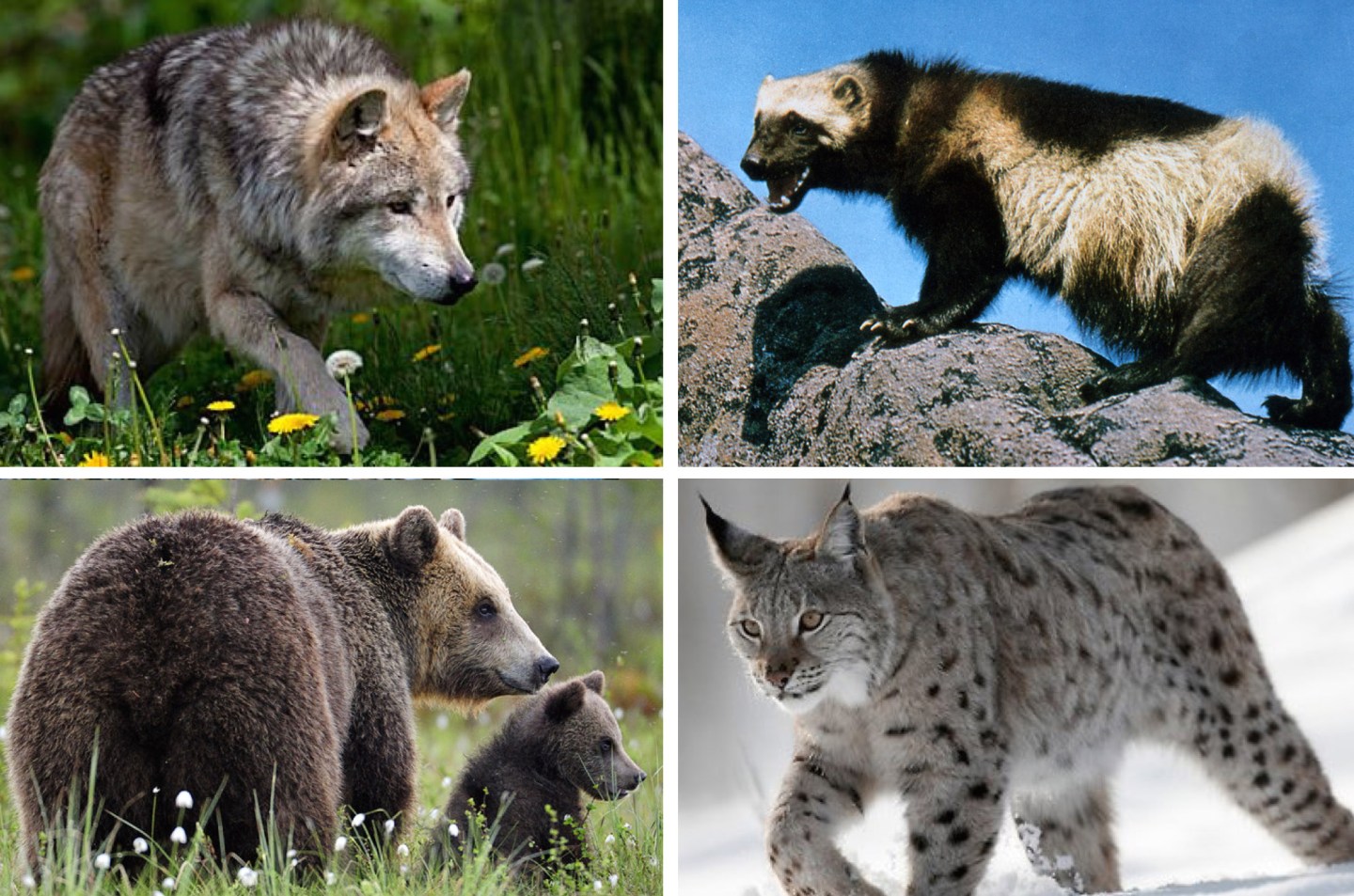
To understand why bears are often mischaracterized, one must separate evolutionary classification from daily dietary habits. In biological taxonomy, capitalized Carnivora refers to an order of placental mammals that shared a common flesh-eating ancestor roughly 50 million years ago. This order includes felids (cats), canids (dogs), phocids (seals), mustelids (weasels), and ursids (bears). Members of this order share specific anatomical traits, such as distinct cranial structures and specialized carnassial teeth adapted for shearing tissue.
However, a lowercase carnivore refers to an ecological niche—an organism whose primary energy source is animal tissue. Organisms are classified ecologically based on the proportion of meat in their total diet:
- Hypercarnivores: Diets consisting of more than 70% animal tissue.
- Mesocarnivores: Diets consisting of 50% to 70% animal tissue.
- Hypocarnivores (or Omnivores/Herbivores): Diets consisting of less than 50% animal tissue, with plant material, fungi, or insects making up the remainder.
While all bears belong to the taxonomic order Carnivora, their dietary profiles span the entire ecological spectrum. Over 30 million years of divergence within the family Ursidae, most bear species evolved away from strict meat consumption to exploit abundant plant matter, nuts, and insects across diverse ecosystems.
Detailed Breakdown: Diets of the Eight Bear Species
The family Ursidae contains eight living species. Each species occupies a distinct ecological niche, illustrating remarkable dietary adaptation.
Ursidae Dietary Spectrum:
- Herbivore: Giant Panda
- Spectacled
- Sun / Sloth
- Black / Brown Bears
- Hypercarnivore: Polar Bear
1. Polar Bear (Ursus maritimus) – The True Hypercarnivore
The polar bear is the only true obligate hypercarnivore among living ursids. Evolving from brown bear ancestors to exploit the Arctic sea ice, up to 90% to 95% of its caloric intake comes from marine mammals, primarily ringed seals (Pusa hispida) and bearded seals (Erignathus barbatus). Polar bears target seal blubber for its concentrated caloric density, which is essential for surviving sub-zero temperatures and maintaining energy reserves during long ice-free summer months.
2. Giant Panda (Ailuropoda melanoleuca) – The Specialized Herbivore
At the opposite extreme lies the giant panda. Despite retaining the simple digestive tract of a carnivoran, more than 99% of the giant panda’s diet consists of bamboo species such as arrow bamboo and umbrella bamboo. Because pandas lack multi-chambered stomachs to break down cellulose efficiently, they must consume between 12 and 38 kilograms of bamboo daily to extract adequate nourishment.
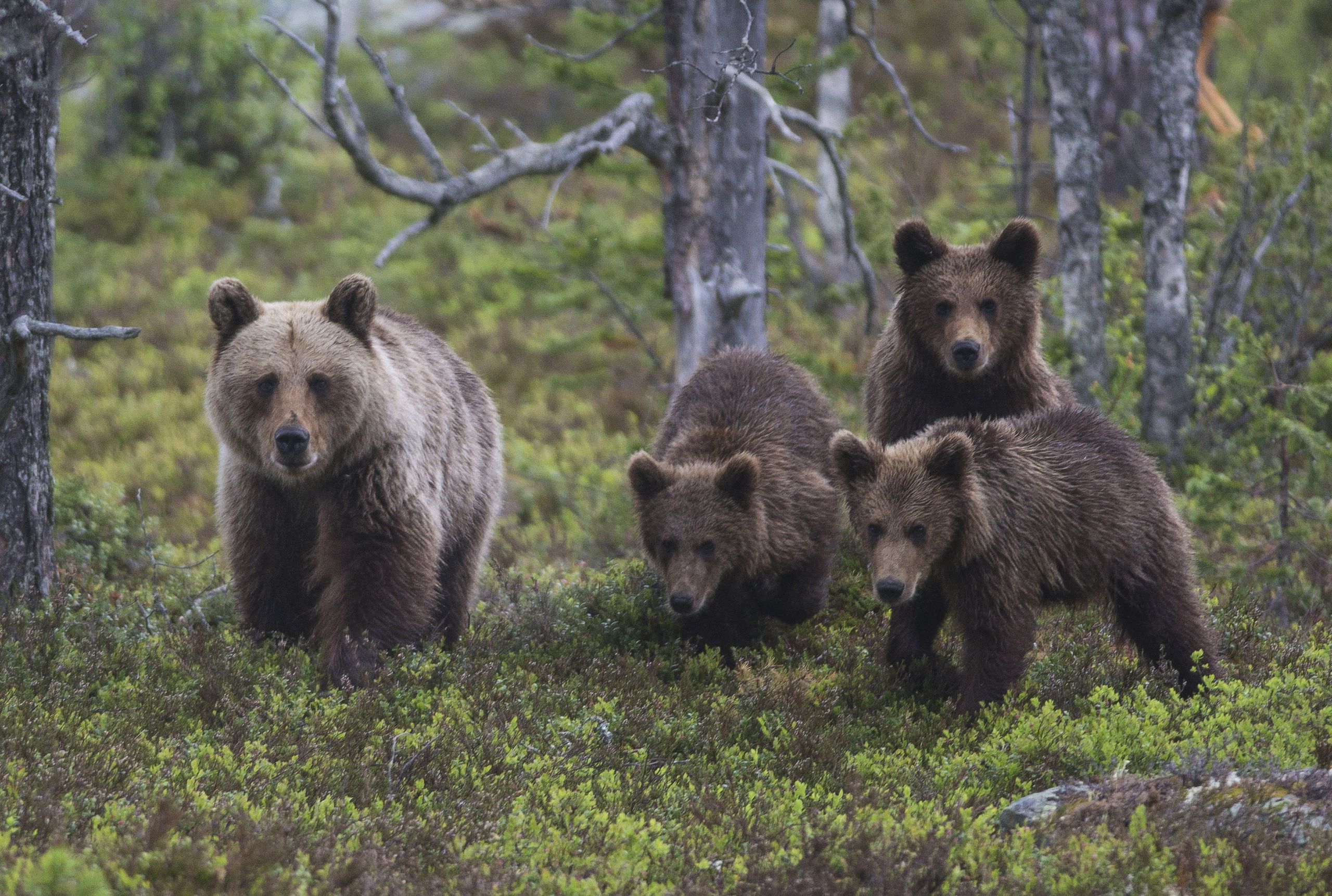
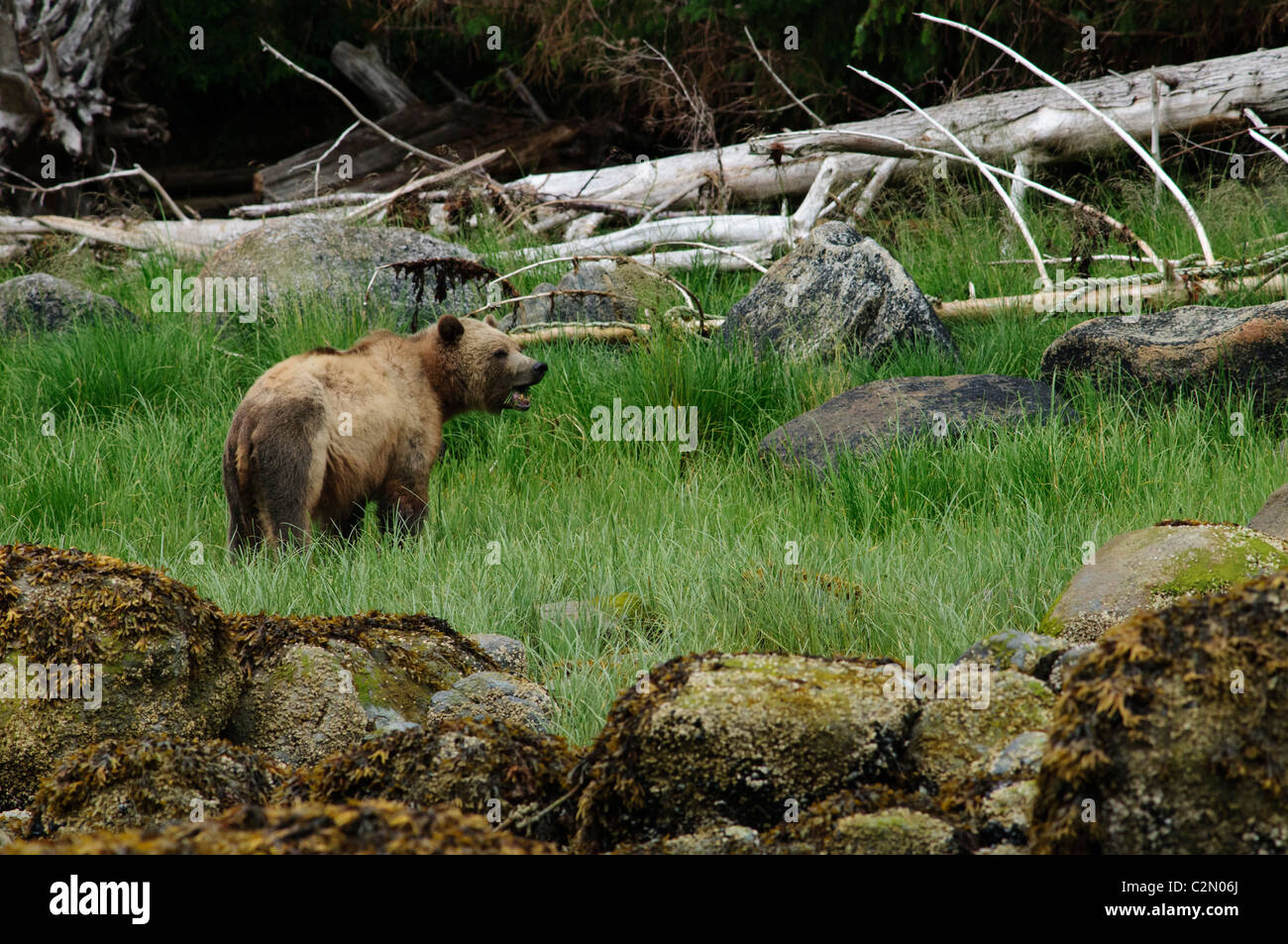
3. Brown Bear (Ursus arctos) – The Opportunistic Omnivore
Brown bears (including Grizzly and Kodiak subspecies) possess one of the most flexible diets in the animal kingdom. Their food intake depends heavily on geographic location and seasonal availability:
- Coastal Populations: Coastal brown bears in Alaska and Eastern Russia consume vast amounts of spawning Pacific salmon, elevating animal protein and fat to over 60% of their annual diet.
- Inland Populations: Inland grizzlies depend largely on roots (such as Hedysarum), wild berries, Forbes, pine nuts, insect larvae, and ungulate calves (elk, moose, caribou) during early spring. Meat often constitutes less than 30% of their total annual intake.
4. American Black Bear (Ursus americanus) – The Adaptive Generalist
The American black bear is a classic hypocarnivore/omnivore. Plant matter, soft mast (berries), and hard mast (acorns, beech nuts, hickory nuts) account for 75% to 85% of its overall diet. The remaining proportion consists of colonial insects (ants, bees, yellowjackets), carrion, neonate deer, and, near human settlements, opportunistic human food waste.
5. Asian Black Bear (Ursus thibetanus) – The Forest Herbivore-Omnivore
Native to forested regions across Asia, the Moon Bear is predominantly herbivorous. Its diet consists of acorns, walnuts, cherries, bamboo shoots, succulent stems, and fallen fruits. Animal protein is consumed opportunistically through insects, small birds, rodents, and occasional carrion.
6. Spectacled Bear (Tremarctos ornatus) – South America's Plant Specialist
The only native bear species in South America, the spectacled (or Andean) bear, relies on vegetation for roughly 90% to 95% of its diet. Its powerful jaw muscles enable it to crush tough vegetative matter, including bromeliads, palm heart, orchid bulbs, tree bark, and cactus fruits. Meat consumption is rare and consists mainly of small rodents, birds, or domestic livestock when natural foods are scarce.
7. Sloth Bear (Melursus ursinus) – The Insectivore (Myrmecophage)
Found across the Indian subcontinent, the sloth bear has evolved specialized anatomy for myrmecophagy—the consumption of termites and ants. Insects form up to 80% of its animal diet, supplemented by tropical fruits (such as Madhuca blossoms and figs) and honey during key seasonal windows.
8. Sun Bear (Helarctos malayanus) – The Forest Harvester
The smallest bear species, inhabiting Southeast Asian tropical rainforests, feeds primarily on social insects (bees, termites, ants), honey, and tropical fruits. Using exceptional climbing skills and sharp claws, the sun bear tears open bee hives and rotting logs to access energy-rich insect pupae and honey.
Anatomical and Physiological Adaptations
Bears exhibit clear physical adaptations that reflect their shift from strict carnivory to omnivory and herbivory.
Dental Structure: From Shearing to Grinding
Strict carnivores like felids feature sharp carnassial teeth (modified premolars and molars) designed to act like scissors, shearing muscle tissue and tendon off bone. Bears, with the exception of the polar bear, have lost these sharp carnassial blades.
Instead, ursid molars have flattened, broad crowns with low cusps (bunodont dentition). This dental structure functions like millstones, permitting bears to crush fibrous plant tissue, crack open hard nuts, and grind seeds. Sloth bears take dental adaptation further: they lack upper central incisors, creating a natural gap that acts as a vacuum nozzle when sucking thousands of termites from broken mounds.
- Felid Dentition (Carnivore):
- Sharp Carnassials
- Shearing flesh
- Ursid Dentition (Omnivore):
- Flat Bunodont Molars
- Grinding vegetation/nuts
The Digestive Tract Paradox
Despite shifts in diet, the gastrointestinal architecture of bears remains largely that of a carnivore:
- Simple Single-Chambered Stomach: Bears lack the complex, multi-chambered fermenting stomach seen in ruminants like cows and deer.
- Absence of a Cecum: Bears do not have a functional cecum—the specialized intestinal pouch where hindgut fermenters (like horses and rabbits) harbor microbes to break down plant cell walls (cellulose).
- Short Transit Time: Plant matter passes through a bear’s digestive tract in 5 to 13 hours, compared to 20 to 50 hours in true herbivores.
Because bears cannot digest cellulose efficiently, plant-eating bears like grizzlies, black bears, and pandas must select high-quality, easily digestible plant parts—such as young shoots, ripe berries, and nut meats—or consume massive volumes to extract sufficient metabolic energy.
Seasonal Foraging Cycles and Hyperphagia
For temperate and sub-Arctic bear species, dietary flexibility is essential for surviving winter dormancy. During late summer and autumn, bears enter a biological state known as hyperphagia—an extended period of intense, non-stop feeding driven by hormonal shifts.
During hyperphagia, a bear's metabolic priority shifts from protein intake to rapid fat accumulation. High-carbohydrate food sources, particularly wild berries (soft mast) and tree nuts (hard mast like acorns and pine seeds), drive lipogenesis (fat synthesis) more rapidly than a pure meat diet.
- Spring: High Protein / Low Fat (Roots, shoots, early green vegetation, ungulate calves)
- Summer: High Sugar / Medium Protein (Soft mast/berries, colonial insects, spawning fish)
- Autumn (Hyperphagia): High Carbohydrate / High Fat (Hard mast/nuts, heavy fruit crops)
- Winter: Dormancy / Fasting (Metabolizing stored subcutaneous fat reserves)
In coastal Alaska, researchers have observed brown bears voluntarily switching from protein-rich salmon to carbohydrate-rich elderberries when both food sources were simultaneously available. This behavior maximizes daily weight gain while minimizing the metabolic burden of processing excess protein.
Comparative Matrix: Bear Species Diets and Characteristics
The following table summarizes the biological classification, primary ecological diet, and key evolutionary adaptations for all eight bear species:
| Bear Species | Taxonomic Suborder | Ecological Classification | Primary Food Sources | Key Anatomical / Behavioral Adaptation |
|---|---|---|---|---|
| Polar Bear (Ursus maritimus) | Caniformia | Hypercarnivore | Ringed seals, bearded seals, whale carcasses | High-fat digestion; specialized non-skid foot pads; white camouflage |
| Giant Panda (Ailuropoda melanoleuca) | Caniformia | Herbivore (Folivore) | Bamboo shoots, leaves, and stems (>99%) | Radial sesamoid bone ("pseudo-thumb"); muscular jaw for crushing culms |
| Brown Bear (Ursus arctos) | Caniformia | Opportunistic Omnivore | Roots, berries, salmon, ungulates, insects | Extended shoulder hump muscles for digging roots and small mammals |
| American Black Bear (Ursus americanus) | Caniformia | Opportunistic Omnivore | Acorns, berries, insects, vegetation, carrion | Short, curved claws optimized for climbing trees and tearing logs |
| Asian Black Bear (Ursus thibetanus) | Caniformia | Herbivore-Omnivore | Acorns, nuts, fruits, vegetation, insects | Large ears and strong upper body built for arboreal foraging |
| Spectacled Bear (Tremarctos ornatus) | Caniformia | Herbivore-Omnivore | Bromeliads, palm heart, cactus, fruits | Shortened snout and powerful masseter muscles to crush fibrous plants |
| Sloth Bear (Melursus ursinus) | Caniformia | Insectivore (Myrmecophage) | Termites, ants, honey, tropical fruits | Missing upper incisors; sealable nostrils; long, protrusible tongue |
| Sun Bear (Helarctos malayanus) | Caniformia | Insectivore-Frugivore | Bees, termites, honey, figs, small invertebrates | Extremely long tongue (20–25 cm); powerful claws for opening hives |
Common Misconceptions About Bear Diets
Misconception 1: Bears are apex predators that eat predominantly live prey.
While bears are dominant ecosystem animals, predatory hunting of adult large mammals is relatively rare for most species. Inland grizzlies and black bears secure much of their meat through opportunism: scavenging winter-killed carcasses, preying on vulnerable newborn calves during a short spring window, or stealing kills from smaller carnivores like cougars and wolves.
Misconception 2: All bears need meat to survive.
With the exception of the polar bear, bear species can thrive on plant- and insect-based diets. Spectacled bears and giant pandas maintain health, grow, and reproduce on diets containing virtually zero vertebrate meat.
Misconception 3: The giant panda's digestive system has fully adapted to bamboo.
Genetically and structurally, the giant panda retains a classic carnivore digestive tract. Research indicates that its gut microbiome contains cellulolytic bacteria that assist in breaking down plant matter, but its digestion efficiency for cellulose remains around 20%. The panda compensates not through structural gut evolution, but through high intake rates and reduced energy expenditure.
Frequently Asked Questions
Are bears classified as carnivores in biological terms?
Yes. Taxonomically, all bears are members of the order Carnivora and the family Ursidae. However, taxonomy reflects evolutionary heritage, not current ecological diet. Ecologically, only the polar bear functions as a true carnivore.
Can a brown bear survive entirely without meat?
Yes, inland brown bear populations frequently survive on diets composed of 80% to 90% plant matter, roots, fungi, and insects. While access to meat (such as salmon or ungulates) allows bears to attain significantly larger body sizes, meat is not strictly mandatory for their survival if high-energy mast crops and roots are abundant.
Why didn't the giant panda evolve a multi-chambered stomach like a cow?
The giant panda diverged from main bear lineages relatively recently in evolutionary terms (roughly 2 to 3 million years ago for its specialized bamboo diet). Evolving complex anatomical adaptations like a multi-chambered rumen takes tens of millions of years. Instead, pandas adapted behaviorally and microbially, consuming high volumes of bamboo while slowing their metabolic rate.
How do omnivorous bears grind tough vegetation without herbivore incisors?
Bears use broad, flat molars with low cusps located at the back of their jaws. Unlike felids, whose molars shear past each other to slice meat, bear molars make broad contact when chewing, allowing them to crush plant cell walls, hard seeds, and nuts efficiently.
Do tropical bear species experience hyperphagia?
No. Hyperphagia is an evolutionary adaptation triggered by seasonal light changes and food availability in temperate, boreal, and Arctic environments. Tropical species like the sun bear and spectacled bear have year-round access to fruits, insects, and vegetation, eliminating the biological need for rapid fat accumulation and winter dormancy.
Conservation and Ecological Takeaways
Understanding the true nature of bear diets is vital for wildlife management and habitat conservation:
- Protecting Foraging Landscapes: Effective bear management requires protecting complex ecosystems rather than just prey populations. Conserving old-growth mast forests (oak, beech, whitebark pine) and berry-producing shrublands is just as critical for bear survival as protecting ungulate herds.
- Mitigating Human-Wildlife Conflict: Because bears are opportunistic feeders driven by strong caloric instincts, securing artificial attractants—such as garbage, agricultural crops, beehives, and fruit orchards—is essential. Once a bear discovers high-carbohydrate human waste, its natural foraging behaviors are disrupted.
- Climate Change Pressures: Shifts in climate patterns alter plant fruiting cycles, insect populations, and salmon runs, directly threatening the flexible dietary strategies bears rely on to prepare for winter survival.