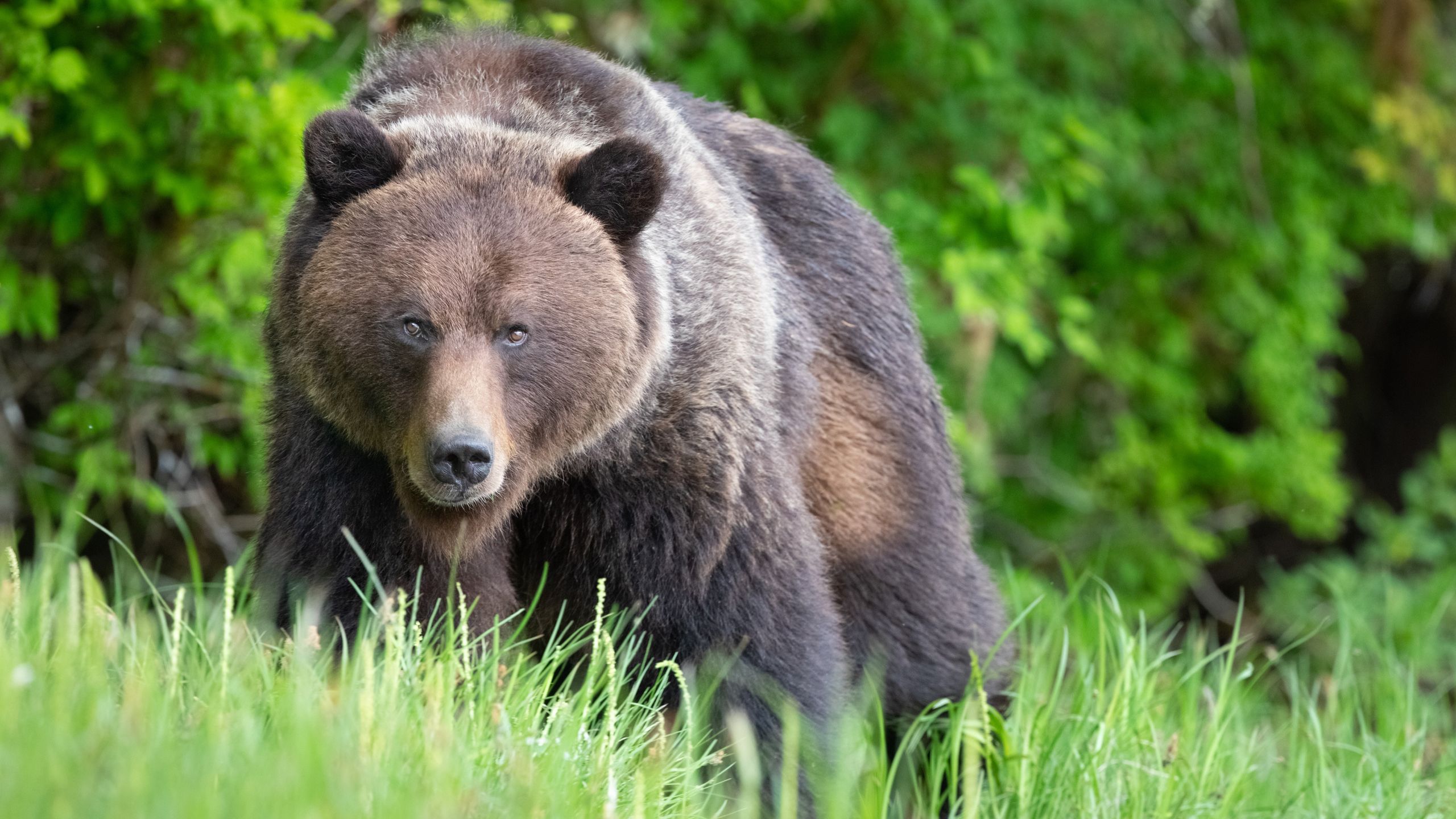
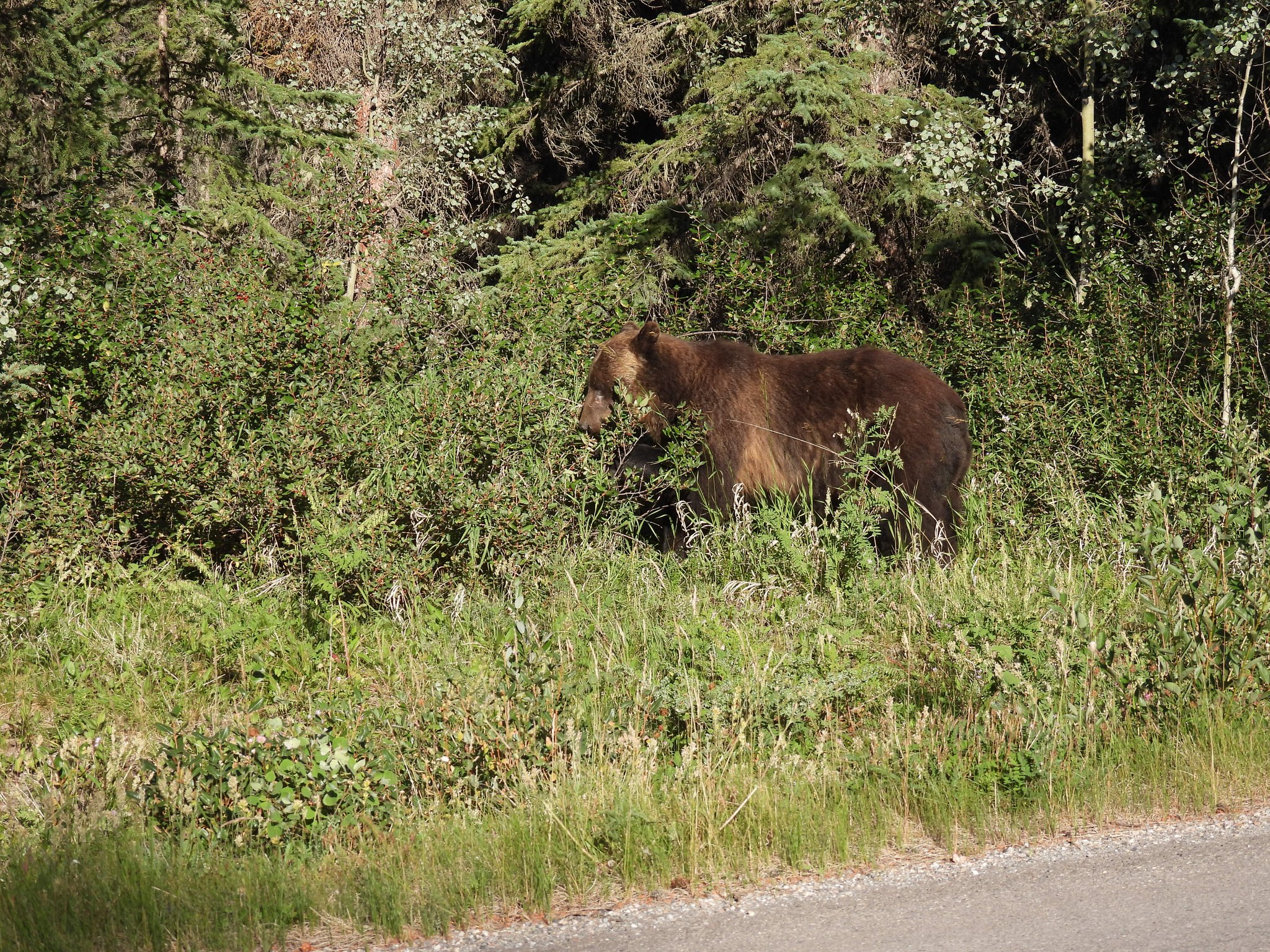
Hokkaido brown bears (Ursus arctos lasiotus) pose a genuine and growing safety threat to hikers in Hokkaido, Japan. While fatal attacks remain relatively rare, encounter rates, aggressive territory defense, and trail closures have increased significantly across major national parks. Hikers can effectively manage this threat by carrying bear spray, using deterrent bells, and adhering to strict food-waste protocols.
Understanding the Hokkaido Brown Bear (Higuma)
To accurately evaluate the threat brown bears pose to outdoor enthusiasts in Hokkaido, hikers must first understand the biology, scale, and behavioral traits of the species inhabiting Japan’s northernmost main island. The Hokkaido brown bear, known locally as the Higuma (Ursus arctos lasiotus), is a subspecies of the Ussuri brown bear. It is the largest land mammal in Japan, occupying a ecological niche distinct from any wildlife found on mainland Japan.
- Honshu / Shikoku / Kyushu:
- Asiatic Black Bear (Ursus thibetanus)
- Weight: 60 - 120 kg
- Hokkaido Island:
- Ussuri Brown Bear (Ursus arctos lasiotus)
- Weight: 150 - 300+ kg
Species Profile and Physical Characteristics
Unlike the Asiatic black bear (Ursus thibetanus) found across Honshu, Shikoku, and Kyushu, the Higuma is exclusively confined to Hokkaido. Adult males typically weigh between 150 kg and 300 kg (330 to 660 lbs), with exceptional individuals exceeding 350 kg. Females are somewhat smaller, generally weighing between 100 kg and 200 kg.
In addition to their substantial body mass, Higuma possess powerful shoulder humps, long claws adapted for digging roots and tearing open rotten timber, and impressive speed. Capable of running at speeds up to 50 km/h (31 mph), a brown bear can easily outrun any human on flat ground or technical mountain terrain.
Ecosystem Role and Diet
Higuma are opportunistic omnivores. Their spring and early summer diet consists primarily of fresh plant shoots, skunk cabbage (mizubasho), ants, and winter-killed deer carcasses. As summer progresses into autumn, their diet shifts toward calorie-dense food sources required for winter hibernation hyperphagia:
- Alpine plants and berries: Crowberries, bilberries, and rowan fruit found across alpine plateaus.
- Salmonids: Pink salmon (Oncorhynchus gorbuscha) and chum salmon (Oncorhynchus keta) returning to Hokkaido’s coastal rivers.
- Tree nuts: Acorns (mizunara) and beech nuts, which dictate autumn movement patterns.
When natural mast production (acorns and nuts) fails or salmon runs decline, bears frequently expand their foraging ranges into lower elevations, agricultural zones, and mountain trails used by humans.
Assessing the Real Threat Level to Hikers
Determining whether Hokkaido brown bears constitute an overwhelming threat or a manageable risk requires examining statistical trends, encounter contexts, and bear behavior.
Encounter Trends vs. Casualties
Historically, human-bear conflict in Hokkaido was concentrated in agricultural sectors and rural communities. However, trail-monitoring data from the Hokkaido Prefectural Government and local alpine clubs show a clear upward trend in bear sightings along backcountry routes over recent decades.
While annual sightings number in the thousands across the prefecture, physical attacks on hikers remain low in absolute numbers—typically ranging from zero to a handful of non-fatal or fatal incidents per year across the entire island. Despite low absolute attack figures, the severity of a brown bear attack is extreme. Unlike black bears, which frequently execute defensive "bluff charges" and retreat, a defensive or predatory strike from a 250-kg Higuma can cause catastrophic or fatal injuries within seconds.
| Hokkaido Brown Bear Threat Summary | Details |
|---|---|
| Risk Frequency | Moderate-to-High (frequent trail sightings & closures) |
| Risk Severity | High-to-Critical (potential for severe trauma or fatal encounters) |
| Dominant Cause | Surprise encounters at close range; food habituation |
| Key Protection | EPA-approved Bear Spray (0.79%+ Capsaicin), Bear Bells |
Why Bear Encounters Are Increasing
Several factors contribute to the rising frequency of bear encounters on Hokkaido’s hiking trails:
- Population Recovery: Protective regulations established in the late 20th century, along with the abolition of the systematic spring extermination program (Harukuma Kujo) in 1990, allowed Hokkaido’s brown bear population to recover. Current estimates place the island's bear population between 6,000 and 11,000 individuals.
- Habituation to Humans: In heavily visited regions such as Shiretoko National Park, some bears have lost their natural fear of humans due to repeated non-threatening exposures, photographic crowding, or illegal feeding. Habituated bears are more likely to approach trails, campsites, and parking lots.
- Increased Outdoor Recreation: Modern trekking in areas like Daisetsuzan, the Hidaka Mountains, and the Shiretoko Traverse brings thousands of hikers into core bear habitats during peak foraging seasons.
- Climatic and Food Supply Shifts: Fluctuations in autumn oak mast crops and altered river water temperatures affect traditional food sources, driving bears into higher-elevation alpine corridors or down toward trailheads in search of alternative nutrients.
High-Risk Hiking Regions in Hokkaido
While bears roam virtually all forested and mountainous areas of Hokkaido, specific regions present heightened risks for hikers due to bear density, terrain, or habitat geography.
High-Risk Hiking Zones in Hokkaido:
- Shiretoko Peninsula
- Highest bear density in Japan
- Coastal & mountain corridors
- Daisetsuzan National Park
- Vast alpine plateau network
- Sightings at snow patches/creeks
- Hidaka Mountain Range
- Remote backcountry, dense bush
- Limited escape routes
1. Shiretoko Peninsula
Shiretoko National Park, a UNESCO World Heritage site, supports one of the highest concentrations of brown bears in the world. Trails such as the Shiretoko Traverse (connecting Mount Rausu to Mount Iwo) traverse dense dwarf bamboo (sasa) brush and river basins heavily populated by bears.
- Risk Profile: Extremely High density. Bears here are frequently encountered along coastal flats, mountain ridges, and subalpine wetlands.
- Access Controls: Strict regulations govern the Shiretoko Goko Lakes area, requiring hikers to undergo mandatory safety briefings or hire certified local guides during peak bear-activity seasons (May through July).
2. Daisetsuzan National Park
As Japan's largest national park, Daisetsuzan encompasses extensive alpine plateaus, active volcanic peaks (such as Mount Asahi and Mount Kurodake), and deep valleys.
- Risk Profile: Moderate to High density. Bears forage extensively on alpine berries and excavate alpine meadows for roots and ground squirrels during summer and early autumn.
- Key Danger Points: Snow bridges, stream crossings, and narrow pass corridors obscured by dense sasa bamboo grass where line-of-sight is reduced to a few meters.
3. Hidaka Mountain Range (Hidaka-sanmyaku)
The Hidaka range represents Hokkaido’s most rugged, unmaintained backcountry. Mountains such as Mount Poroshiri require extensive stream trekking (沢登り / sawanobori) and bushwhacking.
- Risk Profile: High risk due to remoteness and lack of emergency infrastructure. Densities are significant, and terrain features restrict human situational awareness while amplifying surprise encounters.
4. Urban and Suburban Trails (Sapporo, Otaru, Asahikawa)
Even mountains immediately adjacent to major cities—such as Mount Moiwa, Mount Maruyama, and Mount Teine around Sapporo—experience seasonal bear warnings and temporary trail closures when bears follow green corridors into municipal borders.
Comprehensive Bear Safety Protocols for Hikers
Navigating Hokkaido's backcountry safely requires a proactive, multi-layered approach to risk mitigation. Hikers must adopt specific habits before setting foot on the trail.
Proactive Bear Safety Protocol:
- Trail Travel Precautions
- Bear Bell / Human Voice
- Travel in groups (3+)
- Avoid travel at dawn/dusk
- Stay alert near wind/water
- Camp & Food Management
- Odorous food in canisters
- Cook 50m+ away from tent
- Pack out all trash/scraps
- Store gear away from sleep
- Active Defense Ready
- EPA Bear Spray on hip/harness
- Know deployment drill/range
Pre-Hike Information Gathering
Before starting any hike in Hokkaido, review current localized safety notices:
- Check Local Hazard Maps: The Hokkaido Prefectural Government and local forest offices publish real-time bear sighting maps (Higuma Shutsutsu Joho).
- Visit Visitor Centers: Centers at Asahidake Onsen, Sounkyo, Utoro, and Rausu maintain daily logbooks detailing recent bear activity, feeding signs, and trail warnings.
- Obey Trail Closures: Respect all official closure notices (tozan-do heisa). Attempting to bypass a closed trail increases the likelihood of confronting an aggressive or feeding bear.
Trail Travel Best Practices
Surprising a bear at close range is the single leading cause of brown bear attacks in Hokkaido. Preventing surprise encounters relies on signaling your presence effectively:
- Use Noise Makers Continuously: Wear a high-quality bear bell (kuma-suzu) attached to your pack or body. In windy conditions or near rushing streams, supplement the bell by periodically clapping, calling out, or whistling.
- Hike in Groups: Groups of three or more people produce more noise, occupy a larger physical footprint, and are far less likely to be approached or attacked by brown bears. Solo hikers represent the vast majority of human casualties in bear conflict records.
- Timing Matters: Avoid hiking during early dawn and late dusk, which coincide with peak bear foraging and movement periods.
- Maintain High Environmental Awareness: Keep ears open by leaving headphones off. Watch for visual signs of bear activity, including fresh scat containing seeds or hair, overturned rocks, shredded logs, claw marks on tree bark, and large footprints in mud or snow patches.
Campsite and Food Hygiene
Food conditioning—where a bear associates humans with edible rewards—creates dangerous animals that must ultimately be lethal-controlled. Hikers camping in the Hokkaido backcountry must adhere to leave-no-trace bear principles:
- Bear-Resistant Containers: In designated high-density wilderness zones (like Shiretoko), carrying approved bear-resistant food canisters is mandatory or strongly recommended.
- Cooking Perimeter: Cook and eat at least 50 meters downwind from your tent site. Never store food, cooking utensils, trash, or scented toiletries (toothpaste, lip balm) inside your shelter.
- Waste Disposal: Pack out all food scraps, tea bags, and packaging. Do not bury food waste, as bears easily excavate shallow pits.
Defensive Equipment: Bear Spray Selection and Usage
Bear spray is the most effective active non-lethal defense against an approaching or charging Hokkaido brown bear. Studies conducted on brown/grizzly bear populations internationally demonstrate that bear spray successfully stops undesirable bear behavior in over 90% of encounters.
- Bear Spray Deployment Zone
- Flow: Hiker to Cloud of Aerosol Capsaicin to Charging Bear
- Effective Range: 7 - 10 meters
- Burst Duration: 6 - 9 seconds
Specifications and Verification
When selecting bear spray for use in Japan, verify that the canister meets safety standards:
- Active Ingredient: Must contain Oleoresin Capsaicin (OC) at a concentration of 1.0% to 2.0% major capsaicinoids.
- Effective Range: Minimum spray distance of 7 to 10 meters (23 to 30 feet).
- Firing Duration: Continuous burst capacity of at least 6 to 9 seconds.
- Expiry Date: Always check the expiration date stamped on the bottom of the canister. Expired propellants lose pressure, drastically reducing discharge range.
Practical Guidelines for Carrying and Logistics
- Accessibility: Mount the bear spray canister on your chest harness or hip belt using an open holster. Do not store bear spray inside your backpack. An encounter can develop in seconds, leaving no time to unzipper a pack.
- Transport Laws in Japan: Bear spray cannot be transported on commercial passenger aircraft in Japan (neither in checked baggage nor carry-on luggage) under Japanese Civil Aviation Law. Hikers flying into Hokkaido must purchase or rent bear spray upon arrival at outdoor supply stores (e.g., Montbell locations in Sapporo, Asahikawa, or Kushiro) or airport rental kiosks.
- Legal Carrying Considerations: Under Japanese law (Minor Offenses Act), carrying bear spray in urban centers without a legitimate cause can potentially lead to legal questioning. Keep canisters packed securely during transit in urban areas and attach them to your external gear only when entering mountain trailheads.
Comparative Scenario and Risk Matrix
The following table outlines common trail situations encountered in Hokkaido, assessing the associated bear risk level and recommended actions.
| Hiking Scenario / Location | Risk Level | Primary Hazard Factors | Mandatory Preventive Action | Immediate Response Strategy |
|---|---|---|---|---|
| Shiretoko Traverse Ridge | Very High | High bear density, narrow trails bounded by dense dwarf bamboo (sasa). | Carry bear spray on hip; wear bear bells; travel in a group. | Speak in low tones, slowly back away; do not run; prepare spray safety clip. |
| Daisetsuzan Alpine Meadow (Autumn) | High | Bears feeding on berries/roots near trails; limited line-of-sight around snow fields. | Scan open plateaus with binoculars; make noise when approaching terrain blinds. | Halt immediately; assess bear distance; give bear wide berth off-trail downwind. |
| Stream Trekking / Sawanobori (Hidaka Range) | High | Water noise drowns out human sound; bears fishing or travelling along water corridors. | Use loud whistles/clapping; keep eyes on banks; check for fresh salmon carcasses. | Stop; avoid stepping between mother and cubs; prepare bear spray instantly. |
| Day Hike Near Sapporo (e.g., Mt. Moiwa) | Moderate | Seasonal bear movement near suburban margins; high human traffic causing false security. | Check local city municipal bear alert bulletins prior to departure. | Turn back if fresh scat/tracks are present; report sighting to trail authorities. |
| Established Backcountry Campsite | Moderate to High | Food odors attracting curious or habituated bears during night hours. | Use bear canisters; cook >50m from tent; pack out all trash and food remnants. | Group together; shine bright lights; make deep firm vocal sounds; deploy spray if breached. |
Step-by-Step Emergency Response Guidelines
If you encounter a Hokkaido brown bear, your response must depend on the bear's distance, body language, and intent.
- Bear Encounter Identified
- Distance > 50 Meters
- Bear has not seen you: Quietly back away out of sight.
- Bear sees you: Wave arms slowly, speak calmly, back away slowly downwind.
- Close Range < 20 Meters
- Stay calm; DO NOT RUN.
- Unholster Bear Spray, pull safety clip.
- Speak in low, firm, calm voice.
- Slowly back away; avoid direct eye contact.
- Bear Charges
- Aim spray low (towards ground/face).
- Fire in 2-3 second bursts at 8-10m.
- If physical contact is imminent: Face down, hands behind neck, keep pack on to protect back.
- Distance > 50 Meters
Scenario 1: Long-Range Encounter (Bear > 50 meters away)
If you spot a bear at a distance and the animal has not noticed you:
- Do Not Draw Attention: Stop moving. Do not shout, run, or make sudden movements.
- Retreat Quietly: Slowly back away along the trail until you are well out of sight, keeping your eyes on the animal.
- Reroute or Turn Around: Choose an alternative route or abandon the hike.
If the bear sees you at a distance:
- Identify Yourself as Human: Wave your arms slowly above your head and speak in a calm, firm tone.
- Back Away Slowly: Never turn your back fully or run. Brown bears have a powerful chase reflex.
- Give the Bear an Escape Route: Ensure the bear does not feel cornered or trapped against cliffs or rivers.
Scenario 2: Close-Range Encounter or Defensive Bluff Charge (< 20 meters away)
If you surprise a bear at close range, or if a bear executes a sudden defensive charge (often accompanied by huffing, slapping the ground, or popping jaws):
- Stand Your Ground: Do not run, scream, or throw objects. Running almost certainly triggers a predatory pursuit.
- Ready Your Bear Spray: Remove the safety clip from your bear spray canister with your thumb. Hold the nozzle firmly with both hands, aiming slightly downward to account for wind drift and lower body profile.
- Speak Calmly: Use a deep, steady voice ("Whoa bear, steady bear").
- Evaluate the Charge: Most sudden charges are bluff charges designed to intimidate. The bear will often stop abruptly a few meters away or veer off.
- Deploy Spray if Necessary: If the bear advances within 7–10 meters (23–30 feet), fire a 2- to 3-second burst directly into the air slightly in front of the bear's head. The expanding cloud of capsaicin will irritate its eyes, nose, and upper respiratory tract, forcing a retreat.
Scenario 3: Physical Contact / Attack Imminent
If bear spray fails to deter an attacking defensive bear, or if you do not have spray and physical contact occurs:
- Assume the Defensive Position: Drop to the ground face down.
- Protect Vital Organs: Clasp your hands tightly behind your neck to safeguard your spinal cord and throat.
- Use Your Pack as Armor: Keep your backpack on your back to absorb impacts and claw damage.
- Spread Your Legs: Spread your elbows and knees wide to make it harder for the bear to flip you over onto your stomach.
- Remain Motionless: Once the bear feels the immediate threat to its cubs or food source is neutralized, defensive brown bears usually disengage and leave the scene. Remain still until you are certain the bear has left the area.
Frequently Asked Questions
Is bear spray legal to carry and bring into Japan for hiking?
Yes, bear spray is legal to own and carry for legitimate safety purposes in Japan's backcountry. However, Japanese aviation security rules strictly prohibit carrying bear spray on commercial flights (either as carry-on or checked baggage). Hikers arriving in Hokkaido must purchase or rent bear spray locally from outdoor retailers or airport rental desks. Additionally, avoid carrying bear spray visibly in non-wilderness urban spaces to comply with local minor offense laws.
Are bear bells actually effective against Hokkaido brown bears?
Bear bells (kuma-suzu) are effective at preventing surprise encounters by giving bears early warning of your approach. Because bears generally prefer to avoid human contact, hearing a bell allows them time to move away quietly. However, bear bells do not act as an active repellent if a bear is already habituated to humans, defending a kill, or protecting cubs. In noisy environments (near rivers or during high winds), bells should be supplemented by clapping, calling out, or whistling.
Which season presents the highest risk for bear encounters in Hokkaido?
Bear activity spans from late March/April (when bears emerge from winter dens) through November (prior to hibernation). Risk dynamics vary by season:
- May to July: High activity due to mating season and mother bears guarding newborn cubs. Dense early-summer vegetation reduces line-of-sight on trails.
- September to October: High encounter rates driven by hyperphagia, as bears actively search for acorns, berries, and salmon to build fat reserves for winter.
How do Hokkaido brown bears differ from black bears found in mainland Japan?
Hokkaido brown bears (Ursus arctos lasiotus) are significantly larger than Honshu’s Asiatic black bears (Ursus thibetanus), weighing up to two to three times as much. Brown bears feature a distinct shoulder hump, longer claws, and a broader facial structure. Behaviorally, brown bear encounters carry a higher risk of severe physical trauma due to their massive size and territorial dominance in open alpine and coastal habitats.
Can I hike solo safely in Daisetsuzan or Shiretoko?
Hiking solo in Hokkaido’s backcountry significantly elevates your risk profile. Solo hikers make less noise, present a smaller profile, and lack immediate assistance during an emergency. While solo hiking is not illegal, local park authorities strongly recommend travelling in groups of three or more. If hiking solo, carrying functional bear spray on your chest harness, using a bear bell, keeping to well-traveled routes, and filing a precise climbing plan (tozan-todoke) with local police or trailheads are essential steps.
Practical Recommendations for Planning Your Trip
To ensure a safe and successful trekking experience in Hokkaido, implement this operational checklist before departing:
- Acquire Equipment Early: Plan time upon arrival in Sapporo, Asahikawa, or Hakodate to rent or buy an EPA-approved bear spray canister (such as Counter Assault or Udap) and a heavy-duty bear bell.
- Submit a Mountain Safety Plan: Always file an official climbing plan (Tozan-todoke) online via the Japan Police Agency portal or at trailhead submission boxes. Specify your intended route, emergency contacts, and estimated return time.
- Confirm Trail Alerts Daily: Review localized alerts from the Hokkaido Regional Forest Office and local national park visitor centers prior to leaving your accommodation.
- Carry Communication Devices: Backcountry cellular reception in Hokkaido’s deep valleys (particularly in Hidaka and Daisetsuzan) is unreliable. Consider carrying a satellite messenger or personal locator beacon (PLB) for emergency communications.
By respecting the brown bear as an integral component of Hokkaido's wilderness ecosystems and maintaining strict personal safety protocols, hikers can safely explore Japan's most spectacular mountain landscapes.