Hiring an auto transport company in Massachusetts is generally worth it for moves exceeding 500 miles or when transporting high-value vehicles. While driving yourself appears cheaper upfront, professional shipping eliminates the hidden costs of fuel, lodging, and vehicle depreciation, while navigating the state's complex tolls and unpredictable seasonal weather hazards more safely and efficiently.
Understanding the Value Proposition in 2026
As we navigate 2026, the logistics of moving a vehicle into or out of the Commonwealth of Massachusetts have become increasingly complex. With the evolution of urban density in the Greater Boston area and the continued reliance on the Massachusetts Turnpike (I-90) as a primary artery, the "DIY vs. Professional" debate is more relevant than ever. Determining whether a transport company is "worth it" requires a deep dive into the financial, physical, and emotional costs associated with long-distance vehicle transit.
For most residents and newcomers, the primary motivation for hiring a professional is the preservation of time. Driving a car from, for example, Florida or California to Massachusetts involves several days of active transit. In an era where professional time is highly valued, the opportunity cost of taking four to five days off work often exceeds the $1,000 to $1,800 typical of a professional shipping contract.
Furthermore, Massachusetts presents unique geographical challenges. From the narrow, historic streets of the North End and Beacon Hill to the fluctuating maritime weather of Cape Cod, the final leg of a DIY trip can be the most stressful. Professional carriers are accustomed to these logistical hurdles, often utilizing smaller "last-mile" delivery trucks or designated drop-off zones to avoid the pitfalls of Bay State infrastructure.
The Financial Breakdown: DIY Driving vs. Professional Shipping
To accurately assess worth, one must look beyond the quote provided by a broker. A surface-level comparison often favors driving, but a comprehensive audit usually tells a different story.
The Hidden Costs of the "Road Trip"
When you drive your own vehicle across several state lines to reach Massachusetts, you are paying for more than just gasoline.
- Fuel and Tolls: In 2026, fuel prices remain a volatile factor. Additionally, the route to Massachusetts involves some of the most expensive toll systems in the country, including the New York State Thruway and the Massachusetts Turnpike.
- Lodging and Meals: A 2,000-mile trip requires at least three nights in a hotel. Combined with meals, this can add $600 to $900 to your "free" trip.
- Depreciation and Maintenance: Adding 2,000 miles to an odometer negatively impacts the resale value of the vehicle. Furthermore, long-distance hauls increase the immediate need for oil changes, tire rotations, and potential brake service.
- Risk of Incident: Every mile spent on the highway increases the statistical probability of an accident or a mechanical breakdown.
Professional Shipping Costs
Auto transport companies offer various tiers of service. In 2026, the industry has shifted toward more transparent pricing models, though seasonal fluctuations remain. Shipping an average sedan from a mid-Atlantic state to Boston might cost between $700 and $1,100, while a cross-country haul from Seattle might range from $1,400 to $2,200. While these numbers seem high, they are "all-inclusive" of the risks and expenses mentioned above.
| Factor | DIY Driving (2,000 Miles) | Professional Auto Transport |
|---|---|---|
| Direct Cost | $900 - $1,400 (Fuel, Food, Hotels) | $1,200 - $2,000 (Flat Fee) |
| Time Investment | 4 - 6 Days | 1 - 2 Hours (Loading/Unloading) |
| Vehicle Wear | High (2,000+ miles) | Zero (Odometer stays same) |
| Safety Risk | High (Driver fatigue/Traffic) | Low (Professional carrier insurance) |
| Convenience | Low (Stressful navigation) | High (Door-to-door service) |
The "Massachusetts Factor": Why Geography Matters
Massachusetts is not just another state when it comes to driving; it is a region with specific quirks that make professional transport more attractive.
The Winter Hazard
If your move is scheduled between November and April, the "worth" of an auto transport company triples. The Massachusetts Department of Transportation (MassDOT) manages rigorous snow removal, but the road salt and chemical de-icers used on I-90 and I-95 are notoriously corrosive to vehicle undercarriages. By choosing enclosed transport, you protect your vehicle from these elements entirely. A professional carrier takes the brunt of the winter weather, sparing your car from the "salt bath" that characterizes New England winters.
Urban Logistics and Narrow Streets
Boston and its surrounding suburbs (like Cambridge, Somerville, and Brookline) were mapped out long before the invention of the automobile. Navigating a 20-foot moving truck while towing a car trailer through these streets is a nightmare for the uninitiated. Professional auto transporters often have localized knowledge. If their 80-foot multi-car carrier cannot reach your specific street, they will coordinate a meeting at a nearby large parking lot, such as a shopping center or a commuter rail station, ensuring the vehicle is unloaded in a safe, open environment.
Types of Service: Open vs. Enclosed Transport
When deciding if the service is worth it, you must choose the right type of service for your specific vehicle.
Open Carrier Transport
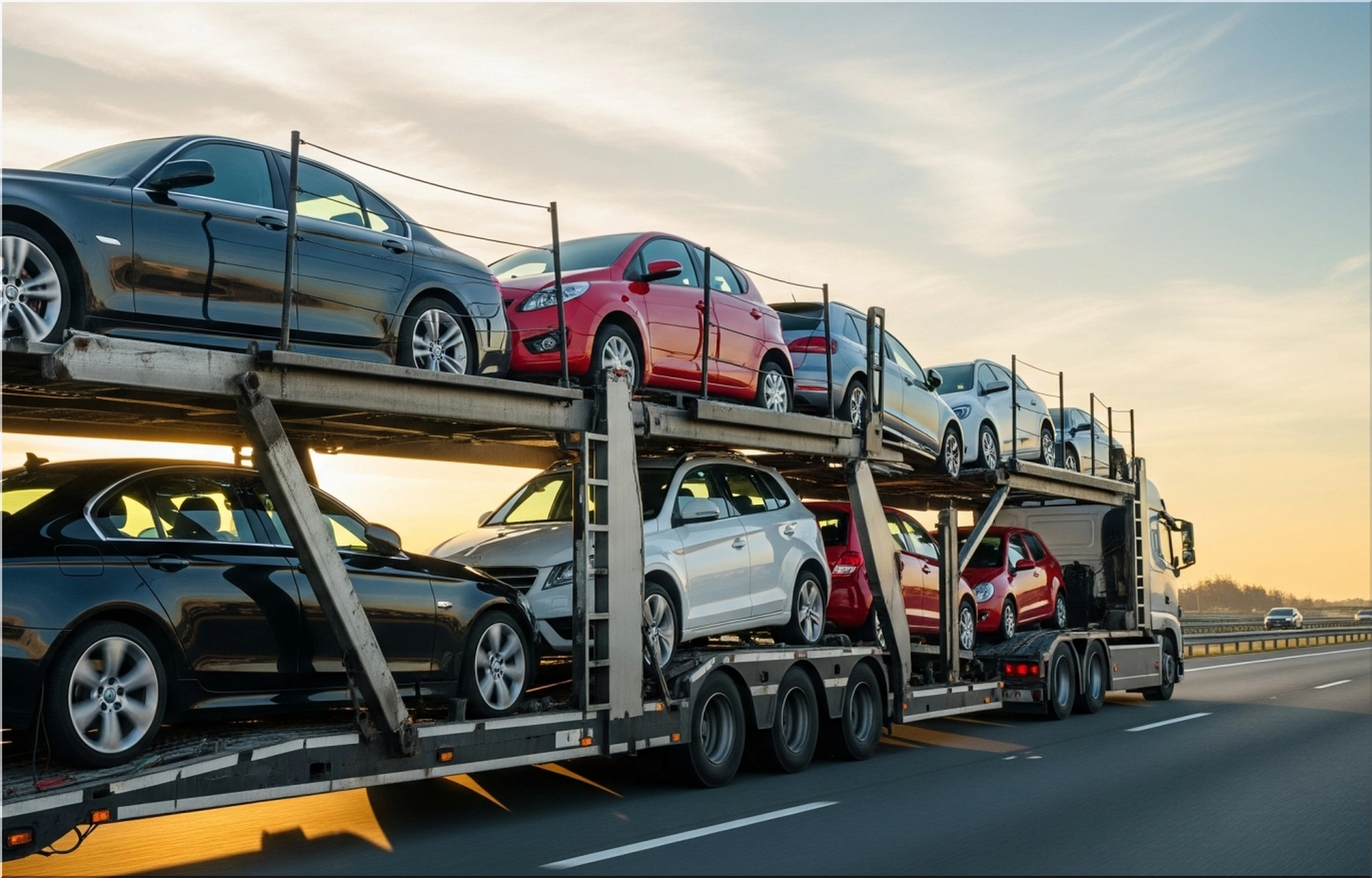
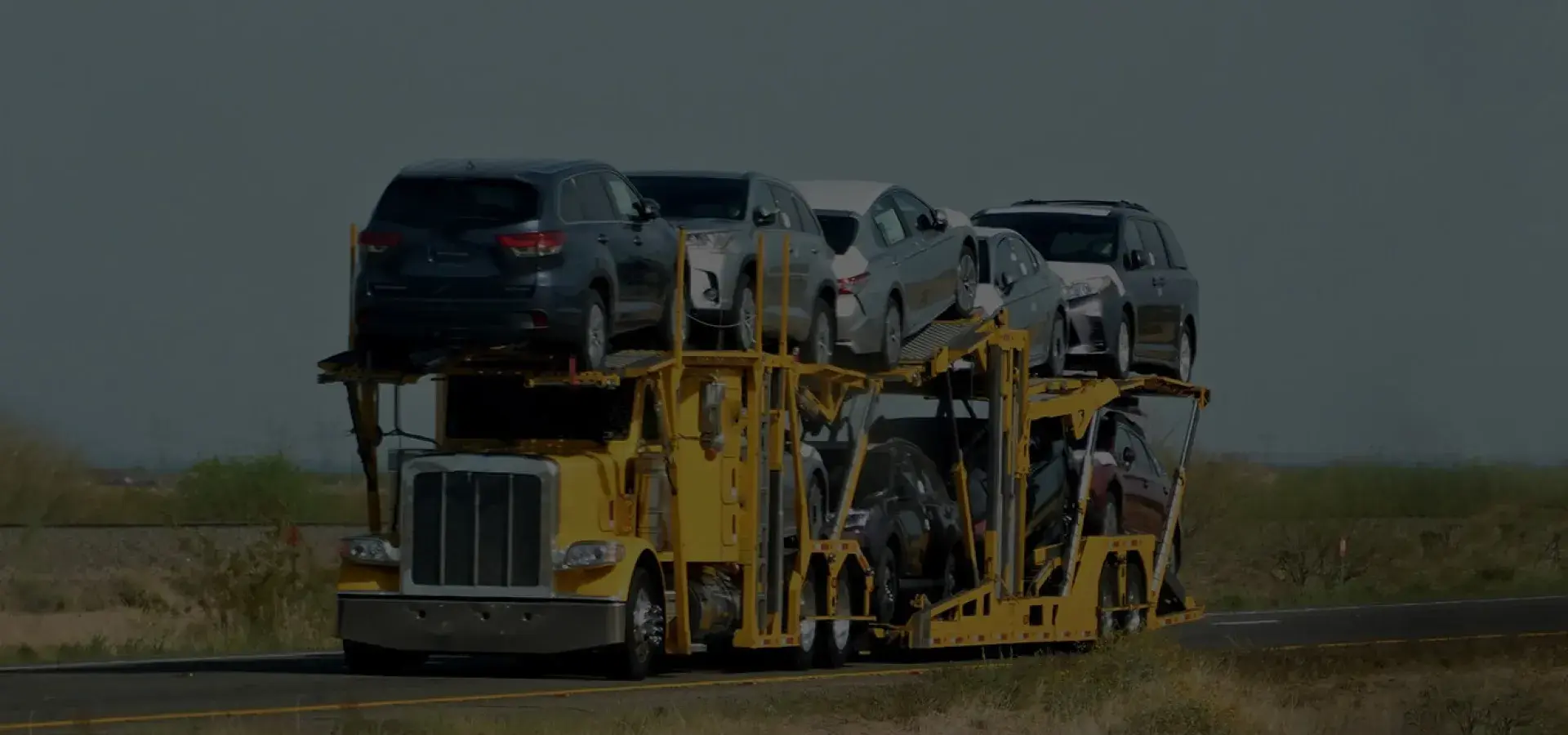
This is the standard method seen on highways. Cars are stacked on a two-tier trailer.
- Pros: Most affordable; fastest scheduling.
- Cons: Exposed to weather, road debris, and "low-hanging" branches in wooded Massachusetts suburbs.
- Worth it for: Daily drivers, older models, and budget-conscious moves.
Enclosed Carrier Transport
The vehicle is placed inside a hard-sided or soft-sided trailer, completely shielded from the outside world.
- Pros: Maximum protection; often includes specialized hydraulic lift gates for low-clearance vehicles.
- Cons: Costs 40% to 60% more than open transport.
- Worth it for: Classic cars, luxury EVs, or brand-new purchases being shipped to a primary residence.
Verification and Safety: How to Ensure It's "Worth It"
The value of an auto transport company disappears if the company is unreliable or fraudulent. To ensure your investment is sound, you must verify the credentials of any Massachusetts-based or national carrier.
Check the DOT and MC Numbers
Every legitimate interstate hauler must be registered with the Federal Motor Carrier Safety Administration (FMCSA). Before signing a contract, ask for their USDOT number and Motor Carrier (MC) number. Use the FMCSA’s "SAFER" website to check their safety rating and insurance status. A company with an "Unsatisfactory" rating is never worth the risk, regardless of how low their quote is.
Insurance and the Bill of Lading
Professional transport is worth it because it transfers the risk of damage from you to the carrier. However, this is only true if you understand the Bill of Lading. This document acts as your receipt and an inspection report. You must meticulously document the vehicle's condition at both pickup and delivery. In 2026, most reputable companies use digital imaging and timestamped photos to provide an indisputable record of the vehicle’s state.
Common Mistakes to Avoid
To maintain the "worth" of the service, avoid these common pitfalls:
- Choosing the Lowest Bid: Low-ball quotes often come from "lead generators" who will struggle to find a carrier to actually pick up your car at that price, leading to delays and "bait-and-switch" pricing.
- Leaving Personal Items in the Car: Most carriers are not licensed to transport household goods inside vehicles. Excess weight can lead to fines from the Department of Transportation, and these items are rarely covered by the carrier's insurance.
- Neglecting the "Empty Tank" Rule: For safety and weight reasons, most companies require the gas tank to be at about 1/4 full. In 2026, for electric vehicles (EVs), companies generally require a battery charge between 45% and 65%.
Frequently Asked Questions
Is it cheaper to ship a car by terminal or door-to-door in Massachusetts?
Terminal-to-terminal shipping is often slightly cheaper, but in Massachusetts, it can be less convenient. Major terminals are often located in industrial zones like Worcester or near Logan Airport. The cost of an Uber or a ride to these locations can eat up the savings. Door-to-door is generally considered more "worth it" for the convenience it provides in the dense Northeast corridor.
How long does it take to ship a car to Massachusetts from the West Coast?
Typically, a cross-country trip takes 7 to 10 days. However, Massachusetts traffic and weather can add 24 to 48 hours to that estimate, especially if the delivery is in a congested area like Downtown Boston or the South Shore.
Does my personal car insurance cover my vehicle during transport?
Most personal policies provide "secondary" coverage, meaning they may kick in only if the carrier’s insurance fails. However, you should notify your agent before shipping. The "worth" of professional transport is largely found in the carrier’s primary cargo insurance, which should cover the full value of the vehicle in the event of a total loss.
Can I ship a non-operational vehicle to Massachusetts?
Yes, but it significantly increases the cost. The carrier will need a winch or a forklift to load the car. If you are restoring a classic car in a town like Amherst or Northampton, ensure you disclose the car's condition upfront to avoid a "dry run" fee where the driver arrives but cannot load the vehicle.
Are there specific Massachusetts laws regarding auto transport?
Massachusetts does not have unique laws that differ significantly from federal FMCSA regulations for interstate transport. However, state-specific "move-over" laws require carriers to be cautious on narrow shoulders. Furthermore, the Massachusetts Registry of Motor Vehicles (RMV) requires you to register your vehicle within a specific timeframe after it arrives in the state if you are becoming a resident.
Final Recommendation
Whether auto transport companies in Massachusetts are worth it depends on your specific balance of time versus money. If you are moving a standard vehicle less than 300 miles (e.g., from New York City to Boston), driving is usually the more practical choice. However, for any move involving more than a full day of driving, the professional option becomes the clear winner.
The logistical complexity of Massachusetts—ranging from its toll-heavy turnpikes to its brutal winters and cramped urban layouts—makes the expertise of a professional carrier a valuable asset. By outsourcing the transit, you protect your vehicle's value, ensure your own safety, and arrive in the Bay State ready to focus on your move rather than recovering from an exhausting road trip.
To proceed, gather at least three quotes from carriers with verified USDOT numbers, prioritize companies with positive recent reviews from the 2025-2026 period, and always opt for door-to-door service if you are moving into one of the state's major metropolitan hubs.