For most drivers in 2026, the answer is a resounding yes: auto insurance prices have reached levels that feel disconnected from historical norms. This surge is the result of a "perfect storm" involving hyper-expensive vehicle technology, increased climate-related claims, and "social inflation" in legal settlements, which have collectively pushed average premiums to record highs across North America.
The feeling that insurance costs are "insane" is backed by significant economic data. Over the last several years, the cost of motor vehicle insurance has consistently outpaced general inflation. While the broader Consumer Price Index (CPI) may have stabilized, the specific components that dictate insurance premiums—namely medical costs, auto parts, and specialized labor—remain in a state of volatility. To understand why your monthly bill has reached these heights, we must examine the structural shifts in the automotive and insurance industries that have fundamentally changed the cost of risk.
The Technological Paradox: Safety Features vs. Repair Costs
One of the primary drivers of "insane" insurance pricing is, ironically, the advancement of safety technology. Most vehicles on the road in 2026 are equipped with Advanced Driver Assistance Systems (ADAS). These systems include lane-departure warnings, automatic emergency braking, and adaptive cruise control, all of which rely on a network of sophisticated sensors, cameras, and radar units.
While these features are designed to prevent accidents, they have made even minor "fender benders" astronomically expensive to repair. In previous decades, a low-speed rear-end collision might have required only a new plastic bumper cover and some paint. Today, that same impact can destroy several ultrasonic sensors and a radar array housed behind the bumper. Beyond the cost of the hardware, these systems require precise recalibration by specialized technicians using proprietary software.
This technological complexity has shifted the "total loss" threshold for insurance companies. Because the cost of parts and specialized labor has skyrocketed, insurers are more likely to declare a vehicle a total loss after a moderate accident rather than attempting a repair that could exceed 70% of the vehicle's actual cash value. When insurance companies pay out the full value of vehicles more frequently, they must raise premiums for the entire pool of drivers to remain solvent.
The Impact of Electric Vehicles (EVs) on Market Rates
As of 2026, the market share of electric vehicles has reached a critical mass, and this shift has had a ripple effect on insurance pricing for everyone. EVs are generally more expensive to insure than their internal combustion engine (ICE) counterparts for several reasons:
- Battery Sensitivity: Even minor damage to an EV’s undercarriage can compromise the integrity of the lithium-ion battery pack. Because these packs are the most expensive component of the vehicle—often costing between $10,000 and $20,000—a damaged battery almost always results in the car being totaled.
- Specialized Repair Networks: There are fewer body shops certified to work on high-voltage EV systems compared to traditional repair shops. This lack of competition and the need for specialized equipment allow certified shops to charge higher labor rates.
- Torque and Weight: EVs are significantly heavier than ICE vehicles and provide instant torque. Data suggests that this can lead to more severe damage in collisions, increasing the liability portion of insurance payouts.
The Insurance Institute for Highway Safety (IIHS) provides extensive data on how vehicle weight and design impact crash outcomes, which directly correlates to the premium hikes seen throughout 2025 and 2026.
Climate Change and "Catastrophe Modeling"
Another factor making insurance prices feel "insane" is the geographic expansion of high-risk zones. In the past, drivers in states like Florida or Louisiana expected higher rates due to hurricane risk. However, by 2026, we have seen a massive increase in "secondary peril" claims—damage from localized hail, flash flooding, and wildfires in regions previously considered safe.
Insurers use catastrophe modeling to predict future losses. As these models incorporate more frequent and severe weather events, companies have had to increase their "reinsurance" coverage (insurance for insurance companies). The cost of reinsurance has climbed globally, and those costs are passed directly to the consumer. For a driver in a state like Colorado or Texas, a single massive hailstorm can lead to thousands of comprehensive claims simultaneously, causing a regional spike in premiums regardless of an individual driver’s record.
Social Inflation and Nuclear Verdicts
The term "social inflation" refers to the rising costs of insurance claims resulting from societal trends, such as increased litigation and larger jury awards. In 2026, the legal landscape for auto accidents has become increasingly aggressive. "Nuclear verdicts"—court awards exceeding $10 million—have become more common in cases involving commercial fleets and even private passenger vehicles.
The prevalence of third-party litigation funding, where investors finance lawsuits in exchange for a portion of the settlement, has encouraged longer, more expensive legal battles. Insurance companies must set aside massive reserves to cover these potential payouts and the legal fees associated with defending them. This "litigation tax" is embedded in every premium, contributing significantly to the sense that prices are spiraling out of control.
Comparative Overview of Insurance Cost Drivers (2026)
The following table outlines the key factors contributing to the current pricing environment and their relative impact on consumer premiums.
| Factor | Description | Estimated Impact on Premiums | Primary Driver |
|---|---|---|---|
| ADAS Repair | Calibration and sensor replacement | High | Complex Electronics |
| Labor Rates | Shortage of certified technicians | Moderate | Economic/Demographic |
| Medical Inflation | Rising cost of post-accident care | High | Healthcare Costs |
| Social Inflation | Increased litigation and jury awards | Very High | Legal Environment |
| Climate Risks | Hail, floods, and wildfires | High | Environment |
| EV Adoption | Battery costs and total-loss rates | Moderate | Vehicle Fleet Shift |
Why Your "Clean" Record No Longer Guarantees Low Rates
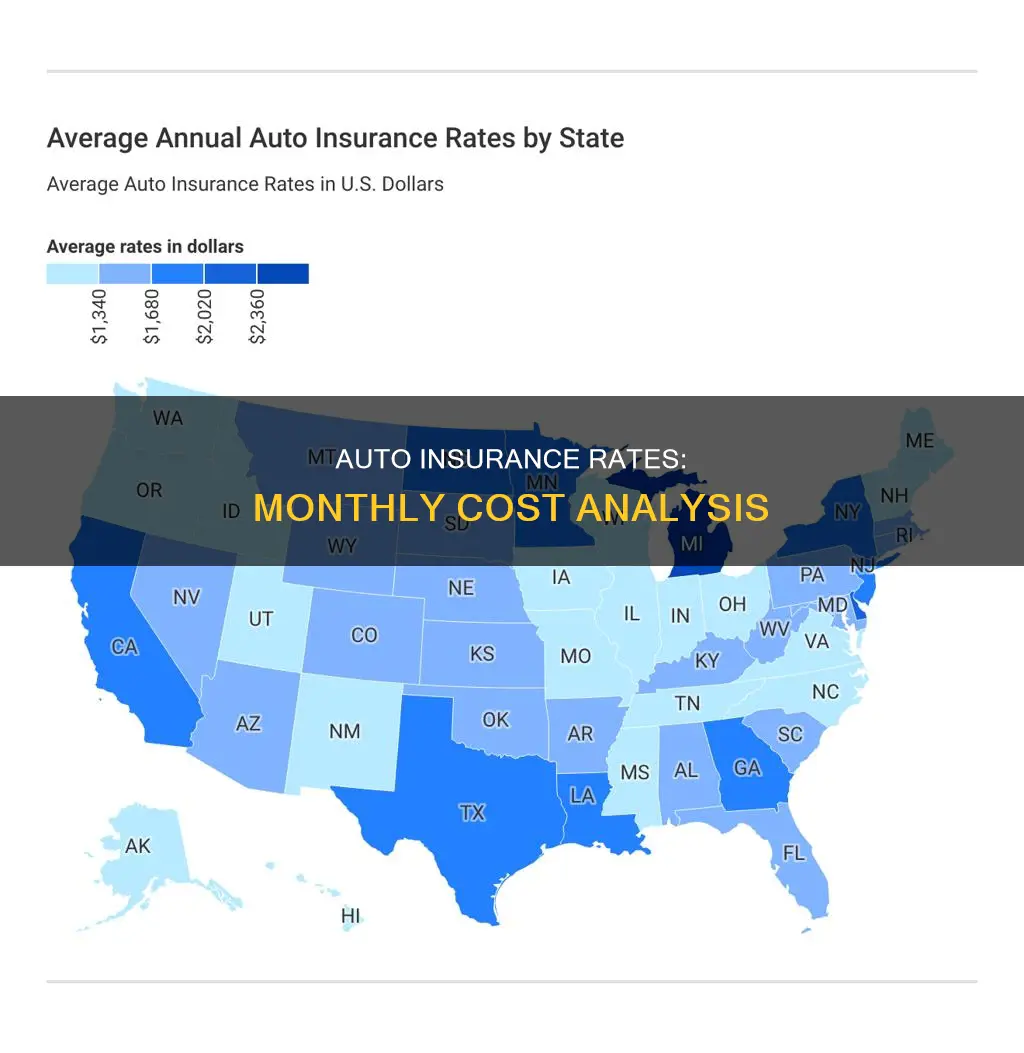
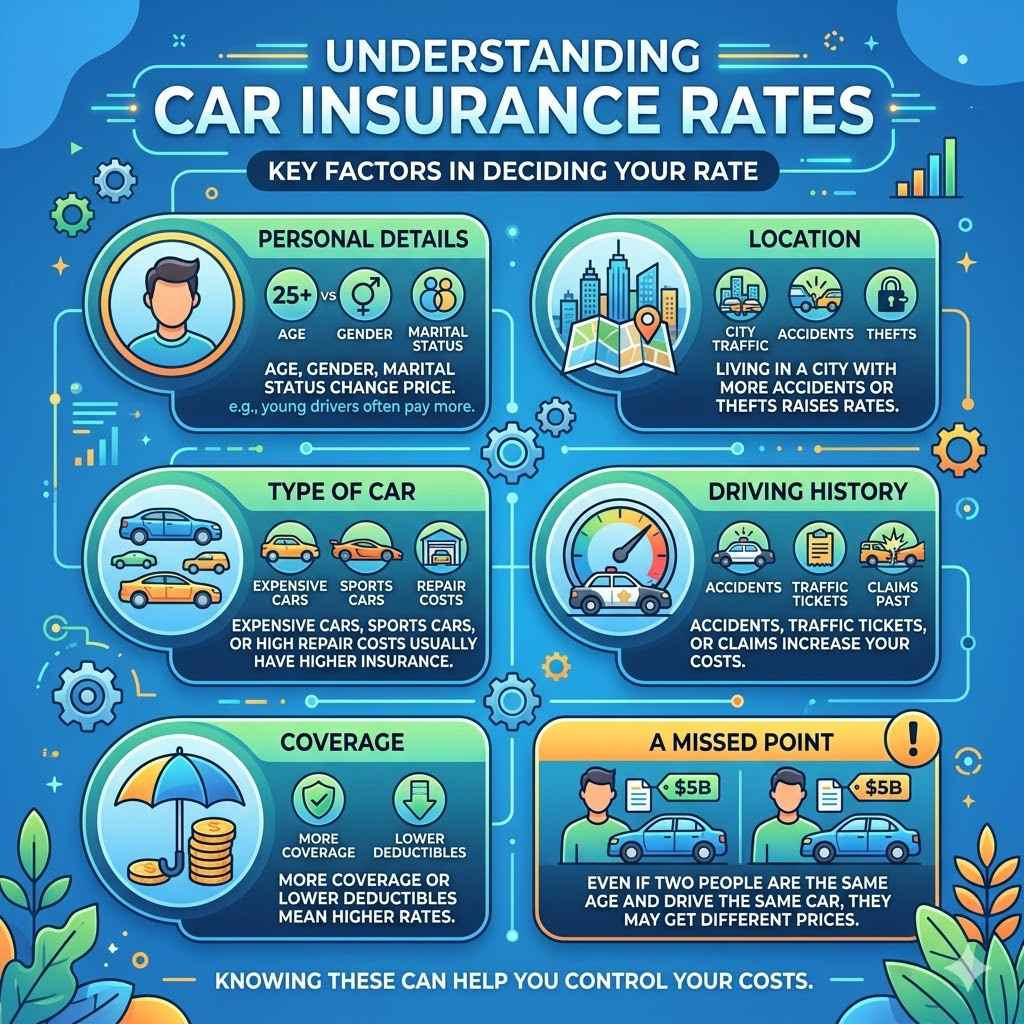
Many drivers are frustrated because their rates are rising despite having no accidents or tickets. In the 2026 insurance market, individual behavior is often secondary to "pool-based" risk. If the zip code where you live has seen a 20% increase in vehicle thefts or a 30% increase in repair costs, your rate will rise to reflect that local reality.
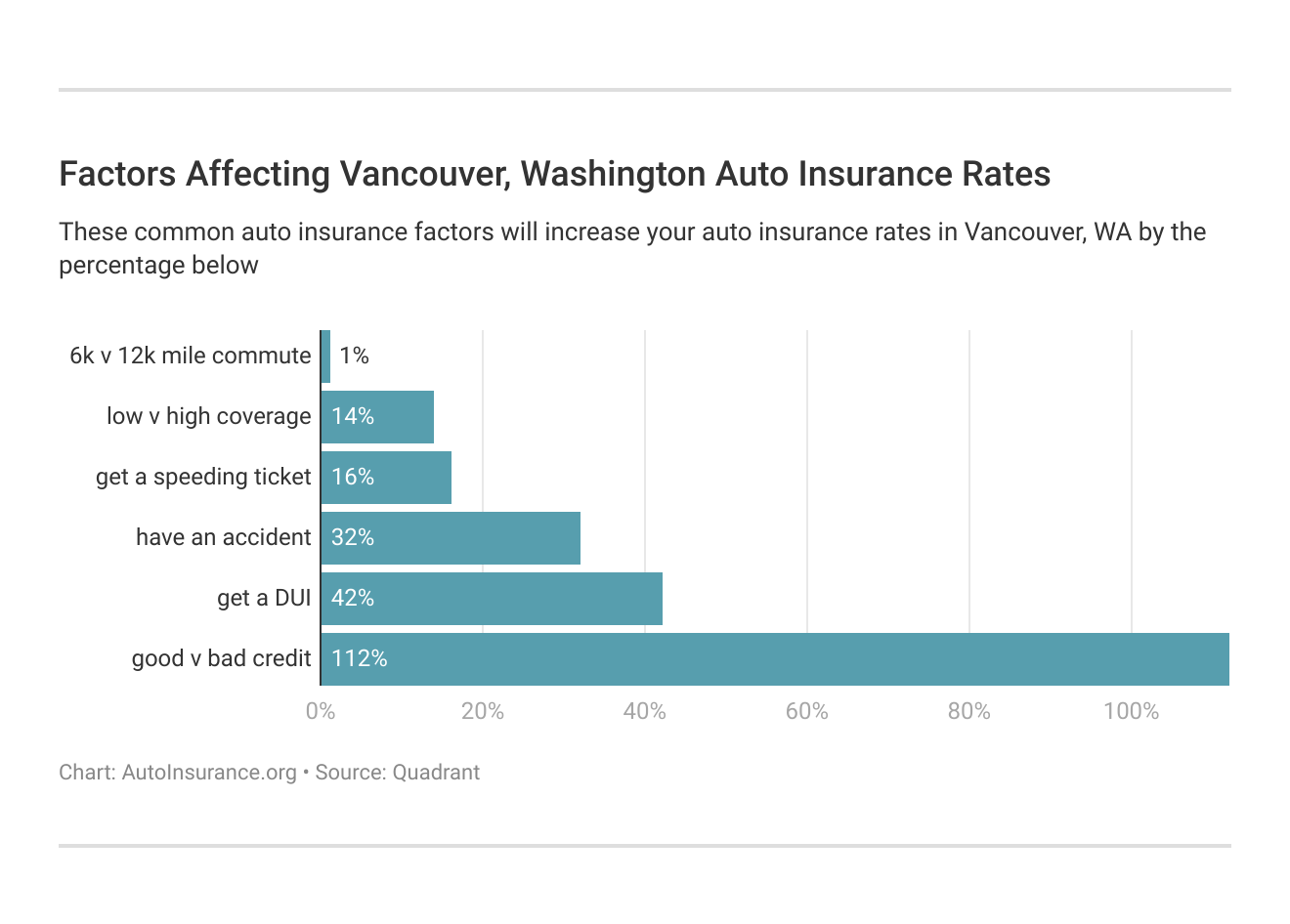
Furthermore, insurers have become more sophisticated in their use of non-driving data. Factors such as credit-based insurance scores, homeownership status, and even education level are used to predict risk. In many states, a drop in a consumer’s credit score can lead to a higher insurance premium than a speeding ticket would. This practice, while controversial, remains a cornerstone of actuarial modeling in 2026.
Strategies to Combat "Insane" Premiums
While many factors are outside of your control, there are specific steps you can take to mitigate the impact of rising costs.
1. Re-evaluate Your Deductibles
As vehicle values have risen, the traditional $500 deductible may no longer be the most cost-effective choice. Moving to a $1,000 or $1,500 deductible can significantly reduce your annual premium. However, you should only do this if you have the savings set aside to cover that amount in the event of a claim.
2. Usage-Based Insurance (Telematics)
By 2026, most major insurers offer "Pay-How-You-Drive" programs. These use smartphone apps or plug-in devices to monitor your braking, acceleration, and time of day spent driving. If you are a low-mileage driver or a cautious "suburban" driver, these programs can offer discounts of 20% to 40%. The trade-off is privacy, as the insurer will have a granular record of your movements.
3. Shopping the Market Regularly
The "loyalty penalty" is real. Insurance companies often use "price optimization" algorithms that identify customers who are unlikely to switch, even if their rates go up. By getting quotes from at least three different carriers every 12 months, you force the market to compete for your business.
4. Bundling with Caution
While bundling home and auto insurance is a classic piece of advice, it is essential to check the individual prices. In 2026, some specialized auto-only insurers are undercutting the "big name" legacy carriers, even when the bundle discount is factored in.
The Future: Will Auto Insurance Prices Ever Decrease?
Looking ahead past 2026, a significant decrease in premiums is unlikely. The structural costs of repairing modern vehicles and the legal climate suggest that high prices are the "new normal." However, the rate of increase is expected to slow as supply chains for automotive chips and parts fully stabilize and as more repair shops become certified in modern tech, potentially introducing more competition.
The National Association of Insurance Commissioners (NAIC) continues to monitor these trends to ensure that while rates are high, they are not "excessive, inadequate, or unfairly discriminatory." Regulatory intervention may eventually limit the use of certain non-driving factors, but for now, the primary burden of finding an affordable rate remains on the consumer.
Frequently Asked Questions
Why did my insurance go up if I haven't had an accident?
Insurers adjust rates based on the overall "loss experience" of your demographic and geographic group. If the cost of parts, medical care, and legal settlements rises for the company as a whole, they must raise rates for all policyholders to maintain the ability to pay future claims.
Is it true that red cars cost more to insure?
No. This is a persistent myth. Insurance companies do not ask for the color of your vehicle when providing a quote. They are much more concerned with the vehicle's make, model, safety ratings, engine size, and the cost of its specific parts.
Does my credit score really affect my car insurance?
In most states, yes. Actuarial data shows a strong correlation between credit history and the likelihood of filing a claim. Drivers with higher credit scores are statistically less likely to be involved in accidents or file fraudulent claims, leading insurers to offer them lower rates.
How much coverage do I actually need in 2026?
With the rise in vehicle prices and medical costs, the "state minimum" liability limits are often dangerously low. A single accident involving a modern luxury SUV or an EV could easily exceed a $50,000 property damage limit. Experts recommend at least $100,000/$300,000 in bodily injury and $100,000 in property damage liability to protect your assets.
Are there specific cars that are cheaper to insure right now?
Generally, mid-sized sedans and crossovers from brands with large, established part-supply networks (like Honda, Toyota, or Subaru) tend to be cheaper to insure. These vehicles often have lower "total loss" rates and more predictable repair costs than high-end luxury brands or niche EVs.
Practical Recommendation
If you find your current auto insurance premium to be "insane," your first action should be to request a "comprehensive policy review" from your current agent. Specifically, ask for a comparison of your current rate against a usage-based (telematics) plan and inquire if you are receiving every possible discount, such as those for professional affiliations, low annual mileage, or safety certifications. If they cannot reduce the premium by at least 10%, it is time to spend 30 minutes using a reputable online comparison tool to find a carrier that better suits your current risk profile.