The most effective athletes drink of choice is rarely a single product, but rather a strategic rotation of fluids tailored to exercise intensity, duration, and environmental conditions. While water remains the foundation for baseline hydration, high-performance athletes prioritize isotonic solutions containing a 6–8% carbohydrate concentration and 500–700mg of sodium per liter during exertion, followed by protein-rich recovery beverages like chocolate milk or specialized whey-based shakes post-workout.
In the competitive landscape of 2026, the concept of a universal "sports drink" has been replaced by precision hydration. Athletes no longer rely solely on what is available in the cooler; they select beverages based on physiological needs, sweat rates, and metabolic demands. To understand why certain drinks are chosen over others, we must examine the science of osmolality, the role of electrolytes, and the timing of nutrient delivery.
The Physiology of Hydration: Why Water Isn’t Always Enough
For the average person performing low-intensity exercise for less than 60 minutes, plain water is often sufficient. However, for competitive athletes, water alone can sometimes lead to a condition known as hyponatremia—a dangerously low concentration of sodium in the blood caused by over-hydration without electrolyte replacement.
When an athlete sweats, they lose more than just water. Sweat contains essential minerals, primarily sodium, potassium, magnesium, and calcium. These electrolytes are critical for transmitting electrical impulses across cell membranes, which in turn facilitates muscle contractions and maintains fluid balance. If an athlete only replaces fluid volume without replacing these minerals, their performance will degrade as muscle cramping and neurological fatigue set in.
Understanding Osmolality
The "drink of choice" for an athlete is often defined by its osmolality—the concentration of particles (solutes) in the fluid compared to the concentration of particles in human blood.
- Hypotonic Drinks: These have a lower concentration of salt and sugar than blood. They are absorbed faster than water and are ideal for rapid rehydration without a significant caloric load.
- Isotonic Drinks: These have a similar concentration to blood (typically 6–8% carbohydrate). This is the standard for most sports drinks because it strikes a balance between fueling (carbs) and hydration (fluid absorption).
- Hypertonic Drinks: These have a higher concentration than blood. They are typically used for high-calorie supplementation but can slow down gastric emptying, meaning they stay in the stomach longer and may cause GI distress if consumed during high-intensity movement.
The "During" Phase: The Dominance of Isotonic Sports Drinks
During training or competition, the primary goal of an athlete's drink is to maintain blood glucose levels and prevent dehydration. As of 2026, the industry standard for elite performance remains the glucose-fructose blend.
Research has consistently shown that the human body has different transporters for different types of sugars. The SGLT1 transporter handles glucose, while the GLUT5 transporter handles fructose. By choosing a drink that uses a ratio (often 2:1 or 1:0.8) of glucose to fructose, athletes can absorb up to 90–120 grams of carbohydrates per hour—far more than they could with glucose alone.
The Role of Sodium
Sodium is the "master switch" for hydration. It serves two vital functions: it triggers the thirst mechanism, ensuring the athlete continues to drink, and it helps the small intestine absorb water and glucose into the bloodstream more efficiently. For endurance athletes, drinks containing 500mg to 1,000mg of sodium per liter are often the choice for long-duration events in the heat.
The Evolution of Hydrogel Technology
A significant shift in the "athletes drink of choice" over recent years involves hydrogel technology. Originally popularized by brands like Maurten and adopted by nearly every elite marathoner and cyclist by 2026, hydrogels use pectin and sodium alginate to encapsulate high concentrations of carbohydrates.
When the drink hits the high acidity of the stomach, it transforms into a gel. This gel protects the carbohydrates from being broken down too early and allows them to pass into the intestines more quickly. This technology has effectively solved the "gut rot" or gastrointestinal distress that previously limited how much fuel an athlete could consume during a race.
Post-Workout Recovery: The Science of the "Golden Ratio"
Once the session ends, the athlete’s drink of choice shifts from hydration and fuel to repair and replenishment. The primary objectives are to rehydrate, restore glycogen (stored energy), and provide amino acids for muscle protein synthesis.
Chocolate Milk: The Unlikely Champion
Despite the proliferation of expensive supplements, low-fat chocolate milk remains a perennial favorite among sports scientists and athletes. It naturally provides a nearly perfect 3:1 or 4:1 ratio of carbohydrates to protein. The fast-digesting sugars spike insulin, which helps "drive" the protein into the muscle cells to begin the repair process.
Tart Cherry Juice and Anti-Inflammatory Fluids
In 2026, many professional athletes have integrated tart cherry juice into their post-performance routine. Rich in anthocyanins and melatonin, this drink has been clinically shown to reduce muscle soreness (DOMS) and improve sleep quality, which is the most critical period for physical recovery.
Comparative Analysis of Athlete Beverage Categories
The following table compares the most common categories of athletic drinks based on their functional profile and optimal use cases.
| Drink Category | Primary Components | Main Benefit | Best Use Case |
|---|---|---|---|
| Plain Water | H2O | Baseline hydration | Low intensity; <45 mins |
| Electrolyte Tabs | Sodium, Potassium, Magnesium | Mineral replacement | High sweat rate; Keto/Low-carb |
| Isotonic Sports Drink | 6-8% Carb + Electrolytes | Energy & Hydration | Team sports; High intensity |
| Hydrogel Solutions | High Carb (80g+) + Pectin | Maximum fueling | Endurance (Marathon, Cycling) |
| Protein Shakes | Whey/Vegan Protein + Leucine | Muscle repair | Post-resistance training |
| Recovery Blends | 4:1 Carb-to-Protein Ratio | Glycogen & Muscle recovery | Post-endurance or multi-session |
Individualization: The "Sweat Test" Factor
The modern athlete’s drink of choice is increasingly dictated by a "sweat test." Not all athletes are "salty sweaters." Some may lose 200mg of sodium per liter of sweat, while others (often called "heavy sweaters") may lose upwards of 2,000mg.
By 2026, wearable sweat patches and non-invasive sensors have become standard equipment. These devices analyze the mineral composition of sweat in real-time and sync with an athlete’s smartphone to recommend exactly which drink—and how much of it—they should consume. This eliminates the guesswork and prevents the performance plateaus associated with electrolyte imbalances.
Common Pitfalls in Selecting an Athletic Drink
Choosing the wrong drink can be as detrimental as not drinking at all. Athletes must be wary of several common mistakes:
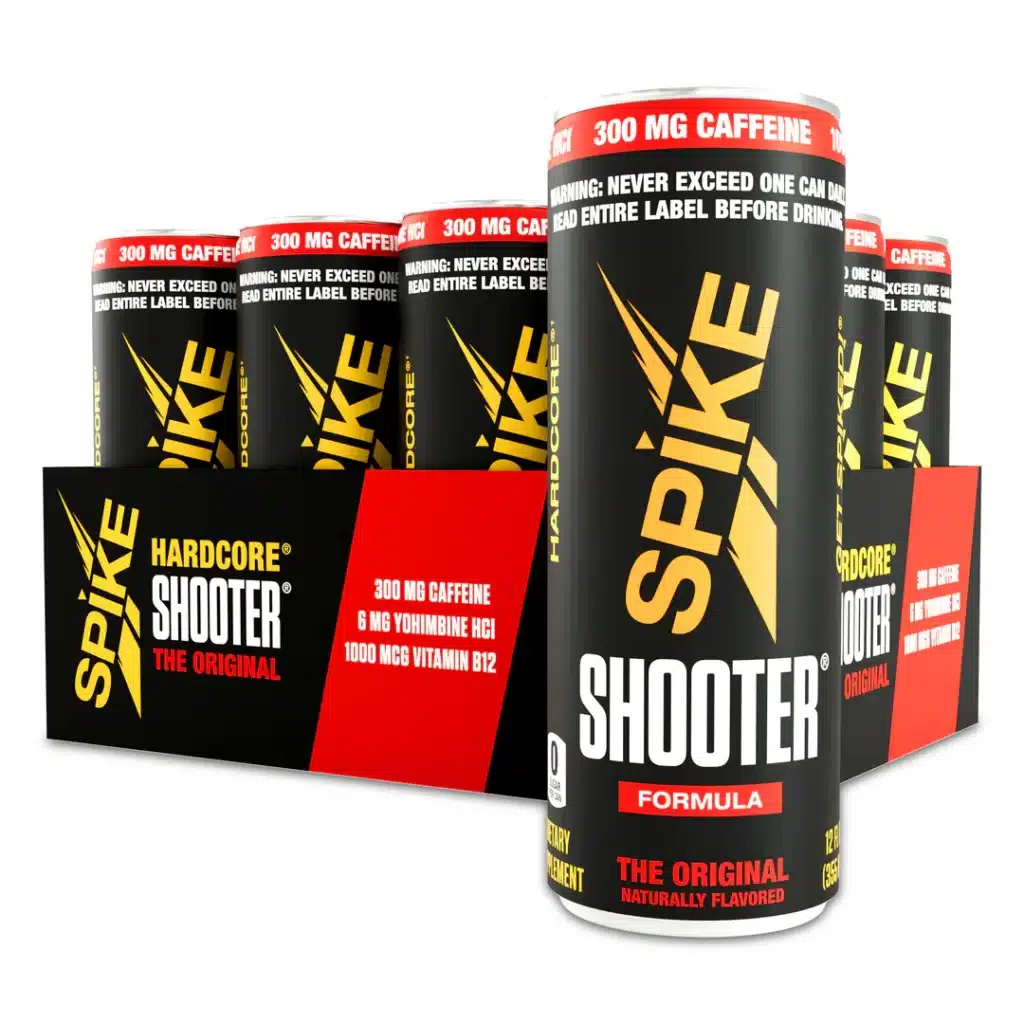
- Excessive Caffeine: While caffeine is a proven ergogenic aid, over-reliance on highly caffeinated energy drinks can lead to increased heart rate, jitteriness, and gastrointestinal issues.
- "Zero-Sugar" Traps during Intensity: While sugar-free electrolyte drinks are excellent for weight management or light activity, they fail to provide the glucose necessary for high-intensity ATP production.
- Alcohol Consumption: It remains a fact that alcohol inhibits protein synthesis and dehydrates the body. The "post-race beer" may be a tradition, but it is physiologically counterproductive to recovery.
- Cold vs. Room Temperature: For most athletes, a cold drink (around 40°F or 4°C) is preferred as it helps lower core body temperature during exertion and is generally more palatable, leading to higher fluid intake.
Specialized Needs: Extreme Environments
The drink of choice also shifts based on geography. In high-altitude environments, athletes lose more fluid through respiration (breathing) because the air is drier. In these cases, even if the athlete isn't sweating profusely, a higher volume of hypotonic fluid is required. Conversely, in high-humidity environments, sweat does not evaporate effectively, making core temperature regulation difficult. Here, ice-slushie drinks (thermogenic cooling) are often the choice to keep internal temperatures from reaching critical levels.
Frequently Asked Questions
Is coconut water a good drink for athletes?
Coconut water is high in potassium but relatively low in sodium compared to what is lost in sweat. It is an excellent choice for light to moderate rehydration or as a base for a smoothie, but for high-intensity or long-duration endurance events, it usually requires supplemental salt to be truly effective as a sports drink.
How much should an athlete drink per hour?
A general guideline is 16–24 ounces (approx. 500–750ml) of fluid per hour of exercise, but this varies wildly. The most accurate way to determine needs is to weigh yourself before and after a workout; for every pound lost, you should consume roughly 16–20 ounces of fluid to recover.
Do "energy drinks" count as sports drinks?
Generally, no. Energy drinks like Red Bull or Monster are often hypertonic (high sugar concentration) and high in caffeine, which can slow hydration and cause stomach upset during exercise. A "sports drink" is designed for hydration and steady fueling, whereas an "energy drink" is a stimulant.
Why is sodium the most important electrolyte for athletes?
Sodium is the primary electrolyte lost in sweat and is responsible for maintaining blood volume. If blood volume drops due to sodium loss, the heart has to work harder to pump blood to the working muscles and the skin for cooling, leading to premature fatigue and decreased aerobic capacity.
Are "natural" sports drinks better than commercial ones?
It depends on the formulation. While many athletes prefer "clean label" drinks without artificial dyes or sweeteners, the physiological requirements—specifically the ratio of glucose to fructose and the concentration of sodium—must still be met to ensure performance isn't compromised.
Should I drink a protein shake during my workout?
Most athletes find that drinking protein during a workout is unnecessary and can cause stomach heaviness. The primary goal during a workout is energy (carbohydrates) and hydration. Save the protein for the 30–60 minute window immediately following your session to maximize muscle repair.
Practical Recommendation
To optimize your performance, adopt a three-tiered hydration strategy. For daily life and low-intensity sessions under 60 minutes, stick to plain water or low-calorie electrolyte tabs. For intense training or competitions lasting over an hour, choose an isotonic sports drink with at least 500mg of sodium and a 2:1 glucose-to-fructose ratio. Finally, prioritize a protein and carbohydrate recovery drink within 45 minutes of finishing your session to kickstart the repair process. For the best results, consider a professional sweat test to identify your specific sodium loss profile and adjust your intake accordingly.