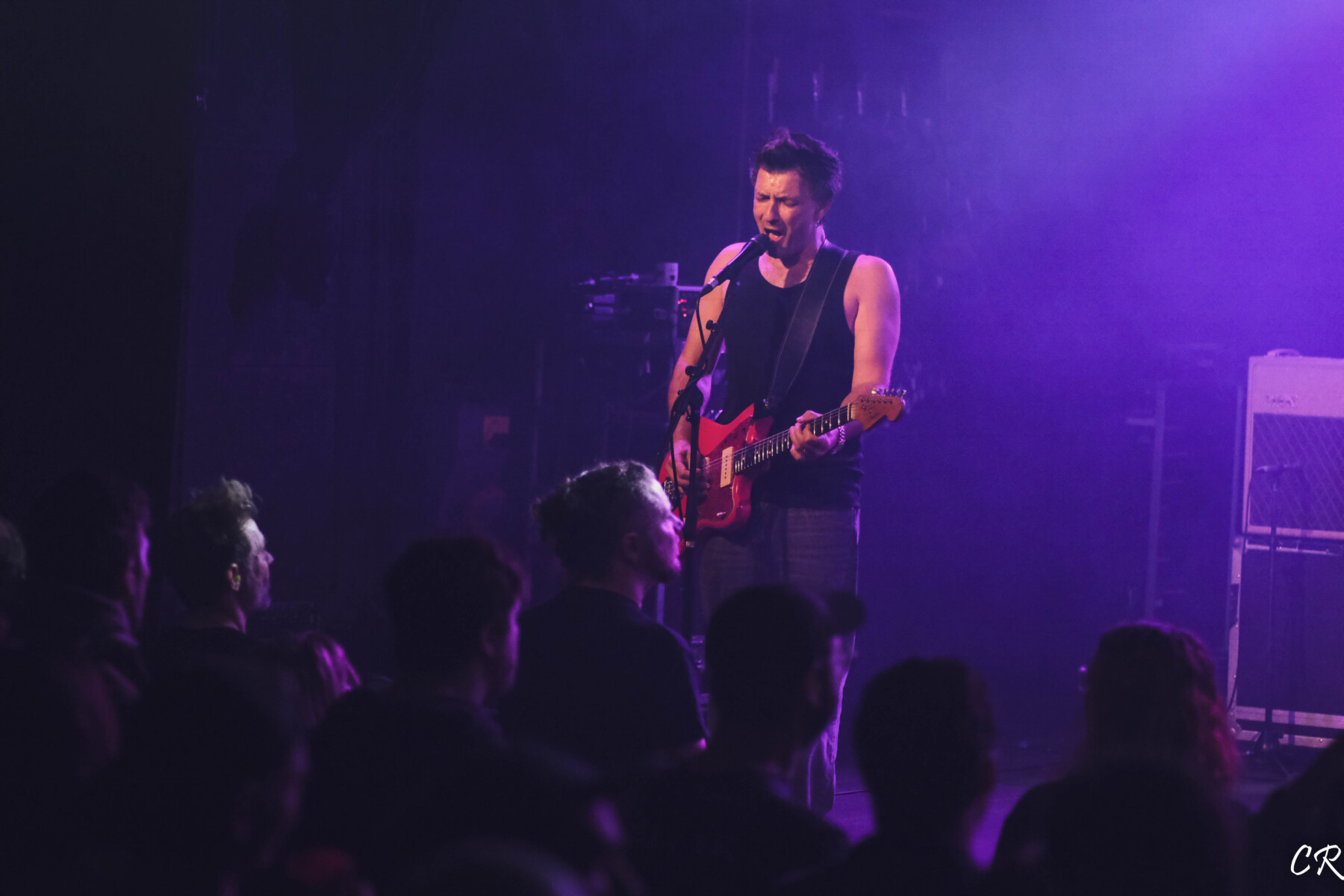
The transition from professional sports to a music career involves leveraging existing celebrity platforms to establish creative credibility in a new industry. Success as an athlete turned singer requires rigorous vocal training, a strategic rebranding effort that moves beyond "vanity project" stigmas, and the utilization of digital distribution to connect with both sports fans and new musical audiences.
The Psychology and Motivation Behind the Transition
The "athlete turned singer" phenomenon is rarely a sudden whim; it is often the result of a long-standing passion that was sidelined during the peak of a high-intensity athletic career. By 2026, the concept of the "multi-hyphenate" professional has become the standard rather than the exception. Athletes are no longer content with being defined solely by their physical prowess; they seek longevity in an industry where age is less of a barrier than it is on the court or field.
Professional sports careers are notoriously brief. The average NFL career lasts approximately 3.3 years, while the NBA and MLB hover around 4.5 to 5 years. For many, music represents a "second act" that offers a long-tail revenue stream and a way to maintain a public profile after their physical prime has passed. Furthermore, the psychological transition is supported by the shared discipline between sports and music. Both require thousands of hours of "boring" practice, a high tolerance for public scrutiny, and the ability to perform under extreme pressure.
Historical Milestones: Establishing the Blueprint
To understand the modern athlete turned singer, one must look at the pioneers who broke the "jock" stereotype. In the late 20th century, the transition was often viewed as a novelty. Figures like Shaquille O'Neal proved that an athlete could achieve commercial success, with his 1993 debut album Shaq Diesel reaching platinum status. While critics initially dismissed it, his success laid the groundwork for the NBA-to-Hip-Hop pipeline.
In the realm of jazz and instrumental music, Wayman Tisdale provided perhaps the most successful blueprint. After a stellar NBA career, Tisdale became a chart-topping jazz bassist, releasing several albums that reached number one on the Billboard contemporary jazz charts. His transition was respected because he prioritized technical proficiency over celebrity status. Similarly, MLB star Bernie Williams transitioned into a critically acclaimed classical guitar player and Latin jazz artist, proving that the athlete-to-musician pipeline could produce high-art output.
The Modern Era: Genre Specialization and the NIL Impact
As we move through 2026, the pathways for athletes entering music have diversified significantly. The genre an athlete chooses often reflects the cultural milieu of their specific sport.
The Hip-Hop and R&B Pipeline
The NBA and NFL remain the primary feeders for the hip-hop and R&B genres. Damian Lillard, performing under the name Dame D.O.L.L.A., is widely considered the gold standard for modern transitions. Unlike previous generations, Lillard earned the respect of the hip-hop community by prioritizing lyrical craft over simple radio hooks. Victor Oladipo followed a similar path in R&B, showcasing a vocal range that challenged the "auto-tune" accusations often leveled at athletes.
Country and Folk Transitions
Interestingly, individual sport athletes—particularly those from the worlds of professional wrestling, rodeo, or Olympic disciplines—often gravitate toward country and folk music. The storytelling nature of these genres aligns with the "rugged individualist" branding often found in these sports. By 2026, we see a rise in former endurance athletes and outdoor sports professionals using acoustic music to soundtrack their post-competitive lives.
The NIL (Name, Image, Likeness) Revolution
One of the most significant shifts leading into 2026 has been the impact of NIL rules in collegiate athletics. Current student-athletes are now able to release music and build a brand as a singer while still competing at the amateur level. This means that by the time they retire from professional sports, they already have a decade of "musical data," a dedicated listener base, and a verified Spotify profile. This has removed the "abruptness" of the career pivot, making it a gradual evolution rather than a shocking change.
Technical Requirements for a Successful Transition
An athlete cannot simply walk into a recording studio and expect a hit. The technical gap between "singing as a hobby" and "singing as a profession" is vast.
- Vocal Conditioning and Breath Control: While athletes often have superior lung capacity, they must learn to control it for resonance rather than explosive power. Professional vocal coaching is the first prerequisite. This involves learning how to protect the vocal cords—a muscle group just as prone to injury as a hamstring.
- Brand Decoupling: To be taken seriously, an athlete must eventually decouple their music from their sports statistics. This often involves using a stage name or creating a distinct visual aesthetic that does not rely on team colors or sports imagery.
- Production and Collaboration: Successful athlete-singers often partner with established producers who can lend "industry ears" to their projects. Surrounding oneself with seasoned musicians provides the necessary gatekeeping to ensure the output meets market standards.
- Touring and Live Performance: This is the ultimate "litmus test." While an athlete is used to an arena, performing a 90-minute set is a different form of stamina. Transitioning requires mastery of stage presence, audience engagement, and the technical aspects of in-ear monitors and live sound mixing.
Comparing Notable Athlete-to-Singer Transitions
The following table highlights key figures who have successfully navigated this career shift, illustrating the variety of paths taken.
| Athlete Name | Primary Sport | Musical Genre | Key Milestone/Achievement |
|---|---|---|---|
| Damian Lillard | Basketball (NBA) | Hip-Hop | Multiple albums; performances at NBA All-Star Weekend. |
| Shaquille O'Neal | Basketball (NBA) | Rap / EDM | Platinum-selling debut album; global festival DJ. |
| Bernie Williams | Baseball (MLB) | Latin Jazz | Latin Grammy nomination for Moving Forward. |
| Wayman Tisdale | Basketball (NBA) | Jazz | Multiple #1 albums on Billboard Contemporary Jazz charts. |
| Victor Oladipo | Basketball (NBA) | R&B | Appearance on The Masked Singer; high-charting R&B singles. |
| Darren Waller | Football (NFL) | Hip-Hop/Soul | Critically recognized for vulnerable, sober-focused lyricism. |
| Manny Pacquiao | Boxing | Pop / Ballad | Multi-platinum records in the Philippines; iconic walk-out songs. |
Overcoming the "Vanity Project" Stigma
The greatest hurdle for any athlete turned singer is the perception that their music career is a "vanity project"—something funded by their sports millions rather than earned through talent. To overcome this, the modern athlete-artist in 2026 focuses on "low-stakes" entry points:
- Ghost-releasing: Some athletes release music under pseudonyms on platforms like SoundCloud or Bandcamp to gauge authentic interest before attaching their famous name to the project.
- Feature-First Strategy: By appearing as a guest on tracks by established artists, athletes can earn a "stamp of approval" from the music industry.
- Documenting the Process: Showing the "behind-the-scenes" struggle—the vocal lessons, the failed takes, and the songwriting sessions—helps humanize the transition and proves to fans that they are putting in the work.
Operational Costs and Financial Realities
While many top-tier athletes have the capital to fund their own labels, the costs of a high-level music career are significant.
- Studio Time: High-end studios can cost $1,000 to $3,000 per day.
- Production Fees: Top-tier producers often charge five-figure sums per track, plus royalty points.
- Marketing and PR: Breaking a new artist requires a dedicated PR team, social media managers, and digital ad spend, which can easily exceed $100,000 for a single album cycle.
- Distribution: While services like DistroKid are cheap, the "middle-man" costs of radio promotion and playlist pitching remain high.
For the athlete, the goal is often not immediate profit, but "brand equity." A successful music career can lead to festival bookings, sync licensing (music in movies/commercials), and a continued presence in the zeitgeist long after they have played their last game.
Common Pitfalls to Avoid
Many athletes fail in the music industry not due to a lack of talent, but due to poor execution. Common mistakes include:
- Over-reliance on Auto-Tune: While common in modern music, over-using it can reinforce the idea that the athlete cannot actually sing.
- Lyrical Clichés: Athletes often fall into the trap of only writing about their sports success, which alienates listeners who cannot relate to multi-million dollar contracts.
- Ignoring the "Grind": Some athletes expect to headline festivals immediately because they are used to playing in stadiums. The music industry requires "paying dues" in smaller venues to build a core fanbase.
FAQ
1. Is it easier for an athlete to get a record deal than a regular person?
Yes and no. An athlete has a pre-existing audience, which makes them an attractive "low-risk" investment for labels in terms of marketing. However, many labels are wary of the "one-hit wonder" nature of athlete music and may offer less favorable terms or shorter contracts until the athlete proves their dedication to the craft.
2. Who is the most successful athlete turned singer of all time?
In terms of commercial rap success, Shaquille O'Neal holds the most certifications. In terms of critical acclaim and sustained musical career, Wayman Tisdale is often cited as the gold standard for his dominance in the jazz world.
3. Do athletes keep their sports fans when they move to music?
Usually, a portion of the fanbase follows, but there is often a "fanbase friction." Sports fans may feel the athlete is "distracted" from their game, while music fans may be skeptical of their talent. The most successful transitions happen when the athlete builds a new, independent music audience.
4. Can an athlete participate in music while still active in sports?
Yes, and in 2026, it is more common than ever. Thanks to portable recording rigs, many athletes record music in hotel rooms or on team planes. However, they must balance this with their team obligations and "morality clauses" in their sports contracts that might limit their lyrical content.
5. What role does social media play in this transition?
Social media is the primary engine. Platforms like TikTok allow athletes to "tease" snippets of songs to see if they go viral before committing to a full release. This data-driven approach helps them decide which musical direction to take.
Practical Next Action for Aspiring Athlete-Artists
For any athlete looking to make the leap into music in 2026, the first step is to record a "stripped-back" performance. Avoid high-production videos and instead post a raw, acoustic, or "in-the-studio" clip of your actual voice. This establishes immediate authenticity and silences critics who assume your sound is purely a product of studio engineering. Once authenticity is established, focus on building a small, dedicated team of music professionals—not "yes-men" from your sports circle—to guide your creative development.