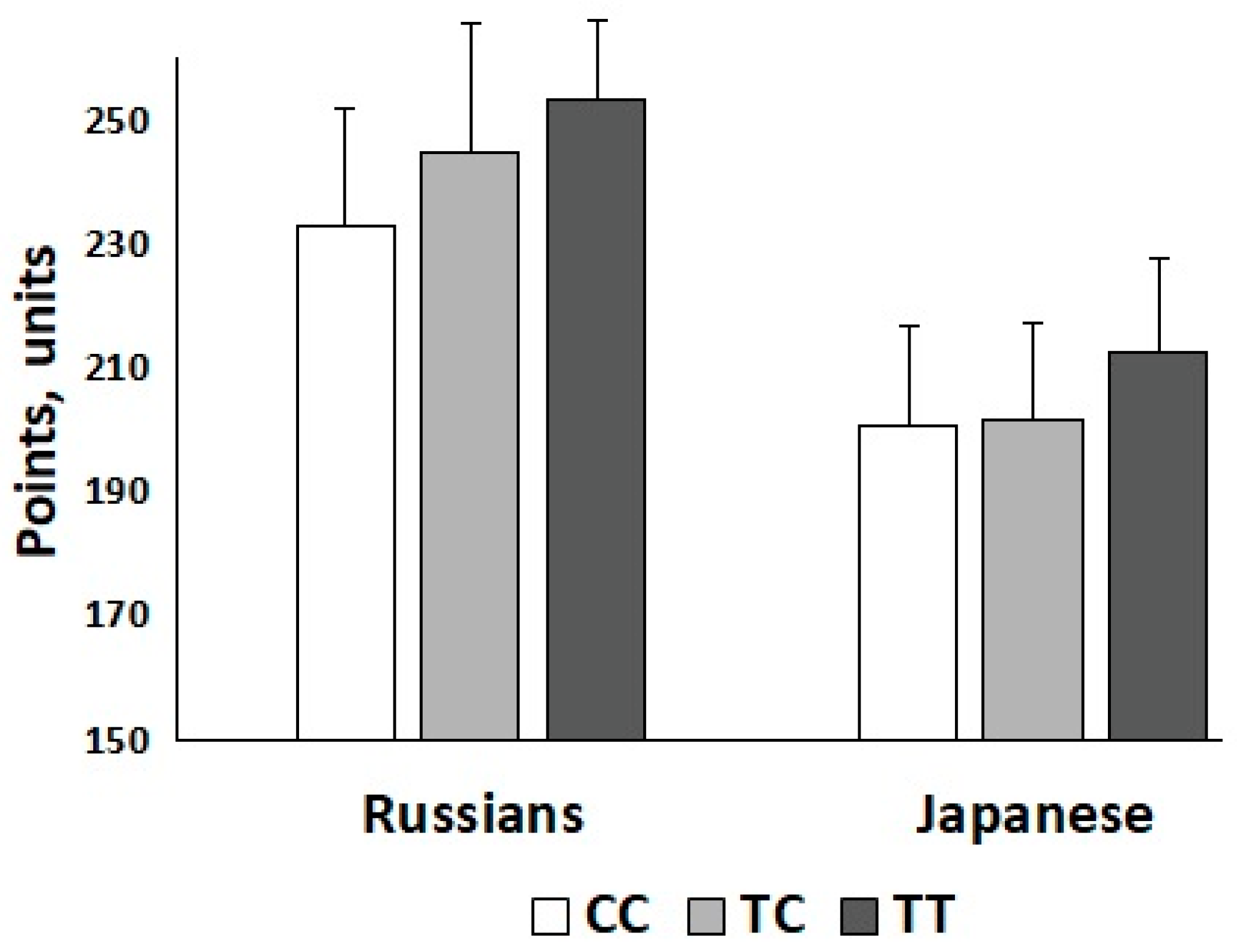
Specific genetic markers, such as the ACTN3 and ACE genes, provide a biological blueprint that reveals an individual's innate predisposition for power, speed, or endurance. By analyzing these "athlete genes," researchers can identify muscle fiber composition and cardiovascular efficiency, offering a scientific glimpse into a person’s natural athletic ceiling.
The quest to understand why some individuals reach the podium while others struggle despite identical training regimens has led sports science to the microscopic level. In 2026, the integration of genomics into athletic training is no longer a fringe science but a standardized component of elite performance programming. While hard work and environment remain critical, the data is clear: your DNA sets the boundaries of your physical potential, and understanding those boundaries is the key to optimizing human performance.
The Genetic Architecture of Athletic Performance
Athletic performance is a complex polygenic trait, meaning it is influenced by hundreds, if not thousands, of genetic variants working in concert. However, a handful of specific genes have been identified as high-impact "master switches" that dictate how a body responds to various types of physical stress.
The primary distinction in genetic athletic profiling lies between power/sprint phenotypes and endurance phenotypes. Power athletes typically possess genetic variants that favor rapid ATP (adenosine triphosphate) production and high-velocity muscle contractions. Conversely, endurance athletes carry markers that optimize mitochondrial density, oxygen transport, and the efficient utilization of fatty acids for fuel.
As of 2026, the use of Polygenic Risk Scores (PRS) has become the gold standard for interpreting this data. Rather than looking at a single gene in isolation, a PRS aggregates the effects of multiple variants to provide a percentage-based likelihood of success in specific disciplines. This holistic view prevents the oversimplification of "one gene, one trait" and provides a more accurate map of an athlete's biological strengths.
The "Sprint Gene": Understanding ACTN3
Perhaps the most famous of all athlete genes is ACTN3, often referred to in popular media as the "gene for speed." This gene provides the instructions for making a protein called alpha-actinin-3, which is found exclusively in fast-twitch (Type II) muscle fibers. These fibers are responsible for the explosive, high-force contractions required for sprinting, jumping, and weightlifting.
The R577X Polymorphism
The most significant variation in the ACTN3 gene is the R577X polymorphism. Humans carry two copies of this gene, one from each parent, leading to three possible genotypes:
- RR Genotype: Both copies produce alpha-actinin-3. This genotype is found in nearly 100% of Olympic-level power sprinters. It provides the structural integrity needed for muscles to withstand the massive force of explosive movements.
- RX Genotype: One copy produces the protein, and the other does not. These individuals generally have a balanced profile, capable of performing well in both power and endurance activities, though they may lack the absolute "edge" required for world-record sprints.
- XX Genotype: Neither copy produces alpha-actinin-3. While this might seem like a disadvantage, it is actually common in elite endurance athletes. The absence of this protein appears to shift muscle metabolism toward more efficient aerobic pathways, making the XX genotype a "secret weapon" for long-distance runners and cyclists.
The revelation that roughly 1.5 billion people worldwide are ACTN3 deficient (XX genotype) explains why certain individuals, no matter how hard they train, may never develop the explosive power of an elite sprinter but might find immense success in ultramarathons.
The ACE Gene and Cardiovascular Efficiency
While ACTN3 governs muscle fiber quality, the ACE (Angiotensin-Converting Enzyme) gene governs the cardiovascular system’s capacity to deliver oxygen and manage blood pressure during exertion. The ACE gene exists in two primary forms: the Insertion (I) variant and the Deletion (D) variant.
The Power of the I/D Polymorphism
- The I Allele (Endurance): The Insertion variant is associated with lower levels of ACE activity in the blood and tissues. This leads to improved muscle efficiency and better oxygen delivery. Studies of high-altitude climbers and elite marathoners show a significantly higher frequency of the II genotype.
- The D Allele (Power/Strength): The Deletion variant is associated with higher ACE activity. This leads to increased muscle growth (hypertrophy) and higher force production. Athletes in sports like rugby, football, and powerlifting often carry the DD genotype.
In the training environments of 2026, knowing an athlete’s ACE status allows coaches to tailor cardiovascular loads. An athlete with a DD genotype might require more frequent rest intervals to manage blood pressure spikes, while an II athlete can handle higher volumes of steady-state aerobic work without overtaxing their system.
Emerging Genetic Markers in 2026
Beyond ACTN3 and ACE, modern sports genomics has identified several other critical markers that contribute to the full picture of athletic potential. These genes often dictate the "hidden" aspects of performance, such as injury resilience and metabolic flexibility.
MSTN and Muscle Mass
The MSTN gene produces myostatin, a protein that acts as a brake on muscle growth. Certain rare variants can lead to reduced myostatin production, resulting in "double-muscling" or an extraordinary ability to gain lean mass with minimal stimulus. While rare in its extreme form, subtle variations in MSTN explain why some athletes respond more robustly to resistance training than others.
COL5A1 and Injury Predisposition
Performance isn't just about speed and strength; it’s about staying on the field. The COL5A1 gene encodes for Type V collagen, a crucial component of tendons and ligaments. Specific variants of this gene are linked to a significantly higher risk of Achilles tendonitis and ACL tears. By identifying these markers early, athletes can implement specific eccentric loading protocols and proprioceptive training to mitigate their inherent biological risks.
PPARGC1A and Mitochondrial Biogenesis
Often called the "master regulator of mitochondrial biogenesis," PPARGC1A influences how many mitochondria (the powerhouses of the cell) a body produces in response to exercise. Athletes with high-functioning variants of this gene are "hyper-responders" to aerobic training, seeing massive gains in VO2 max after relatively short training blocks.
Comparative Overview of Key Athletic Genes
The following table summarizes the primary genes currently utilized in professional athletic screening as of 2026.
| Gene Symbol | Primary Function | Performance Association | Practical Application |
|---|---|---|---|
| ACTN3 | Fast-twitch fiber structure | Sprint/Power vs. Endurance | Identify explosive potential; adjust sprint volume. |
| ACE | Vasoconstriction/BP regulation | Endurance (I) vs. Power (D) | Determine optimal cardiovascular training intensity. |
| COL5A1 | Tendon/Ligament structure | Injury resilience | Customize injury prevention and flexibility drills. |
| MSTN | Muscle growth regulation | Hypertrophy potential | Adjust resistance training frequency and load. |
| PPARGC1A | Mitochondrial production | Aerobic training response | Predict VO2 max gains; tailor "base" training. |
| AMPD1 | Energy metabolism (ATP) | Recovery/Fatigue resistance | Manage intra-workout rest periods and intensity. |
The Role of Epigenetics: Nature vs. Nurture
One of the most significant shifts in our 2026 understanding of "athlete genes" is the realization that DNA is not a static script. Epigenetics—the study of how environment and behavior change the way genes work—reveals that training actually "turns on" or "silences" specific genes.
For example, while you may be born with a genetic predisposition for endurance, consistent zone 2 training induces DNA methylation changes that optimize the expression of your aerobic genes. This means that while genetics reveal potential, the actual realization of that potential is a product of consistent epigenetic signaling through diet, sleep, and exercise.
This synergy explains why "genetic outliers" sometimes fail to reach elite status due to poor lifestyle choices, while those with "average" genetics can reach high levels of performance through optimized epigenetic management.
Ethical Considerations and the "Genetic Ceiling"
The ability to reveal performance potential through DNA brings significant ethical challenges. The most pressing concern is the concept of the "Genetic Ceiling." There is a fear that youth athletes might be discouraged from pursuing certain sports because their DNA profile suggests they aren't "built for it."
Experts in the field emphasize that genetic testing should be used as a tool for optimization, not exclusion. A "poor" genetic profile for sprinting doesn't mean an individual shouldn't sprint; it simply means they may need to focus more on technique and recovery to compensate for a lack of alpha-actinin-3. Furthermore, the psychological drive and "grit" of an athlete are traits that, while having a genetic component, are far too complex to be captured by current testing methods.
Practical Steps for Athletes in 2026
For athletes looking to leverage their genetic data, the process has become streamlined and highly accessible. However, data without interpretation can lead to training errors.
- Professional DNA Sequencing: Utilize clinical-grade sequencing rather than consumer-grade kits. The depth of coverage in professional tests ensures that rare variants are not missed.
- Consult a Genetic Counselor or Sports Scientist: Understanding that you have the "ACTN3 RX" variant is only useful if a professional can translate that into a specific training block.
- Integrate with Wearable Data: In 2026, the most advanced athletes sync their genetic profiles with real-time biometric data from wearables. If your genetics suggest a high inflammatory response (IL-6 gene), and your wearable shows low heart rate variability (HRV), you know definitively that today is a rest day.
- Focus on Injury Markers First: The most immediate "win" from genetic testing is not finding out how fast you are, but finding out how to avoid the injuries that could end your career.
Frequently Asked Questions
Can a DNA test tell me exactly which sport I should play?
No. While a DNA test can indicate whether you have a physiological profile better suited for power or endurance, it cannot account for skill, coordination, passion, or tactical intelligence. It reveals your biological engine, but not your ability to drive the car.
If I have the "speed gene" (ACTN3 RR), am I guaranteed to be fast?
No. The ACTN3 RR genotype is a prerequisite for elite sprinting, but it is not a guarantee of success. Without years of technical sprint training, optimal nutrition, and the right environment, that genetic potential will remain untapped.
Is genetic testing for athletes legal in all countries?
As of 2026, most countries allow voluntary genetic testing for performance. However, some jurisdictions have strict regulations regarding the "genetic scouting" of minors to prevent child exploitation and ensure that sports remain inclusive and based on merit rather than biological data.
Can I change my genes through training?
You cannot change the sequence of your DNA, but you can change its expression through epigenetics. Through specific training and lifestyle choices, you can influence which genes are "active," effectively maximizing the hand you were dealt.
How much does professional athletic genetic testing cost in 2026?
Standardized athletic panels now range between $150 and $400, depending on the depth of the sequencing and the level of professional interpretation provided. Many professional teams and high-performance academies now include this as part of their initial onboarding process.
Final Recommendation
If you are a competitive athlete or a dedicated fitness enthusiast, the most effective next step is to undergo a targeted athletic genomic profile focusing on injury predisposition and recovery markers. Understanding your risks for tendon injury or your specific metabolic recovery needs provides immediate, actionable value that can extend your athletic career. While your genes reveal your performance potential, your daily discipline remains the primary vehicle for reaching it.