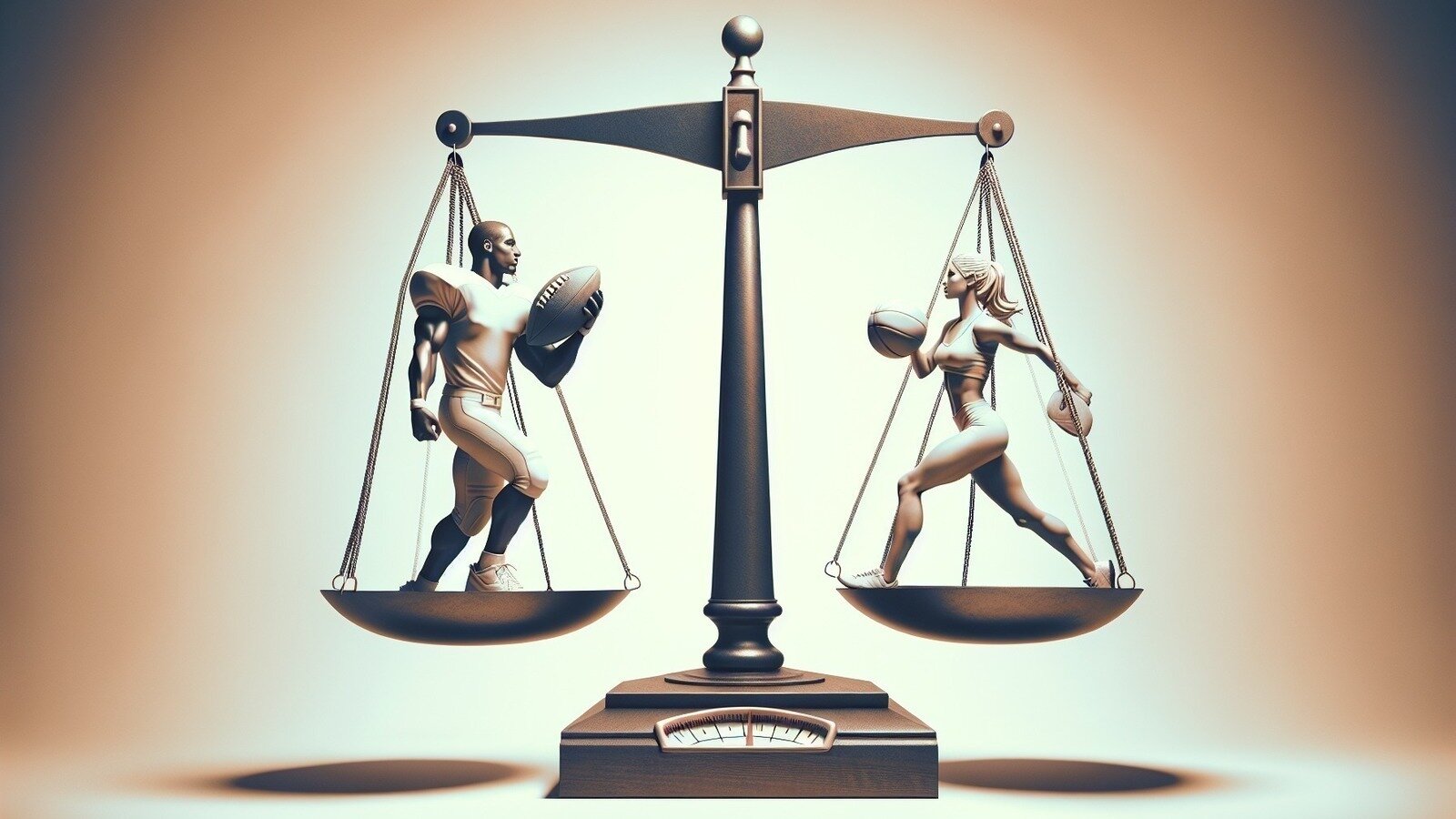
The concept that athletes equal business represents the total integration of high-performance sports with sophisticated corporate structures. In 2026, athletes are no longer just participants in a game; they are the chief executives of their own Name, Image, and Likeness (NIL) enterprises, leveraging competitive discipline, data-driven performance, and global platforms to build scalable, multi-generational wealth through ownership rather than just endorsements.
The Transformation of the Athlete from Employee to Enterprise
The paradigm shift from "athlete-as-an-endorser" to "athlete-as-a-business" has reached a state of total maturity in 2026. Historically, athletes were viewed as temporary laborers in a high-risk industry, dependent on short-term contracts and third-party brand deals. Today, the infrastructure surrounding sports has pivoted. The modern athlete operates as a central hub in a complex ecosystem of media production, venture capital, and direct-to-consumer commerce.
This transformation is driven by three primary catalysts: the decentralization of media, the professionalization of NIL at the collegiate level, and the shift toward equity-based compensation. Athletes now recognize that their value is not merely their physical output on the field but the attention and trust they command from a global audience. By 2026, the "Family Office" model, once reserved for billionaire tech founders, has become a standard requirement for elite athletes entering the professional ranks. These offices manage intellectual property, tax optimization strategies, and diversified investment portfolios that often outlive the athlete's playing career.
Transferable Skills: Why Athletic Discipline Mirrors Executive Leadership
The core reason why athletes equal business lies in the psychological and operational parallels between elite sports and high-level corporate management. The training ground of professional athletics is, in many ways, an accelerated MBA program focused on high-stakes execution.
High-Stakes Decision Making and Pressure Management
In business, "clutch" performance translates to making critical decisions during market volatility or high-pressure negotiations. Athletes spend their formative years being conditioned to perform while millions watch, developing a neurological resilience that is highly sought after in the boardroom. This ability to maintain cognitive clarity under duress is the primary reason many former athletes transition seamlessly into roles as CEOs or lead investors.
Iterative Feedback Loops and Data Utilization
Modern sports are entirely data-driven. Athletes in 2026 are accustomed to analyzing biometric data, performance metrics, and tactical film on a daily basis. This familiarity with "continuous improvement" (the Kaizen philosophy) is the cornerstone of modern business scaling. When an athlete views their business ventures through the same lens as their training—utilizing A/B testing, pivot strategies, and performance audits—the success rate of their ventures increases significantly.
Team Dynamics and Delegated Leadership
No athlete succeeds in a vacuum. They are part of a system involving coaches, trainers, teammates, and agents. Understanding how to lead a team while also being coachable is a rare executive trait. Athletes who understand their "Business Intelligence" (BI) know how to hire experts for their weaknesses, much like a quarterback relies on an offensive line. In 2026, the most successful athlete-entrepreneurs are those who have built "Super-Teams" of financial advisors, legal counsel, and creative directors.
The 2026 NIL Landscape: From Chaos to Corporate Standard
The evolution of Name, Image, and Likeness (NIL) rights has fundamentally changed the "athletes equal business" equation by lowering the age of entry. In 2026, the collegiate athlete is the new startup founder. What began as a chaotic period of unregulated "collectives" has evolved into a structured market with clear valuation metrics and legal frameworks.
Current 2026 guidelines emphasize transparency and long-term brand building. Student-athletes are now treated as small business owners by the IRS and financial institutions. This early exposure to contracts, fiduciary responsibilities, and brand management means that by the time an athlete reaches the professional level, they have four years of "CEO experience" under their belt.
The 2026 NIL market is characterized by:
- Professionalized Agencies: Agents now act more like venture capital scouts, identifying high-potential high school athletes not just for their skill, but for their "marketable IP."
- Tax and Compliance Integration: Universities have integrated "Business of Sports" curricula that teach athletes how to manage their LLCs and satisfy state and federal tax obligations.
- Equity over Cash: A growing trend in 2026 sees collegiate athletes taking equity stakes in emerging sports-tech or nutrition startups rather than one-off cash payments for social media posts.
Athletes as Venture Capitalists and Equity Partners
The "endorsement model" popularized in the late 20th century—where an athlete was paid a flat fee to hold a product—is largely considered obsolete for top-tier talent in 2026. The new standard is the Equity-Based Partnership.
Athletes like Kevin Durant, Serena Williams, and LeBron James paved the way by showing that the real wealth is in the "cap table" (capitalization table). In 2026, athletes are frequently seen as "Value-Add Investors." They don't just provide capital; they provide a distribution channel. When an athlete invests in a company, they bring their millions of followers, creating an immediate customer base that traditional venture capital cannot buy.
This has led to the rise of athlete-led VC firms. These firms specialize in sectors where the athlete has "domain expertise," such as fitness technology, mental health apps, and sports media. By participating in Series A and B funding rounds, athletes are securing their financial futures far more effectively than through salary alone.
| Feature | Traditional Endorsement Model | 2026 Athlete-Business Model |
|---|---|---|
| Primary Goal | Short-term cash flow | Long-term equity and ownership |
| Risk Profile | Low (Guaranteed payment) | High (Investment risk/Reward) |
| Control Level | Passive (Follows brand guidelines) | Active (Board seats/Strategic input) |
| Revenue Stream | Fixed fee per activation | Dividends and exit distributions |
| Longevity | Tied to active playing years | Independent of physical performance |
| Brand Identity | Associated with a third party | Brand is the athlete’s own IP |
The CEO Athlete Framework: Essential Prerequisites
For an athlete to truly "equal business," they must establish a specific infrastructure. In 2026, the following components are considered the baseline for any professional athlete-enterprise.
1. The Intellectual Property (IP) Vault
The first step is moving beyond the "self" and into the "brand." This involves trademarking names, logos, catchphrases, and even specific training methodologies. In 2026, the IP vault is the most valuable asset on the athlete's balance sheet, as it can be licensed out to video games, apparel lines, and digital media platforms even after retirement.
2. The Multi-Channel Media Network
Athletes are now their own broadcasters. Through platforms like YouTube, specialized streaming services, and social media, they control the narrative. This direct line to the consumer eliminates the "middleman" of traditional sports journalism. By owning the media through which their story is told, the athlete controls their market value.
3. Fiduciary and Legal Guardianship
The complexity of managing a multi-million dollar brand requires 24/7 legal and financial oversight. The most successful athlete-businesses in 2026 utilize fractional COOs (Chief Operating Officers) who handle the day-to-day business operations, allowing the athlete to focus on their primary job: winning on the field.
4. Strategic Philanthropy
In 2026, social impact is a core business pillar. Athletes are increasingly using 501(c)(3) foundations not just for charity, but as a way to engage with communities and build a legacy that transcends sports. This "Social Capital" is a critical component of their overall business valuation.
Managing the Risks: When the Business Fails
While "athletes equal business" is a powerful concept, it is not without significant risk. The "business" of an athlete is uniquely fragile because the core "product" (the athlete’s body) is subject to injury and aging.
The "Single-Product" Risk
If an athlete’s entire business is built on their ability to play, one ACL tear can lead to a corporate collapse. To mitigate this, 2026 financial strategies emphasize De-correlation. This means investing in assets that have nothing to do with sports—real estate, index funds, or software—to ensure that the business survives even if the career ends prematurely.
Reputation and Brand Damage
In the age of instant communication, a single scandal can devalue an athlete-business overnight. Reputation management in 2026 involves sophisticated PR teams and "morality clauses" in contracts that protect the athlete’s business interests from the actions of partners, and vice-versa.
Financial Literacy Gaps
Despite the progress made by 2026, the "broke athlete" syndrome still exists where the business structure is built on a shaky foundation of poor financial literacy. The "Athletes Equal Business" movement pushes for mandatory financial education as a prerequisite for any professional contract.
Transitioning from Active Play to Full-Time CEO
The ultimate test of the "athletes equal business" philosophy is the retirement transition. In previous decades, retirement was often a period of decline. In 2026, it is seen as a "Pivot to Full-Time Operations."
When an athlete retires today, they don't look for a new job; they simply change their focus to the companies they already own. Because they have spent their active years building equity and brand authority, the transition is seamless. The 2026 "Retired" athlete is often busier and more profitable than the active one, as they are no longer limited by the time constraints of practice and travel.
Examples of this transition include former players becoming majority owners of professional sports teams, launching global restaurant chains, or heading large-scale real estate development firms. The competitive drive that once made them champions on the field is now redirected toward market dominance.
FAQs
What does "athletes equal business" actually mean for a college player?
It means the player is legally a "commercial entity." In 2026, this involves filing for an LLC, managing 1099 income from various NIL deals, and potentially hiring a brand manager. The player is responsible for their own marketing, tax withholding, and contract negotiations, mirroring the responsibilities of a small business owner.
How has NIL changed the business of sports by 2026?
NIL has moved from a "pay-for-play" gray area to a regulated, multi-billion dollar industry. It has standardized the valuation of athletes, allowing them to monetize their social media presence and personal brands legally. In 2026, this has led to more athletes staying in school longer, as their earning potential in college through NIL sometimes rivals or exceeds rookie professional salaries.
Why do venture capitalists want to partner with athletes?
Athletes provide a "distribution advantage." While a traditional VC firm can provide money, an athlete provides money plus a global audience. In 2026, the cost of customer acquisition is high; an athlete can lower that cost simply by wearing a product or mentioning a service to their millions of loyal followers, making them an incredibly efficient marketing engine.
Is the "athlete-as-a-business" model only for superstars?
No. While the LeBron Jameses of the world have the largest businesses, "mid-tier" athletes in 2026 are using the same principles on a smaller scale. Local athletes can dominate regional markets, owning car dealerships, fitness centers, or local franchises. The "athletes equal business" mindset is about ownership and leverage, regardless of the size of the contract.
What are the biggest mistakes athletes make when treating themselves as a business?
The most common mistake is "Over-Leverage"—spending projected future earnings on depreciating assets like luxury cars or jewelry before the business is profitable. Another major mistake is "Friend-Hiring," where athletes put unqualified friends or family members in charge of complex financial or legal roles instead of hiring vetted professionals.
Are there specific legal protections for athlete-businesses in 2026?
Yes. There are now specific "Right of Publicity" statutes in many jurisdictions that protect an athlete’s digital likeness, especially against unauthorized AI-generated content. Additionally, professional leagues have established "Business Education Funds" that provide legal resources for players to vet their investments and partnership deals.
Practical Recommendations for the Modern Athlete-Entrepreneur
To successfully embody the "athletes equal business" principle in 2026, individuals must take proactive steps to secure their corporate identity. The first action should be a Brand Audit to determine current market value and identify untapped IP opportunities.
Next, athletes should seek Fiduciary Advisors—individuals legally bound to act in the athlete's best interest—to help build a diversified portfolio that includes both liquid assets and long-term equity. Finally, continuous education is non-negotiable. Whether through executive education programs or mentorship with established business leaders, the athlete must develop the "soft skills" of negotiation, financial analysis, and strategic planning. The goal is to ensure that when the jersey comes off for the last time, the business remains as a powerhouse that continues to grow for decades to come.