Workers' compensation in Athens, Georgia, is governed by the Georgia State Board of Workers' Compensation (SBWC) under the Official Code of Georgia Annotated (O.C.G.A.) Title 34, Chapter 9. These rules mandate that most employers with three or more workers provide medical, rehabilitation, and income benefits to employees injured on the job, regardless of who was at fault for the accident.
The Legal Framework of Workers' Compensation in Georgia (2026)
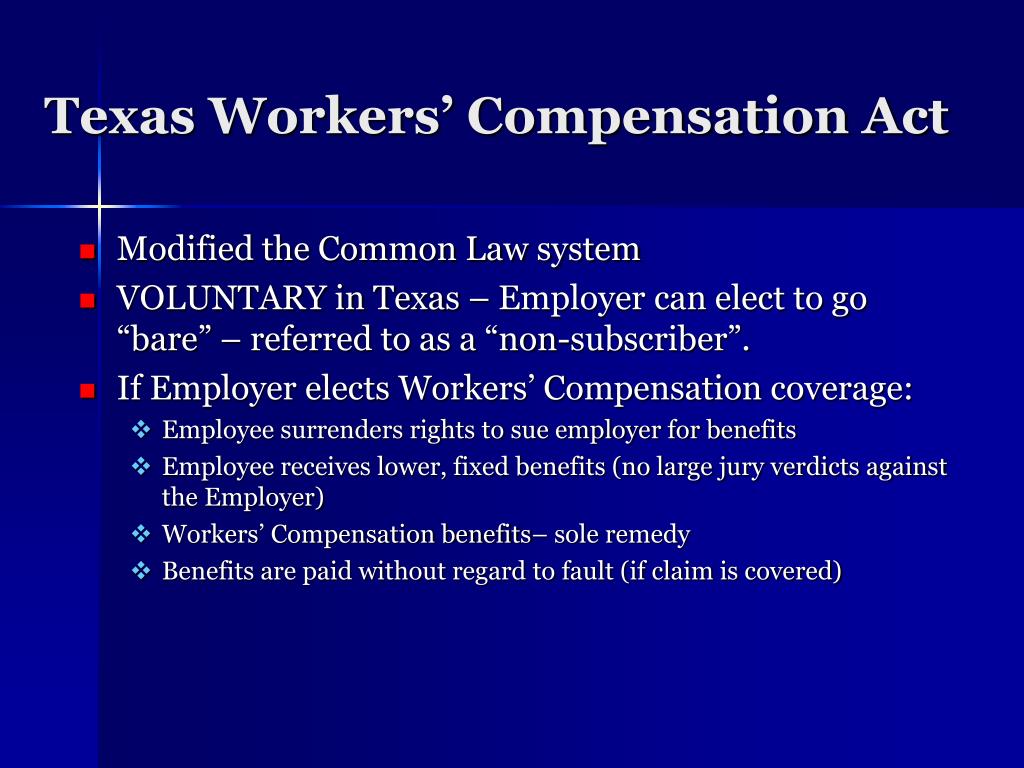
As of 2026, the Georgia workers' compensation system remains a "no-fault" administrative process. This means that an injured worker in Athens-Clarke County does not need to prove their employer was negligent to receive benefits. Conversely, the employee is generally barred from suing their employer for personal injury damages, such as pain and suffering. This "exclusive remedy" doctrine serves as a trade-off: employees receive guaranteed medical care and wage replacement, while employers are protected from unpredictable, high-stakes litigation.
The SBWC oversees the administration of these laws, providing a structured environment for claim processing, dispute resolution, and benefit distribution. In the Athens area, claims are processed through the state’s centralized system, but hearings or mediations often occur within the regional judicial circuits that serve Northeast Georgia.
Mandatory Coverage Requirements
The threshold for mandatory coverage in Georgia is strictly defined. If a business in Athens employs three or more people—including part-time workers and corporate officers—it must carry workers' compensation insurance.
There are specific nuances to this rule:
- Corporate Officers and LLC Members: These individuals are counted toward the "three-worker" threshold. However, they may elect to exempt themselves from coverage by filing Form WC-10 with their insurance carrier and the SBWC.
- Subcontractors: If a contractor in Athens hires a subcontractor who does not have workers' compensation insurance, the primary contractor may become liable for any injuries sustained by the subcontractor’s employees. This is often referred to as "statutory employer" status.
- Agricultural and Domestic Workers: Certain exemptions exist for farm laborers and domestic servants (such as household help), though employers in these sectors may choose to provide coverage voluntarily.
Determining Eligibility: Who Qualifies as an Employee?
A common point of contention in Athens workers' compensation claims is the classification of "employee" versus "independent contractor." With the rise of gig-economy work and specialized consulting in the 2020s, the SBWC applies a "control test" to determine eligibility.
The Control Test Factors
To be considered an employee eligible for workers' compensation benefits, the employer must generally control the "time, manner, and method" of the work. Factors that suggest an employer-employee relationship include:
- Instruction: The employer dictates how the task is performed.
- Tools and Equipment: The employer provides the necessary materials to complete the job.
- Payment Schedule: The worker is paid by the hour or week rather than by the project.
- Exclusivity: The worker is not allowed to work for other competing businesses simultaneously.
In 2026, the SBWC continues to look past formal contracts. Even if a worker is labeled an "independent contractor" in a signed document, they may still be legally classified as an employee if the actual working conditions meet the state's criteria.
Covered Injuries and Occupational Diseases
For a claim to be valid in Athens, the injury must "arise out of and in the course of employment." This implies that the injury happened while the employee was performing work-related duties or something incidental to those duties.
Traumatic Injuries
These are sudden events, such as a slip and fall at a construction site near the University of Georgia or a back strain from lifting heavy equipment in an industrial park. Traumatic injuries are the most straightforward to document, provided the employee reports the incident immediately.
Repetitive Stress and Cumulative Trauma
Rules in Georgia recognize that some injuries occur over time. Conditions like carpal tunnel syndrome or degenerative disc disease may be compensable if the worker can prove through medical evidence that their job duties were the primary cause of the condition.
Occupational Diseases
Under O.C.G.A. § 34-9-280, workers are covered for diseases that result from workplace exposure to specific hazards (e.g., chemicals, asbestos, or biological agents). The disease must be "natural to the work" and not a "disease of ordinary life" to which the general public is exposed.
Psychological Injuries
Georgia law is restrictive regarding mental health. A psychological injury (such as PTSD) is generally only compensable if it stems from a physical injury sustained on the job. Purely "mental-mental" claims, where there is no physical trauma, are typically not covered under standard Athens workers' compensation rules.
The Claims Process: Steps to Securing Benefits
Navigating a claim requires strict adherence to timelines. Failure to follow these steps can result in a permanent forfeiture of benefits.
Step 1: Immediate Notification
The injured worker must notify their employer—usually a supervisor or HR representative—within 30 days of the accident. While verbal notice is technically permitted, written notice is highly recommended to create a paper trail. In 2026, many Athens employers use digital portals for this reporting, but a simple email or letter is sufficient under the law.
Step 2: Seeking Medical Treatment
In Georgia, the employer has the right to select the medical providers who treat the injured worker. Employers are required to post a "Panel of Physicians" (Form WC-P) in a prominent location.
- The Traditional Panel: Must include at least six qualified physicians.
- The Conformed Panel: A larger list of at least ten physicians.
- The Managed Care Organization (WC-MCO): A specialized network of providers.
If the employer fails to post a valid panel, the employee may have the right to seek treatment from a doctor of their own choosing at the employer’s expense.
Step 3: Filing Form WC-14
To officially preserve the right to a hearing and benefits, the employee must file Form WC-14 with the State Board of Workers' Compensation within one year of the injury date. This is the statute of limitations. There are limited exceptions if the employer has already provided medical treatment or paid weekly income benefits.
Overview of Available Benefits
Benefits in the Georgia system are divided into three primary categories: Medical, Income, and Rehabilitation.
Medical Benefits
Authorized medical treatment is covered at 100% with no deductibles or co-pays for the employee. This includes:
- Doctor visits and specialist consultations.
- Hospital stays and surgeries.
- Prescription medications and medical devices (e.g., crutches or wheelchairs).
- Physical therapy and diagnostic tests (MRIs, X-rays).
- Mileage reimbursement for travel to and from medical appointments.
Income Benefits (Indemnity)
If a doctor determines the worker cannot return to work or can only return to a lower-paying light-duty role, income benefits are triggered.
| Benefit Type | Description | Calculation Method (GA 2026) |
|---|---|---|
| Temporary Total (TTD) | For those completely unable to work. | 2/3 of Average Weekly Wage (subject to state max). |
| Temporary Partial (TPD) | For those working light duty at a lower wage. | 2/3 of the difference between old and new wages. |
| Permanent Partial (PPD) | For permanent loss of function (body part). | Based on doctor's impairment rating and state schedule. |
| Death Benefits | For dependents of a deceased worker. | Weekly payments plus burial expenses (up to $7,500). |
Vocational Rehabilitation
In "catastrophic" cases—such as paralysis, severe brain injury, or total blindness—the injured worker is entitled to vocational rehabilitation services to help them adapt to their condition or find new types of employment.
Employer Obligations and Rights
Employers in Athens are not just passive participants; they have specific legal obligations to ensure the system functions correctly.
Posting Requirements
Employers must display the "Bill of Rights" for injured workers and the "Panel of Physicians" in a location accessible to all employees (like a breakroom). Failure to do so can lead to penalties and the loss of the employer's right to direct medical care.
The Right to a Drug Test
Under O.C.G.A. § 34-9-17, if an injury is caused by the employee’s intoxication or the use of non-prescribed controlled substances, the claim may be denied. Employers have the right to request a drug test immediately following an accident. If an employee refuses the test or tests positive, there is a "rebuttable presumption" that the accident was caused by the substance use.
Return-to-Work Programs
Employers are encouraged to provide light-duty work. If an employer offers a job that fits the doctor-mandated restrictions and the employee refuses it, the employer may move to suspend income benefits.
Dispute Resolution: Mediation and Hearings
Not every claim proceeds smoothly. Insurance carriers may deny a claim (controvert it) based on a lack of evidence or a belief that the injury happened outside of work.
Mediation
The SBWC often requires parties to attend a mediation session. A neutral third-party mediator attempts to help the employer/insurer and the employee reach a settlement. Mediation is confidential and non-binding, but it is highly effective in resolving Athens-based claims without a trial.
Administrative Hearings
If mediation fails, the case proceeds to a hearing before an Administrative Law Judge (ALJ). The ALJ functions as both judge and jury. They hear testimony, review medical records, and issue a "Notice of Award" or a "Denial." Decisions by an ALJ can be appealed to the SBWC Appellate Division and subsequently to the Superior Court of Clarke County.
Common Pitfalls for Athens Workers
- Missing Deadlines: The 30-day notice rule is the most common reason for claim denial. Even if the injury seems minor, it should be reported in writing immediately.
- Unauthorized Treatment: Seeing a personal family doctor instead of a "Panel" doctor can lead to the insurance company refusing to pay the medical bills.
- Inconsistent Statements: Discrepancies between what was told to the supervisor and what was told to the doctor can be used to challenge the worker's credibility.
- Social Media Usage: In 2026, insurance investigators frequently monitor social media. Posting photos of physical activity while claiming total disability can be used as evidence of fraud.
Frequently Asked Questions
Can I be fired for filing a workers' compensation claim in Athens?
Technically, Georgia is an "at-will" employment state, meaning an employer can terminate an employee for almost any reason. However, if an employer fires a worker specifically in retaliation for filing a claim, they may face legal challenges. More importantly, being fired does not stop your workers' compensation benefits; if you are entitled to medical care and checks, they must continue even if you are no longer employed.
How long do I have to wait for my first check?
In Georgia, no income benefits are paid for the first seven days of disability. If the disability lasts for 21 consecutive days, the "waiting period" (the first seven days) is then paid retroactively. Generally, the first check should be mailed within 21 days of the date the employer had notice of the disability.
What if my injury happened at the University of Georgia?
State employees, including those at UGA, fall under a slightly different administrative umbrella managed by the Department of Administrative Services (DOAS), but they generally follow the same O.C.G.A. Title 34 rules regarding benefits and procedures.
Do I need a lawyer for my workers' comp claim?
While you can handle a claim on your own, legal counsel is highly recommended if your claim is denied, if your doctor recommends surgery, or if the insurance company is pushing you to return to work before you are ready. Workers' compensation attorneys in Georgia work on a contingency fee basis, usually capped at 25% of the settlement or back-benefits.
What happens if the insurance company denies my surgery?
If an authorized treating physician recommends surgery and the insurance company refuses to authorize it, your attorney can request an expedited hearing or a conference call with an ALJ to resolve the medical dispute.
Recommendation for Injured Workers
If you have sustained an injury in Athens, your first priority must be to seek medical attention from the employer's authorized panel and provide a written notice of injury to your supervisor. Document everything: keep copies of all forms filed, record the mileage for every trip to the pharmacy or doctor, and maintain a log of your communication with the insurance adjuster. If your benefits are delayed or medical care is withheld, consult with a qualified Georgia workers' compensation specialist to protect your rights under the 2026 statutes.