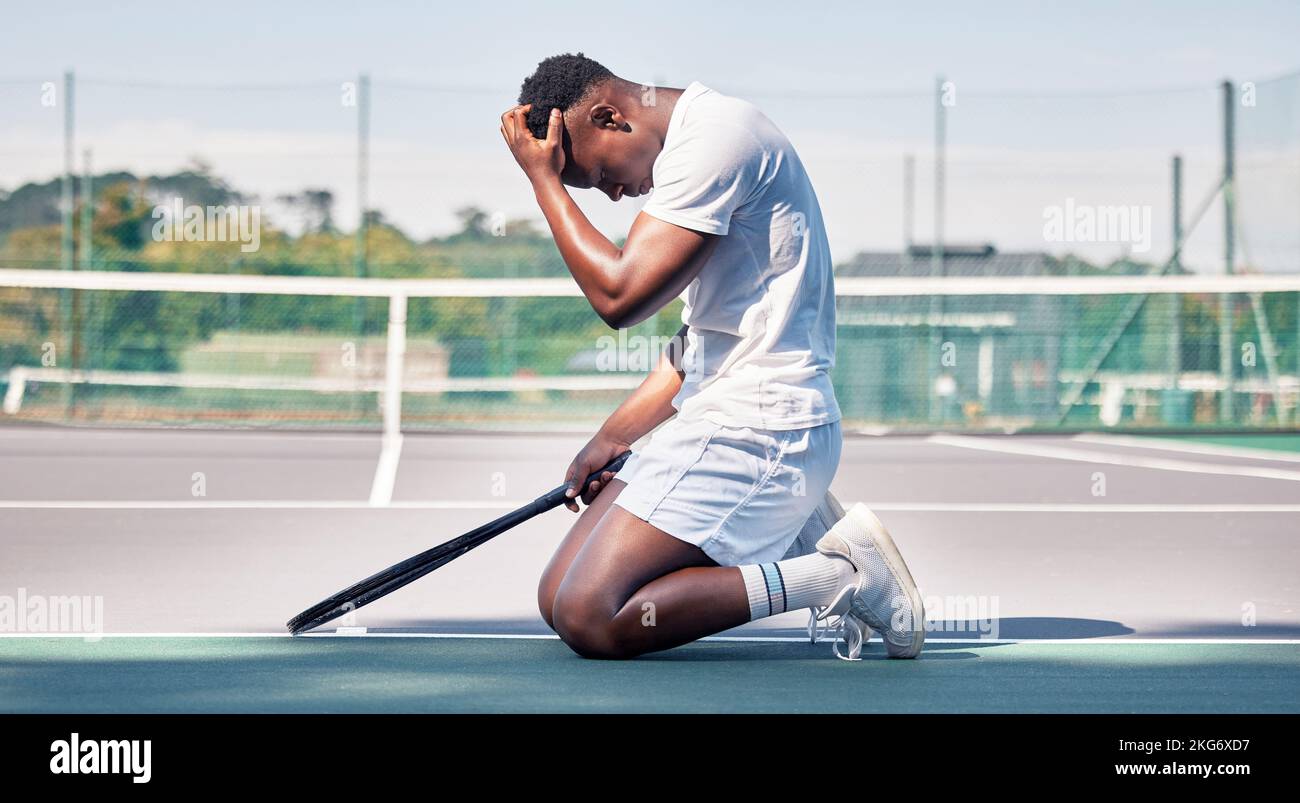
Athletes with depression face unique challenges stemming from high-pressure environments, the stigma of "mental toughness," and the physiological overlap between clinical mood disorders and overtraining syndrome. Addressing these hurdles requires specialized screening, cultural shifts within sports organizations, and treatment plans that account for the athlete's professional identity and physical demands.
The image of the elite athlete is frequently one of indomitable physical strength and unwavering mental resilience. However, as of 2026, the sports world has increasingly recognized that the same traits required for high-level competition—perfectionism, high self-expectation, and intense public scrutiny—can also serve as catalysts for clinical depression. While the prevalence of mental health disorders among athletes is comparable to or slightly higher than the general population, the barriers to seeking help and the specific triggers for depressive episodes are distinct to the sporting context.
The Unique Vulnerabilities of the Athletic Population
The psychological landscape of a competitive athlete is often built upon a foundation of "identity foreclosure." This occurs when an individual’s self-worth is entirely tied to their role as an athlete, often to the exclusion of other social or personal identities. When an athlete experiences a performance slump, a career-ending injury, or the natural conclusion of their playing days, the loss of this singular identity can trigger a profound depressive episode.
Furthermore, the environment of elite sports is inherently "evaluative." Athletes are constantly judged by coaches, fans, media, and themselves based on objective metrics. This relentless cycle of assessment can foster a "perfectionism paradox," where the drive to be flawless leads to chronic stress and a sense of failure when even minor errors occur. Research published in the British Journal of Sports Medicine has highlighted that this maladaptive perfectionism is a significant predictor of depressive symptoms in both individual and team sport environments.
The physical demands of training also play a role. The biological systems that regulate mood, such as the hypothalamic-pituitary-adrenal (HPA) axis, are the same systems taxed by intense physical exertion. When the balance between stress and recovery is lost, athletes may experience physiological changes that mimic or exacerbate clinical depression, making the diagnostic process exceptionally complex.
Identifying the Signs: Depression vs. Overtraining Syndrome
One of the primary challenges for athletes with depression is the diagnostic ambiguity between clinical mood disorders and Overtraining Syndrome (OTS). OTS is a condition resulting from a long-term imbalance between training load and recovery, characterized by decreased performance and persistent fatigue. Because many symptoms of OTS—such as sleep disturbances, appetite changes, and irritability—overlap with Major Depressive Disorder (MDD), athletes are frequently misdiagnosed or their mental health needs are dismissed as mere physical exhaustion.
Differentiating between the two requires a multidisciplinary approach involving sports physicians and psychologists. While OTS typically resolves with extended rest and reduced physical load, clinical depression does not. An athlete suffering from depression will continue to experience low mood, anhedonia (loss of interest in activities), and feelings of worthlessness even after physical stressors are removed.
| Feature | Clinical Depression (MDD) | Overtraining Syndrome (OTS) |
|---|---|---|
| Primary Driver | Multi-factorial (Genetics, Environment, Trauma) | Physical workload/Recovery imbalance |
| Response to Rest | Symptoms persist despite physical rest | Symptoms improve with significant rest |
| Performance Impact | Secondary to lack of motivation/energy | Primary symptom; performance drops first |
| Sense of Self | Generalized worthlessness or guilt | Frustration specific to athletic decline |
| Biological Markers | Neurotransmitter imbalances (Serotonin, Dopamine) | Elevated cortisol, suppressed immune function |
| Treatment Path | Psychotherapy, medication, lifestyle changes | Program modification, nutritional support |
The Stigma of "Mental Toughness" and Cultural Barriers
The most significant barrier to treatment for athletes remains the traditional culture of sports, which often equates vulnerability with weakness. The concept of "mental toughness"—the ability to persist through pain and adversity—is frequently misinterpreted as a requirement to suppress emotional distress. Athletes fear that admitting to depression will lead to them being labeled as "unreliable" or "soft," potentially resulting in lost playing time, revoked scholarships, or the termination of professional contracts.
In 2026, while many organizations have implemented mental health literacy programs, the "internalized stigma" remains high. Athletes often believe they should be able to "win" against depression through sheer willpower, much like they would overcome a physical opponent. This mindset leads to a delay in seeking help, which can cause symptoms to worsen and potentially lead to more severe outcomes, including suicidal ideation.
Structural barriers also exist within sports organizations. Many teams employ "performance coaches" whose primary goal is to optimize the athlete’s output. If an athlete does not feel a clear separation between the performance staff (who report to management) and clinical mental health staff (who maintain confidentiality), they are unlikely to disclose their struggles. Establishing a clear "firewall" between coaching staff and mental health professionals is essential for building trust.
Triggers: Injury, Transition, and Public Scrutiny
Depressive episodes in athletes are often precipitated by specific "life events" that disrupt the athletic routine or identity.
The Impact of Injury
Injury is perhaps the most common trigger for depression in sports. For an athlete, an injury is not just a physical ailment; it is a forced removal from their community, their daily structure, and their primary source of self-esteem. The "isolation of the training room" can lead to feelings of alienation. Furthermore, certain injuries, such as concussions, have a direct physiological link to depression. Chronic Traumatic Encephalopathy (CTE) and sub-concussive impacts have been extensively studied by organizations like the Concussion Legacy Foundation, showing a clear correlation between brain trauma and subsequent mood disorders.
Career Transition and Retirement
The "retirement cliff" is another critical period. Whether retirement is voluntary or forced by age or injury, the sudden loss of the structured athletic life can be devastating. Many athletes experience a "grieving process" for their former selves. Without a plan for "life after sport," the risk of depression increases significantly during the first two years of retirement.
Social Media and Public Scrutiny
In the current era, athletes are subject to 24/7 scrutiny via social media. A single poor performance can result in thousands of vitriolic messages, many of which target the athlete's personal character. This constant "digital noise" makes it difficult for athletes to disconnect from their professional failures, keeping them in a state of chronic sympathetic nervous system activation, which is a known risk factor for depression.
Support Frameworks and Treatment Modalities
Treating depression in athletes requires a nuanced understanding of their lifestyle. Standard interventions must be adapted to fit the rigors of a competitive season and the specific psychological profile of a high-achiever.
Specialized Psychotherapy
Cognitive Behavioral Therapy (CBT) is highly effective for athletes, particularly when it focuses on deconstructing maladaptive perfectionism and developing a more multifaceted self-identity. Acceptance and Commitment Therapy (ACT) is also gaining traction, as it helps athletes accept difficult emotions as part of the human experience rather than fighting them, allowing them to remain focused on their values and long-term goals.
Medication Considerations
When prescribing antidepressants, such as Selective Serotonin Reuptake Inhibitors (SSRIs), sports psychiatrists must consider the impact on athletic performance. Some medications may affect weight, heart rate, or coordination. It is also imperative to ensure that any prescribed medication complies with the World Anti-Doping Agency (WADA) guidelines, as certain substances used in the treatment of related conditions (like ADHD or anxiety) may be restricted.
The Role of the Organization
Support must be systemic. As of 2026, the gold standard for sports organizations includes:
- Universal Screening: Utilizing tools like the Athlete Psychological Strain Questionnaire (APSQ) or the IOC’s Sport Mental Health Assessment Tool (SMHAT) at the beginning and middle of each season.
- Mental Health Emergency Action Plans (MHEAPs): Clearly defined protocols for handling acute mental health crises.
- Coach Education: Training coaches to recognize early warning signs—such as uncharacteristic irritability or social withdrawal—rather than just performance declines.
Practical Recommendations for Athletes and Teams
For the individual athlete, the most important step is the recognition that depression is a clinical condition, not a character flaw. For organizations, the goal is to create an environment where seeking mental health support is viewed with the same pragmatism as seeking physical therapy for a strained hamstring.
Next Actions for Athletes:
- Diversify Your Identity: Engage in hobbies or educational pursuits outside of your sport to build a "buffer" against athletic setbacks.
- Establish a Confidential Network: Identify a mental health professional who is independent of your team’s coaching or management staff.
- Monitor "Digital Health": Set strict boundaries for social media use, especially following competitions.
Next Actions for Coaches and Management:
- Normalize the Conversation: Lead by example by discussing mental wellness openly and providing resources without being prompted.
- Prioritize Sleep and Recovery: Recognize that physical burnout and mental depression are deeply linked; enforce "down periods" where athletes are encouraged to disconnect entirely from sport.
- Implement Periodic Check-ins: Use "wellness RPE" (Rate of Perceived Exertion) scales that include emotional and mental states, not just physical fatigue.
Frequently Asked Questions
How common is depression among elite athletes compared to the general public? Research indicates that rates of depression among elite athletes are roughly 15% to 35%, which is comparable to, and in some studies higher than, the general population. Factors like high stress, injury, and the pressure to perform can elevate these risks, though athletes often "mask" their symptoms more effectively.
Can antidepressants affect an athlete's performance? While many athletes successfully use antidepressants, some side effects like fatigue, weight gain, or altered thermoregulation can impact performance. However, untreated depression is generally far more detrimental to performance and safety. A sports psychiatrist can help find a medication and dosage that minimizes side effects.
What is the "Athlete Psychological Strain Questionnaire" (APSQ)? The APSQ is a validated screening tool specifically designed to identify early signs of mental health distress in athletes. Unlike general depression inventories, it includes questions about sports-specific pressures, such as training demands, injury concerns, and performance anxiety.
How can a coach tell the difference between a "bad attitude" and depression? A "bad attitude" is often situational, whereas depression involves a persistent change in personality and behavior over two weeks or more. Signs of depression include social withdrawal, significant changes in sleep or appetite, loss of interest in the sport, and uncharacteristic irritability that does not improve after a win or a rest day.
Does a concussion increase the risk of depression? Yes. There is a documented link between traumatic brain injuries (TBIs) and the subsequent development of mood disorders. The physiological damage to the brain's emotional regulation centers, combined with the stress of being sidelined, makes concussion patients particularly vulnerable to depressive episodes.
Next Action: If you or an athlete you know is exhibiting signs of depression, the first step is to consult a licensed clinical psychologist or a sports psychiatrist. For immediate support in a crisis, contact your national mental health hotline or the specialized player associations within your specific sport.