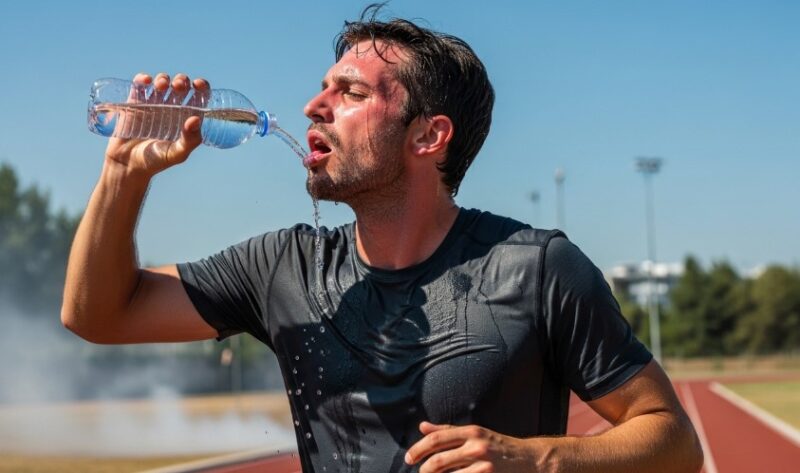
Dehydration occurs when an athlete loses more fluid—primarily through sweat and respiration—than they consume, leading to a deficit that impairs physiological functions. Even a modest 2% reduction in body mass due to fluid loss can significantly degrade aerobic performance, increase perceived exertion, and impair cognitive decision-making. Effective management involves a personalized protocol of pre-activity priming, structured intra-workout electrolyte replacement, and monitored post-exercise recovery to maintain blood volume and thermoregulation.
The Physiology of Fluid Loss in Competitive Sport
To understand the impact of dehydration on an athlete, one must first understand the body’s primary cooling mechanism: evaporation. During physical exertion, the metabolic heat generated by working muscles must be dissipated to maintain a stable core temperature. The body achieves this by shunting blood to the skin's surface and secreting sweat. As sweat evaporates, it removes heat from the body. However, this process relies entirely on the availability of plasma volume.
When an athlete becomes dehydrated, their total blood volume decreases, a condition known as hypovolemia. This creates a "competition" for blood flow between the working muscles, which require oxygen and nutrient delivery, and the skin, which requires blood flow for cooling. As blood volume drops, the heart must beat faster to maintain cardiac output, a phenomenon known as cardiovascular drift. By 2026, sports scientists have refined our understanding of this process, noting that the strain on the cardiovascular system is not merely linear; it accelerates as core temperature rises, leading to a rapid decline in power output and endurance.
Furthermore, dehydration increases the rate of glycogen utilization. Because the body is under greater physiological stress, it leans more heavily on carbohydrate stores for energy, leading to earlier fatigue or "bonking." This metabolic shift makes hydration management just as critical as carbohydrate loading for long-duration events.
Identifying the Signs: The WUT Framework
Relying solely on thirst is a common mistake among amateur and professional athletes alike. Thirst is a lagging indicator; by the time the brain signals the need for water, a significant fluid deficit typically already exists. Instead, sport nutritionists recommend the WUT framework, which stands for Weight, Urine, and Thirst.
- Weight: Monitoring body mass before and after training is the most accurate way to quantify fluid loss. A loss of more than 1% of body weight during a session indicates a hydration gap.
- Urine: The color of the first morning void or pre-training urine provides a snapshot of hydration status. Pale yellow (resembling lemonade) is ideal. Darker shades (resembling apple juice) indicate the kidneys are conserving water, a clear sign of existing dehydration.
- Thirst: While lagging, the presence of a dry mouth or a strong desire for fluids should never be ignored.
Other clinical signs of dehydration include an elevated resting heart rate, decreased skin turgor (the skin's ability to "snap back" when pinched), and persistent headaches. In high-performance environments, these subjective signs are often cross-referenced with objective data from wearable sensors that track heart rate variability (HRV) and sweat composition.
The Role of Electrolytes and the Sodium-Fluid Balance
Dehydration is rarely just a loss of water; it is a loss of water and solutes, primarily electrolytes. The "Big Four" electrolytes—sodium, potassium, magnesium, and calcium—are essential for maintaining the electrical gradient across cell membranes, which allows for muscle contraction and nerve impulse transmission.
Sodium is the most critical electrolyte for athletes because it is lost in the highest concentrations in sweat. It plays a dual role: it helps the body "hold onto" the water you drink by increasing fluid retention in the extracellular space, and it stimulates the thirst mechanism in the brain. Athletes who are "salty sweaters"—identifiable by white, gritty streaks on their skin or clothes after a workout—require significantly higher sodium intake than average.
By 2026, the standard for elite hydration has moved away from "one-size-fits-all" sports drinks toward personalized electrolyte concentrations. This is because sweat sodium concentration can vary from 200 mg per liter to over 2,000 mg per liter depending on genetics and heat acclimatization. Consuming only plain water during prolonged, intense exercise can lead to exertional hyponatremia, a dangerous condition where blood sodium levels become too diluted, potentially causing brain swelling and, in extreme cases, death.
Environmental and Individual Variables
Hydration needs are not static; they fluctuate based on the environment and the athlete's unique physiology.
Humidity and Evaporative Cooling
In high-humidity environments, sweat does not evaporate easily because the air is already saturated with moisture. Instead of cooling the athlete, the sweat simply drips off the body. This often leads to a "double jeopardy" scenario where the athlete continues to lose fluid at a high rate but receives very little cooling benefit, causing core temperatures to spike faster than in dry heat.
Altitude and Respiratory Loss
At high altitudes, the air is thinner and drier. Athletes breathe more rapidly to compensate for lower oxygen levels, leading to increased fluid loss through respiration (insensible water loss). Furthermore, altitude triggers a physiological response called diuresis, where the kidneys produce more urine as the body attempts to balance blood pH.
Gender and Hormonal Influences
Research into female-specific sports science has highlighted that the menstrual cycle affects fluid regulation. During the high-progesterone luteal phase, the body’s core temperature is naturally higher, and sodium is excreted more readily. Female athletes may need to proactively increase their sodium and fluid intake during this phase to maintain the same performance levels as their male counterparts.
Practical Hydration Protocols for Performance
To maintain optimal status, athletes should divide their hydration strategy into three distinct phases: priming, maintenance, and recovery.
Pre-Exercise: Priming the System
The goal is to start the activity "euhydrated" (perfectly balanced).
- 4 hours before: Drink approximately 5–7 ml of fluid per kg of body weight (about 16–20 oz for a 70kg athlete).
- 2 hours before: If urine is still dark or no urine has been produced, drink another 3–5 ml per kg.
- Electrolytes: Including a small amount of sodium (salty snacks or an electrolyte tab) in the pre-workout meal helps retain this fluid.
During Exercise: Preventing Excessive Deficit
The goal is not to replace 100% of lost fluid—which is often impossible due to the limits of gastric emptying—but to prevent a loss of more than 2% of body mass.
- Rate: Most athletes can absorb between 400 and 800 ml of fluid per hour.
- Concentration: Use an isotonic solution (6–8% carbohydrate concentration) if the session exceeds 60–90 minutes. This provides fuel while facilitating faster water absorption in the small intestine.
Post-Exercise: Rapid Rehydration
Recovery is not complete until fluid and electrolyte balance is restored.
- The 150% Rule: For every 1 kg of body weight lost during exercise, the athlete should consume 1.5 liters of fluid. The extra 0.5 liters accounts for ongoing urine losses during the recovery window.
- Sodium and Protein: Consuming sodium with recovery fluids reduces urine output, while adding protein (such as in chocolate milk) can actually enhance rehydration by slowing the transit of fluid through the digestive system.
Comparison of Sweat Rates and Fluid Needs by Sport
The following table illustrates the typical fluid demands across various athletic disciplines under moderate conditions.
| Sport/Activity | Average Sweat Rate (L/hr) | Primary Hydration Challenge | Key Recommendation |
|---|---|---|---|
| Marathon Running | 0.8 – 1.5 | High respiratory loss and limited gut tolerance. | Small, frequent sips; avoid "sloshing." |
| Cycling (Road) | 1.0 – 2.0 | High evaporative cooling mask fluid loss perception. | Scheduled drinking; use of dual bottles (water/carbs). |
| American Football | 1.5 – 2.5 | Heavy equipment (pads) prevents cooling. | Aggressive pre-hydration and cooling breaks. |
| Swimming | 0.3 – 0.7 | Environment masks sweating; often ignored. | Keep a bottle at the end of the lane for sets. |
| Indoor HIIT | 1.0 – 1.8 | Low airflow in gyms reduces evaporation. | Pre-cool the body and hydrate immediately after. |
Technological Advances in 2026: The Rise of Bio-Sensing
By 2026, the "guesswork" of hydration has been largely replaced by real-time data for many competitive athletes. Microfluidic sweat patches are now widely available. These small, adhesive sensors analyze the chloride concentration in an athlete’s sweat and transmit the data via Bluetooth to a smartwatch or coach’s tablet.
This technology allows for the creation of a "sweat profile," detailing exactly how many milligrams of sodium an athlete loses per hour at specific temperatures and intensities. Additionally, integrated hydration apps now sync with local weather stations to provide "hydration forecasts," warning athletes to increase their intake hours before a heatwave hits. For professional teams, internal temperature pills—small, ingestible sensors—are used to monitor core heat in real-time to prevent heatstroke before symptoms even appear.
The Danger of Over-Hydration: Hyponatremia
While the focus is often on dehydration, the risks of over-hydration are equally severe. Exercise-Associated Hyponatremia (EAH) occurs when an athlete drinks excessive amounts of plain water, diluting the sodium in their blood to dangerously low levels. This is most common in "back-of-the-pack" marathoners or ultra-endurance athletes who are on the course for 6+ hours and drink at every single water station regardless of thirst.
Symptoms of hyponatremia can mimic dehydration—confusion, fatigue, and headache—but can lead to pulmonary or cerebral edema if treated incorrectly with more water. The hallmark sign that differentiates it from dehydration is often "puffiness" or swelling in the hands and face (edema).
Professional Medical Limitation: The information provided here is for educational purposes and should not replace professional medical advice. Athletes with underlying kidney conditions or cardiovascular issues should consult a sports cardiologist or renal specialist before making significant changes to their electrolyte protocols.
Frequently Asked Questions
Can coffee or caffeine cause dehydration during sports?
Caffeine was historically considered a diuretic, but contemporary research shows that for regular consumers, the fluid in the coffee or tea largely offsets the minor diuretic effect. In an athletic context, moderate doses of caffeine do not negatively impact hydration status during exercise and may actually improve perceived exertion. However, high-dose caffeine pills without adequate water intake should be avoided.
Does muscle cramping always mean I am dehydrated?
No. While dehydration and electrolyte imbalance (specifically sodium and magnesium) can contribute to cramping, the "Neuromuscular Theory" suggests that most exercise-associated muscle cramps are caused by muscle fatigue and altered neuromuscular control. If you cramp, you should evaluate both your hydration and your training intensity relative to your fitness level.
Is it possible to hydrate "too much" the day before a race?
Yes. Over-hydrating the day before a race can lead to "flushing," where you lose essential electrolytes through increased urination and may even disrupt your sleep due to frequent bathroom trips. Aim for a normal state of euhydration (lemonade-colored urine) and save the focused fluid intake for the 4-hour window before the start.
Should I drink ice-cold water or room-temperature water?
Cold water (approx. 4°C or 40°F) is generally preferred for athletes because it helps lower core body temperature from the inside out and is typically more palatable, encouraging higher consumption. However, some athletes find that very cold water causes stomach upset; in those cases, cool water (15°C or 60°F) is a better compromise.
How do I calculate my personal sweat rate?
To calculate your sweat rate, weigh yourself nude before a one-hour workout. Track how many ounces of fluid you drink during that hour. After the workout, towel off completely and weigh yourself nude again. Sweat Rate = (Pre-weight - Post-weight) + Fluid Intake. By 2026, most athletes use mobile calculators where they simply plug in these two weights to get an instant fluid-replacement recommendation.
Final Recommendation: Establishing Your Protocol
To master your hydration, do not wait for a major event to experiment. Begin by conducting a one-hour sweat test during a typical training session in the conditions you expect to compete in. Use the data to create a fueling and hydration plan that includes at least 500-700mg of sodium per liter of fluid if you are training for more than 90 minutes. Consistency in your daily hydration is the foundation upon which your performance-day strategy is built.