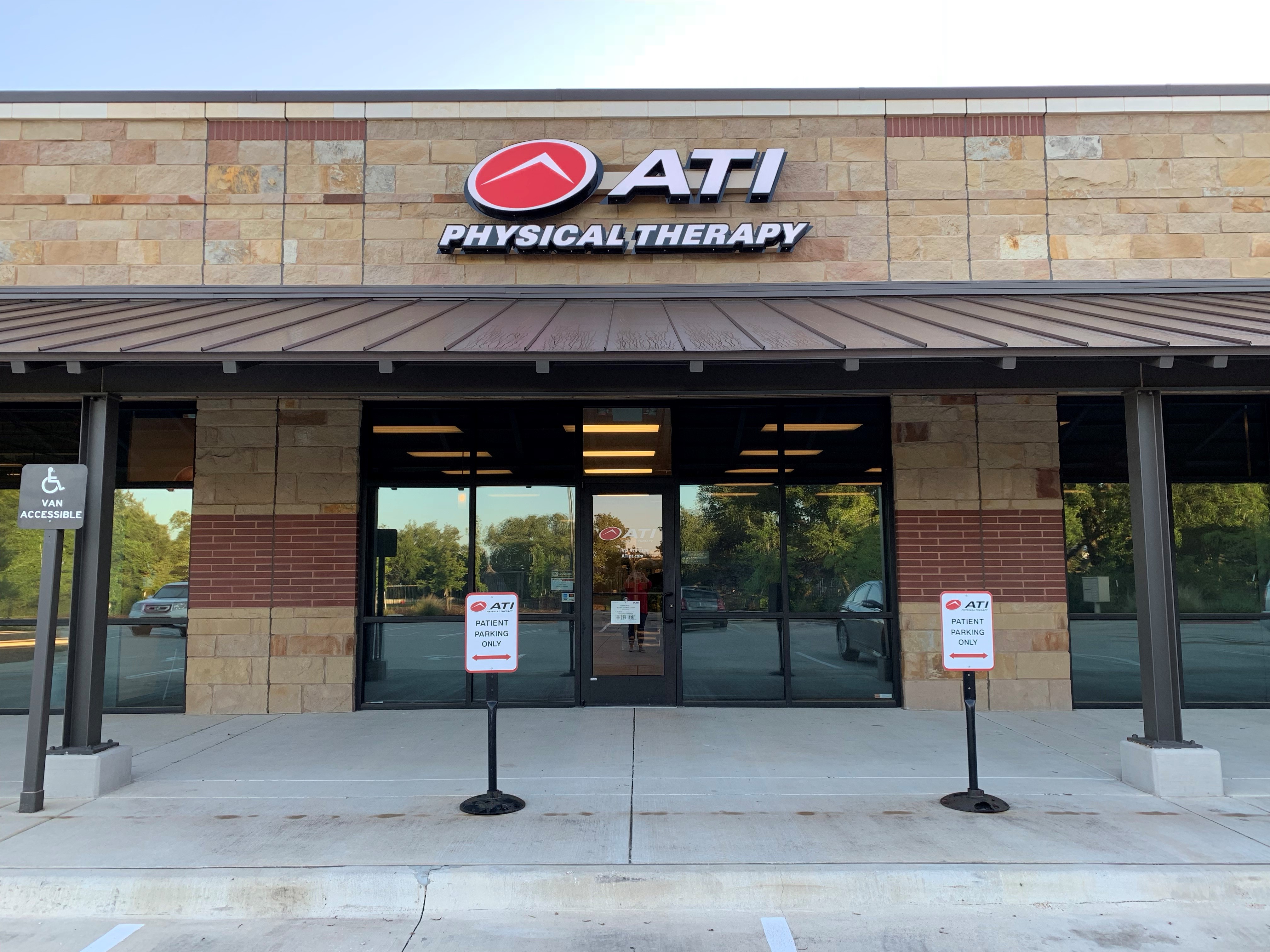
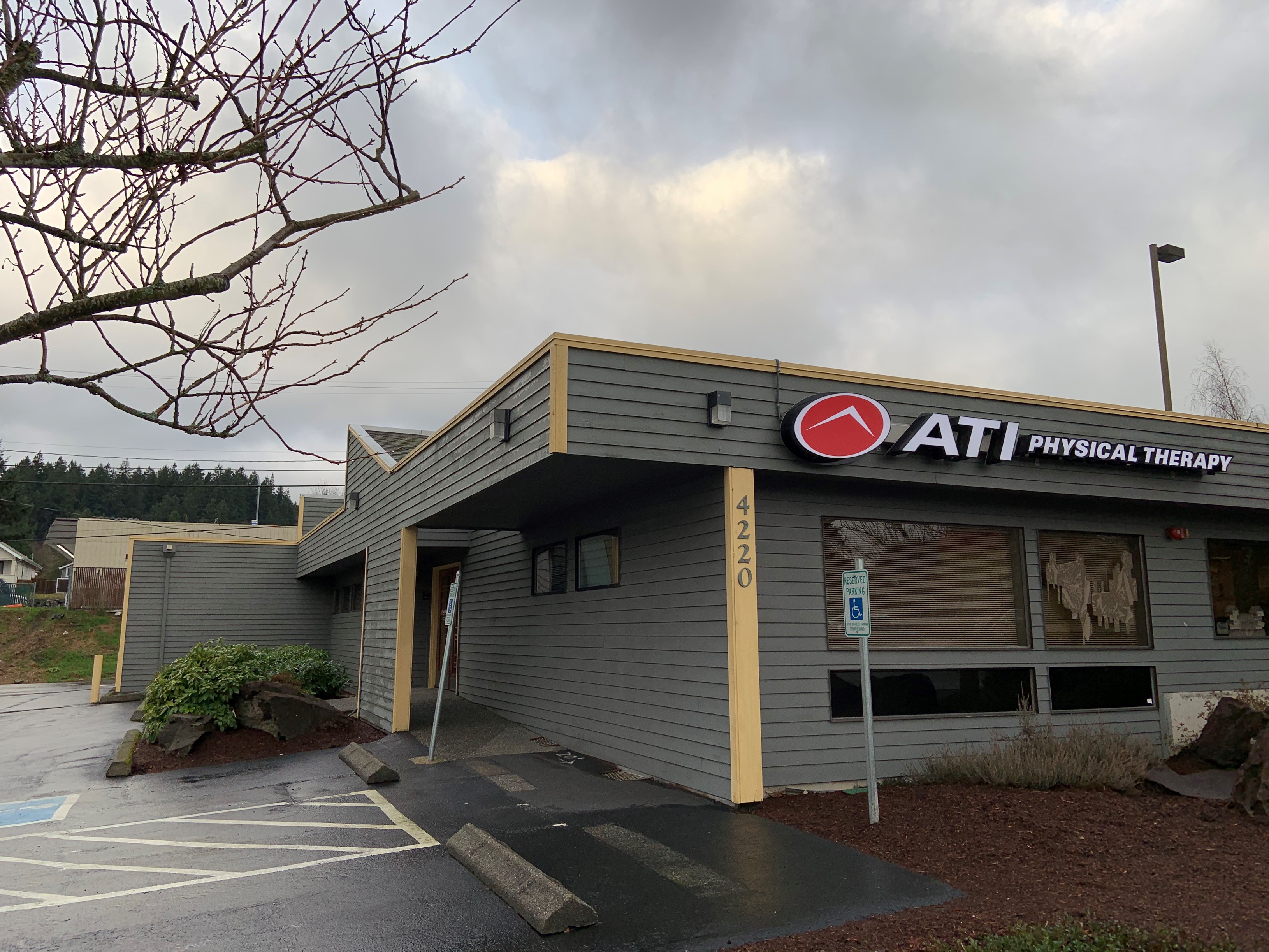
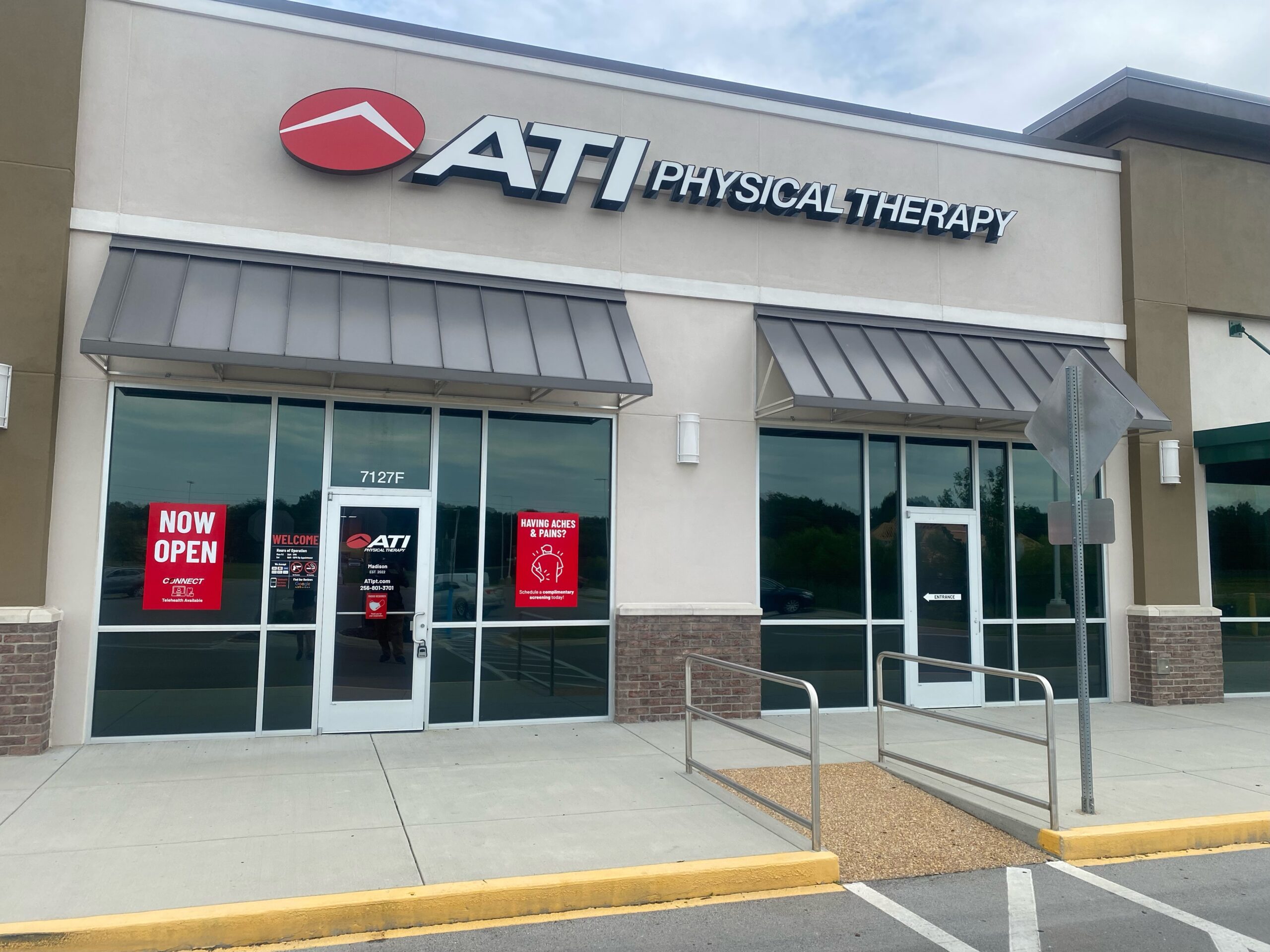
ATI Physical Therapy in Mountlake Terrace provides personalized orthopedic rehabilitation, sports medicine, and post-surgical recovery services tailored to the Snohomish County community. Located conveniently for residents and commuters alike, this clinic utilizes evidence-based practices to help patients regain mobility, manage chronic pain, and recover from acute injuries. Patients can access care through physician referrals or via direct access, depending on specific insurance requirements.
Overview of ATI Physical Therapy in Mountlake Terrace
Located in the heart of the community, the ATI Physical Therapy clinic in Mountlake Terrace serves as a vital resource for musculoskeletal health. As of 2026, the clinic continues to emphasize a patient-centric model that combines manual therapy with therapeutic exercise and advanced data tracking.
The Mountlake Terrace location is strategically situated to serve not only city residents but also those in nearby Edmonds, Lynnwood, and Brier. Its proximity to major transit corridors, including Interstate 5 and the Mountlake Terrace Transit Center, makes it an accessible option for those balancing rehabilitation with a busy work schedule.
The clinic is staffed by licensed physical therapists (PTs) and physical therapist assistants (PTAs) who specialize in various aspects of human movement. The facility itself is designed with an open-floor concept, encouraging a dynamic environment where patients can perform functional movements under the watchful eye of clinical experts.
Core Services and Specializations
The Mountlake Terrace facility offers a broad spectrum of services designed to address conditions ranging from standard sprains to complex neurological rehabilitation. Understanding these specializations helps patients determine if this clinic aligns with their specific recovery goals.
Orthopedic Physical Therapy
This is the cornerstone of the Mountlake Terrace practice. It focuses on the treatment of the skeletal system and its associated muscles, joints, and ligaments. Common conditions treated include:
- Osteoarthritis: Managing joint degradation through strengthening and load-management strategies.
- Spinal Disorders: Addressing chronic low back pain, sciatica, and cervical (neck) strain using mechanical diagnosis and therapy.
- Joint Replacements: Post-operative protocols for total hip, knee, and shoulder replacements to ensure proper range of motion and functional return.
Sports Medicine and Performance
Given the active lifestyle of Pacific Northwest residents, the clinic handles a high volume of athletic injuries. The focus here is not just on healing but on "return to play." Therapists analyze biomechanics to correct movement patterns that may lead to re-injury. This includes ACL reconstruction recovery, rotator cuff tears, and "runner’s knee" (patellofemoral pain syndrome).
Manual Therapy
Manual therapy involves skilled "hands-on" techniques including joint mobilization, manipulation, and soft tissue mobilization. At the Mountlake Terrace clinic, these techniques are used to reduce tissue restriction, increase range of motion, and modulate pain. This is often a prerequisite to more active exercise-based therapy, as it "clears the path" for pain-free movement.
Workers' Compensation and Industrial Rehab
For those injured on the job, ATI Physical Therapy offers specialized programs designed to meet the requirements of Washington’s Department of Labor and Industries (L&I). These services focus on work conditioning—intensive, goal-oriented treatments specifically designed to restore systemic neurological, musculoskeletal, and cardiopulmonary functions.
Navigating Direct Access in Washington State
In 2026, Washington remains a "direct access" state for physical therapy. This means that, legally, you do not need a prescription or a referral from a physician to begin treatment with a physical therapist. However, there are practical nuances to this rule that patients in Mountlake Terrace should understand.
Insurance Requirements
While state law allows direct access, individual insurance providers (such as Premera, Regence, or Kaiser Permanente) may still require a referral to guarantee coverage. Furthermore, some plans may limit the number of visits allowed under direct access before a physician’s oversight is required. It is standard practice for the ATI administrative staff to verify these benefits before your first appointment to prevent unexpected out-of-pocket costs.
The Plan of Care (POC)
Even under direct access, a licensed physical therapist must conduct a thorough initial evaluation to determine if the condition is within the scope of physical therapy. If the therapist identifies "red flags" (symptoms suggesting a non-musculoskeletal issue), they are ethically and legally bound to refer the patient to an appropriate medical doctor or specialist.
What to Expect During Your Recovery Journey
Embarking on physical therapy can be intimidating if you are unfamiliar with the process. The Mountlake Terrace clinic follows a structured pathway to ensure consistency and measurable progress.
1. The Initial Evaluation
Your first visit typically lasts 45 to 60 minutes. During this time, your therapist will:
- Review Medical History: Discussing past surgeries, medications, and the onset of your current symptoms.
- Perform Physical Tests: Measuring range of motion, strength, balance, and specialized orthopedic tests to isolate the source of pain.
- Establish Goals: Collaborative goal setting—whether that is walking a mile without pain or returning to competitive sports.
2. Treatment Sessions
Subsequent visits are usually shorter (30 to 45 minutes) and focus on the "active" phase of recovery. You will spend time performing therapeutic exercises tailored to your deficits. Therapists use these sessions to educate you on "body mechanics"—how to move efficiently to avoid future strain.
3. The Home Exercise Program (HEP)
Recovery does not happen only within the clinic walls. The Mountlake Terrace team emphasizes the HEP. In 2026, this often involves digital platforms where patients can watch videos of their prescribed exercises and log their completion. Consistency with the HEP is the single greatest predictor of successful outcomes.
4. Progress Tracking and Discharge
Periodically, your therapist will perform a "re-evaluation" to compare your current status against your baseline. Once your goals are met and you have the tools to manage your condition independently, you are discharged from active care.
Comparison of Physical Therapy Interventions
| Treatment Type | Primary Goal | Best For | Technical Approach |
|---|---|---|---|
| Therapeutic Exercise | Strength & Stability | Weakness, post-op recovery | Progressive loading of specific muscle groups. |
| Manual Therapy | Mobility & Pain Relief | Joint stiffness, muscle knots | Passive joint mobilization and trigger point work. |
| Neuromuscular Rehab | Coordination & Balance | Vertigo, post-stroke, gait issues | Proprioceptive training and balance perturbations. |
| Modalities | Symptom Management | Acute swelling, intense pain | Iontophoresis, electrical stimulation (TENS), or ultrasound. |
| Functional Training | Task-Specific Ability | Return to work or sport | Mimicking daily tasks or athletic movements. |
Technology and Innovation at the Mountlake Terrace Clinic
By 2026, ATI Physical Therapy has integrated several technological advancements to improve patient outcomes. The Mountlake Terrace location utilizes proprietary data-tracking software that allows therapists to benchmark a patient's progress against thousands of similar cases nationwide.
Digital Health Integration
Patients now have access to enhanced tele-health options for sessions that do not require hands-on intervention. This "hybrid" model allows for better adherence, especially for patients who may struggle with transportation to the 56th Ave W location.
Advanced Diagnostic Tools
The clinic employs modern equipment for objective measurement, such as digital dynamometers for strength testing and wearable sensors that provide real-time feedback on gait and posture. This removes the guesswork from rehabilitation, providing clear, numerical evidence of improvement.
Insurance and Cost Considerations in 2026
Physical therapy is a cost-effective alternative to surgery and long-term opioid use for pain management. However, understanding the financial landscape is essential.
- In-Network Providers: ATI Mountlake Terrace typically contracts with major insurers, including Medicare, Boeing-specific plans, and Washington-based PPOs.
- Copays and Deductibles: Most patients will have a specialist copay (often ranging from $20 to $60 per visit). If you have a high-deductible health plan (HDHP), you may be responsible for the full contracted rate until your deductible is met.
- Self-Pay Options: For those without insurance or those who have exhausted their yearly benefits, the clinic offers self-pay rates. These rates are transparent and usually required at the time of service.
Note: It is highly recommended to call the clinic at least 48 hours before your first appointment to ensure your specific plan is active and accepted.
Frequently Asked Questions
Do I need to see my primary care doctor before going to ATI in Mountlake Terrace?
In many cases, no. Due to Washington's direct access laws, you can schedule an evaluation immediately. However, if you are using Medicare or have an HMO-style insurance plan, a referral may be necessary for the insurance company to pay the claim. Always check with the front desk staff, as they are experts in navigating these requirements.
How long does a typical course of physical therapy last?
The duration varies significantly based on the severity of the injury. A simple grade I ankle sprain might require 4 to 6 visits over three weeks, while a complex ACL reconstruction or chronic spinal condition could require 12 to 24 visits over several months. Your therapist will provide a projected timeline during your initial evaluation.
What should I wear to my first appointment?
You should wear comfortable, loose-fitting athletic clothing that allows the therapist to access the area being treated. For example, if you have a knee injury, wear shorts. If you have a shoulder issue, a tank top or loose t-shirt is ideal. Proper athletic footwear (sneakers) is also required for safety during exercise.
How does ATI handle "Workman's Comp" (L&I) claims in Mountlake Terrace?
ATI is highly experienced with Washington State L&I and self-insured employer claims. They manage the documentation required to prove medical necessity and functional improvement, which is critical for keeping your claim open and ensuring your benefits continue while you are unable to work.
Is there parking available at the Mountlake Terrace location?
Yes, the Mountlake Terrace clinic, generally located in the professional centers near 236th St SW and 56th Ave W, provides ample free parking for patients. There are also designated ADA-accessible spots near the entrance to accommodate those with significant mobility impairments.
Practical Recommendations for Patients
To maximize the value of your time at ATI Physical Therapy in Mountlake Terrace, consider the following expert tips:
- Be Specific with Your History: The more detail you provide about when your pain started and what activities aggravate it, the more accurately your therapist can diagnose the mechanical cause.
- Prioritize the First Two Weeks: The first 14 days of therapy are critical for setting the biological foundation for healing. Avoid missing appointments during this "loading phase."
- Ask Questions: Do not perform an exercise if you don't understand why you are doing it. Understanding the "why" increases neurological engagement and leads to better results.
- Communicate Pain Levels: There is a difference between "good pain" (muscle soreness) and "bad pain" (joint sharping or radiating symptoms). Always inform your therapist if a movement causes a sharp increase in symptoms.
Professional Advice Limitation: This article is for informational purposes only and does not constitute medical advice, diagnosis, or treatment. Always seek the advice of a physical therapist, physician, or other qualified health provider with any questions you may have regarding a medical condition.