Assessment methodologies form the structured frameworks, criteria, and tools organizations, educators, and researchers use to evaluate performance, competencies, risks, or educational outcomes. Selecting the right methodology ensures data-driven decision-making, accurate capability measurement, and objective validation across diverse professional, academic, and technical environments.
Introduction to Assessment Methodologies
An assessment methodology defines the systematic approach used to gather, analyze, and interpret data regarding a subject's performance, risk level, skill proficiency, or knowledge retention. Whether deployed in enterprise risk management, software security evaluations, educational testing, or employee performance reviews, these methodologies provide the underlying logic that transforms raw observations into actionable metrics.
Understanding these frameworks requires distinguishing between the core types of evaluations—such as formative, summative, diagnostic, and normative approaches—and aligning them with specific operational goals. In professional and technical domains, picking an inappropriate methodology can lead to false positives, overlooked vulnerabilities, or inaccurate competency gaps. This guide breaks down the core assessment methodologies, their structural components, comparative frameworks, and best practices for implementation.
Core Categories of Assessment Methodologies
To choose the right framework, evaluators must first understand the primary categories of assessment. Each category serves a distinct purpose within the evaluation lifecycle, ranging from continuous feedback loops to final compliance audits.
Formative and Summative Frameworks
Formative assessments focus on monitoring progress during a process to provide ongoing feedback. In software development, this mirrors continuous integration testing and iterative code reviews; in education, it resembles weekly quizzes and interactive checkpoints.
Conversely, summative assessments measure outcomes at the conclusion of a cycle. Examples include final certification exams, end-of-year financial audits, and final penetration testing reports. While formative methodologies emphasize improvement and adaptation, summative methodologies focus on accountability, grading, and final certification.
Qualitative Versus Quantitative Approaches
Assessment methodologies also differ in how they capture and process data:
- Quantitative Methodologies: Rely on numerical data, standardized scoring rubrics, statistical analysis, and hard metrics. Examples include psychological psychometric tests, quantitative risk analysis (such as Annualized Loss Expectancy), and multiple-choice competency exams.
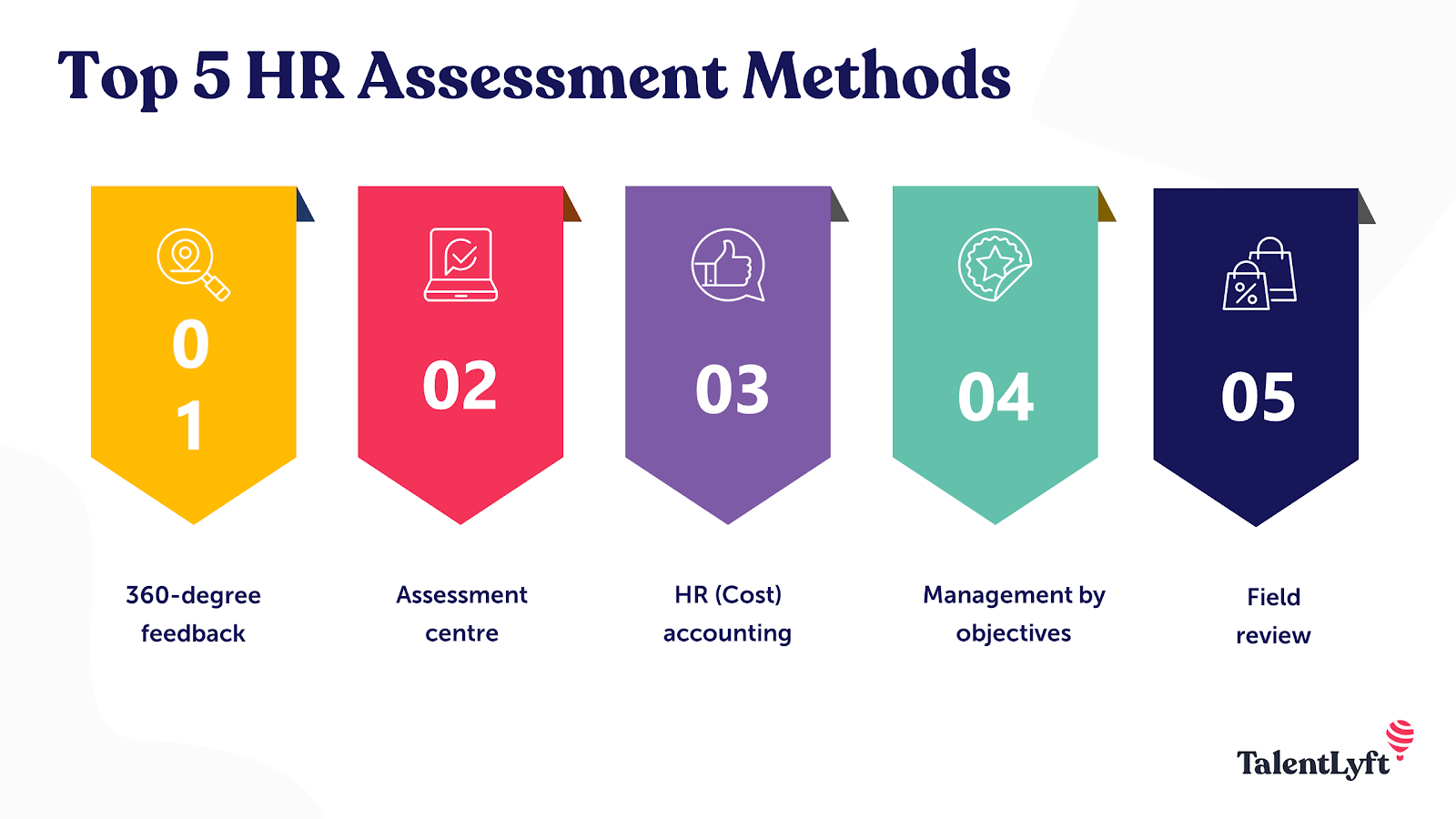
- Qualitative Methodologies: Focus on descriptive data, expert judgment, behavioral observation, and contextual depth. Examples include 360-degree peer reviews, ethnographic workplace studies, and peer-reviewed case studies.
Blended methodologies often yield the most robust insights by combining the statistical reliability of quantitative metrics with the contextual nuance of qualitative observations.
Comparative Breakdown of Major Assessment Types
| Methodology Type | Primary Objective | Data Focus | Typical Use Case | Main Limitation |
|---|---|---|---|---|
| Diagnostic | Identify root causes of specific problems or baseline gaps | Mixed (Qualitative & Quantitative) | Pre-training skill gaps, medical diagnoses, root-cause IT troubleshooting | Resource-intensive, highly specialized |
| Normative | Compare a subject's performance against a peer group or standard norm | Quantitative | Standardized testing, market benchmarking, competitive HR ranking | Can create artificial competition, ignores absolute mastery standards |
| Criterion-Referenced | Measure performance against predefined, fixed learning or operational criteria | Quantitative / Rubric-based | Professional certifications, regulatory compliance audits, core skill sign-offs | Requires extensive upfront definition of exact criteria |
| Authentic/Performance | Evaluate real-world task execution in simulated or live environments | Qualitative / Observational | Technical coding challenges, flight simulator training, practical trade exams | Difficult to standardize scoring objectively |
Designing and Implementing an Assessment Framework
Executing a successful assessment requires a disciplined, multi-step lifecycle. Rushing into data collection without a clearly defined framework often invalidates results and wastes organizational resources.
Step 1: Define Objectives and Scope
Before selecting tools or writing questions, stakeholders must establish what the assessment aims to achieve. Is the goal to measure regulatory compliance, assess software vulnerability, or evaluate employee leadership potential? Defining the scope dictates whether the methodology needs to be high-stakes and summative or low-stakes and developmental.
Step 2: Establish Validity and Reliability
An effective assessment methodology must be both valid and reliable:
- Validity: Ensures the assessment actually measures what it claims to measure. For instance, a coding assessment must test programming logic and syntax rather than general typing speed.
- Reliability: Ensures consistency. If the same candidate takes the assessment under identical conditions at different times, or if two different evaluators grade the same submission, the resulting scores should be closely aligned.
Step 3: Select Instruments and Delivery Channels
Choose delivery mechanisms that match the target audience and technical requirements. These may range from automated software testing suites and cloud-based proctored exam portals to structured interview panels and physical observation checklists.
Step 4: Data Analysis and Feedback Loops
Once data is collected, it must be analyzed against established benchmarks. Crucially, a robust methodology includes a feedback mechanism. Results should be communicated clearly to the evaluated subjects, highlighting specific strengths, identified vulnerabilities, and actionable steps for remediation.
Industry-Specific Applications
Assessment methodologies adapt to the unique regulatory, technical, and operational demands of different sectors.
Cybersecurity and Risk Management
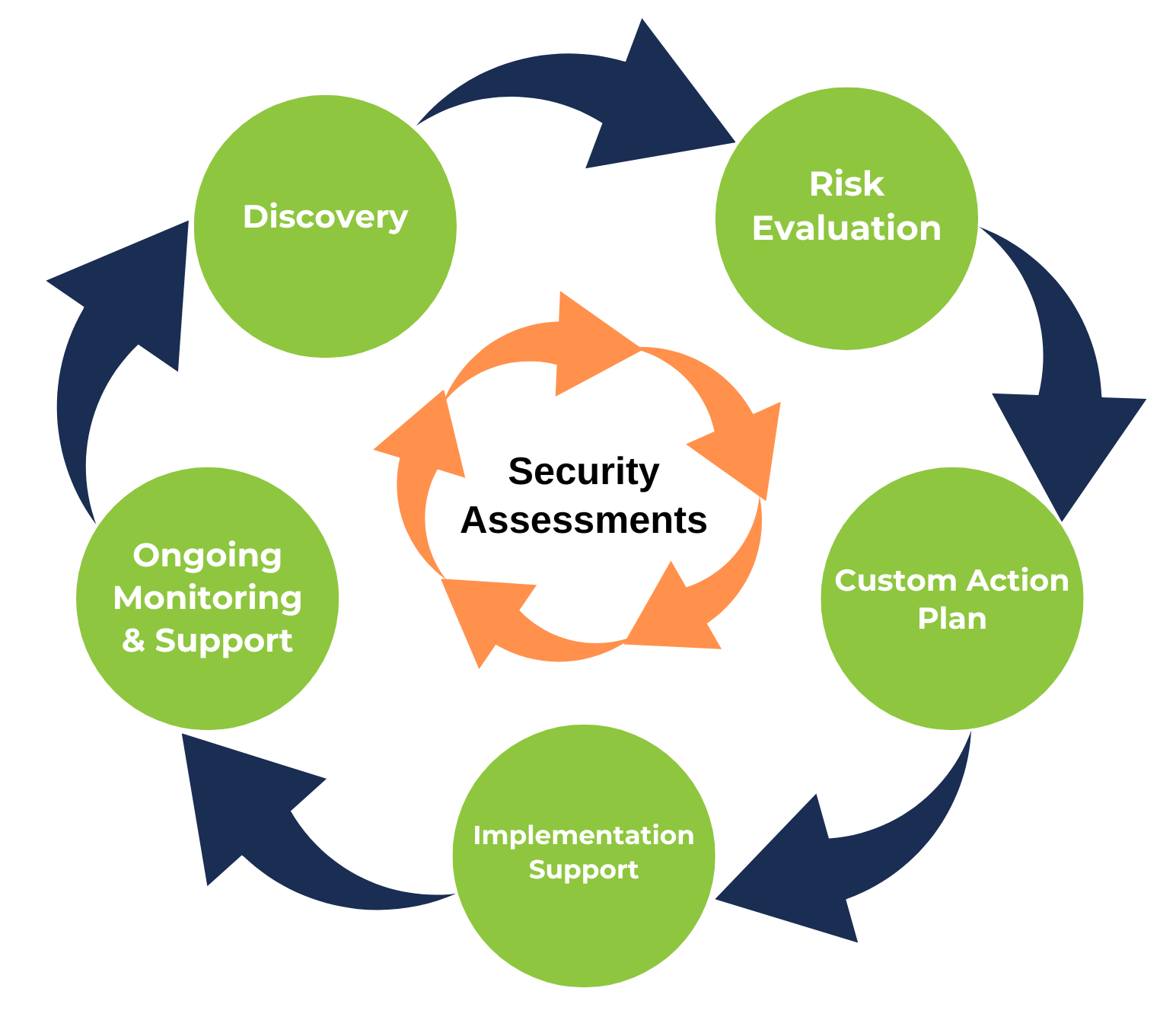
In information security, assessment methodologies like NIST SP 800-30 or FAIR (Factor Analysis of Information Risk) guide organizations through identifying threats, vulnerabilities, and potential impact. These methodologies combine qualitative threat modeling with quantitative loss estimation to prioritize security investments.
Education and Professional Certification
Educational assessment frameworks rely on Bloom's Taxonomy to grade cognitive complexity—progressing from basic recall (remembering and understanding) to advanced application (evaluating and creating). Professional bodies use psychometrically validated question banks to ensure certification exams maintain legal and industry defensibility.
Human Resources and Talent Management
Organizations utilize competency frameworks and behavioral assessment tools (such as structured behavioral interviews and psychometric profiling) to evaluate cultural fit, leadership potential, and technical capability during hiring and promotion cycles.
Common Pitfalls and Troubleshooting
Even well-designed assessment methodologies can fail due to cognitive biases, poor execution, or misaligned incentives. Recognizing these pitfalls helps maintain evaluation integrity.
- Evaluator Bias: In qualitative assessments, subjective scoring can be skewed by the halo effect, leniency bias, or personal preferences. Mitigate this by utilizing standardized rubrics and blind evaluation panels.
- Test Fatigue: Over-assessing subjects leads to disengagement, rushed answers, and artificially low performance. Streamline evaluations to capture only essential data points.
- Outdated Criteria: In rapidly evolving fields like software engineering or regulatory compliance, assessment criteria can quickly become obsolete. Establish a regular review cycle to update question banks, risk profiles, and performance rubrics.
- Lack of Actionable Outcomes: Assessments that generate scores without providing clear remediation paths fail to drive improvement. Always pair evaluation results with structured guidance on what to do next.
Frequently Asked Questions
What is the difference between formative and summative assessment methodologies?
Formative methodologies are ongoing evaluations used to monitor progress, provide feedback, and guide continuous improvement during a learning or operational cycle. Summative methodologies are milestone evaluations conducted at the end of a cycle to measure overall achievement, compliance, or mastery against a final standard.
How do you ensure an assessment methodology is reliable?
Reliability is achieved by standardizing testing conditions, using clear and unambiguous scoring rubrics, training evaluators to minimize subjective variance, and conducting statistical item analysis (such as measuring internal consistency through Cronbach's alpha) to weed out confusing or flawed test questions.
What role does technology play in modern assessment methodologies?
Technology automates delivery, scoring, and analytics. Modern platforms utilize computer-adaptive testing (which adjusts question difficulty based on prior answers), automated proctoring, and integrated data dashboards to process large volumes of assessment data efficiently and securely.
Can qualitative and quantitative assessment methods be combined?
Yes, combining both approaches—often called a mixed-methods design—provides a more holistic evaluation. For instance, an organization might use quantitative metrics (KPI scores or exam percentages) alongside qualitative 360-degree feedback to assess an employee's overall performance.
How often should an assessment methodology be updated?
Assessment methodologies should be reviewed at least annually, or immediately following significant regulatory changes, technological shifts, or updates to core operational standards. Regular reviews ensure that evaluation criteria remain relevant, legally defensible, and effective.
Conclusion and Next Actions
Selecting and implementing effective assessment methodologies requires balancing validity, reliability, and practical constraints. Start by auditing your current evaluation processes to identify gaps in data accuracy or feedback loops. Define clear, measurable objectives before selecting tools, and ensure that all assessments provide actionable insights that drive continuous improvement and risk reduction.