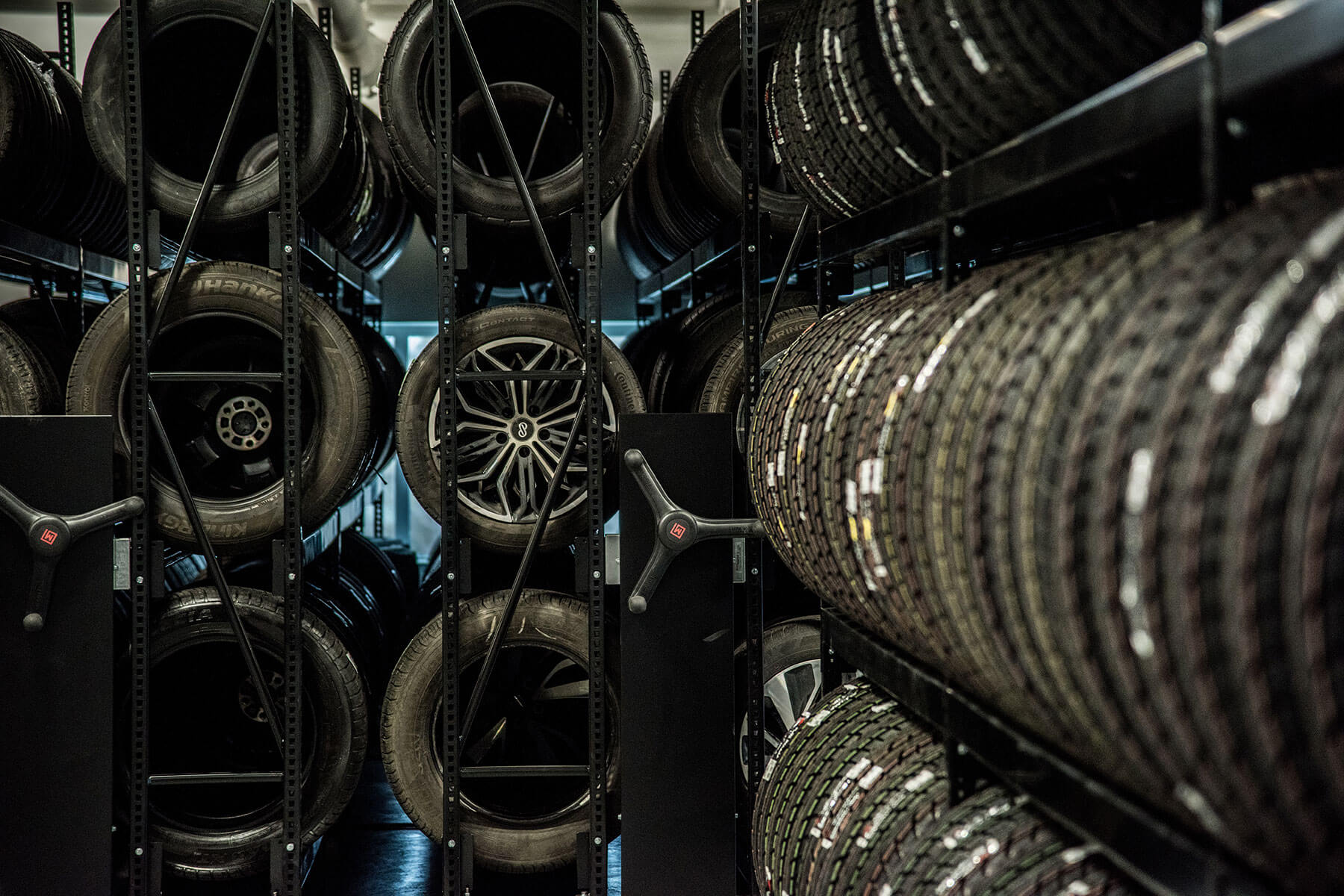
ASA tire systems represent a specialized tier of enterprise resource planning (ERP) and shop management software designed to integrate the complex workflows of tire retailing, wholesale distribution, and commercial fleet service centers. By centralizing inventory tracking, point-of-sale operations, and customer lifecycle management, these systems act as the digital backbone for businesses operating within the automotive aftermarket and tire service industry.
Understanding the Role of ASA Tire Systems in Modern Automotive Retail
At its core, the software provided by ASA (often recognized within the industry as ASA Automotive Systems) serves to bridge the gap between high-volume inventory management and the granular requirements of individual service bays. In 2026, the complexity of tire management—involving tire sizes, speed ratings, tread patterns, and mounting specifications—demands a digital solution that prevents human error during the ordering and installation process.
These systems are not merely point-of-sale tools; they are comprehensive management platforms. They handle the "cradle-to-grave" lifecycle of a tire sale. This includes procurement from manufacturers, managing warehouse stock levels, facilitating digital work orders for service technicians, and maintaining customer service histories for future maintenance reminders. For a multi-location tire dealer or a commercial fleet manager, the primary benefit is data centralization. When a client visits a branch in one city, their vehicle and service history are instantly accessible at another, ensuring that warranty claims and tire rotations are tracked with precision.
Key Operational Modules and Features
To function effectively, an ASA-style tire management system must integrate several distinct functional modules. Business owners evaluating these platforms should prioritize the following core capabilities:
Inventory and Procurement Management
Inventory is the largest capital expense for a tire shop. Effective systems must automate the replenishment process through direct integration with major tire wholesalers. By utilizing electronic ordering protocols, the system updates stock levels in real-time as sales occur, triggering purchase orders based on defined "min/max" levels. This minimizes "dead stock" (slow-moving sizes) while ensuring high-demand inventory is always on the rack.
Point-of-Sale (POS) and Service Bay Integration
The transition from front-desk quoting to technician bay completion is the most common point of failure in tire shops. A robust system uses a unified digital work order. When a service advisor enters a customer’s vehicle information, the system pulls compatible tire fitment data. Once selected, this information is pushed directly to the tablet or terminal used by the technician in the shop. This eliminates the risk of incorrect tire mounting, which is a major safety and liability concern.
Customer Relationship Management (CRM)
Retaining tire customers depends on predictable maintenance cycles. Modern systems leverage automated service reminders. If a customer purchases a set of tires, the system schedules a "first rotation" reminder at the appropriate mileage interval (e.g., 5,000 miles). These automated communications ensure higher service retention rates and build long-term trust.
Comparing Management System Capabilities
Choosing the right platform requires an understanding of how these systems handle varying operational volumes. The table below outlines the critical differences between manual oversight and integrated software management.
| Feature | Manual/Legacy Tracking | Integrated ASA System |
|---|---|---|
| Inventory Accuracy | High margin of error (manual entry) | Automated via barcode/scanner |
| Pricing Updates | Time-consuming manual changes | Dynamic, real-time market updates |
| Technician Workflow | Paper work orders (risk of loss) | Digital, cloud-synced tablets |
| Customer History | Scattered paper records | Centralized, multi-site access |
| Procurement | Phone/email ordering | Direct electronic procurement |
Requirements for Successful Implementation
Integrating a sophisticated tire management system is a significant organizational change. Before committing to a platform, businesses must audit their current infrastructure to ensure they meet the minimum technical requirements:
- Hardware Infrastructure: While many modern systems are cloud-based, the hardware in the shop—barcode scanners, thermal printers for work orders, and touchscreen terminals for technicians—must be compatible with the software’s API.
- Data Migration: If moving from a legacy system, the integrity of existing customer databases is paramount. Scrubbing data for duplicates and ensuring service histories are correctly formatted before migration is a non-negotiable step.
- Staff Training: The most common failure point is not the software itself, but the lack of staff proficiency. A dedicated training period, often involving a "sandbox" version of the system where staff can practice without affecting real data, is essential.
- Internet Reliability: As these systems rely heavily on cloud synchronization to track inventory across multiple branches, a robust and redundant internet connection is required to prevent downtime during peak sales hours.
Troubleshooting Common Operational Challenges
Even with a high-functioning system, users often encounter specific hurdles. Addressing these quickly is critical to maintaining operational flow.
Inventory Discrepancies
The most frequent issue is a mismatch between the system’s recorded inventory and physical stock. This is usually caused by "shrinkage" (unrecorded removals) or technical errors during receiving. The solution is the implementation of a "cycle counting" program, where staff perform daily or weekly partial inventories of specific tire sizes rather than relying solely on annual physical counts.
Integration Failures with Wholesalers
Occasionally, electronic catalogs or ordering interfaces fail to update pricing or availability. This is typically a communication issue between the system’s API and the supplier’s server. The immediate next step is to clear the local cache of the POS system and, if the problem persists, verify the status of the supplier’s integration portal.
Technician Resistance
Resistance to digital work orders is common. Management should frame the transition not as "monitoring" but as "empowerment." By using a system that tracks parts usage and bay time automatically, technicians spend less time on paperwork and more time on high-value billable tasks.
Frequently Asked Questions
What is the typical timeframe for implementing a new tire management system?
For a single-location store, implementation can take between 4 to 8 weeks, including data migration and training. Multi-location operations often follow a phased rollout, which can extend the timeline to 3–6 months to ensure system stability across all branches.
Do these systems support commercial tire tracking for fleet clients?
Yes, most enterprise-grade tire systems include dedicated modules for fleet management. These modules track individual vehicle maintenance and tire tread depths, allowing shops to provide fleet managers with detailed cost-per-mile reports.
Can ASA-style software integrate with my current accounting software?
Most professional-grade systems are designed with open or semi-open APIs that allow for synchronization with common accounting platforms like QuickBooks or Sage. This ensures that sales data flows automatically to your general ledger, reducing the burden on accounting teams.
What are the ongoing costs of these systems?
Costs generally include a monthly or annual SaaS (Software as a Service) subscription fee, plus potential implementation and training costs. Pricing often scales based on the number of locations and the volume of inventory managed, making it essential to request a quote based on your specific scale in 2026.
Is professional IT support provided?
Reputable vendors provide tiered support, including 24/7 technical help lines for critical system failures and dedicated account managers for long-term operational planning. Verify the service-level agreement (SLA) before signing a contract.
What happens if the internet goes down?
Modern systems are increasingly moving toward "hybrid-cloud" architectures. This allows local terminals to continue processing sales and work orders in an "offline mode," syncing the data to the central server once the internet connection is restored. Always ask for documentation on the specific system’s offline capabilities.
Strategic Recommendation for Fleet and Retail Owners
If you are currently evaluating your technological setup, the most effective next step is to conduct a "process audit." Identify the three most common bottlenecks in your current operation—such as time spent on inventory reconciliations, gaps in technician communication, or delayed customer follow-ups. Use these specific pain points to prioritize the modules you require from an ASA tire system. Do not seek the largest package available; seek the package that solves your unique operational deficits. Schedule a live demonstration focused specifically on your identified bottlenecks rather than a general walkthrough to ensure the software’s workflow aligns with your business reality.