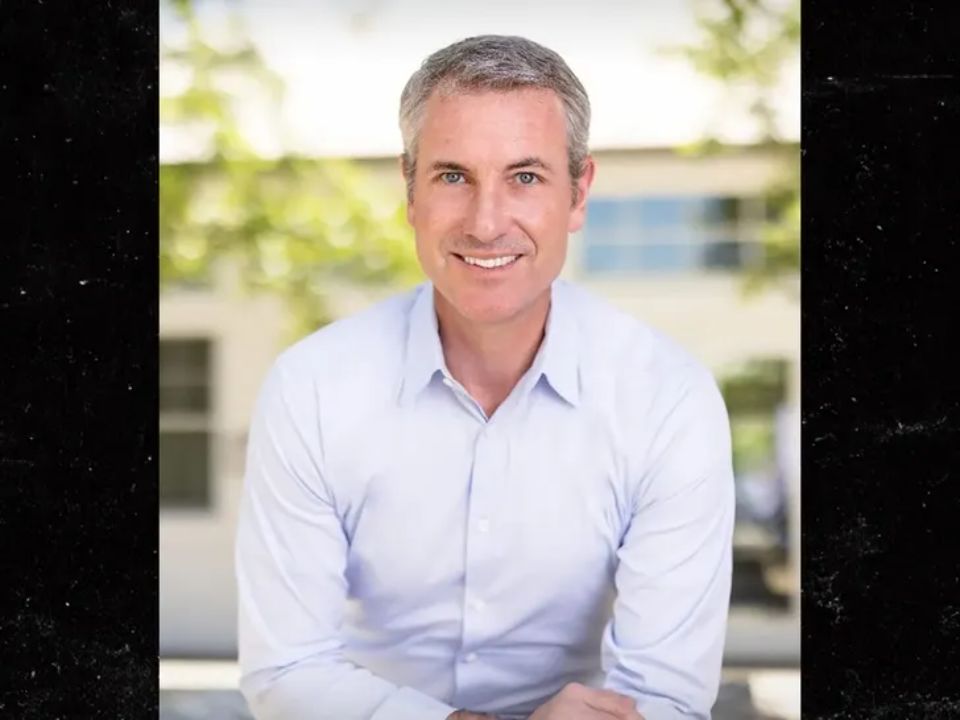
As of 2026, the estimated net worth of Asan Andy—the digital creator and influencer widely recognized for his presence on platforms like YouTube and Instagram—reflects a diversified portfolio built through content creation, brand partnerships, and community engagement. While precise private financial statements are not public, his valuation is estimated to be between $500,000 and $1.5 million based on industry-standard metrics for creators of his audience size and engagement levels.
The digital creator economy has transformed how influencers like Asan Andy monetize their reach. Unlike traditional employment, which relies on a single salary, his financial health is predicated on a complex ecosystem of recurring revenue streams and one-off opportunities. Understanding this net worth requires a deep dive into how modern content creators structure their businesses, the impact of platform algorithms, and the importance of long-term audience retention.
Understanding Net Worth for Digital Creators
Net worth is fundamentally the total value of an individual’s assets minus their liabilities. For a digital creator, this calculation is significantly more volatile than for a traditional investor. Assets include not just cash in the bank or physical property, but also intellectual property (IP), channel equity, and the valuation of the brand they have cultivated.
Liabilities often include production costs, equipment financing, taxes, and the overhead associated with running a professional digital studio. Because digital income can fluctuate based on seasonal ad spending or changes in social media platform algorithms, creators often maintain higher cash reserves than the average professional to mitigate risk.
Valuation Metrics in the Influencer Market
When evaluating the financial standing of a personality like Asan Andy, industry analysts look at several key performance indicators:
- Engagement Rate: A high engagement rate is often more valuable than a high follower count. Brands pay a premium for creators who have the power to move their audience to action.
- Platform Diversification: Creators who operate across YouTube, Instagram, and potential secondary platforms are seen as "safer" assets than those reliant on a single source of traffic.
- Contractual Longevity: Long-term ambassador roles provide a floor for income, whereas singular "one-off" sponsored posts provide less financial predictability.
Primary Income Sources
Asan Andy’s income structure is emblematic of the modern "creator-entrepreneur." His revenue is generally derived from four primary pillars, each contributing to his financial baseline and growth potential.
1. Platform Monetization and Ad Revenue
YouTube remains a foundational pillar for many creators. Through the YouTube Partner Program (YPP), creators earn a portion of the advertising revenue generated by the ads displayed on their videos. This revenue is governed by the CPM (Cost Per Mille) and RPM (Revenue Per Mille) metrics, which are determined by the niche of the content, the geography of the audience, and the current advertiser demand in 2026.
2. Brand Partnerships and Sponsorships
Sponsored content represents the most significant portion of income for most mid-to-high-tier creators. This involves direct partnerships with companies to promote products or services. In 2026, the market has shifted toward "integrated storytelling," where sponsors prefer creators who can weave a product into their narrative rather than simply performing a cold read of a script. The value of these deals depends on the reach, trust, and alignment between the creator’s persona and the brand’s image.
3. Affiliate Marketing
Affiliate marketing allows creators to earn a commission based on sales generated through unique tracking links. This is often an "evergreen" income source. A video posted months or even years prior can continue to generate small amounts of passive income, provided the content remains relevant. This creates a compounding effect on net worth over time.
4. Direct Audience Monetization
Modern creators often look to reduce their dependence on platforms by moving their audience to direct monetization models. This may include:
- Exclusive Content: Platforms that allow creators to gate content behind a subscription.
- Digital Products: Selling guides, templates, or exclusive access to digital communities.
- Merchandising: Launching physical product lines that align with the creator’s aesthetic or lifestyle niche.
Comparative Overview of Income Streams
The following table breaks down the typical characteristics of the income sources often utilized by content creators in this niche.
| Income Source | Predictability | Scalability | Effort Level |
|---|---|---|---|
| Ad Revenue | Low | High | Medium |
| Brand Deals | Medium | Low | High |
| Affiliate Marketing | High | Medium | Low |
| Digital Products | High | High | High |
Financial Challenges and Operational Costs
Building a net worth as a public figure comes with significant overhead. Asan Andy, like many in his field, must account for expenses that the general public often overlooks. The production quality expected by modern viewers necessitates constant investment in hardware and software.
Professional Overhead
- Equipment Upgrades: Cameras, lighting, high-performance computing, and studio space rental are capital-intensive expenses.
- Support Staff: At a certain level of success, creators often hire editors, thumbnail designers, and managers to handle the administrative load of content production.
- Legal and Financial Management: As income levels rise, so does the complexity of taxes and contract negotiations. Professional accounting and legal counsel are essential to protect the creator’s assets.
Market Volatility
The greatest risk to a digital creator's net worth is "platform risk." If a social media platform changes its algorithm or updates its monetization policies, a creator’s income can drop overnight. To mitigate this, successful creators prioritize building an email list or an independent community hub, essentially moving their audience to "owned" digital real estate rather than "rented" social media space.
Evaluating Personal Brand Equity
A significant portion of a creator's net worth is intangible: Brand Equity. This is the value derived from the public’s perception of the creator. If Asan Andy decides to pivot his career, the trust he has built with his audience acts as a form of capital. This equity allows for successful transitions into new markets, such as starting a business, writing a book, or launching a venture-backed startup.
However, brand equity is fragile. It requires consistent content production and high standards of public behavior. A decline in audience trust or a shift in market trends can lead to a decrease in earning potential, which directly impacts a net worth valuation.
Frequently Asked Questions
Is the net worth of influencers public information?
No. Influencers are private individuals. Estimates published online are derived from industry data, public engagement metrics, and historical trends, but they are rarely verified by the individuals themselves.
Does Asan Andy’s net worth include his equipment and business assets?
Yes. A true net worth calculation for a creator includes all business-related assets, such as studio equipment, intellectual property, and cash held within a business entity, minus any outstanding debt or liabilities.
Why do some sources report vastly different net worth figures?
Most online calculators rely on automated scraping of traffic data. Since these systems cannot see private brand deals or personal investments, they often produce wildly different ranges. Reliable figures are usually those that take into account broader industry benchmarks.
How do creators maintain their income if a platform shuts down?
Successful creators use a "diversified income funnel." By maintaining a presence on multiple platforms and building an email list, they ensure they are not reliant on a single social media company's internal policies.
Are brand deals a reliable long-term source of income?
Brand deals are generally considered "spot income." While they pay well, they are not guaranteed. Creators usually balance these with more stable, recurring revenue models like platform ad shares or subscription services.
What is the biggest factor affecting a creator's financial growth?
Audience retention. A creator who can keep their audience engaged over several years builds a more resilient brand, which allows for higher-paying partnerships and more successful product launches.
Strategic Outlook and Next Actions
For those interested in the financial mechanics of the digital creator economy, it is vital to recognize that Asan Andy’s net worth is a result of calculated consistency rather than overnight success. If you are a creator or an aspiring entrepreneur, the primary takeaway is the importance of diversification.
To improve your own financial position in this space, start by auditing your current income. If you are 100% dependent on one platform, identify at least one "owned" channel (such as a newsletter) where you can communicate with your audience directly. Next, ensure your financial reporting is handled by a professional who understands the specific tax requirements of digital work in your jurisdiction. By treating your content creation as a business enterprise rather than a hobby, you align yourself with the professional standards that drive sustainable long-term growth.