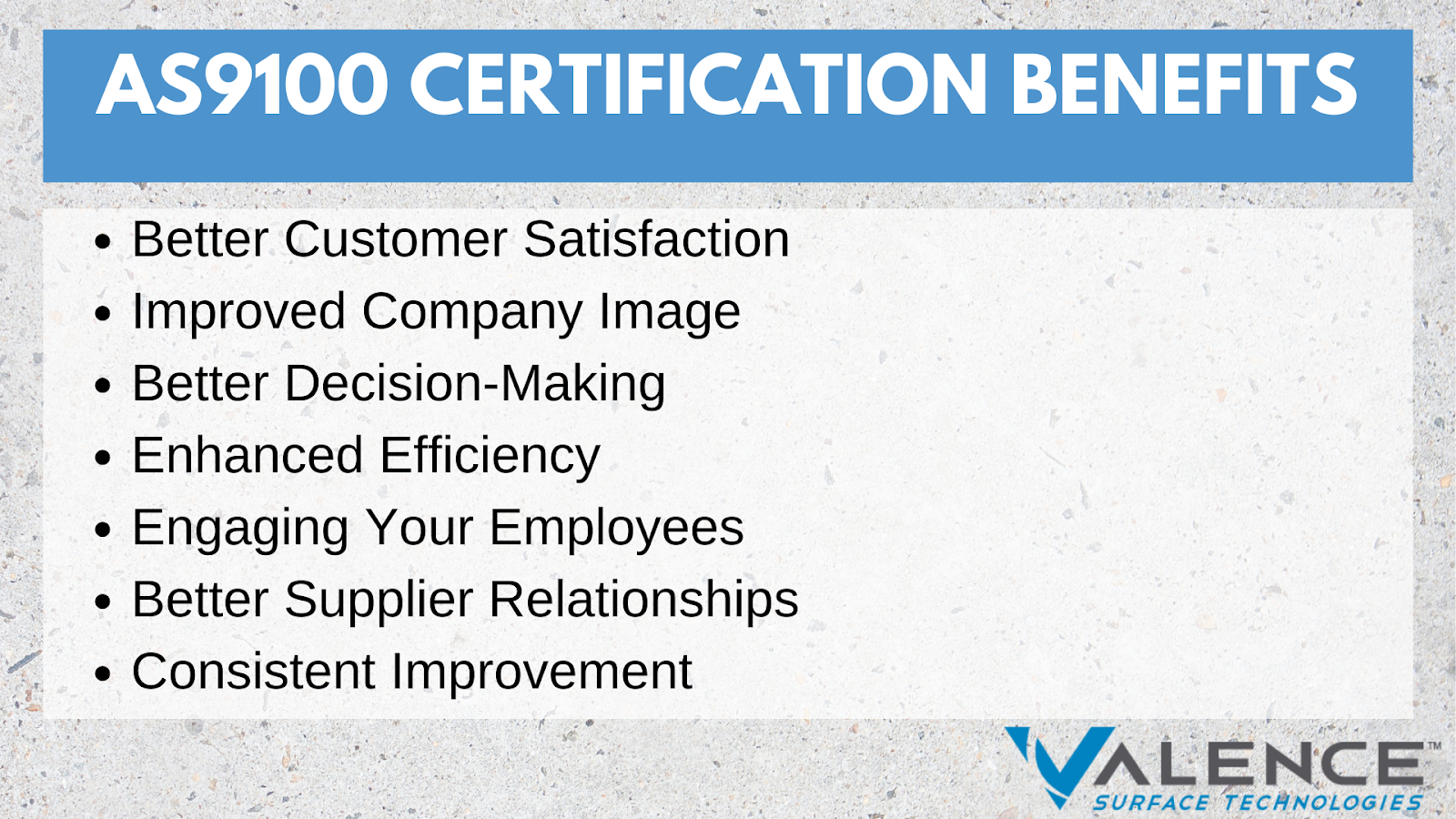
AS9100 Revision D is the current, active standard for Quality Management Systems (QMS) in the aerospace, aviation, and defense industries. It aligns the rigorous demands of aerospace manufacturing with the high-level structure of ISO 9001:2015, emphasizing risk-based thinking, product safety, the prevention of counterfeit parts, and the mitigation of human factors to ensure consistent excellence in complex supply chains.
Understanding the Role of AS9100 Rev D
AS9100 is more than just a certification; it is the industry-standard framework developed by the International Aerospace Quality Group (IAQG). By the year 2026, the global aerospace sector relies on the "D" revision to manage the intricacies of aerospace manufacturing. Unlike a generic quality management system, AS9100 includes specific requirements that address the unique challenges of the industry, such as extreme engineering tolerances, the long lifecycle of components, and the critical nature of flight safety.
The "D" revision was designed to ensure that organizations maintain a robust, process-oriented approach. It integrates the ISO 9001:2015 "High-Level Structure" (HLS), which allows companies to easily integrate other management systems—such as environmental or occupational health standards—while maintaining the strict aerospace-specific controls that define the sector.
Core Pillars of the Current Revision
The efficacy of AS9100 Revision D rests on several fundamental shifts in how organizations must view their operations. These pillars are not merely administrative hurdles; they are operational mandates.
Risk-Based Thinking
The most significant evolution in the current revision is the formalization of risk-based thinking. Organizations can no longer wait for a non-conformity to occur before taking corrective action. Instead, they must proactively identify risks throughout their processes. This involves assessing the likelihood of failure, the severity of the impact, and the steps required to mitigate these threats before they reach the production floor or the customer.
Product Safety
Aerospace entities have a zero-tolerance policy for error. Revision D explicitly requires the implementation of a product safety framework. This forces organizations to define what "safety" means for their specific product scope, communicate those parameters to all employees, and ensure that every stage—from design to final shipping—prioritizes the integrity and safety of the component.
Counterfeit Part Prevention
In a globalized supply chain, the threat of counterfeit components is a major operational risk. AS9100 Revision D mandates strict controls over the sourcing, inspection, and verification of materials. Companies must ensure that their supply chains are transparent and that they have established methods to detect, prevent, and report the presence of counterfeit goods, which could lead to catastrophic failure in the field.
Comparison of QMS Standards
To understand why AS9100 Rev D is uniquely suited to the aerospace industry, it is helpful to compare it to the base ISO 9001:2015 standard from which it evolved.
| Feature | ISO 9001:2015 | AS9100 Revision D |
|---|---|---|
| Primary Scope | Generic Quality Management | Aerospace, Defense, Space |
| Risk Focus | General Business Risk | Operational and Product Risk |
| Counterfeit Parts | Not Addressed | Highly Mandated |
| Human Factors | Minimal Emphasis | Required for Error Reduction |
| Production Controls | Standard Requirements | Extensive Aerospace Specifics |
Implementing AS9100 Revision D: A Roadmap
Transitioning to or maintaining compliance with AS9100 Rev D requires a disciplined, multi-phase approach. It is not a task for the quality department alone; it requires executive leadership engagement.
1. Gap Analysis
The first step is to assess the current state of your quality management system against the requirements of AS9100D. This involves reviewing existing documentation, interviewing stakeholders, and identifying "gaps" where current practices fail to meet the standard’s rigor.
2. Process Mapping and Documentation
The standard requires documentation of the QMS. However, the goal is not to create a massive paper trail, but to document processes that truly represent how work is performed. This includes clear SOPs (Standard Operating Procedures) for design, procurement, manufacturing, and internal auditing.
3. Training and Competency
An organization is only as strong as its least-trained employee. Revision D places a heavy emphasis on human factors. Training programs must focus on why a specific task is important for aerospace safety, ensuring that operators understand the consequences of their actions on final product integrity.
4. Internal Auditing
Regular internal audits are required to verify that the system remains compliant. These audits must be conducted by individuals who have a thorough understanding of the AS9100 standard and, ideally, possess subject-matter expertise in the specific processes being audited.
5. External Certification
When the organization is confident in its system, it must contract an accredited Certification Body (CB). The CB will perform a two-stage audit process: a review of the documentation (Stage 1) and an on-site audit of the actual operations (Stage 2) to ensure the system is effectively implemented.
Common Pitfalls and Troubleshooting
Even mature organizations struggle with maintaining compliance. Avoiding these common traps is essential for a smooth certification process.
- Over-Documentation: Many companies create overly complex systems that are difficult to follow. Compliance is about the effectiveness of a process, not the sheer volume of paperwork. If your procedures are ignored by staff, they are not effective.
- The "Silo" Mentality: Quality management is a cross-functional responsibility. If engineering, purchasing, and manufacturing do not communicate, risks will be overlooked. The QMS should be the "glue" that holds these departments together.
- Ignoring Sub-tier Suppliers: The standard holds you responsible for the quality of your suppliers. If a supplier fails, your company is held accountable. Ensure that your supplier assessment and control program is robust and data-driven.
- Static Risk Registers: A risk register that is created once and never updated is a liability. Risk must be treated as a dynamic, living aspect of the daily management review process.
Human Factors: The Critical Component
The current revision highlights "human factors" as a key element of operational success. This is an recognition that processes often fail not because of mechanical error, but because of human error. Organizations must implement systems that minimize the likelihood of mistakes. This involves ergonomic workplace design, simplified instructions, and a culture that encourages the reporting of errors without fear of reprisal—often called a "Just Culture."
By acknowledging that humans are prone to distraction, fatigue, and stress, companies can design physical and procedural checks that catch errors before they are integrated into an aerospace assembly.
FAQ: AS9100 Revision D
Is AS9100 Rev D mandatory for all aerospace suppliers? While it is not a government-mandated law in every jurisdiction, it is a contractual requirement for almost all major aerospace original equipment manufacturers (OEMs). Without it, you are effectively locked out of the primary aerospace supply chain.
How often does AS9100 change? Historically, revisions happen every 6 to 8 years to align with the evolution of ISO 9001 and emerging industry needs. As of 2026, Revision D remains the gold standard, and no replacement revision has been finalized for immediate adoption.
What is the difference between AS9100, AS9110, and AS9120? AS9100 is for manufacturers, AS9110 is specific to maintenance, repair, and overhaul (MRO) facilities, and AS9120 is for aerospace distributors. While they share the core AS9100 structure, they contain specialized requirements for their specific niches.
What happens if a company fails its surveillance audit? Failure to resolve non-conformities found during a surveillance audit can lead to the suspension or revocation of your certification. This is a critical risk, as most aerospace contracts require an active certificate to maintain vendor status.
Does AS9100 cover cybersecurity? While it doesn't serve as a standalone cybersecurity standard, the risk-based approach of Revision D requires that companies account for information security as a business risk, especially regarding the protection of proprietary designs and supply chain data.
Next Steps for Implementation
To begin your journey toward compliance or to improve your current AS9100 system, perform an objective assessment of your organization’s risk profile. Start by reviewing the official IAQG documentation and, if necessary, engage a qualified consultant to assist in the gap analysis. The most effective systems are those that are integrated into the daily workflow rather than treated as a separate, burdensome requirement. Focus on clarity, consistent training, and active management participation to ensure that your quality system remains a competitive advantage rather than just a certificate on the wall.