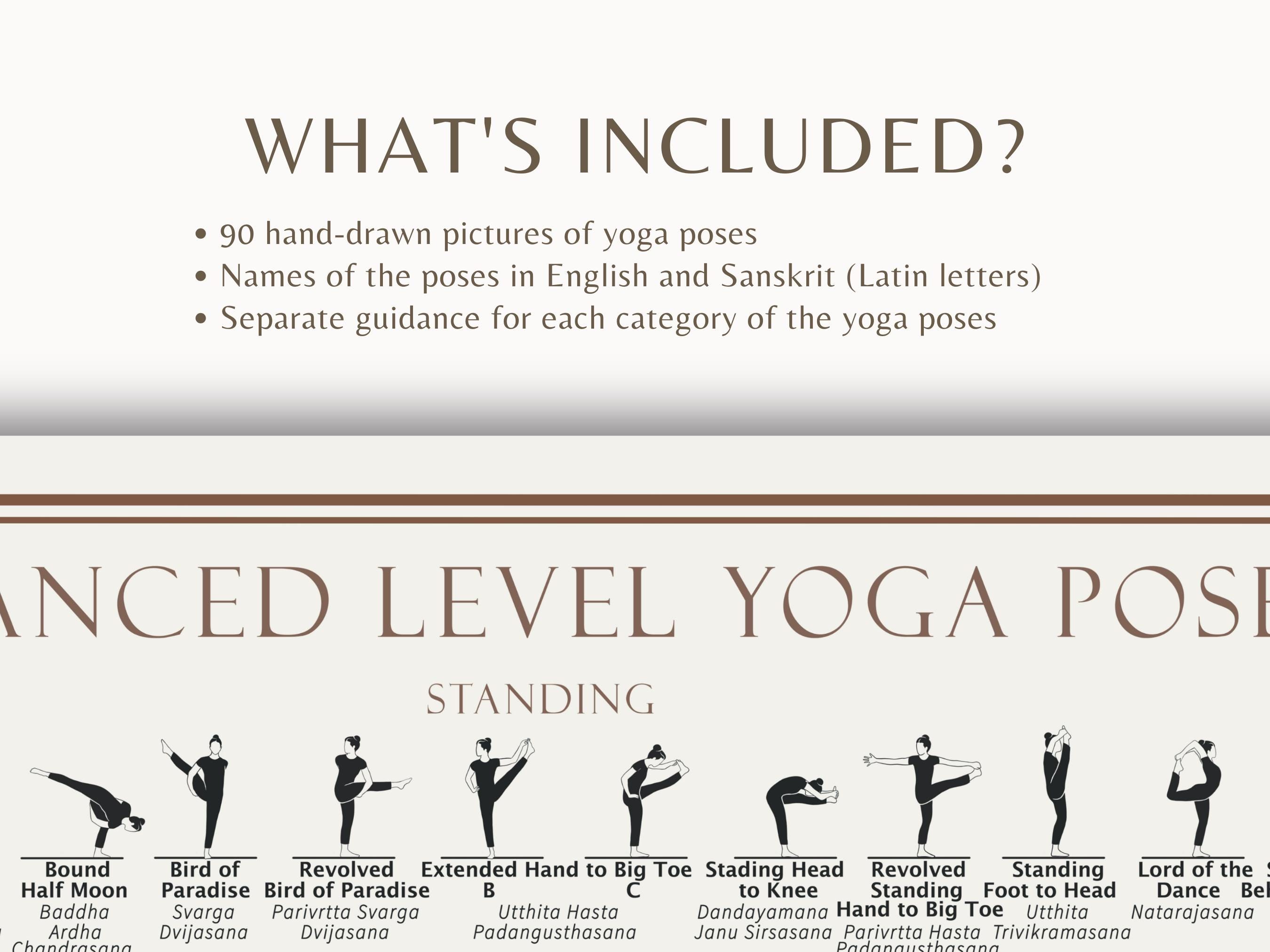
Balancing tradition and modern practice in Hatha yoga requires an intentional integration of ancient physiological frameworks with contemporary biomechanical understanding. Practitioners achieve this equilibrium by prioritizing the traditional cultivation of prana (vital energy) and mental steadiness while utilizing evidence-based alignment principles to ensure physical longevity and safety within the modern anatomical context.
The Foundation: Understanding Traditional Hatha Yoga
Traditional Hatha yoga, as codified in foundational texts like the Hatha Yoga Pradipika and the Gheranda Samhita, was never intended primarily as a fitness regimen. Its primary objective was the refinement of the physical body to act as a vessel for higher states of consciousness. The Sanskrit term Hatha—often translated as "force"—implies a systematic, purposeful approach to balancing opposing energies: Ha (sun) and Tha (moon).
In the traditional sense, asanas (postures) served as a preparation for prolonged seated meditation. These postures were designed to stabilize the body, improve respiration, and clear the energy channels (nadis). When practitioners adopt a traditional mindset, the focus remains on internal sensation (pratyahara), breath regulation (pranayama), and the psychological state rather than the external aesthetic of the pose.
The Modern Evolution of Asana Practice
In the early 21st century, the delivery and intent of Hatha yoga have evolved significantly to meet the needs of a sedentary, information-driven society. Modern practice often emphasizes functional movement, injury prevention, and mobility—areas that were less prioritized in ascetic traditions.
Modern practitioners frequently integrate sports science, physical therapy concepts, and kinesiology into their routines. This shift addresses the reality of the "modern body," which often struggles with chronic tightness in the hip flexors and thoracic spine due to prolonged computer work. While critics argue this "modernization" strips yoga of its spiritual depth, supporters maintain that it makes the practice accessible and sustainable for a wider demographic, effectively bridging the gap between historical intent and physical necessity.
Integrating Tradition with Biomechanics
The challenge for the contemporary student is to maintain the discipline of the traditional lineage while applying scientific rigor to physical performance. Achieving this balance involves several key considerations:
- Alignment vs. Individual Anatomy: Tradition often dictates specific "perfect" alignments for asanas. Modern practice recognizes that individual skeletal morphology—such as the depth of the hip socket (acetabulum)—dictates what a pose should look like for a specific person. Prioritizing anatomy over strict tradition prevents chronic joint stress.
- The Role of the Breath: Tradition asserts that the breath is the bridge between the mind and body. Modern physiological research supports this, showing that slow, diaphragmatic breathing activates the parasympathetic nervous system, lowering cortisol levels. Keeping the breath at the center of the practice serves both the spiritual goals of Hatha and the modern goal of stress reduction.
- Mindfulness as the Baseline: The hallmark of Hatha is presence. Regardless of whether a practitioner uses modern yoga blocks, straps, or specific alignment cues, the practice remains traditional only if the practitioner maintains focused awareness on the internal process rather than just the external goal of "mastering" a pose.
Comparative Framework: Traditional vs. Modern Approaches
| Feature | Traditional Hatha Approach | Modern Practice Approach |
|---|---|---|
| Primary Goal | Energy cultivation and liberation | Mobility, strength, and stress relief |
| Physical Focus | Stability for long-term meditation | Functional movement and pain mitigation |
| Alignment | Standardized, symbolic forms | Individualized, biomechanical alignment |
| Mindset | Surrender and internal observation | Goal-oriented, anatomical awareness |
| Environment | Ascetic/Minimalist | Accessible/Equipped (blocks, straps) |
Prerequisites for a Balanced Practice
Before embarking on a path that balances these two worlds, practitioners must establish a baseline of physical and mental readiness.
First, consult with a qualified medical professional if you have underlying orthopedic conditions. Modern practice is excellent for rehabilitation, but it should not replace specialized physical therapy. Second, establish a "lineage-based" foundation. Study the traditional texts or work with a teacher who is rooted in a recognized tradition. This ensures you do not inadvertently reduce yoga to mere gymnastics, preserving the hatha element of energetic balance.
Strategies for Sustainable Implementation
To integrate these approaches effectively, move away from the "all or nothing" mentality. You do not need to choose between the ancient and the modern.
- Audit Your Intent: Before entering the mat, clarify your goal for the session. If your primary goal is to release physical tension, focus on the modern biomechanical cues. If your goal is to settle the nervous system, prioritize the traditional focus on breath and stillness.
- Modify with Intention: Using props (modern) is not a "failure" of tradition. If using a block allows your spine to remain straight during a seated forward fold (traditional requirement), then the prop is an essential tool for achieving the traditional goal.
- Prioritize Recovery: Traditional Hatha includes Savasana (corpse pose) as a vital period of integration. In 2026, with the high-stress nature of modern professional life, this period of stillness is perhaps more relevant than ever. Do not skip this; it is where the work of the session is internalized.
Common Pitfalls and Troubleshooting
Many practitioners stumble when they attempt to force a traditional pose into a body that is not yet ready, or when they ignore the spiritual framework in favor of chasing "fitness milestones."
- Over-stretching: The modern desire for "flexibility" can lead to ligamentous instability. If you feel pain in the joints rather than a gentle pull in the muscle, you are likely over-extending. Always prioritize joint integrity over depth.
- Ignoring the Breath: If your breath becomes jagged or you find yourself holding it during a challenging balance pose, you have abandoned the Hatha tradition. The breath is the governor; if the breath fails, the pose should be modified until it returns to a rhythmic, steady state.
- Comparison Trap: Modern media often promotes "peak poses." Remember that these are often performances, not typical practice. Your practice should reflect your unique anatomy and needs, not the images seen in digital media.
Frequently Asked Questions
How do I know if I am practicing "Hatha" or just a modern fitness class? A Hatha class typically emphasizes holding poses for longer durations with a focus on alignment and breath. If your class is purely rhythmic, fast-paced, and lacks periods of stillness, it is likely a modern derivative like Vinyasa. You can reclaim the Hatha element by integrating intentional, slow-paced breath work and mindfulness into any physical flow.
Is it necessary to read ancient texts to practice Hatha? While not mandatory, reading texts like the Hatha Yoga Pradipika provides context that transforms the practice from a workout into a discipline. Understanding the "why" behind the poses increases your engagement and helps you distinguish between traditional purpose and modern trend.
Can I combine modern recovery tools with traditional yoga? Yes. Techniques such as myofascial release (using foam rollers) can effectively prepare the tissues for deeper asana practice. View these as modern support systems that allow you to reach the states of meditation described in traditional yoga more efficiently.
How often should I practice to see benefits? Consistency outweighs intensity. A daily 20-minute practice that integrates both breath work and movement is more beneficial for long-term health and mental clarity than a single two-hour weekly session.
What if I cannot reach the "final" version of a pose? The "final" version is a modern invention. In the traditional context, the pose is wherever you can maintain steady breath and a focused mind. If you are breathing deeply and remain present, you are successfully practicing Hatha, regardless of how your body appears in the mirror.
The Path Forward
Achieving a balance between the timeless traditions of Hatha and the requirements of a modern lifestyle is a dynamic process, not a destination. By viewing modern anatomy and safety protocols as tools to protect the vessel, and traditional mindfulness and breath as the fuel for the spirit, you create a sustainable, lifelong practice. Use your mat as a space for self-inquiry, where the wisdom of the past informs the needs of the present, allowing you to cultivate a state of equilibrium that extends far beyond the duration of your daily practice.