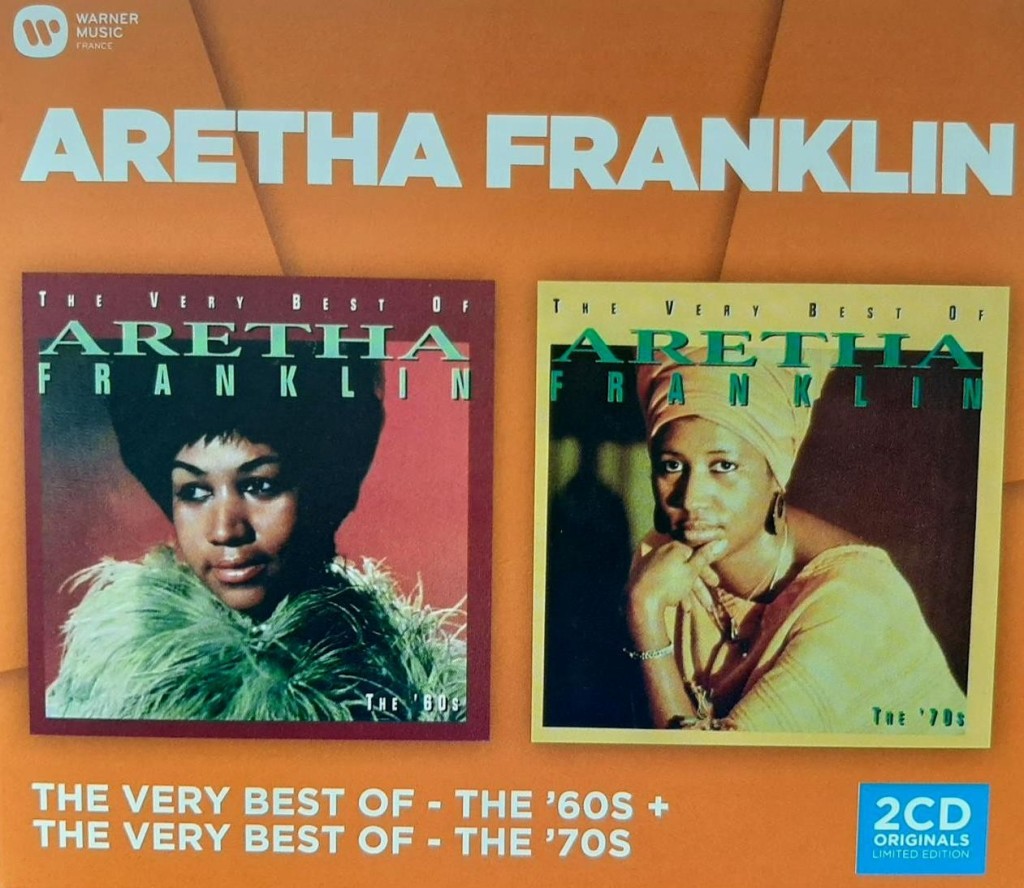
The 1970s represented a profound period of artistic evolution for Aretha Franklin, defined by her transition from the raw, gospel-infused soul of the 1960s to a more polished, disco-influenced, and experimental sound. Despite facing challenges from shifting musical tides and a changing industry landscape, Franklin maintained her status as the "Queen of Soul" through strategic diversification, collaborations, and an unwavering vocal mastery that adapted to the era's emerging production styles.
The Foundation: Transitioning from the Sixties Soul Explosion
To understand Aretha Franklin’s trajectory in the 1970s, one must first recognize the sheer dominance she exerted during the latter half of the 1960s. After signing with Atlantic Records in 1967, Franklin—under the guidance of producer Jerry Wexler—delivered a string of hits that redefined R&B. By the time the calendar turned to 1970, the musical environment was beginning to fracture. The psychedelic era was fading, and the industry was moving toward more complex studio arrangements and the burgeoning sounds of funk and disco.
Franklin began the decade by leaning into this shift. The 1970 album This Girl's in Love with You and the subsequent Spirit in the Dark demonstrated an artist willing to incorporate contemporary pop sensibilities without abandoning her gospel roots. Unlike many of her peers who struggled to navigate the changing tastes of the public, Franklin approached the 70s not as a rigid performer, but as an interpreter of American music who could synthesize pop, blues, gospel, and eventually dance music into a cohesive identity.
Strategic Shifts: The Move Toward Production Sophistication
A major "shift" in Franklin’s 70s career was her increased involvement in the production and arrangement process. While she had always been a skilled pianist and songwriter, the 70s saw her exerting greater control over the direction of her albums.
Adapting to the Studio Aesthetic
The early 1970s saw a rise in the "producer-as-auteur" model. Franklin responded by collaborating with a broader range of musical voices, most notably Quincy Jones on the 1973 album Hey Now Hey (The Other Side of the Sky). This collaboration was a surprise to many critics and fans, as it pushed her away from the stripped-back, Muscle Shoals-inspired sound that had defined her previous hits. The album’s experimental nature, featuring unconventional song structures, proved that Franklin was not content to repeat the formulas that had made her a star in the late 60s.
The Gospel Return: Amazing Grace
In 1972, Franklin made the definitive "surprise" move of the decade: she returned to her roots. Recording the live album Amazing Grace at the New Temple Missionary Baptist Church in Los Angeles served as both a cultural milestone and a commercial triumph. It reminded the music world that, regardless of her foray into pop or disco, her primary instrument remained rooted in the church. This album remains the best-selling gospel record of all time, proving that her audience was not just interested in her as a pop star, but as a visceral, spiritual conduit.
Navigating the Disco Era: Late 70s Adjustments
As the mid-70s gave way to the late-decade disco explosion, many soul artists found themselves marginalized by radio formats that demanded high-tempo, four-on-the-floor dance beats. Franklin’s late-70s output, such as the 1976 album Sparkle—produced by Curtis Mayfield—showcased her ability to integrate funk elements without losing her melodic identity.
Commercial Realities and Industry Friction
By 1978, the shift toward disco became almost mandatory for mainstream survival. Franklin’s Almighty Fire (1978) and La Diva (1979) are often categorized by critics as the most turbulent years of her tenure at Atlantic. These albums reflect an artist working under significant pressure to modernize. While these records are sometimes viewed as outliers, they represent a vital aspect of the 70s narrative: the pressure on legacy artists to remain commercially viable in an era of rapid technological and stylistic turnover.
Technical Analysis of Franklin’s 70s Discography
When evaluating the shift in her sound, the evolution of her recording techniques is critical. The following table illustrates the varied sonic approaches Franklin utilized throughout the decade.
| Album Year | Title | Primary Genre/Focus | Production Influence |
|---|---|---|---|
| 1970 | This Girl's in Love with You | Soul/Pop | Jerry Wexler (Traditional R&B) |
| 1972 | Amazing Grace | Gospel | Live (Church Environment) |
| 1973 | Hey Now Hey | Experimental/Pop | Quincy Jones (Orchestral/Pop) |
| 1976 | Sparkle | R&B/Funk | Curtis Mayfield (Soul/Funk) |
| 1979 | La Diva | Disco/Dance | Van McCoy (Studio-heavy) |
This progression demonstrates that Franklin was never a static entity. The "shifts and surprises" of the 1970s were, in fact, a reflection of her versatility. She moved from the organic, band-oriented sessions of the early decade to the highly produced, arrangement-dense sessions required by the dance-music era.
Overcoming Challenges: The Persistent Voice
Despite the creative risks and commercial fluctuations, Franklin's vocal performance throughout the decade remained world-class. Her ability to navigate complex arrangements while delivering emotionally resonant performances never wavered.
One of the most persistent challenges she faced was the evolution of radio programming. As "Soul" radio transitioned into "Urban Contemporary," and eventually into the fragmented genres of the 80s, Franklin had to contend with the fact that her younger, newer counterparts were being prioritized by label executives. However, her resilience during this period set the stage for her eventual resurgence in the 1980s. She proved that a legacy artist could navigate the "surprise" of changing trends by constantly testing new sonic environments, even when those environments did not lead to immediate chart-topping success.
Frequently Asked Questions
Why is the 1970s considered a transformative decade for Aretha Franklin?
The 1970s forced Franklin to evolve beyond the "Southern Soul" sound of the 1960s. She had to navigate the rise of disco, the decline of traditional R&B airplay, and the demand for higher production values, leading to a decade of experimentation with pop, gospel, and funk.
How did the album Amazing Grace impact her 70s trajectory?
Amazing Grace served as a critical anchor. By returning to gospel in 1972, she reaffirmed her musical foundations, which provided her with the artistic credibility to continue experimenting with pop and disco throughout the rest of the decade without losing her core identity.
Did Aretha Franklin struggle with the rise of disco?
Like many soul artists of the era, the transition to disco in the late 70s was difficult. Albums like La Diva show an artist trying to adapt to a high-tempo, producer-driven sound that was vastly different from the emotive, vocal-focused ballads that made her a superstar.
How did her collaboration with Curtis Mayfield change her sound?
Collaborating with Curtis Mayfield for the Sparkle soundtrack allowed Franklin to tap into the "blaxploitation" soul and funk movement. It brought a grittier, more socially conscious, and rhythmically complex edge to her music that was distinct from her earlier Atlantic records.
Was the 1970s a period of commercial decline for her?
While she experienced fewer number-one hits than in the late 1960s, it was not a decline in talent or artistic output. The decade was a period of diversification where she maintained her relevance through experimentation, which is common for legacy artists during periods of massive industry shifts.
Practical Next Steps for Listeners
To truly understand the "shifts and surprises" of Aretha Franklin’s 1970s, listeners should approach her catalog chronologically rather than by greatest hits. Begin by listening to Spirit in the Dark (1970) to hear the tail end of her classic soul period, followed by Amazing Grace (1972) to hear the purity of her gospel craft. Finally, compare these to the production-heavy Sparkle (1976). This progression highlights the technical and stylistic leaps she made as she navigated one of the most unpredictable decades in music history.