Argan oil provides essential fatty acids and Vitamin E to deeply hydrate the cuticle and nail bed. By strengthening the keratin structure and sealing in moisture, it prevents brittleness, peeling, and cracking. Regular application promotes healthy nail growth and protects against environmental stressors, serving as a premier natural solution for long-term nail health.
The Science of Nail Health and the Role of the Cuticle
To understand why argan cuticle oil is so effective in 2026, we must first examine the biological structure of the nail. The nail is composed of layers of a toughened protein called keratin. While the nail plate itself is dead tissue, the area surrounding it—the nail matrix and the cuticle—is very much alive and requires constant nourishment.
The cuticle serves as the body's natural seal, protecting the nail matrix (where new nail growth occurs) from bacteria, fungi, and environmental pollutants. When the cuticle becomes dry, it loses its elasticity and begins to pull away from the nail plate, creating microscopic tears. These tears not only cause painful hangnails but also allow moisture to escape from the nail plate, leading to the brittle, "snapping" effect many people experience.
Argan oil, often referred to as "liquid gold," is uniquely suited to address these issues. Derived from the kernels of the argan tree (Argania spinosa) native to Morocco, its molecular structure allows for deep penetration into the lipid layers of the skin and the porous surface of the nail plate. Unlike synthetic mineral oils that sit on top of the skin, argan oil integrates with the skin's natural oils to reinforce the barrier function of the cuticle.
The Nutrient Profile: Why Argan Oil Stands Out
As we evaluate nail care options in 2026, the preference for single-ingredient or minimally processed natural oils has surged. Argan oil’s efficacy is rooted in its complex chemical composition, which includes a high concentration of beneficial compounds that work synergistically.
Vitamin E (Tocopherols)
Argan oil is exceptionally high in Vitamin E, containing nearly double the amount found in olive oil. Tocopherols are powerful antioxidants that neutralize free radicals, which are unstable molecules that damage cells. In nail care, Vitamin E helps to repair damaged cuticles and prevents the yellowing of the nail plate caused by oxidative stress or frequent polish use.
Essential Fatty Acids (EFAs)
Approximately 80% of argan oil consists of unsaturated fatty acids, primarily oleic acid (Omega-9) and linoleic acid (Omega-6).
- Oleic Acid: Acts as a "permeability enhancer," helping the oil and other nutrients sink deeper into the skin and nail.
- Linoleic Acid: An essential building block for the skin’s moisture barrier. It helps to soothe inflammation around the nail fold, which is crucial for those suffering from chronic dryness or eczema-prone hands.
Squalene and Sterols
Argan oil contains squalene, a lipid that is naturally produced by our skin cells but decreases as we age. By replenishing squalene levels, argan oil helps maintain the flexibility of the nail. Additionally, plant sterols (schottenol and spinasterol) provide anti-inflammatory benefits that can help heal minor cuts or irritations around the nail bed.
Mechanical Benefits: How Natural Moisture Creates Strength
A common misconception is that "hard" nails are "strong" nails. In reality, healthy nails must be flexible. If a nail is too hard and lacks moisture, it will shatter or crack under pressure. Argan oil provides the "natural moisture" necessary to maintain this flexibility.
When argan oil is applied to the nail, it fills the microscopic gaps between the keratin cells. This creates a smoother nail surface and prevents the layers of keratin from separating (delamination). By keeping the nail hydrated, the oil ensures that the nail can bend slightly when struck against a hard surface rather than breaking. This is the hallmark of true nail strength.
Step-by-Step Guide to Applying Argan Cuticle Oil
For maximum efficacy, the application of argan oil should be intentional. In 2026, many professional manicurists recommend a "night-time saturation" technique to allow the oil to work without being washed away by daily activities.
- Preparation: Ensure your hands are clean and slightly damp. Water helps the oil spread more evenly and can be "locked in" by the oil’s occlusive properties.
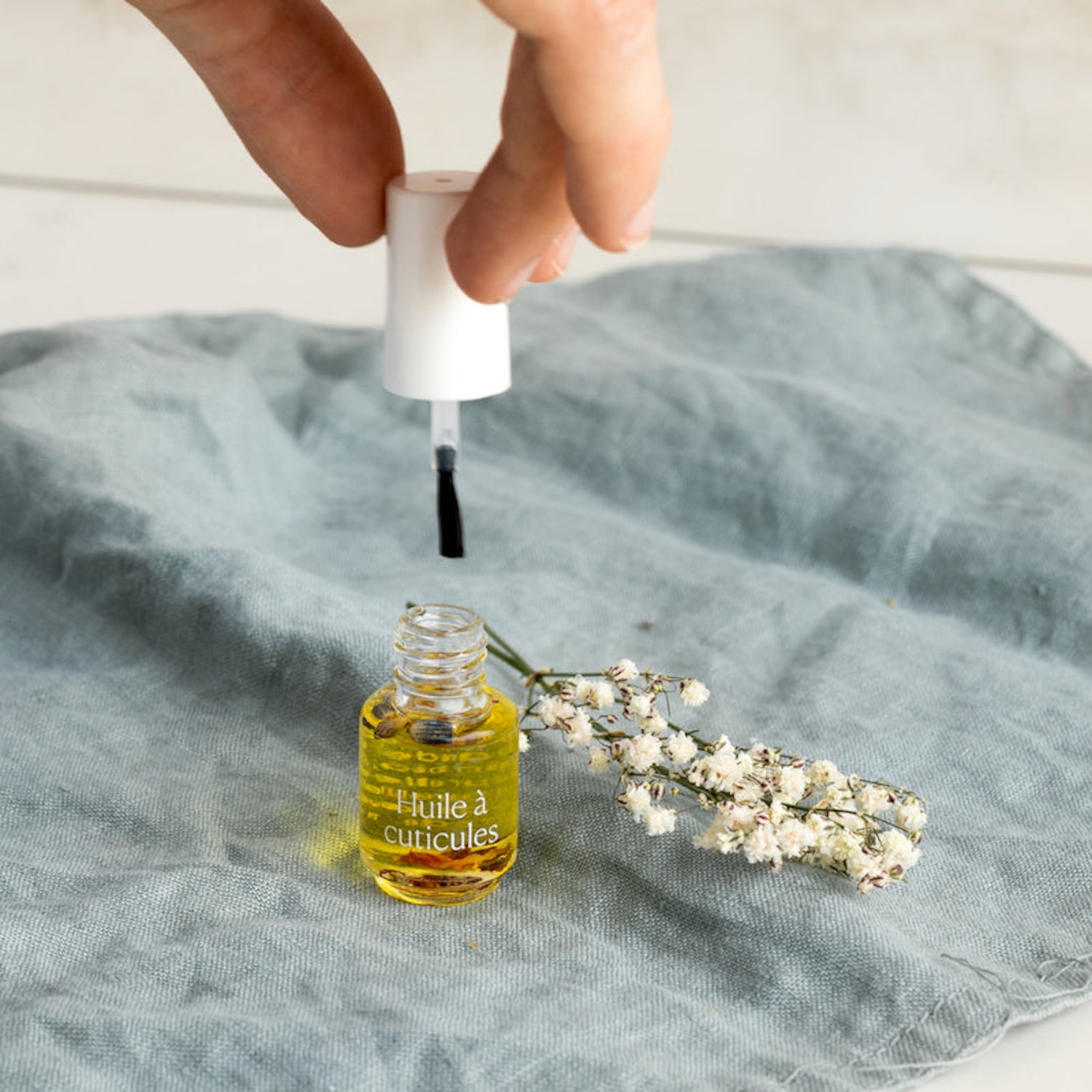
- Application: Using a dropper or a brush, apply a small drop of 100% pure argan oil to the base of each nail.
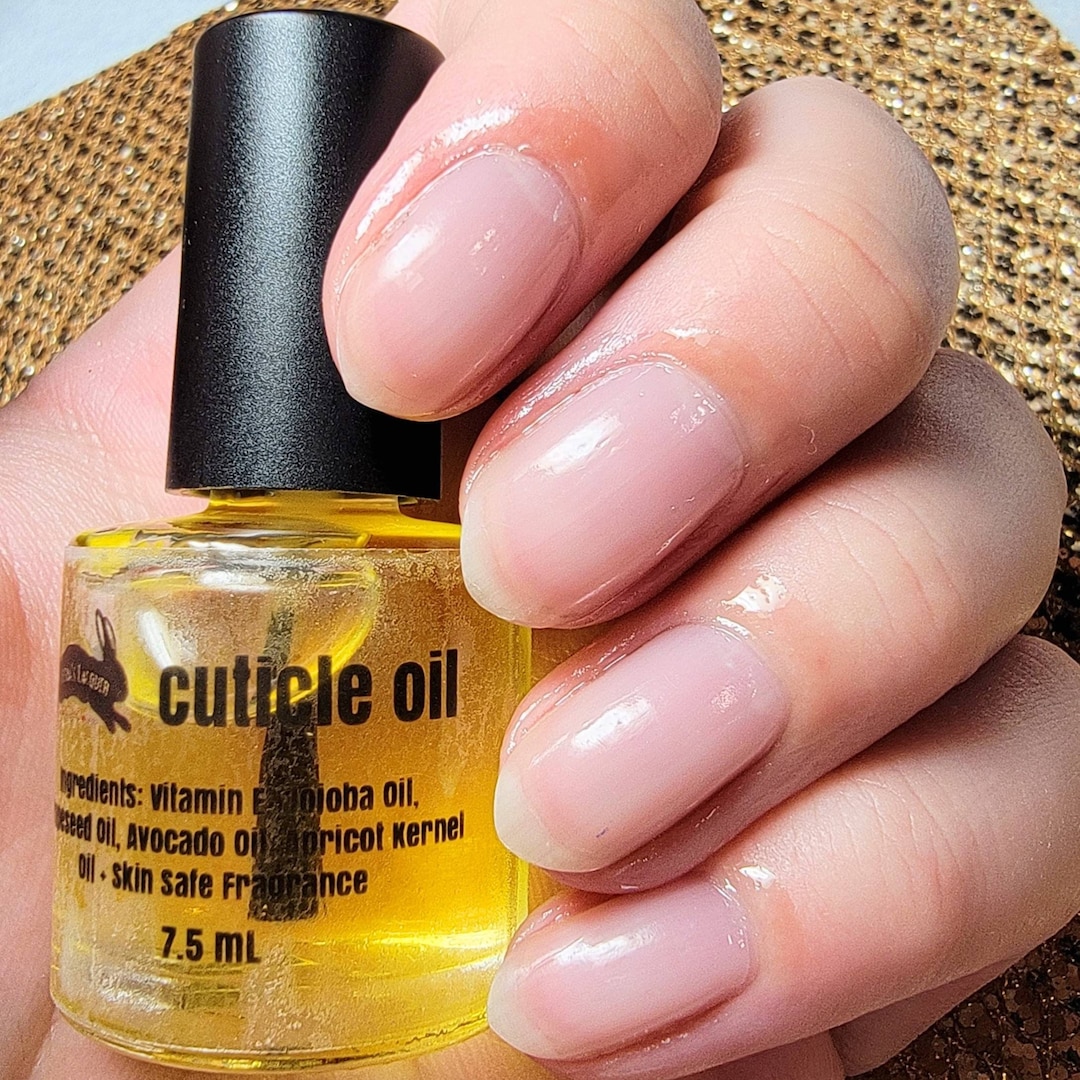
- The Massage: This is the most critical step. Use your thumb to massage the oil into the cuticle and the entire nail plate using circular motions. This stimulates blood flow to the nail matrix, which encourages faster and healthier nail growth.
- The Underside: Don't forget to apply a small amount of oil under the free edge of the nail (the part that extends past your fingertip). This prevents the nail from curling and becoming brittle at the tips.
- Frequency: For those with severely damaged nails, application should occur twice daily. For maintenance, once every evening before bed is sufficient.
Comparing Argan Oil to Other Popular Cuticle Oils
While many oils are used in nail care, their fatty acid profiles and absorption rates vary significantly. The following table provides a comparison based on clinical observations and common industry standards as of 2026.
| Oil Type | Key Nutrient | Absorption Rate | Primary Benefit |
|---|---|---|---|
| Argan Oil | Vitamin E & Linoleic Acid | Medium-Fast | Deep repair and long-term strength |
| Jojoba Oil | Wax Esters | Very Fast | Closest to natural sebum; excellent for hydration |
| Sweet Almond Oil | Vitamin A & E | Medium | Soothing for sensitive or irritated skin |
| Coconut Oil | Lauric Acid | Slow | Antibacterial properties; heavy occlusive |
| Olive Oil | Oleic Acid | Slow | Intense moisture for extremely dry, thick skin |
While Jojoba oil is often cited for its fast absorption, argan oil is frequently preferred for its higher antioxidant content and its ability to not only hydrate but also provide the nutrients necessary for keratin repair.
Addressing Common Nail Issues with Argan Oil
Peeling and Delamination
Peeling usually occurs when the nail is exposed to harsh chemicals or frequent water submersion. Argan oil acts as a hydrophobic barrier. By applying it before doing dishes or using cleaning agents, you can prevent water from entering the keratin layers and causing them to swell and contract, which leads to peeling.
Slow Growth
While genetics largely determine growth speed, a malnourished nail matrix will produce thinner, slower-growing nails. The circulation-boosting massage combined with the nutrient density of argan oil ensures the matrix has the "fuel" it needs to produce a robust nail plate.
Ridges and Surface Irregularities
Vertical ridges are often a sign of aging or chronic dryness. While argan oil cannot "fill" these ridges like a cosmetic polish, it can soften their appearance over time by hydrating the nail plate and preventing the ridges from becoming deeper and more prone to splitting.
Verification of Purity: What to Look for in 2026
Not all argan oils are created equal. To ensure you are getting the "natural moisture" promised, you must verify the quality of the product.
- Ingredients List: The only ingredient should be Argania Spinosa Kernel Oil. Avoid products that contain "fragrance," "paraffinum liquidum," or "silicones," as these can block the oil's ability to penetrate the nail.
- Color and Scent: Pure argan oil has a pale golden hue and a faint, nutty aroma. If it is clear or has no scent, it may have been overly refined, which strips away many of the beneficial tocopherols.
- Packaging: Argan oil is light-sensitive. It should always be sold in dark amber or cobalt blue glass bottles. Plastic packaging can leach chemicals into the oil over time, especially in warmer climates.
- Certification: Look for organic certifications (such as USDA Organic or ECO-CERT). These ensure that the oil was extracted without the use of harsh chemical solvents like hexane.
The Impact of Lifestyle on Argan Oil Efficacy
While argan oil is a powerful tool, its effectiveness is enhanced by healthy lifestyle choices. In 2026, holistic beauty emphasizes that external treatments work best when supported internally.
- Hydration: Drinking sufficient water ensures that the cells in the nail matrix are hydrated from the start.
- Diet: Biotin, zinc, and iron are essential for nail strength. Combining a nutrient-rich diet with topical argan oil provides a two-pronged approach to nail health.
- Protection: Even with argan oil, wearing gloves when using harsh detergents or gardening is necessary to prevent physical trauma to the cuticles.
Potential Limitations and Troubleshooting
While argan oil is generally safe for all skin types, there are a few considerations:
- Nut Allergies: Although argan is a "drupe" (a fruit with a stone), those with severe nut allergies should perform a patch test on a small area of skin before applying it to all ten nails.
- Over-application: If your fingertips feel greasy for more than 10 minutes after application, you are likely using too much oil. Only a tiny drop is needed for each hand.
- Fungal Infections: While argan oil has some anti-fungal properties, it is not a replacement for medical-grade treatments. If you suspect a fungal infection (indicated by thickening, yellowing, or debris under the nail), consult a healthcare provider. According to the American Academy of Dermatology, persistent nail changes should always be evaluated by a professional.
Frequently Asked Questions
Can argan oil repair a nail that is already split?
Argan oil cannot physically "glue" a split nail back together, as the nail plate is dead tissue. However, it can soften the surrounding area to prevent the split from snagging and tearing further. Its primary role is preventative; by keeping the nail flexible, it prevents future splits from occurring.
How long does it take to see results from using argan cuticle oil?
You will notice an immediate improvement in the appearance of your cuticles—they will look hydrated and less "ragged." For the nail plate itself, it takes about three to six months to see the full benefits, as this is the time required for a new nail to grow from the matrix to the free edge.
Is it better to use argan oil on bare nails or over polish?
You can use argan oil over polish to keep the cuticles hydrated, but for the most significant impact on nail strength, it should be applied to bare nails. This allows the oil to penetrate the keratin layers of the nail plate directly. If you wear gel or acrylics, argan oil is essential for keeping the natural nail underneath from becoming excessively dry and brittle.
Will argan oil make my nails grow faster?
Argan oil does not chemically speed up the biological rate of nail growth. However, by moisturizing the nail and preventing breakage and chipping at the ends, it allows you to retain the length you do grow. Furthermore, the massage involved in application improves blood flow, which supports the health of the growth matrix.
Can I use culinary argan oil for my cuticles?
Culinary argan oil is made from roasted kernels, which gives it a stronger flavor but can degrade some of the heat-sensitive nutrients beneficial for the skin. For nail care, always choose "cosmetic grade" argan oil, which is cold-pressed from unroasted kernels to preserve the maximum amount of Vitamin E and essential fatty acids.
Recommendation for Next Actions
To begin your journey toward stronger nails in 2026, start by incorporating a 100% pure, cold-pressed argan oil into your nightly routine. For the first 30 days, focus on the "massage" aspect of application to stimulate the nail matrix. Pair this topical treatment with a high-quality hand cream to seal in the oil. If you currently have artificial nails or use gel polish, apply the oil twice daily to counteract the dehydrating effects of the removal process. Consistency is the most important factor in natural nail care; dedicated use of argan oil will yield a noticeable difference in flexibility and resilience within one full nail-growth cycle.