Calculating the time difference between the United States and the United Kingdom involves managing a range of five to ten hours, depending on the specific US region and the time of year. For most of the year, Eastern Time is 5 hours behind the UK, while Pacific Time is 8 hours behind. These differences fluctuate during the "shoulder periods" in March and October/November when the two nations transition into and out of Daylight Saving Time on different schedules.
Understanding the synchronization between American time zones and the UK is a fundamental requirement for international business, digital nomadism, and personal communication. Because the United States spans a vast continent and the UK operates on a unified national time, the complexity lies not in the UK's clock, but in the geographic diversity of the American landscape. In 2026, as global connectivity continues to tighten, mastering these offsets is essential for avoiding missed deadlines, late-night meetings, and travel mishaps.
The Foundation of Global Time: GMT and UTC
Before comparing specific zones, it is necessary to establish the baseline: Coordinated Universal Time (UTC) and Greenwich Mean Time (GMT). While often used interchangeably in casual conversation, they serve different roles. GMT is a time zone used by the UK and several countries in Africa and Western Europe during the winter months. UTC is the high-precision atomic time standard upon which the world’s clocks are regulated.
The UK operates on Greenwich Mean Time (GMT) from the last Sunday in October until the last Sunday in March. During the summer months, the UK moves to British Summer Time (BST), which is UTC+1.
In contrast, the United States is divided into several primary time zones, each with its own offset from UTC. To determine the time difference to the UK, one must first identify the specific US zone and then account for whether both regions are currently observing "standard" time or "daylight" time.
Primary North American Time Zones
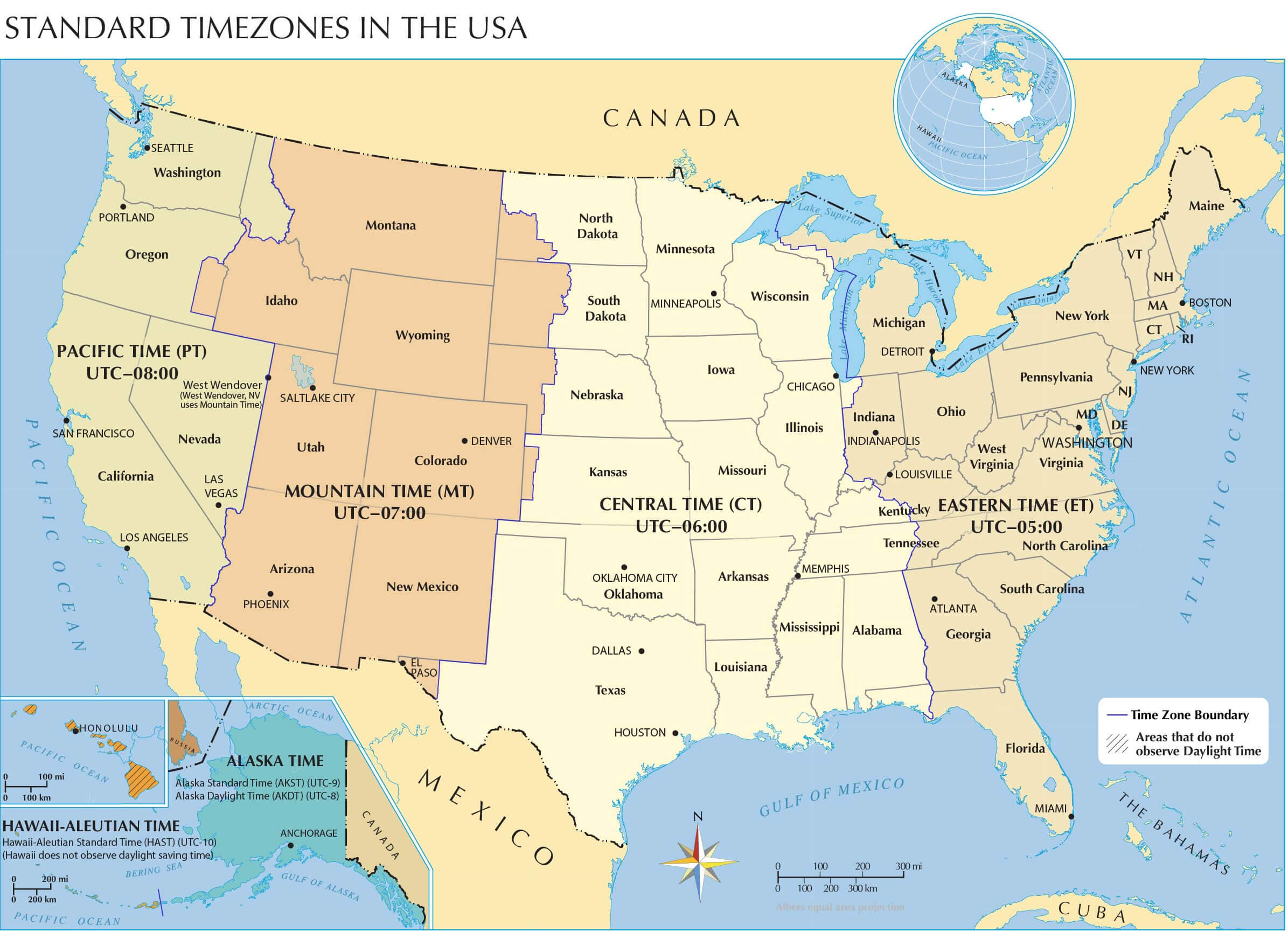
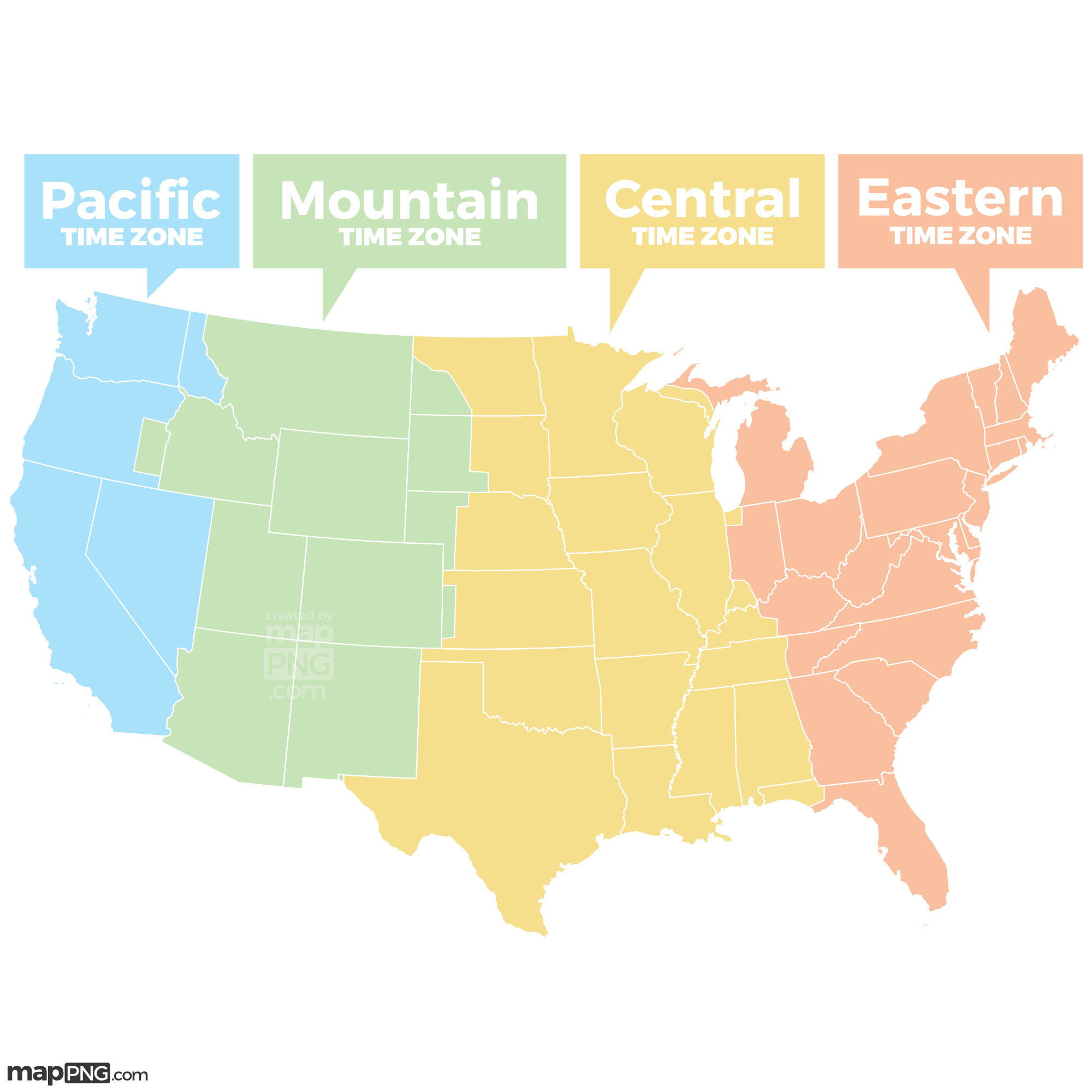
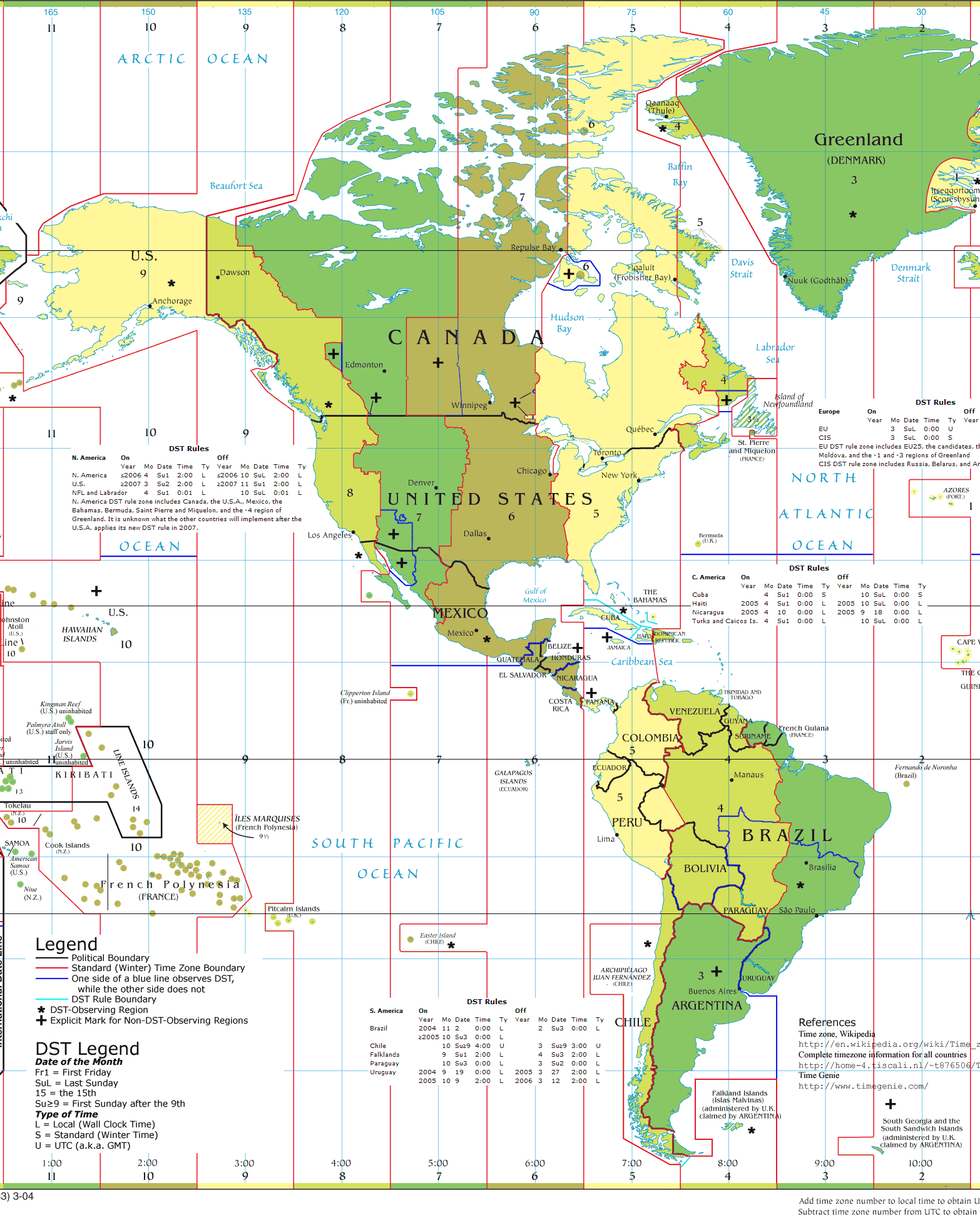
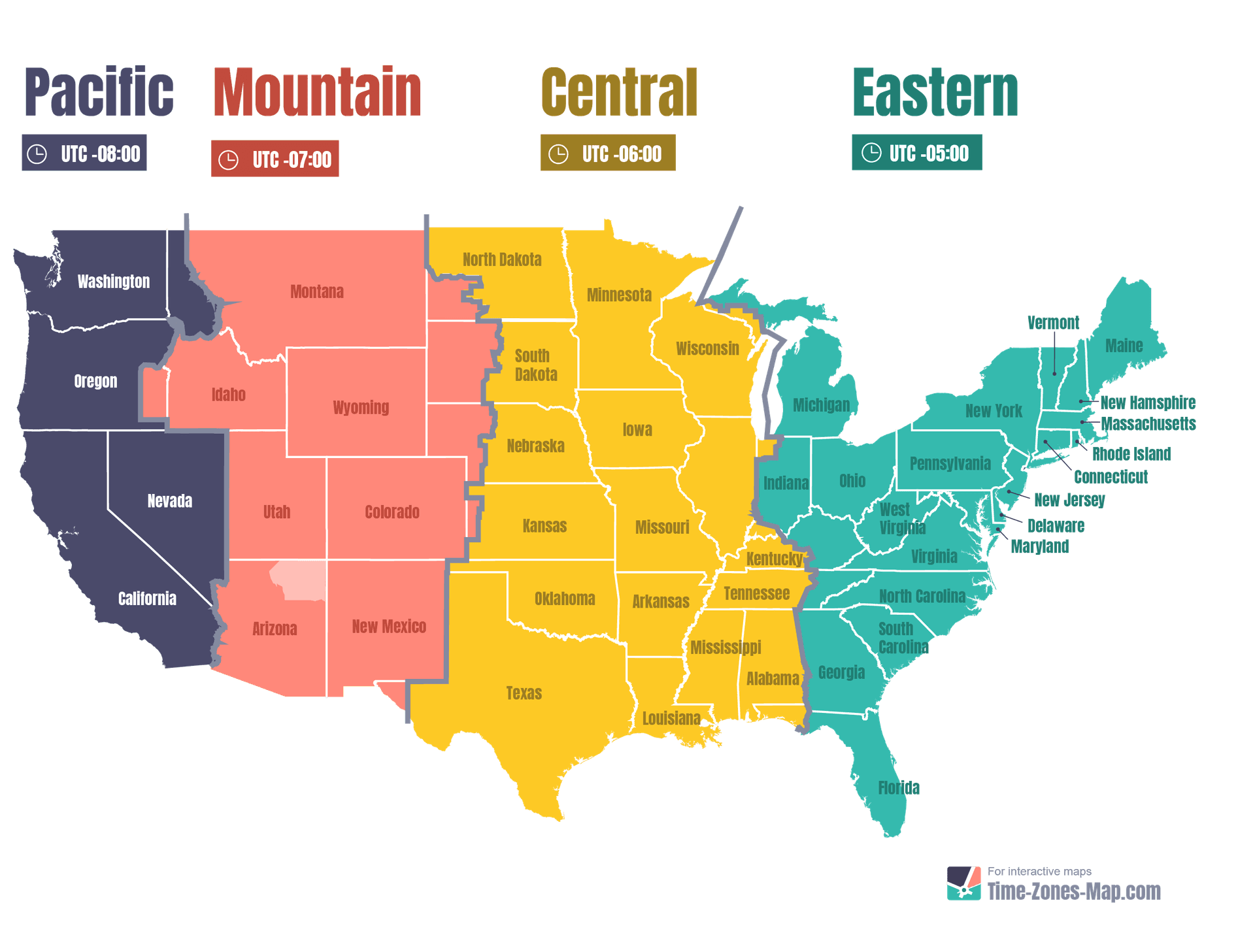
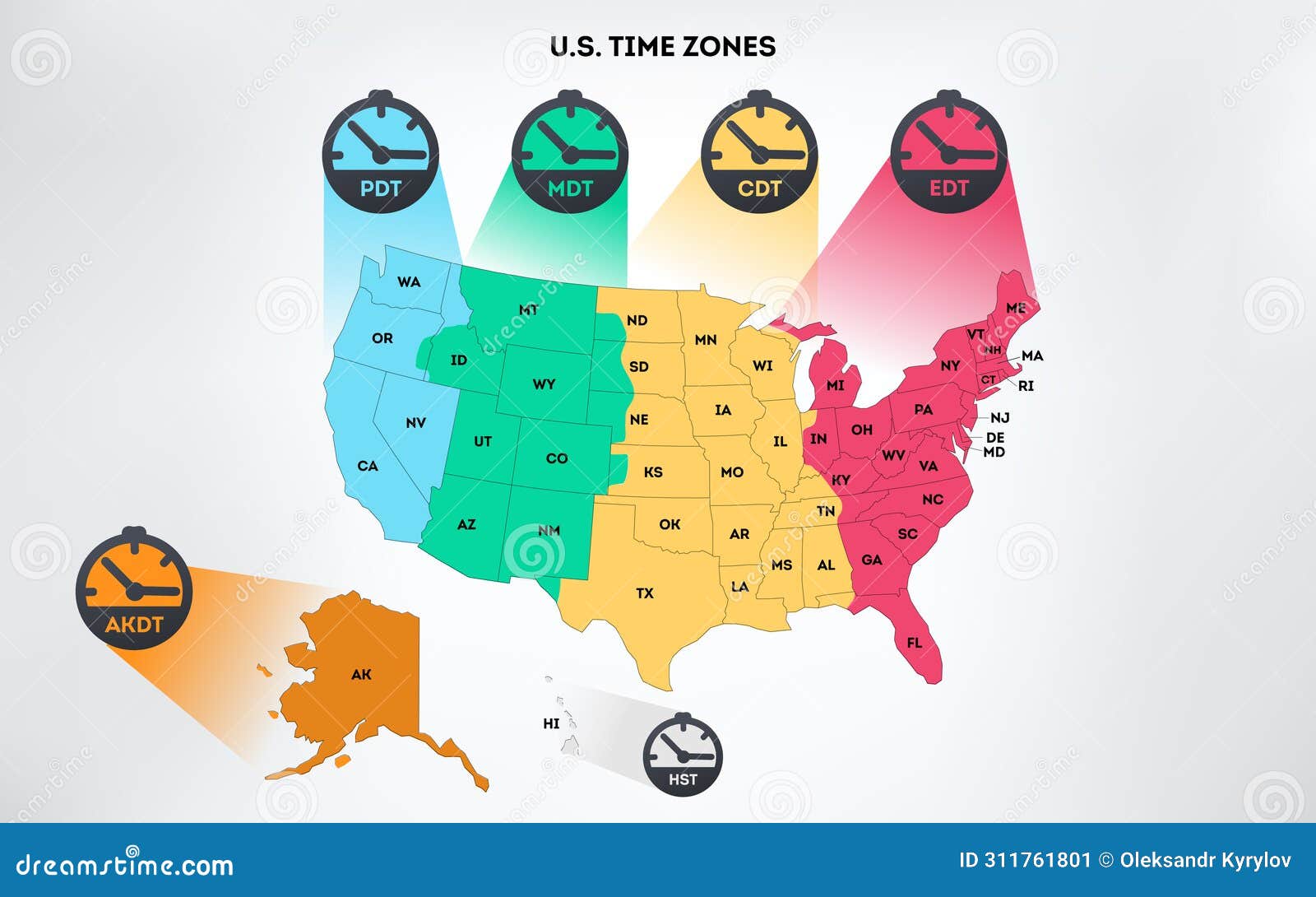
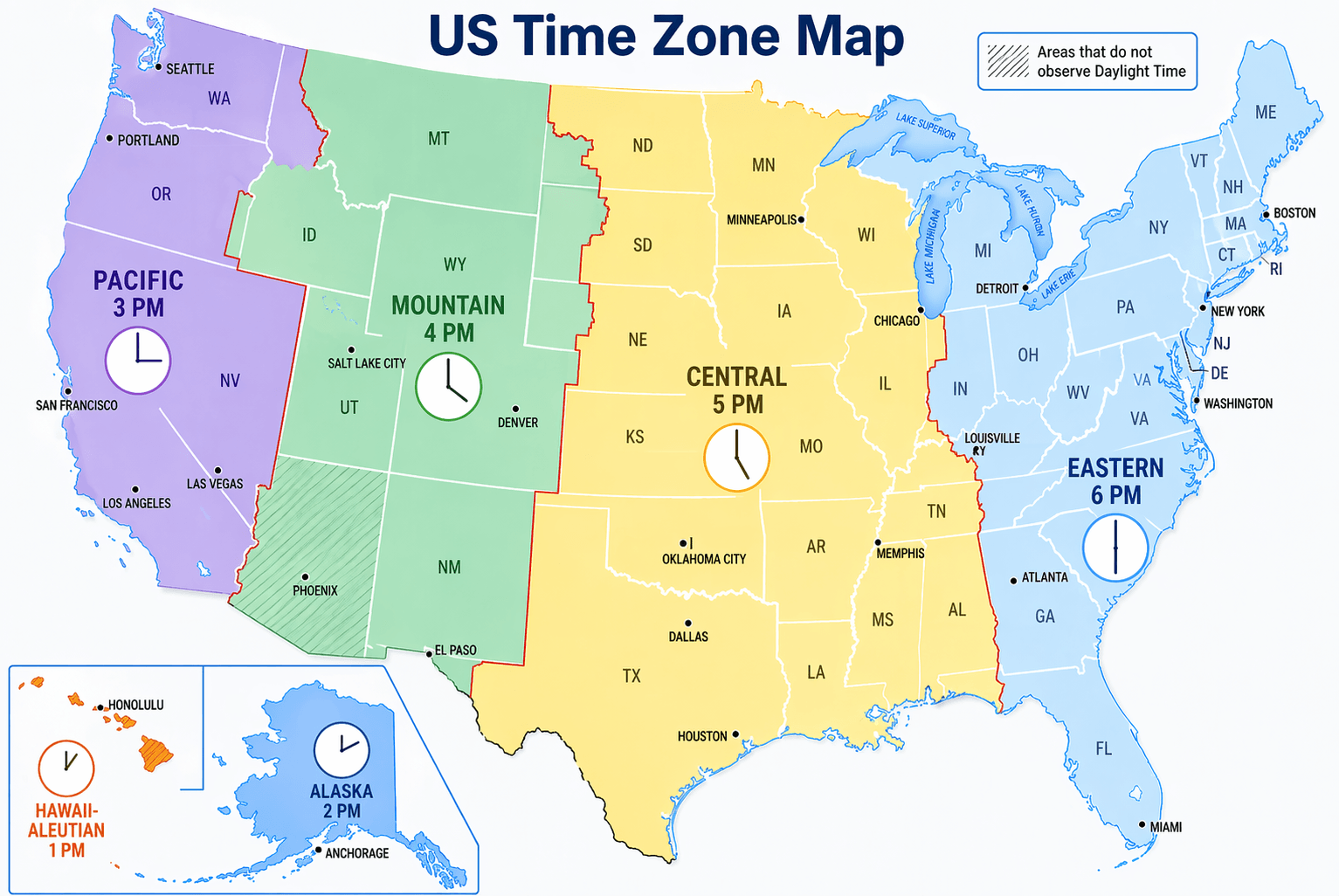
The contiguous United States uses four main time zones, with additional zones for Alaska and Hawaii. Each has a distinct relationship with the United Kingdom.
Eastern Time (ET)
Eastern Time covers the Atlantic coast and includes major hubs like New York City, Washington D.C., Miami, and Atlanta.
- Standard Time (EST): UTC-5 (Typically 5 hours behind the UK).
- Daylight Time (EDT): UTC-4 (Typically 5 hours behind the UK, because the UK also shifts to UTC+1).
In a standard scenario, when it is 5:00 PM in London, it is 12:00 PM in New York. This five-hour gap is the most common reference point for transatlantic business.
Central Time (CT)
Central Time spans the Midwest and parts of the South, including Chicago, Houston, and New Orleans.
- Standard Time (CST): UTC-6 (6 hours behind the UK).
- Daylight Time (CDT): UTC-5 (6 hours behind the UK).
When it is 6:00 PM in London, it is 12:00 PM in Chicago.
Mountain Time (MT)
Mountain Time covers the Rockies and the Southwest, including Denver, Salt Lake City, and Phoenix.
- Standard Time (MST): UTC-7 (7 hours behind the UK).
- Daylight Time (MDT): UTC-6 (7 hours behind the UK).
Important Note: Arizona (with the exception of the Navajo Nation) does not observe Daylight Saving Time. This means for half the year, Arizona is effectively on the same time as the Pacific coast.
Pacific Time (PT)
Pacific Time includes the West Coast states of California, Oregon, and Washington, as well as Nevada. Major cities include Los Angeles, San Francisco, and Seattle.
- Standard Time (PST): UTC-8 (8 hours behind the UK).
- Daylight Time (PDT): UTC-7 (8 hours behind the UK).
A common calculation for West Coast residents is that their morning starts just as the UK workday is ending. At 9:00 AM in Los Angeles, it is 5:00 PM in London.
Alaska and Hawaii-Aleutian Time
- Alaska Time (AKT): Usually 9 hours behind the UK.
- Hawaii-Aleutian Time (HST): Hawaii does not observe Daylight Saving Time. It is 10 hours behind the UK during the winter and 11 hours behind during the UK summer.
The 2026 Daylight Saving Time Complexity
The most significant "trap" for those tracking American time zones relative to the UK is the discrepancy in transition dates for Daylight Saving Time (DST). In 2026, the US and the UK will not change their clocks on the same day, leading to a two- or three-week period where the time difference is reduced by one hour.
Spring 2026 Transition
In the United States, DST begins on the second Sunday in March (March 8, 2026). However, the UK does not move to British Summer Time until the last Sunday in March (March 29, 2026).
- Between March 8 and March 29, 2026: The gap between the US and the UK will be one hour less than usual. For example, New York will be only 4 hours behind London instead of the usual 5.
Autumn 2026 Transition
In the UK, BST ends on the last Sunday in October (October 25, 2026). The US remains on Daylight Time until the first Sunday in November (November 1, 2026).
- Between October 25 and November 1, 2026: The gap will again be one hour less than usual. London will have moved its clocks back, but New York will not have done so yet.
This "shoulder season" often causes chaos for automated calendar invites and international conference calls. It is vital to verify the specific offsets during these weeks.
Comparative Time Zone Table (Standard vs. Daylight)
The following table outlines the time differences between major US regions and the UK for the year 2026.
| US Time Zone | City Example | Offset from UK (Winter/Standard) | Offset from UK (Summer/Daylight) | 12:00 PM UK is... |
|---|---|---|---|---|
| Eastern | New York | 5 Hours Behind | 5 Hours Behind | 7:00 AM |
| Central | Chicago | 6 Hours Behind | 6 Hours Behind | 6:00 AM |
| Mountain | Denver | 7 Hours Behind | 7 Hours Behind | 5:00 AM |
| Pacific | Los Angeles | 8 Hours Behind | 8 Hours Behind | 4:00 AM |
| Alaska | Anchorage | 9 Hours Behind | 9 Hours Behind | 3:00 AM |
| Hawaii | Honolulu | 10 Hours Behind | 11 Hours Behind | 1:00 AM / 2:00 AM |
| Arizona | Phoenix | 7 Hours Behind | 8 Hours Behind | 4:00 AM / 5:00 AM |
Note: The "Offset" remains the same for most zones because both the US and UK move their clocks forward/back. The exceptions are Arizona and Hawaii, which do not observe DST.
Practical Implications for Business and Communication
Managing the gap between American time zones and the UK requires more than just subtraction; it requires strategic scheduling.
The "Golden Window" for Collaboration
For those working between London and the US East Coast (New York/Boston), there is a roughly four-hour overlap where both regions are within standard working hours (9:00 AM – 5:00 PM). This "Golden Window" typically occurs between 1:30 PM and 5:30 PM UK time (8:30 AM to 12:30 PM ET).
For West Coast collaborations (London to San Francisco), the overlap is virtually non-existent during standard hours. Most teams rely on "asynchronous communication" or require one party to work late or start very early. A 5:00 PM meeting in London is 9:00 AM in San Francisco.
Financial Markets and Trading
The London Stock Exchange (LSE) and the New York Stock Exchange (NYSE) have a critical period of overlap. The LSE typically opens at 8:00 AM GMT and closes at 4:30 PM GMT. The NYSE opens at 9:30 AM ET (2:30 PM GMT). This provides a two-hour window where both markets are trading simultaneously, often characterized by high liquidity and volatility.
Technical Tools and Verification Methods
In 2026, relying on manual calculations is risky due to the varying DST rules. Several authoritative resources provide real-time verification:
- NIST (National Institute of Standards and Technology): The official source for US time can be found at time.gov.
- The Royal Observatory, Greenwich: For the most accurate reflection of UK time and the history of GMT, the Royal Museums Greenwich website provides essential context.
- World Clock Applications: Most operating systems (Windows, macOS, iOS, Android) allow users to add multiple clocks to their taskbar or home screen. It is highly recommended to keep a "London" clock active if you are in the US, or vice versa.
- Calendar Offsets: When scheduling in Google Calendar or Microsoft Outlook, always use the "Time Zone" feature to set the meeting in the recipient's zone. This ensures that the software handles the DST transitions automatically.
Common Pitfalls and Troubleshooting
The Arizona Exception
Arizona's refusal to observe DST is a frequent source of error. From March to November, Arizona is on the same time as Los Angeles (Pacific Daylight Time). From November to March, it aligns with Denver (Mountain Standard Time). When communicating with anyone in the Phoenix or Tucson areas, always double-check if they are currently "Pacific" or "Mountain" equivalent relative to the UK.
Navigating the "Military" Time Format
In the UK, the 24-hour clock (military time) is much more common in professional settings and transport schedules than in the United States. A 15:00 meeting in London is 3:00 PM. US-based individuals should be comfortable converting these formats to avoid "AM/PM" confusion, especially for flights and international webinars.
UK Overseas Territories
While this guide focuses on the United Kingdom (England, Scotland, Wales, and Northern Ireland), it is worth noting that UK Overseas Territories span the globe. For example, Bermuda and the British Virgin Islands operate on Atlantic Standard Time, which is closer to US Eastern Time than to London time. Ensure you are referencing the "London" time zone specifically for UK-wide business.
Frequently Asked Questions
What is the time difference between London and New York in 2026?
For the majority of 2026, London is 5 hours ahead of New York. However, because the US starts Daylight Saving Time on March 8 and the UK starts on March 29, the difference will temporarily shrink to 4 hours during those three weeks. A similar 4-hour gap will occur between October 25 and November 1, 2026.
Does the UK ever use Central or Eastern Time?
No, the UK uses a single time zone for the entire country. It observes Greenwich Mean Time (GMT) in the winter and British Summer Time (BST) in the summer. Unlike the United States, which is spread across nearly 3,000 miles, the UK’s geographic width does not necessitate multiple time zones.
Why does the time difference change twice a year?
The change occurs because the United States and the United Kingdom do not synchronize their Daylight Saving Time transition dates. The US Energy Policy Act of 2005 set the US schedule to begin earlier in the spring and end later in the autumn than the European schedule, creating short periods each year where the standard offsets are disrupted.
Is California 8 or 9 hours behind the UK?
California (Pacific Time) is 8 hours behind the UK for most of the year. During the brief "shoulder periods" in March and late October/November, the difference becomes 7 hours. It is almost never 9 hours, as both regions typically move their clocks in the same direction, preserving the 8-hour gap.
What is the best way to schedule a meeting between London and Los Angeles?
The most effective time for both parties is usually 4:00 PM or 5:00 PM in London, which corresponds to 8:00 AM or 9:00 AM in Los Angeles. This allows the London team to finish their day while the California team starts theirs. Anything later in the London day often falls outside of standard US business hours.
Final Recommendation for 2026
To ensure seamless coordination between American time zones and the UK in 2026, professionals should adopt a "system-first" approach. Rather than calculating offsets manually, utilize calendar software that anchors invitations to UTC. If you are planning travel or major events during March or October, verify your schedules against official sources like the National Institute of Standards and Technology or the UK's National Physical Laboratory. By acknowledging the "shoulder period" discrepancies and the unique status of states like Arizona, you can maintain reliable international operations throughout the year.