The American Society of Heating, Refrigerating and Air-Conditioning Engineers (ASHRAE) is a global professional association dedicated to advancing the arts and sciences of heating, ventilation, air conditioning, and refrigeration. It serves the public interest by developing industry standards, conducting research, providing continuing education, and certifying professionals to ensure sustainable, healthy, and efficient built environments.
Understanding the Role and Influence of ASHRAE
Founded in 1894, ASHRAE has evolved from a local American group into an international powerhouse that shapes the technical landscape of modern infrastructure. In 2026, its role is more critical than ever as the global community prioritizes building decarbonization, climate resilience, and enhanced indoor air quality (IAQ). The association operates through a massive network of over 50,000 members in more than 130 countries, making it the primary source for technical information in the HVAC&R industry.
The association’s influence is felt most directly through its standards. These documents are not merely suggestions; they are frequently incorporated into building codes by federal, state, and local governments. When an engineer designs a high-rise office building or a hospital, they are almost certainly following ASHRAE-defined parameters for thermal comfort, ventilation rates, and energy efficiency.
ASHRAE functions as a consensus-based organization. This means that its standards are developed through a rigorous process involving public review and the balancing of interests between manufacturers, engineers, contractors, and the public. This transparency ensures that the resulting guidelines are technically sound and widely accepted across the engineering community.
Core Pillars: Standards, Research, and Education
The work of ASHRAE is built upon three primary pillars that support the professional development of its members and the safety of the general public.
1. Standards and Guidelines
ASHRAE’s most significant contribution is its library of standards. These documents define the "minimum" requirements for various aspects of building design and operation. In 2026, the focus has shifted heavily toward "Zero Energy" and "Net Zero Carbon" standards, pushing the industry toward more aggressive sustainability goals.
- Standard 90.1 (Energy Efficiency): This is the benchmark for commercial building energy codes in the United States and many other nations. It provides the minimum requirements for energy-efficient designs for most buildings except low-rise residential.
- Standard 62.1 and 62.2 (Ventilation): These standards define the necessary rates of outdoor air delivery to maintain acceptable indoor air quality, a topic that has remained at the forefront of public health since the early 2020s.
- Standard 55 (Thermal Comfort): This technical document specifies the combinations of indoor thermal environmental factors and personal factors that will produce thermal environmental conditions acceptable to a majority of the occupants.
- Standard 15 (Safety): This defines the safety requirements for the design, construction, installation, and operation of refrigeration systems.
2. Industry-Leading Research
Unlike many trade associations that rely on third-party data, ASHRAE funds and oversees its own research projects. These projects investigate everything from the behavior of new, low-global-warming-potential (GWP) refrigerants to the effectiveness of ultraviolet germicidal irradiation (UVGI) in killing airborne pathogens. This data is then used to update the ASHRAE Handbook, which is widely considered the "Bible" of the HVAC&R industry.
3. Professional Development and Certification
The association provides a structured path for career advancement. Through the ASHRAE Learning Institute (ALI), professionals can earn continuing education units (CEUs) and Professional Development Hours (PDHs), which are required to maintain professional engineering licenses in many jurisdictions.
ASHRAE Professional Certifications in 2026
For professionals looking to validate their expertise, ASHRAE offers several globally recognized certifications. These credentials signify that an individual has met rigorous eligibility requirements and passed a comprehensive examination.
| Certification | Full Name | Target Professional | Primary Focus |
|---|---|---|---|
| BCxP | Building Commissioning Professional | Commissioning Providers | Verifying that building systems perform as designed and intended. |
| BEAP | Building Energy Assessment Professional | Energy Auditors | Assessing building energy use and identifying optimization strategies. |
| BEMP | Building Energy Modeling Professional | Energy Modelers | Using software to predict and optimize building energy performance. |
| HBDP | High-Performance Building Design Professional | Design Engineers | Integrating HVAC systems into high-performance, green buildings. |
| HFDP | Healthcare Facility Design Professional | Healthcare Engineers | Managing the complex HVAC requirements of hospitals and clinics. |
| CHD | Certified HVAC Designer | Entry/Mid-level Designers | Demonstrating foundational competency in HVAC system design. |
Membership Tiers and Eligibility
Joining ASHRAE is a strategic move for anyone involved in the built environment. The association offers several membership grades based on experience and education.
- Member: Requires the equivalent of 12 "society-approved years" of experience, which can be a combination of education at an accredited engineering school and professional work in the HVAC&R field.
- Associate Member: Designed for young professionals or those new to the industry. It provides full access to resources while the individual gains the experience necessary to upgrade to "Member" status.
- Affiliate Member: An introductory tier for those under 30 or those who are new to ASHRAE, offering a lower price point for the first few years of membership.
- Student Member: Aimed at students enrolled in engineering or architecture programs. This provides early access to networking, scholarships, and the ASHRAE Handbook at a significantly discounted rate.
The ASHRAE Handbook: A Technical Cornerstone
The ASHRAE Handbook is perhaps the most utilized resource in the professional association's history. It is published in a four-volume series, with one volume updated each year. In 2026, these volumes are primarily accessed via the ASHRAE Technology Portal, providing digital, searchable access to thousands of pages of technical data.
- Fundamentals: Covers basic engineering principles such as thermodynamics, psychrometrics, and heat transfer.
- Refrigeration: Details the equipment and systems used in cooling, from food preservation to industrial processes.
- HVAC Applications: Explains how to design systems for specific building types, such as laboratories, data centers, and schools.
- HVAC Systems and Equipment: Focuses on the individual components, including boilers, chillers, fans, and cooling towers.
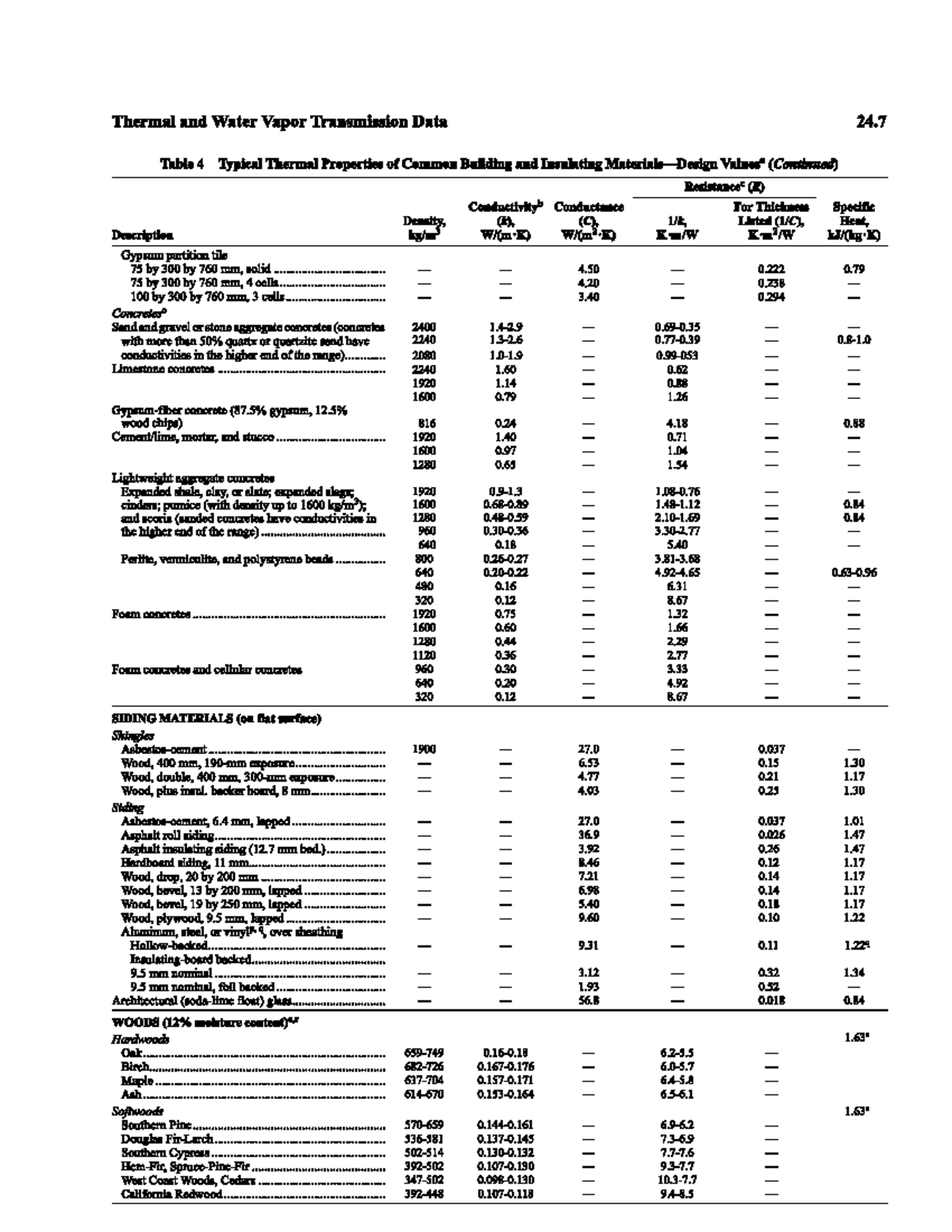
For a practicing engineer, these handbooks provide the verified formulas and tables necessary to size ductwork, select equipment, and calculate heating and cooling loads accurately.
Global Impact and Advocacy
While "American" is in the name, ASHRAE is a global entity. It maintains a permanent advocacy office in Washington, D.C., and works closely with international bodies like the United Nations Environment Programme (UNEP).
In 2026, ASHRAE's advocacy focuses on three major areas:
- Climate Change Mitigation: Pushing for the phasedown of high-GWP refrigerants and the adoption of heat pump technology.
- Building Resilience: Designing systems that can withstand extreme weather events and power outages.
- Standardization: Working to harmonize building codes across international borders to facilitate global engineering trade.
The association also hosts two major conferences annually—the Winter Conference (held in conjunction with the AHR Expo) and the Annual Conference. These events serve as the primary venues for technical paper presentations, committee meetings, and networking.
Navigating the ASHRAE Technical Committees (TCs)
The "heavy lifting" of the association is done within Technical Committees (TCs). These are groups of volunteers who are experts in specific niches, such as "TC 9.9 Mission Critical Facilities, Data Centers, Technology Spaces and Electronic Equipment."
Members can apply to join these committees as Corresponding Members, allowing them to participate in the discussions that eventually become ASHRAE standards. This is the most effective way for a professional to stay at the cutting edge of their specific sub-sector of the industry. Engaging with a TC provides a unique opportunity to influence the future of building science.
Verification and Ethics
ASHRAE maintains a strict Code of Ethics that all members must adhere to. This code emphasizes the responsibility of the engineer to provide for the safety and well-being of the public. Furthermore, the association provides a "Pro-Link" and certification verification tool on its official website, ashrae.org, which allows employers and clients to verify the current status of an individual’s ASHRAE certification.
Using these tools ensures that building owners are hiring qualified professionals who are committed to the highest technical and ethical standards in the industry.
Frequently Asked Questions
What is the primary difference between an ASHRAE Standard and a Building Code?
An ASHRAE Standard is a technical document that defines "best practices" or "minimum requirements" for a specific area of engineering. It does not have the force of law on its own. A Building Code is a legal requirement adopted by a government body. However, most building codes "incorporate by reference" ASHRAE standards (like Standard 90.1), which then makes following the ASHRAE standard a legal requirement for construction.
How do I join ASHRAE as a professional in 2026?
Professionals can join by visiting the ASHRAE website and selecting the appropriate membership grade based on their years of experience and education. You will need to provide documentation of your degree (if applicable) and professional work history. Dues are paid annually and provide access to the ASHRAE Handbook, the ASHRAE Journal, and discounts on conferences and publications.
Can non-engineers join ASHRAE?
Yes. ASHRAE is an inclusive organization that welcomes architects, facility managers, contractors, and sales representatives. While some membership grades (like "Member") require specific technical experience, the "Associate" and "Affiliate" grades are open to anyone who has an interest in the HVAC&R industry or the built environment.
What is the significance of the ASHRAE Distinguished Lecturer program?
The Distinguished Lecturer (DL) program consists of recognized experts who travel to local ASHRAE chapters to give technical presentations. This program ensures that even members who cannot attend the large national conferences have access to high-level technical education and the latest industry trends directly from world-renowned experts.
Is ASHRAE membership recognized internationally?
Yes, ASHRAE is recognized globally. It has regions and chapters throughout Europe, Asia, the Middle East, and South America. Many international engineering firms require ASHRAE membership or certification as a prerequisite for senior-level design and management positions because the standards are used as a global baseline for quality and safety.
Practical Recommendations for Professionals
To maximize the value of the American Society of Heating, Refrigerating and Air-Conditioning Engineers, professionals should not merely pay their dues but actively engage with the society's resources.
- Download the Digital Handbook: Ensure you have the latest version of the ASHRAE Handbook through the Technology Portal. It is the most reliable reference for load calculations and system design.
- Attend Local Chapter Meetings: Networking at the local level is often more valuable for career growth than attending national conferences. These meetings provide a forum to discuss regional building code variations and local project challenges.
- Pursue a Certification: If you specialize in a niche like healthcare or commissioning, earning an HFDP or BCxP certification can significantly increase your marketability and salary potential in 2026.
- Volunteer for a Technical Committee: Contributing to a TC allows you to learn from the top experts in your field and helps shape the standards that the rest of the industry will follow in the decades to come.