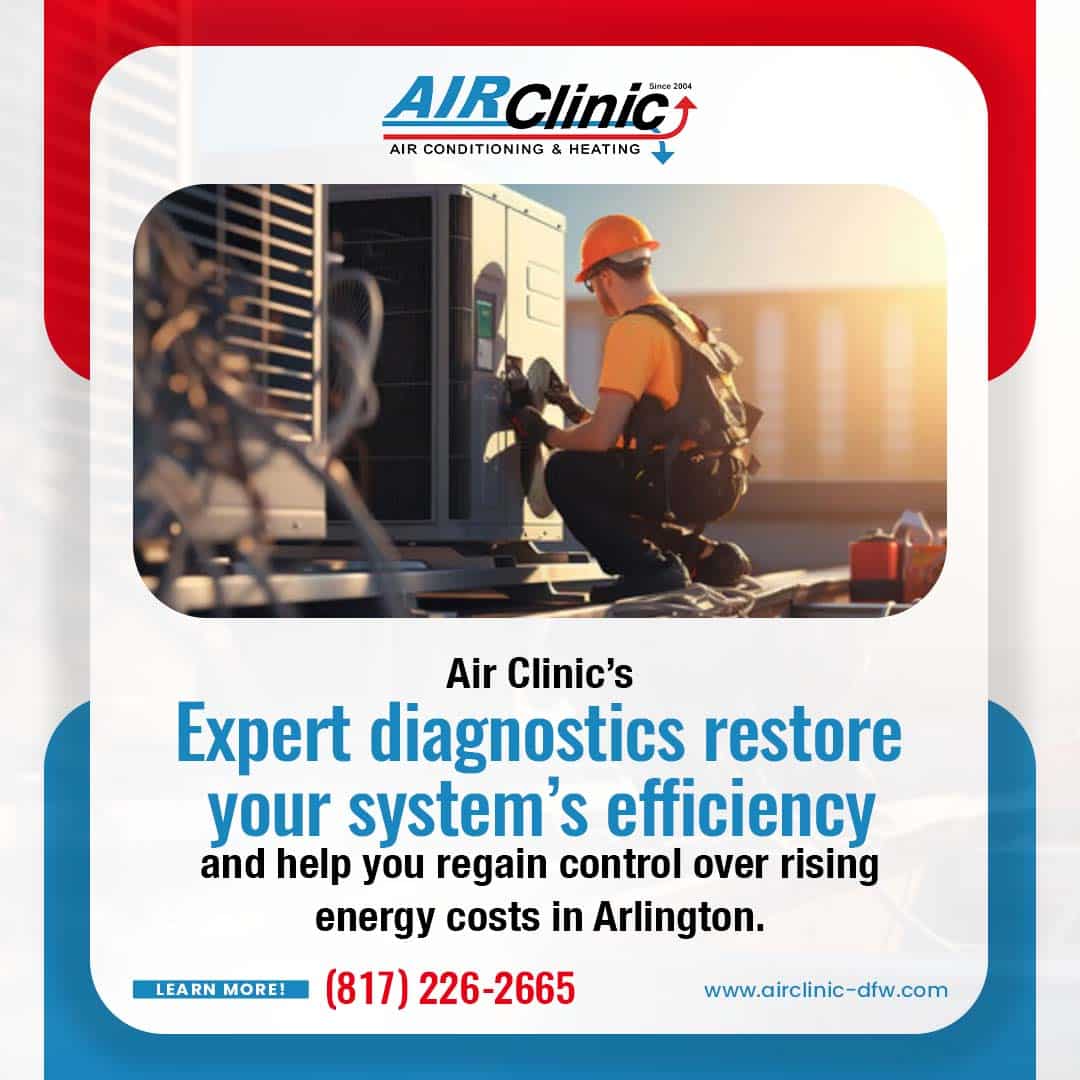
Reliable AC repair in Arlington, TX, typically costs between $150 and $600 for common repairs, with diagnostic fees ranging from $85 to $130. In 2026, homeowners should prioritize providers licensed by the Texas Department of Licensing and Regulation (TDLR) who offer upfront pricing and specialize in high-efficiency SEER2 systems.
Arlington’s unique climate—characterized by sweltering North Texas summers and sudden humidity spikes—places immense strain on residential and commercial cooling systems. When an air conditioner fails in the middle of a July heatwave, the situation transitions quickly from a minor inconvenience to a safety concern. Understanding the local market for HVAC (Heating, Ventilation, and Air Conditioning) services, the prevailing costs for parts and labor, and the criteria for selecting a trustworthy technician is essential for every resident in the Tarrant County area.
The Arlington HVAC Landscape in 2026
As of 2026, the HVAC industry in Arlington has adapted to significant regulatory shifts and technological advancements. The transition to newer, more environmentally friendly refrigerants like R-454B and R-32 is well underway, replacing the older R-410A standard. For homeowners, this means that repairs involving refrigerant leaks now require technicians with specialized equipment and updated certifications.
Furthermore, the "Great Texas Heat" remains the primary driver for service demand. Arlington's location in the DFW Metroplex subjects units to prolonged periods of triple-digit temperatures. This environmental stress leads to common mechanical failures, particularly in electrical components and cooling coils. Local providers have shifted toward "smart diagnostic" tools, allowing them to identify issues with precision before they even open the cabinet of an outdoor condenser.
Common AC Repair Services in Arlington
When you call an HVAC company in Arlington, the service usually begins with a comprehensive diagnostic. Because of the high mineral content in local water and the prevalence of oak and cedar pollen, certain issues are more common in this region than elsewhere.
Capacitor and Electrical Component Replacement
The capacitor is the most frequently replaced part in North Texas. It acts like a battery to give the motor a "kick-start." In Arlington’s 100-degree weather, capacitors often overheat and bulge, leading to a system that hums but won't start. Replacing these is a standard procedure, but it must be done by a professional to ensure the voltage matches the system's requirements.
Evaporator and Condenser Coil Cleaning
Arlington’s dust and seasonal allergens can coat the coils of an AC unit, insulating them and preventing heat exchange. This causes the system to run longer, increasing electricity bills and eventually leading to a frozen coil or a failed compressor. Professional cleaning involves specialized chemical foams that dissolve grime without damaging the delicate aluminum fins.
Refrigerant Leak Detection and Repair
With the 2026 mandates on refrigerant types, detecting leaks has become more critical. A "recharge" is no longer a standard fix; environmental regulations and the high cost of modern refrigerants make it necessary to find and seal the leak. Technicians in Arlington use electronic leak detectors or nitrogen isolation tests to find microscopic fractures in the copper lines.
Blower Motor and Fan Repair
The blower motor is responsible for moving air through your ductwork. If you hear screeching or grinding noises, the bearings are likely failing. In many older Arlington homes, undersized ductwork can put extra static pressure on these motors, causing them to burn out prematurely.
Estimating AC Repair Costs in Arlington (2026)
Pricing for AC repair in the DFW area is influenced by labor rates, which have seen a steady increase due to the demand for skilled trades. Below is a breakdown of estimated costs for common repairs in the Arlington market.
| Service Type | Estimated Cost Range (Parts & Labor) | Complexity Level |
|---|---|---|
| Diagnostic/Service Call Fee | $85 – $130 | Standard |
| Capacitor Replacement | $160 – $350 | Low |
| Contactor Replacement | $150 – $300 | Low |
| Thermostat Replacement (Smart) | $250 – $600 | Medium |
| Blower Motor Replacement | $500 – $1,100 | High |
| Condenser Fan Motor | $400 – $850 | Medium |
| Refrigerant Recharge (per lb) | $100 – $250 | Variable |
| Evaporator Coil Replacement | $1,200 – $2,800 | Very High |
| Circuit Board Replacement | $400 – $800 | High |
Note: These prices are estimates for 2026 and can vary based on the specific brand of equipment (e.g., Lennox, Carrier, Trane) and the warranty status of the unit.
Factors Influencing the Final Bill
- Warranty Status: If your unit is less than 10 years old, the parts may still be under a manufacturer's warranty. You would only be responsible for labor and refrigerant costs.
- Emergency vs. Scheduled: Requesting a repair on a Sunday afternoon or during a holiday in Arlington will typically incur an "emergency fee" or "after-hours rate," which can double the initial diagnostic cost.
- Accessibility: Units located in tight crawlspaces or difficult-to-reach third-story attics may require additional labor hours.
How to Choose a Reliable AC Provider in Arlington
Selecting a contractor is the most critical step in ensuring a long-lasting repair. Texas has strict laws regarding HVAC work, and homeowners should leverage these protections.
Verify the TDLR License
In Texas, anyone performing air conditioning and refrigeration work must be licensed by the Texas Department of Licensing and Regulation (TDLR). A valid license ensures the technician has passed background checks and demonstrated technical competency. You can verify a provider’s license status on the official TDLR website. Never hire a "handyman" for AC repairs, as this can void your manufacturer's warranty and lead to safety hazards.
Look for NATE Certification
North American Technician Excellence (NATE) is the gold standard for individual technician certification. While a company holds the state license, the best providers employ NATE-certified technicians. This indicates a higher level of specialized training in system diagnostics and energy efficiency.
Evaluate Local Reputation and Longevity
Arlington has many "fly-by-night" operations that appear during the summer and vanish in the winter. Look for companies that have been established in the DFW area for at least 5 to 10 years. Check local review platforms but pay specific attention to how the company handles negative feedback. A provider that responds professionally to a complaint is often more reliable than one with only curated five-star reviews.
Request Transparent Documentation
A reputable Arlington provider will provide a written estimate before starting work. This should include:
- A breakdown of parts and labor.
- The specific model or part number being installed.
- Warranty information for both the part and the labor (typically 1 year for labor on major repairs).
- The technician’s findings and the "why" behind the recommended fix.
The Impact of SEER2 Standards on Repairs
As of 2026, the HVAC industry has fully transitioned to SEER2 (Seasonal Energy Efficiency Ratio 2) standards. These standards, implemented by the Department of Energy, require higher efficiency for all new installations. If your current Arlington home uses an older system (installed before 2023), repairs may become more expensive as parts for lower-efficiency units become rarer.
When facing a repair bill that exceeds $1,500, a technician might suggest a full system replacement to meet SEER2 standards. While the upfront cost is higher, the long-term savings on Arlington’s high summer electricity bills—often reaching 20-30%—can justify the investment.
Troubleshooting Before You Call a Professional
Before committing to a service fee, Arlington residents should perform these basic checks. Often, "failed" air conditioners are the result of simple maintenance oversights.
- Check the Air Filter: A clogged filter is the number one cause of system shutdowns. If the filter is dark or covered in dust, replace it and see if the unit resumes operation after a 30-minute "rest" period.
- Inspect the Circuit Breaker: High-demand periods in the Texas heat can occasionally trip the dedicated AC breaker in your electrical panel. Flip it fully to "Off" and then back to "On."
- Examine the Thermostat: Ensure the batteries are fresh and the settings haven't been accidentally switched to "Heat" or "Fan Only."
- Clear the Condenser: Ensure that shrubs, weeds, or debris are not crowding the outdoor unit. The condenser needs at least 18-24 inches of clearance to "breathe" and dissipate heat.
Emergency AC Services in Arlington
Arlington experiences several weeks of "extreme heat" alerts annually. During these times, a broken AC is not just uncomfortable; it is a health risk for the elderly, children, and those with underlying health conditions.
Most top-rated Arlington providers offer 24/7 emergency services. When calling for an emergency repair:
- State the Situation Clearly: Mention if there are vulnerable individuals in the home.
- Turn the System Off: If the unit is making a loud noise or the fan isn't spinning, turn it off at the thermostat to prevent further damage to the compressor.
- Ask for the Total Trip Charge: Confirm if the emergency fee includes the diagnostic or if it is an additional cost.
Frequently Asked Questions
What is the average life expectancy of an AC unit in Arlington, TX?
In the harsh North Texas climate, an air conditioning system typically lasts between 12 and 15 years. While systems can last longer in milder climates, the extreme heat and humidity in Arlington cause components to wear out faster. Regular biannual maintenance is the most effective way to reach the 15-year mark.
Is it worth repairing a 10-year-old AC unit?
This depends on the "50% rule." If the cost of the repair exceeds 50% of the value of a new system, replacement is generally recommended. Additionally, because 10-year-old units likely use R-410A refrigerant (which is being phased out and becoming more expensive), a major repair like a compressor replacement is often not cost-effective.
Why is my AC running but not cooling my Arlington home?
The most common causes are a dirty evaporator coil, low refrigerant levels, or a failed capacitor preventing the outdoor compressor from starting. In Arlington, it can also be caused by leaky ductwork in the attic, where cooled air escapes before reaching your living spaces.
Do I need a permit for AC repair in Arlington?
Standard repairs like replacing a motor, capacitor, or thermostat do not require a city permit. However, if you are replacing the entire outdoor condenser or the indoor air handler, your contractor must pull a permit with the City of Arlington Building Inspections department to ensure the installation meets current safety and energy codes.
How often should I have my AC serviced in North Texas?
Professional maintenance should be performed twice a year: once in the spring (before the cooling season) and once in the fall (before the heating season). Spring service is particularly vital in Arlington to clear out "cottonwood" seeds and pollen that can clog condensers in April and May.
Practical Recommendation
If your AC system fails, start by checking your air filter and circuit breaker. If the issue persists, contact a TDLR-licensed provider in Arlington and request a formal diagnostic. Always ask for a written estimate before any parts are replaced. For systems older than 12 years facing repairs over $1,000, consider requesting a quote for a new SEER2-compliant system to benefit from modern efficiency and manufacturer warranties.