American General Life Insurance Company and The United States Life Insurance Company in the City of New York are distinct but legally affiliated entities that operate as prominent subsidiaries within the Corebridge Financial group. Both companies provide a wide range of life insurance products, including term, universal, and variable life insurance, serving policyholders across the United States. Navigating the relationship between these entities and understanding their product offerings requires a clear look at their regulatory structure, the types of policies they underwrite, and the resources available to existing and prospective policyholders as of 2026.
Corporate Identity and Affiliation
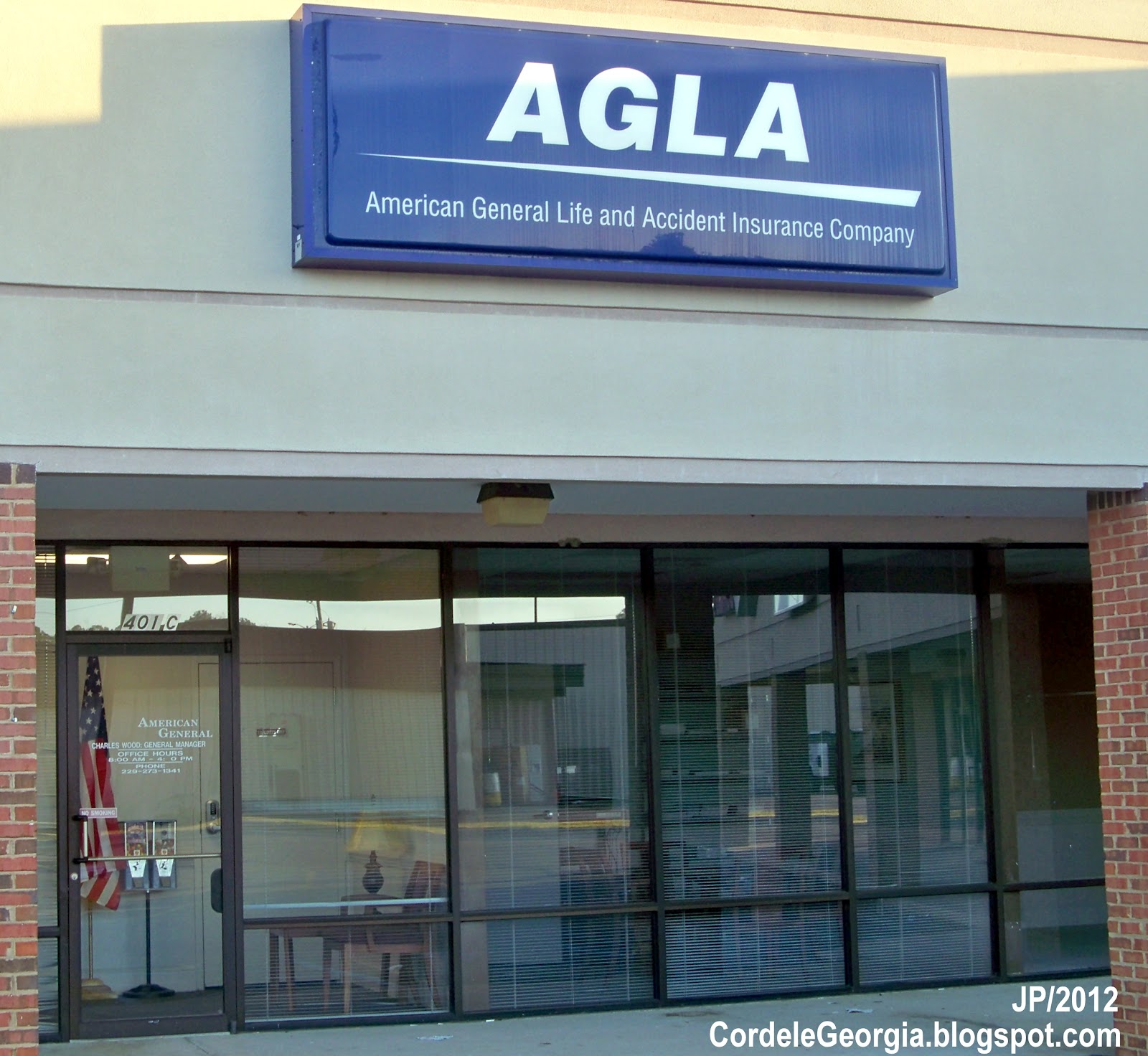
The confusion surrounding "American General Life Insurance" and "The United States Life Insurance Company in the City of New York" often stems from their shared history and common parentage. American General Life Insurance Company (AGL) is a legal entity domiciled in Texas, while The United States Life Insurance Company in the City of New York (US Life) is, as its name suggests, domiciled in New York.
Both companies are subsidiaries of Corebridge Financial, Inc. (formerly known as AIG Life & Retirement). While they share common branding and service standards under the Corebridge umbrella, they remain separate insurance companies with distinct financial ratings, licensing requirements, and legal obligations. This separation is significant primarily for regulatory reasons; New York has a unique regulatory environment governed by the New York Department of Financial Services (NYDFS), which often requires specialized licensing and distinct legal entities to conduct business within the state. Consequently, residents of New York may find that their policies are underwritten by US Life, while residents in other states are typically underwritten by AGL or other subsidiaries.
Core Insurance Product Offerings
Both AGL and US Life offer a robust suite of life insurance products designed to address various financial planning needs. These products are generally categorized into three primary buckets: term life insurance, universal life insurance, and variable universal life insurance.
Term Life Insurance
Term life insurance provides coverage for a specified duration, such as 10, 15, 20, or 30 years. It is designed to provide death benefit protection at a fixed cost for the duration of the term. For many, this is the most straightforward and affordable way to protect against the loss of income or to cover specific financial obligations, such as a mortgage or children’s education expenses. In 2026, these policies continue to feature guaranteed level premiums, meaning the cost remains the same for the duration of the selected term.
Universal Life Insurance
Universal life insurance is a form of permanent coverage that offers more flexibility than traditional whole life insurance. These policies include a cash value component that earns interest based on declared rates or market performance, depending on the specific product. Policyholders have the ability to adjust their premium payments and death benefit amounts as their financial situation evolves. This flexibility makes universal life a common tool for estate planning and long-term financial stability.
Variable Universal Life Insurance
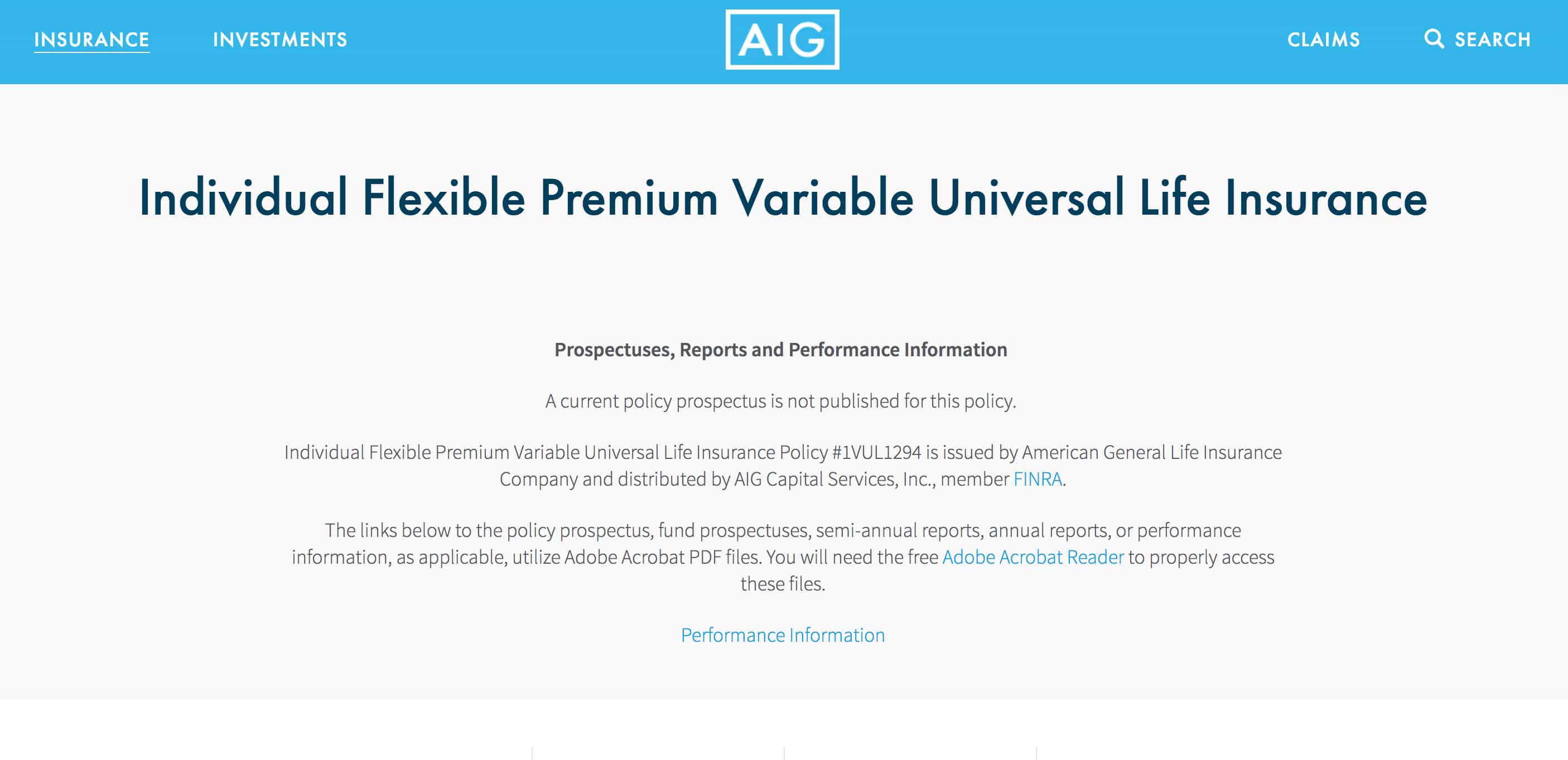
Variable Universal Life (VUL) insurance combines the death benefit of a universal life policy with an investment component. Policyholders can allocate their cash value into various investment sub-accounts, which may include equity, bond, or money market funds. Because VUL policies are linked to market performance, they carry a higher level of investment risk compared to standard universal life insurance. These products are typically geared toward individuals seeking the potential for cash value growth alongside a permanent death benefit.
Comparative Overview of Entities
The following table highlights the primary distinctions and shared characteristics of the two entities discussed.
| Feature | American General Life Insurance (AGL) | The United States Life Insurance Company (US Life) |
|---|---|---|
| Primary Domicile | Texas | New York |
| Core Parent | Corebridge Financial | Corebridge Financial |
| Primary Market | All states (excluding NY) | New York state residents |
| Product Focus | Life, Annuities, Retirement | Life, Annuities, Retirement |
| Regulatory Body | State Insurance Departments | New York Dept. of Financial Services |
Eligibility, Application, and Underwriting
Securing a policy involves an underwriting process designed to assess the risk profile of the applicant. This process is consistent across both AGL and US Life.
The Application Process
Applicants must complete a formal application, which generally involves providing personal information, health history, and financial details. In many cases, a medical examination—or a paramedical interview—is required to verify health status. The insurer uses this information, along with medical records (Attending Physician Statements), to determine the applicant's "risk class."
Factors Influencing Eligibility
Underwriting criteria are strict and include:
- Age: Life insurance costs generally increase as the applicant gets older.
- Health Status: Chronic conditions, tobacco use, and family medical history are significant factors.
- Lifestyle: High-risk hobbies or occupations can impact both eligibility and premiums.
- Financial Need: The death benefit amount requested must generally be supported by the applicant's financial circumstances to prevent over-insuring.
Managing Existing Policies
Policyholders who hold contracts with either American General Life Insurance or The United States Life Insurance Company have access to online portals provided by their parent company, Corebridge Financial. These portals are the primary method for managing policies in 2026.
Routine Administrative Tasks
Through the official policyholder portal, users can typically:
- Update Beneficiary Information: It is critical to ensure that beneficiary designations remain current following major life events such as marriage, divorce, or the birth of a child.
- Premium Payments: For policies that require periodic premiums, users can set up recurring electronic fund transfers to avoid lapse.
- Policy Loans and Withdrawals: For permanent policies with accumulated cash value, policyholders may request loans or partial surrenders, subject to the terms and conditions outlined in their specific contract.
- Statement Access: Users can view annual reports, premium notices, and policy values.
Troubleshooting Account Issues
If a policyholder encounters issues accessing their account—such as locked credentials or incorrect policy data—they should contact the official customer service lines provided on their policy declarations page. Avoid sharing sensitive login information with third-party aggregators or unauthorized financial websites. If a policy is lost or misplaced, the company maintains records and can assist beneficiaries or owners in identifying the policy status upon verification of identity.
Frequently Asked Questions
1. Are American General Life and US Life the same company?
They are separate legal entities that are both subsidiaries of Corebridge Financial. They function similarly and share branding, but they are licensed independently and operate under different state-specific insurance laws.
2. Can I get a policy from US Life if I live outside of New York?
Generally, no. The United States Life Insurance Company in the City of New York is specifically licensed to conduct insurance business in New York. Residents of other states are typically served by American General Life Insurance Company or other subsidiaries.
3. How do I file a death claim?
Death claims must be submitted by the beneficiary or the executor of the estate to the company’s claims department. This typically requires a certified copy of the death certificate and the original policy document (or a lost policy affidavit). It is best to contact the company’s customer service department directly for the specific claim forms required for the policy in question.
4. Is my life insurance policy affected by the Corebridge Financial rebranding?
No. The rebranding from AIG Life & Retirement to Corebridge Financial did not change the terms, conditions, or guarantees of existing insurance contracts. The legal obligations of the underlying insurance companies—AGL and US Life—remain in full force.
5. What is the difference between term and permanent life insurance?
Term insurance is temporary, lasting for a specific number of years, and usually offers a lower cost. Permanent insurance (such as universal or variable life) remains in effect for the policyholder's entire life, provided premiums are paid, and typically includes a cash value savings component.
Next Steps for Policyholders
If you are considering a new policy or managing an existing one, your first step should be to identify the specific issuing company listed on your policy declarations page. Understanding whether your policy is held with American General Life Insurance or The United States Life Insurance Company ensures that you contact the correct administrative office for service. Always keep your policy documentation in a secure, accessible location and notify your beneficiaries of the existence of the policy and where the documents are kept. For technical support or policy changes, rely exclusively on the official Corebridge Financial portals or the dedicated phone numbers printed on your official policy correspondence.