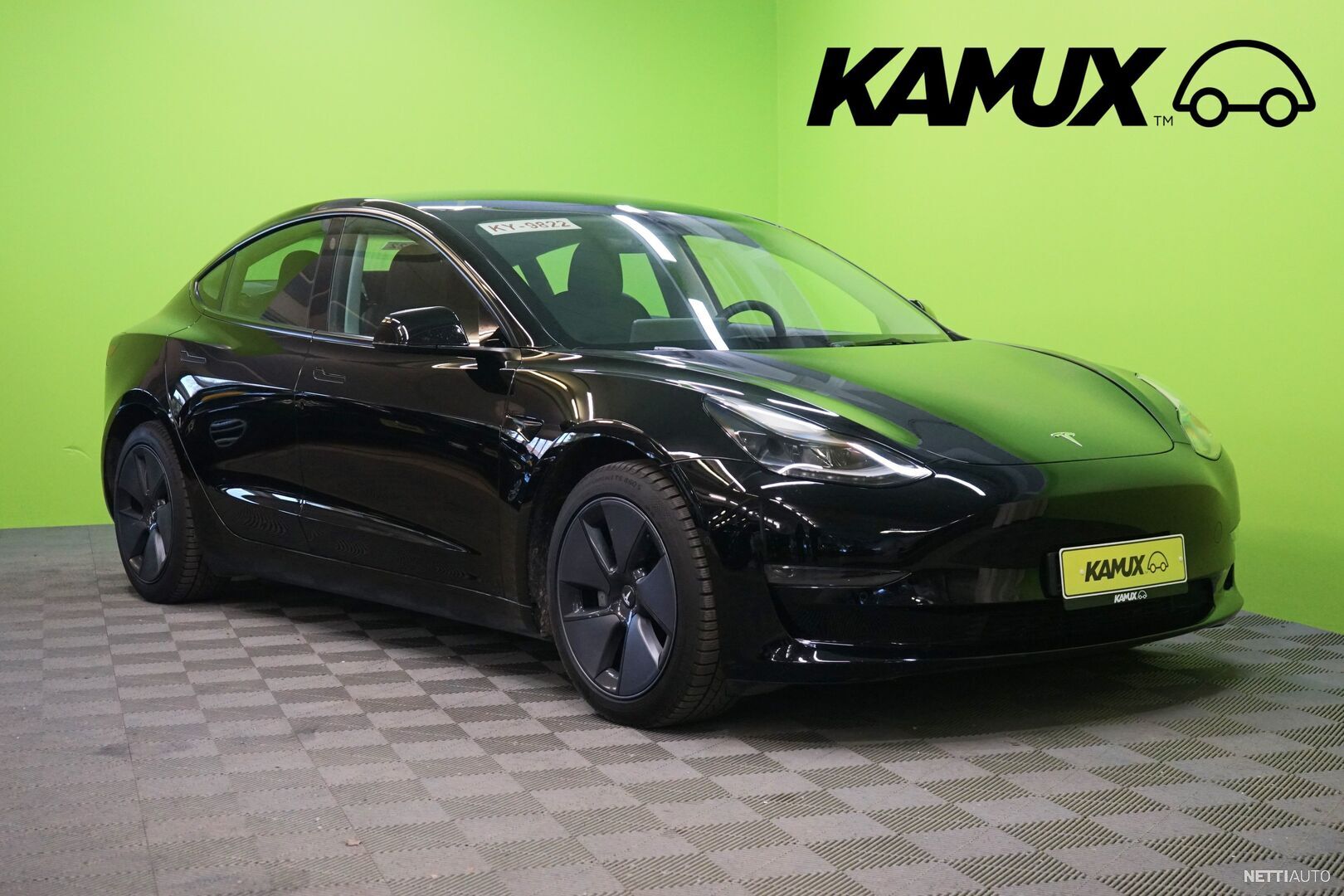
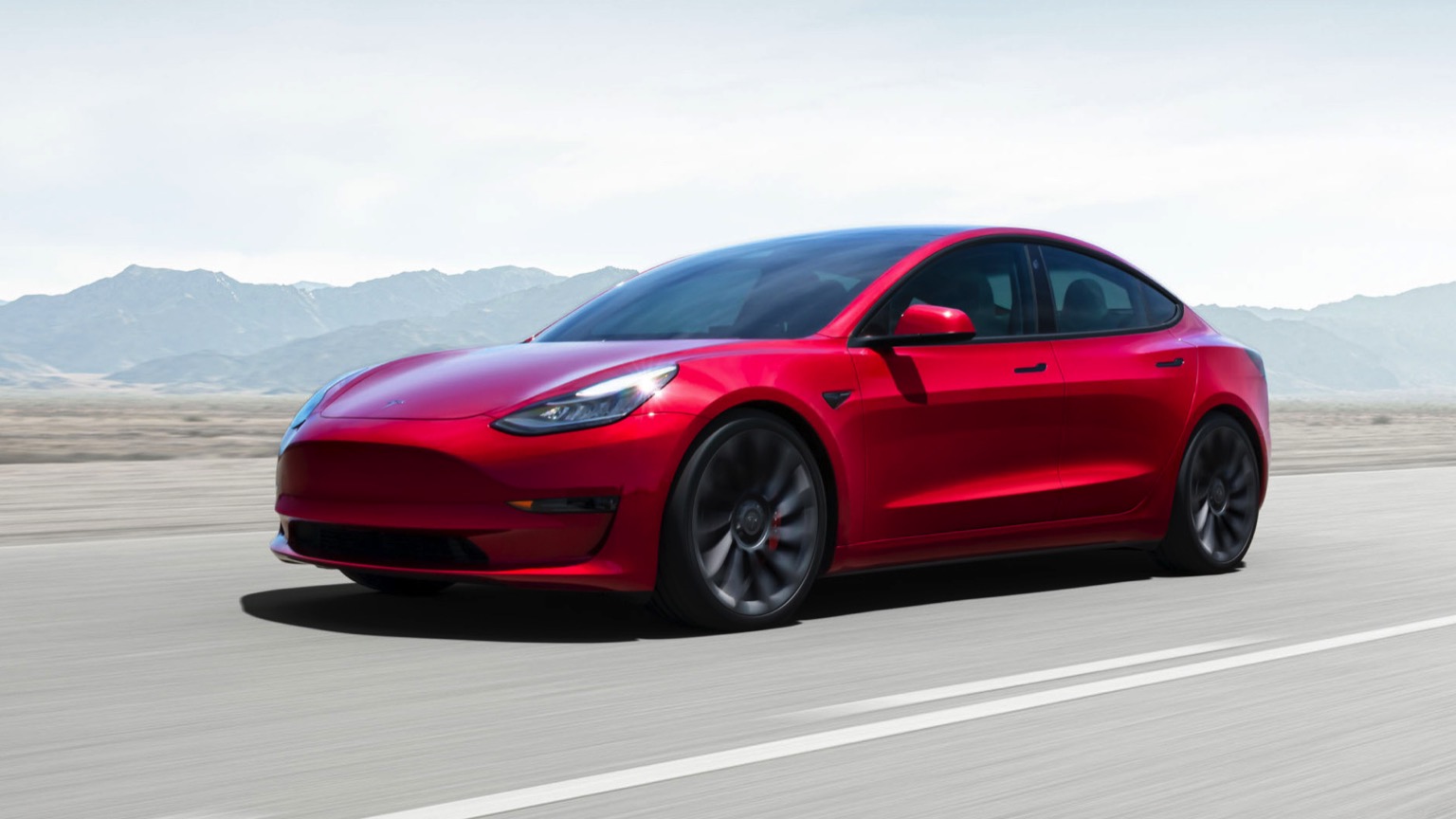
The 2022 Tesla Model 3 Long Range All-Wheel Drive (AWD) features a factory-rated 0-60 mph time of 4.2 seconds. For owners who purchase the optional $2,000 Acceleration Boost software upgrade, this time drops to 3.7 seconds. These figures represent the vehicle's capability under optimal conditions, though real-world performance varies based on software versions, battery temperature, and state of charge.
As we look back from 2026, the 2022 Model 3 Long Range remains a benchmark for the "sweet spot" of the electric vehicle (EV) market. It balanced long-distance utility with performance that rivaled dedicated sports cars of its era. Understanding the 0-60 timeline of this specific model year requires an analysis of its hardware foundation, the impact of over-the-air (OTA) updates, and the nuances of Tesla's performance marketing.
The Technical Foundation of 2022 Performance
The 2022 Model 3 Long Range AWD utilizes a dual-motor setup consisting of an induction motor in the front and a permanent magnet synchronous motor in the rear. This configuration allows for instantaneous torque distribution between all four wheels, which is the primary reason the vehicle can achieve sub-5-second 0-60 times consistently.
Battery Chemistry and Power Output
By 2022, Tesla had refined the 82 kWh battery pack (often utilizing NCA or NCM chemistry depending on the specific production lot and region). The ability to dump a massive amount of current to the motors simultaneously is what defines the 0-60 sprint. In the 2022 model, the thermal management system, featuring the Octovalve and heat pump, plays a critical role in this timeline. Unlike earlier models that required significant "Preconditioning" time to reach optimal launch temperatures, the 2022 model's heat pump is significantly more efficient at moving heat into the battery pack to ensure peak discharge rates are available even in cooler climates.
Inverter Efficiency
The silicon carbide inverters used in the 2022 model are more efficient than the hardware found in the original 2017–2019 versions. These inverters convert the DC power from the battery into the AC power used by the motors with minimal heat loss. This efficiency allows for a more aggressive power curve during the first 2.5 seconds of acceleration, where most of the 0-60 "feel" is generated.
The Acceleration Boost: A Digital Evolution
One of the most significant events in the 2022 Model 3 Long Range 0-60 timeline is the moment an owner decides to purchase the Acceleration Boost. Unlike traditional internal combustion engine (ICE) tuning, which requires physical parts like cold air intakes or exhaust systems, this performance gain is entirely digital.
Unlocking the 3.7-Second Sprint
Tesla limits the power output of the Long Range AWD via software to maintain a gap between it and the flagship Performance trim. When the $2,000 "Boost" is purchased through the Tesla app, the car receives an OTA update that adjusts the inverter's gate signaling. This allows for higher peak current to the rear motor especially.
Verified testing from independent outlets like MotorTrend has shown that the 3.7-second claim is often conservative. In ideal conditions—warm pavement, 90% state of charge, and high-performance tires—some 2022 models have registered 0-60 times as low as 3.5 seconds when measured with a 1-foot rollout.
The Impact of Software Updates on Launch Characteristics
The "timeline" of a Tesla's performance is not static. Since its release, the 2022 Model 3 has received dozens of software updates that have subtly altered how the car handles the 0-60 sprint.
- Traction Control Refinements: Updates in 2023 and 2024 improved the granularity of the traction control system. By processing wheel slip at a higher frequency, the car can now manage power delivery better on "unprepared" surfaces (standard asphalt vs. a drag strip), resulting in more consistent 0-60 times across various road types.
- Thermal Preconditioning Updates: Tesla modified the "Navigate to Supercharger" and "Scheduled Departure" logic several times between 2022 and 2026. These updates allow the battery to reach its "peak power" temperature window more quickly, ensuring that the 4.2-second (or 3.7-second) performance is available more often.
- UI and Launch Feedback: While not changing the physical speed, updates to the 2022 model’s v11 and v12 software provided better visualization of power output on the infotainment screen, allowing drivers to see exactly when the battery was limited due to cold or low charge.
Real-World Variables Affecting the 0-60 Timeline
To achieve the advertised 0-60 times, several environmental and mechanical factors must align. For a 2022 Model 3 in 2026, these factors are even more relevant as the vehicle ages.
State of Charge (SoC)
The "voltage sag" phenomenon is real. A 2022 Model 3 at 90% SoC will feel significantly faster than the same car at 20%. To hit the 4.2-second mark, the battery generally needs to be above 70%. Below this threshold, the internal resistance of the battery increases, and the maximum current it can provide drops, often adding 0.3 to 0.5 seconds to the 0-60 time.
Tire Health and Type
The 2022 Model 3 Long Range typically shipped with 18-inch Aero wheels or 19-inch Sport wheels. The choice of rubber is the single most important physical factor in the 0-60 timeline.
- OEM All-Seasons: Good for longevity, but they may struggle with minor slip during a hard launch.
- Summer Performance Tires: Upgrading to a tire like the Michelin Pilot Sport 4S can shave nearly a tenth of a second off the 0-60 time by maximizing the "bite" during the initial 0-20 mph phase.
Battery Degradation (The 2026 Perspective)
By 2026, a 2022 Model 3 has likely seen four years of use. While Tesla batteries are known for high longevity, a typical 2022 model might have 5% to 8% degradation. While this primarily affects total range, the slight increase in internal resistance may nominally affect the 0-60 time. However, most owners will find the difference (perhaps 0.05 seconds) to be imperceptible without professional GPS timing gear like a VBOX or Dragy.
Comparative Acceleration Data: 2022 Model 3 LR AWD
The following table compares the 2022 Model 3 Long Range AWD against its siblings and common competitors from the same era.
| Model / Trim | 0-60 MPH (Stock) | 0-60 MPH (w/ Boost) | Top Speed | Drive Type |
|---|---|---|---|---|
| 2022 Model 3 RWD | 5.8 Seconds | N/A | 140 mph | RWD (LFP) |
| 2022 Model 3 LR AWD | 4.2 Seconds | 3.7 Seconds | 145 mph | Dual Motor AWD |
| 2022 Model 3 Performance | 3.1 Seconds | N/A | 162 mph | Dual Motor AWD |
| 2022 BMW i4 eDrive40 | 5.5 Seconds | N/A | 118 mph | RWD |
| 2022 Polestar 2 Dual Motor | 4.5 Seconds | 4.1 Seconds | 127 mph | AWD |
Note: All Tesla times for Performance models are typically quoted with a 1-foot rollout, whereas Long Range times are often quoted from a dead stop, making the LR's real-world performance even closer to the Performance model than the numbers suggest.
Testing Methodology: 1-Foot Rollout Explained
In the world of 0-60 timelines, the "1-foot rollout" is a source of frequent confusion. This is a drag-racing standard where the timer doesn't start until the car has traveled exactly one foot.
- Tesla Performance Models: Tesla almost always includes the rollout in their advertised 3.1-second time.
- Tesla Long Range Models: Historically, Tesla does not include the rollout in the 4.2-second advertised time.
This means that if you test a 2022 Model 3 Long Range using the same methodology as the Performance model (subtracting the rollout), the "real" number for a stock LR AWD is often closer to 3.9 to 4.0 seconds. This is why many owners feel the Long Range is "underrated" by the manufacturer.
Maintenance for Peak Performance in 2026
If you are operating or purchasing a 2022 Model 3 Long Range in 2026, maintaining that 4.2-second timeline requires attention to specific mechanical areas.
1. Brake Caliper Lubrication
While the Model 3 uses regenerative braking for most deceleration, the physical brakes are essential for the "hold" and stability during a launch. In colder climates, salt and grit can cause calipers to seize. Regular cleaning ensures that there is no residual drag on the rotors that could hinder acceleration.
2. High-Voltage Coolant Levels
The 2022 model relies on its cooling system to keep the motors and battery from thermal throttling during repeated hard launches. Ensure the coolant system is checked according to the Tesla Service Manual guidelines to maintain optimal thermal exchange.
3. Drive Unit Fluid
Although often labeled as "lifetime" fluid, many performance enthusiasts choose to change the drive unit oil at the 4-year or 50,000-mile mark. Clean oil ensures that the gear reduction set inside the motor operates with minimal friction, preserving the efficiency needed for rapid 0-60 sprints.
Frequently Asked Questions
Does the 2022 Model 3 Long Range have a "Launch Mode"?
Technically, no. Unlike the Model S or Model X "Cheetah Stance" or the Model 3 Performance's Track Mode, the Long Range AWD does not have a dedicated button to prep for a launch. However, it achieves its peak 0-60 time simply by depressing the brake, flooring the accelerator, and releasing the brake (or just flooring the accelerator from a standstill). The car is always "ready" as long as the battery is warm.
Can I still buy the Acceleration Boost in 2026 for a 2022 model?
Yes. Tesla has maintained the availability of the Acceleration Boost for the 2022 Model 3 Long Range. It remains a software-tethered purchase linked to the vehicle's VIN. If you buy a used 2022 model in 2026, the boost stays with the car if it was purchased by the previous owner, adding significant resale value.
How does the 2022 LR 0-60 compare to the 2024 "Highland" refresh?
The 2024+ Model 3 Long Range (Highland) maintains a similar 4.2-second 0-60 time. However, the 2024 model has improved aerodynamics and different suspension tuning. In a head-to-head drag race, the 2022 model is nearly identical in performance, though the newer models are slightly quieter during the sprint due to better sound insulation.
Will cold weather permanently slow down my 0-60 time?
Cold weather only slows down the car temporarily. Lithium-ion batteries cannot discharge as quickly when the electrolyte is cold. Once the battery is warmed up via driving or preconditioning, the 2022 Model 3 Long Range will return to its 4.2-second factory spec.
Does 0-60 performance decrease as the battery wears out?
Generally, no. Unless the battery has a failing cell or extreme degradation (over 20-30%), the power delivery remains consistent. Tesla's software manages the power draw to protect the battery, so while your total range may decrease over the years, your 0-60 time should remain largely within the factory margin of error for the life of the vehicle.
Practical Recommendations for Owners
For those seeking to verify or improve their 2022 Tesla Model 3 Long Range AWD 0-60 time, the following steps are recommended:
- Purchase a GPS-based timer: Do not rely on the car's speedometer or a smartphone's internal GPS for accurate 0-60 times. Devices like a Dragy use 10Hz or 25Hz GPS signals to provide professional-grade accuracy.
- Check Tire Pressure: For the best launch, ensure your tires are at the recommended 42 PSI (cold). Lower pressure may increase the contact patch but can also increase rolling resistance and trigger traction control intervention if the tires "squirm" too much.
- Optimize the Environment: Test on a flat, dry, and clean surface. Any amount of dust or moisture will cause the dual-motor system to pull back power to prevent wheel spin, instantly adding tenths of a second to your timeline.
The 2022 Model 3 Long Range AWD stands as a testament to the longevity of electric performance. Four years after its release, its ability to deliver a 4.2-second (or 3.7-second) 0-60 sprint remains competitive with the latest EVs of 2026, proving that Tesla’s hardware and software integration was well ahead of its time.