Securing American General Life Insurance (a subsidiary of Corebridge Financial) as an older individual involves navigating specific underwriting requirements, product availability, and health-based eligibility criteria. Understanding how these policies function, including the differences between term and permanent life options, is essential for aligning coverage with your long-term financial goals and estate planning needs in 2026.
Understanding the Landscape of Life Insurance for Seniors
As you move into your senior years, the purpose of life insurance often shifts. While younger adults typically purchase coverage to replace income during child-rearing years or to cover a mortgage, seniors often seek coverage to handle final expenses, provide liquidity for estate taxes, or leave a financial legacy for heirs. American General, now operating under the Corebridge Financial brand, offers various solutions that cater to these specific, late-life requirements.
It is important to clarify that "American General" is a legacy brand name. When researching policies today, you will encounter the entity as Corebridge Financial. The transition does not change the contractual obligations of existing American General policies, but it does influence how you navigate the application and service portals in 2026. For older applicants, the primary challenge is not the brand identity but the intersection of age, medical underwriting, and premium affordability.
Core Product Offerings for Older Applicants
Corebridge Financial provides several types of life insurance. For seniors, the distinction between these types is critical, as the risk profile and cost structures differ significantly.
Term Life Insurance
Term life insurance provides coverage for a specific period, such as 10, 15, or 20 years. For an older individual, a term policy may be appropriate if you have a specific, time-bound financial obligation, such as a business loan or a final period of dependent care. However, term life insurance becomes exponentially more expensive as you age. Most policies have a maximum issue age—often capping out at 75 or 80—meaning you must secure the policy before that threshold is reached. If the term expires and you outlive the coverage, you are left without protection, and renewing the policy at an advanced age is usually cost-prohibitive.
Universal Life (UL) Insurance
Universal life is a type of permanent insurance that offers more flexibility than whole life. It includes a death benefit and a cash value component. For seniors, the appeal of UL often lies in its adjustable premiums and death benefits. If your financial situation fluctuates, you may be able to adjust your premium payments, provided there is sufficient cash value in the account to support the policy. However, this requires active management; if the cash value is depleted by high fees or underperformance, the policy could lapse, requiring a higher premium to keep it in force.
Indexed Universal Life (IUL) Insurance
IUL is a subset of universal life where the cash value growth is tied to a stock market index, such as the S&P 500. While it offers the potential for higher growth than a standard fixed UL policy, it also carries the complexity of market volatility. For seniors, IUL is often framed as a tool for wealth transfer or supplementing retirement income, but it is rarely a low-risk option for those primarily seeking simple burial coverage.
The Underwriting Process for Seniors
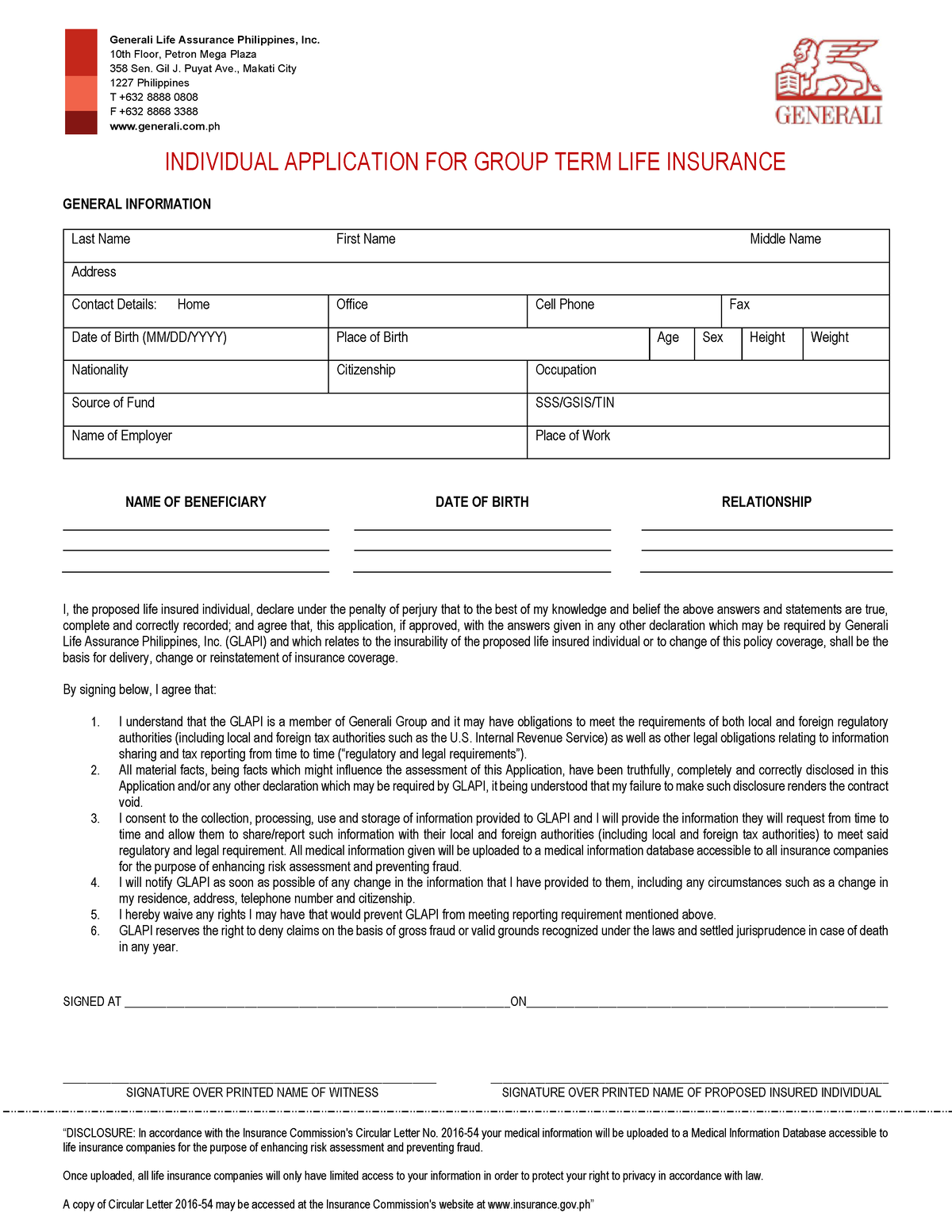
The application process for insurance through Corebridge Financial involves a medical review. The depth of this review depends on the policy amount and your age.
- The Application: You provide personal, financial, and medical history. Accuracy here is paramount, as discrepancies can lead to the denial of a death benefit claim later.
- Medical Questionnaire: You will be asked about pre-existing conditions such as heart disease, diabetes, cancer history, and mobility issues.
- Paramedical Exam: For larger death benefits, you will likely be required to undergo a paramedical exam. This involves a nurse or technician visiting you to record height, weight, blood pressure, and collect blood and urine samples.
- Attending Physician Statement (APS): If your medical history is complex, the insurer may request an APS from your primary care physician to verify your current health status and treatment compliance.
Factors Influencing Eligibility and Premiums
Age is the most significant factor in premium calculation, but it is not the only one. Insurers use "mortality tables" to calculate risk. As a senior, the following factors will heavily weigh on your eligibility:
- Comorbidities: Multiple health issues (e.g., high blood pressure combined with high cholesterol) significantly increase the risk profile compared to having a single controlled condition.
- Tobacco Status: The use of nicotine products at any age creates a massive divergence in premium costs. "Smoker" rates can be two to three times higher than "Non-smoker" rates.
- Driving Record and Lifestyle: High-risk hobbies or a history of major traffic violations can signal to the insurer that you are a higher risk, even if your physical health is excellent.
- Family History: While you cannot change your genetics, your family's medical history (specifically premature deaths among parents or siblings) is standard information requested by underwriters.
Comparison of Policy Features
| Feature | Term Life | Universal Life (UL) | Indexed Universal Life (IUL) |
|---|---|---|---|
| Duration | Fixed (e.g., 10-20 years) | Permanent (Life-long) | Permanent (Life-long) |
| Cash Value | None | Yes | Yes |
| Premiums | Generally Level | Adjustable | Flexible |
| Primary Use | Temporary debt coverage | Estate planning/Legacy | Potential growth/Legacy |
| Risk Level | Low (if premiums paid) | Moderate | High (Market linked) |
Common Challenges and Considerations
One of the most frequent mistakes older applicants make is waiting too long to apply. As you cross age thresholds—often every five years (e.g., 65, 70, 75)—the cost of insurance increases significantly. Additionally, the medical exam becomes more rigorous.
Another consideration is "over-insuring." Some seniors purchase policies with death benefits far exceeding their needs, resulting in high premiums that become unsustainable on a fixed retirement income. Before applying, calculate your "net need" by subtracting your current liquid assets and existing life insurance from your projected final expenses and debt.
Finally, be wary of the "churn" or "replacement" trap. If you already have an older policy, consult with a fee-only financial advisor before canceling it to "upgrade" to a new one. The new policy will be based on your current age (making it more expensive) and may be subject to a new two-year contestability period, during which the insurer can deny claims based on pre-existing condition disclosures.
Frequently Asked Questions
Can I get life insurance at 80 years old?
Yes, it is possible to obtain coverage at 80, though your options will be limited. You will likely be restricted to specific permanent life products, and the premiums will be significantly higher than if you had purchased the policy at age 60.
Does American General (Corebridge) offer "guaranteed issue" policies for seniors?
Guaranteed issue policies usually do not require medical exams but often have a "graded death benefit," meaning if you pass away within the first two or three years of the policy, the insurer only returns the premiums paid plus interest, rather than the full death benefit. You must verify if this is currently available in your state.
How does my current health affect my premiums?
Insurers use a "rating" system. If you are in excellent health, you receive "Preferred" or "Preferred Plus" rates. If you have chronic conditions, you may receive "Standard" or "Substandard" (table-rated) premiums, which are significantly higher.
Is the death benefit taxable?
Generally, life insurance death benefits are income-tax-free to the beneficiary. However, they may be included in your taxable estate for federal estate tax purposes if the estate exceeds current exemption limits. Consult with an estate planning attorney regarding your specific situation.
Can I change my policy type later?
Some permanent policies include "conversion" features that allow you to change the type of coverage or adjust the face amount, but these features are policy-specific. Always read the "Policy Provisions" section of your contract.
Recommendations for Next Actions
If you are considering life insurance in 2026, take these steps to ensure you make an informed decision:
- Inventory Your Assets: List your current debts, expected final expenses, and any existing insurance policies to determine if you actually need more coverage.
- Request an Illustration: Before applying, ask a licensed representative for a "policy illustration." This document projects the costs and cash value of the policy over the next 20+ years. If you don't understand the numbers, do not sign.
- Review the Suitability: Ensure the policy fits your retirement budget. A policy that requires you to cut back on essential expenses is not a sound financial move.
- Consult an Independent Professional: Speak with a financial advisor who acts as a fiduciary. They can help you determine if a life insurance policy is the most efficient way to achieve your goals or if other financial instruments are more appropriate.