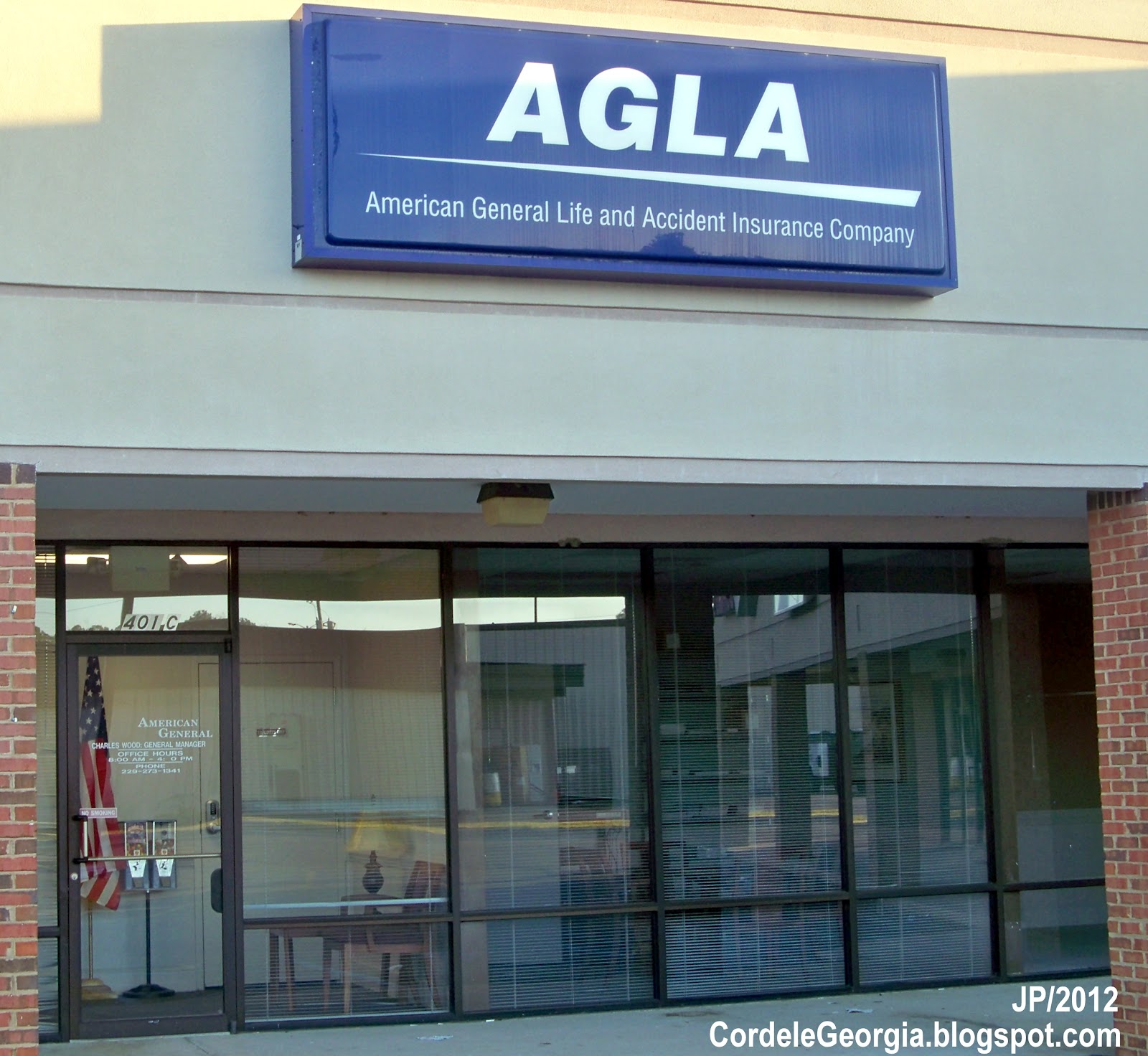
When individuals encounter the phrase "American General Life Insurance Company Inc Grand Ole Opry," they are often attempting to reconcile two distinct entities: a prominent financial services provider and a historic cultural institution. There is no direct corporate merger or product-based integration between American General Life Insurance Company (AGL) and the Grand Ole Opry. Instead, the connection lies in the history of insurance companies as sponsors and stakeholders in American media and the specific historical advertising relationship that once existed between these entities during the mid-20th century. Understanding this connection requires a look at the evolution of broadcast sponsorship, corporate branding in the insurance sector, and the legacy of the Grand Ole Opry as a platform for major American corporations.
The Historical Intersection of Insurance and Broadcast Media
In the mid-20th century, particularly from the 1940s through the 1960s, insurance companies were among the most prominent sponsors of radio and early television programs. This period represented a golden age for "prestige advertising," where financial firms sought to establish trust and domestic stability by associating their brands with wholesome, family-oriented entertainment.
The Grand Ole Opry, as the longest-running radio broadcast in American history, offered a unique reach into rural and suburban households—the exact demographic that insurance companies targeted for life and retirement products. During this era, American General, through various corporate iterations and regional subsidiaries, leveraged the popularity of country music to solidify its presence in the Southern and Midwestern markets. This was not a unique business strategy; companies like Life and Casualty Insurance Company of Nashville, which was intimately linked with the Grand Ole Opry (and famously owned WSM, the station that broadcasts the Opry), set the template for how insurance brands could derive value from the Opry’s loyal listenership.
Corporate Identity: American General Life Insurance Company
American General Life Insurance Company (AGL) has a complex corporate lineage. It is a subsidiary of Corebridge Financial (formerly AIG Life & Retirement). Throughout the 20th century, American General grew through a series of strategic acquisitions, often absorbing smaller regional life insurance firms that already held local advertising contracts.
The confusion often arises because the name "American General" appeared on signage, advertisements, and promotional materials associated with Grand Ole Opry broadcasts or related WSM-AM programming for decades. For the modern consumer, it is essential to distinguish between the current financial products offered by the company—such as term life, universal life, and annuity products—and the historical branding strategies that used the Grand Ole Opry as a vehicle for brand recognition. Today, AGL focuses on digital distribution, policy management via online portals, and contemporary financial planning, far removed from the radio-sponsorship models of the past.
Analyzing the Grand Ole Opry Sponsorship Model
The Grand Ole Opry operated on a sponsorship model that treated "official partners" as part of the show's fabric. Insurance companies provided the "seriousness" to balance the "fun" of the musical performances. By sponsoring specific segments or providing the funding for the broadcast equipment, these companies secured "airtime trust."
| Aspect | Historical Context | Modern Context |
|---|---|---|
| Primary Goal | Brand recognition and localized trust | Global digital presence and product solvency |
| Marketing Channel | Radio sponsorship and live stage presence | Direct-to-consumer digital and financial advisors |
| Audience Reach | Regional radio listeners via WSM | National policyholders and institutional investors |
| Engagement | Live mentions by Opry hosts | Automated portals and mobile interfaces |
Navigating Life Insurance in 2026
If you are researching American General Life Insurance Company (AGL) today because you hold a historical policy or are considering a new one, it is important to separate legacy branding from current functionality. By 2026, the life insurance landscape has shifted heavily toward transparency and digital accessibility.
When evaluating a provider like AGL, potential policyholders should prioritize the following criteria rather than historical associations:
- Financial Strength Ratings: Always check the current ratings from agencies such as AM Best, Moody’s, or S&P Global. These ratings determine the company's ability to pay out long-term death benefits.
- Policy Versatility: Determine if the company offers the specific type of product you need—whether it is term life (for pure protection) or permanent life (for cash-value accumulation).
- Customer Service Infrastructure: Modern insurance companies must provide robust online self-service portals where beneficiaries can file claims, update contact information, and manage payments without the need for manual paperwork.
- Regulatory Compliance: Ensure the policy is filed within your state of residence, as insurance regulations are primarily governed at the state level.
Common Misconceptions Regarding Corporate Mergers
A frequent point of confusion is the belief that American General owns or manages the Grand Ole Opry. The Grand Ole Opry is owned and operated by Opry Entertainment Group, a division of Ryman Hospitality Properties. There is no ownership overlap with AGL or its parent company, Corebridge Financial.
The confusion is likely a residual effect of the strong historical link between the Nashville insurance industry and the country music industry. During the mid-1900s, it was standard for insurance executives to sit on the boards of media companies, and vice versa. This created a perception that the two industries were one and the same. Disambiguating these entities is crucial for anyone currently looking for a policy, as the historical marketing arrangements provide no current benefit or special status to policyholders.
Evaluating Policy Benefits and Claims Processes
For those who believe they may have a dormant or legacy policy from the era of these historical sponsorships, the process of locating information requires a systematic approach. Insurance policies do not expire just because a company changes its advertising strategy or branding focus.
- Search for Records: Check for physical documents, premium receipts, or historical correspondence. Even if the branding on the letterhead looks archaic, the policy number remains the primary identifier.
- Utilize the NAIC Policy Locator: The National Association of Insurance Commissioners (NAIC) provides a Life Insurance Policy Locator Service. If you believe a deceased relative may have held a policy, this tool can help identify companies that may have absorbed the original insurer.
- Verify the Successor: American General has undergone several name changes and rebrandings. Ensure you are contacting the correct legal successor. In 2026, most inquiries for policies under the AGL umbrella are managed through the official Corebridge Financial portal or designated customer service channels.
The Evolution of Branding in Financial Services
The transition from the Grand Ole Opry radio sponsorships to the current digital-first era highlights a broader shift in how financial firms communicate with the public. In the past, companies used high-reach mass media to build a sense of omnipresence. Today, data-driven marketing and personalized financial services have replaced the broad-spectrum approach of radio.
The Grand Ole Opry remains a cultural juggernaut, but its relationship with the financial sector is now focused on modern event partnerships and digital broadcasting. For the insurance industry, the focus has moved to "customer experience" (CX), where the value proposition is defined by how quickly a claim can be processed or how easily an annuity can be tracked via a smartphone application.
Frequently Asked Questions (FAQ)
Does American General Life Insurance have a current partnership with the Grand Ole Opry? No. There is no current corporate or marketing partnership between American General Life Insurance Company and the Grand Ole Opry. Any historical association was based on mid-20th-century broadcast sponsorship models that are no longer in effect.
How do I find an old insurance policy that might have been associated with these historical ads? You should search for original paper documentation containing a policy number. If the policy is lost, use the National Association of Insurance Commissioners (NAIC) Life Insurance Policy Locator Service to search for unclaimed policies held by subsidiaries of the company.
Is American General Life Insurance Company the same as the Grand Ole Opry owners? No. American General Life Insurance Company is a subsidiary of Corebridge Financial, which is a financial services organization. The Grand Ole Opry is owned by Ryman Hospitality Properties. These are entirely separate corporate entities.
Why do some people associate the two names together? The association is largely historical. During the mid-1900s, insurance companies frequently sponsored the Opry’s radio broadcasts to reach a broad, family-oriented audience, leading many consumers to link the brand names in their collective memory.
How has the insurance industry changed since the mid-20th century? The industry has moved from localized, relationship-based, and mass-media-driven models to globalized, digital, and data-driven systems. Policy management is now conducted via secure web portals rather than through the high-touch, broadcast-sponsored advertising of the past.
Next Steps for Policyholders and Researchers
If you are attempting to manage a policy or conduct research related to American General Life Insurance Company, focus your efforts on official corporate channels. In 2026, the most effective way to secure information is to utilize the official website of the parent company, Corebridge Financial, to verify your specific account status.
For those researching the history of the Grand Ole Opry sponsorships, the Country Music Hall of Fame and Museum archives in Nashville, Tennessee, serve as the definitive repository for records regarding historical broadcast partnerships. By distinguishing between the current financial provider and the historical context of the Opry, you can accurately navigate both your personal financial needs and your interest in broadcast history.
If you are currently a policyholder, ensure that your beneficiary information is updated within the 2026 digital portal to reflect your current personal circumstances, as historical policies may sometimes contain outdated contact or designation information. Always consult with a licensed financial advisor if you are reviewing the performance of a legacy permanent life insurance policy to ensure it still aligns with your current financial goals.