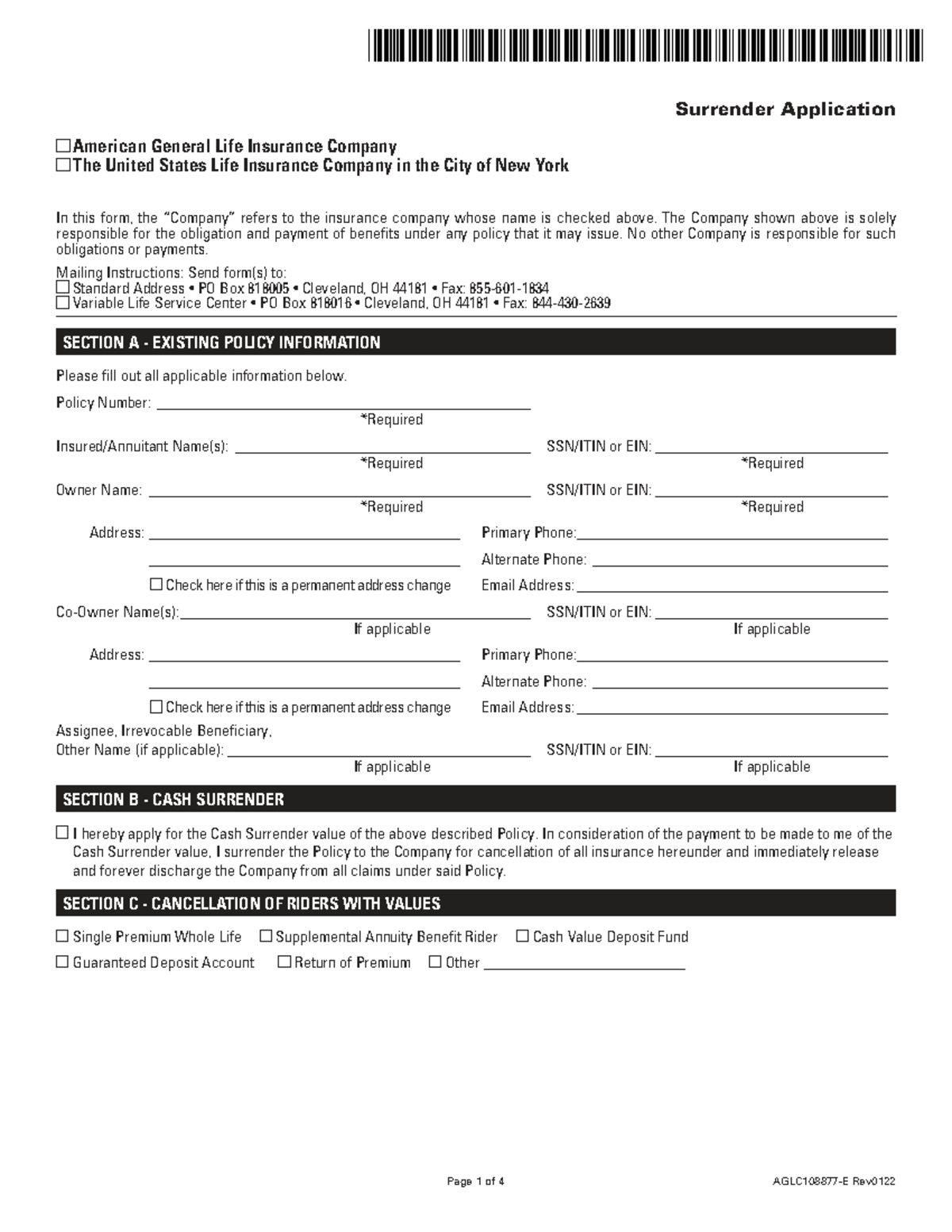
American General Life Insurance (a subsidiary of AIG) Accident Expense Plus is a supplemental insurance product designed to provide cash benefits following a covered accidental injury. It functions as a defined-benefit indemnity policy, meaning it pays out fixed amounts based on specific injury types or medical treatments, rather than covering the total cost of medical services. This policy is primarily intended to offset out-of-pocket costs—such as deductibles, copayments, and non-medical expenses—that arise after an accidental event.
Core Purpose and Functionality
Accident insurance operates differently than standard major medical health insurance. While comprehensive health plans are designed to cover the bulk of medical expenses—subject to a network and cost-sharing structure—supplemental accident plans like the Accident Expense Plus are "gap fillers."
When an individual suffers an injury due to an accident, the financial burden is often immediate and unforeseen. Co-pays for emergency room visits, ambulance transport fees, or physical therapy sessions can accumulate rapidly. The Accident Expense Plus policy provides a lump-sum payment directly to the policyholder (or a designated beneficiary) when specific criteria are met. Because this is an indemnity plan, the benefit amount is predetermined in the policy schedule. If you suffer a covered fracture, for example, the policy pays the specified dollar amount for that fracture, regardless of whether your total medical bill was higher or lower than that amount.
This structure provides a measure of financial predictability. Policyholders often use these funds to cover non-medical costs associated with recovery, such as transportation to specialists, childcare while attending therapy, or the loss of income if the injury requires a temporary leave of absence from employment.
Eligibility and Prerequisites
Accessing the American General Life Insurance Accident Expense Plus requires meeting specific underwriting and eligibility standards. As of 2026, most policies of this nature are offered through employer-sponsored benefit programs, though individual versions may be available depending on state-specific filings and product distribution channels.
Key Eligibility Requirements:
- Age Limitations: Most policies require the primary insured to be between 18 and 65 or 70 years of age at the time of enrollment.
- Active Employment: For employer-sponsored plans, applicants typically must meet minimum hours-worked requirements per week to qualify for enrollment.
- Residency: Coverage is subject to state-specific regulations. Applicants must reside in a state where the policy form has been approved and filed by the Department of Insurance.
- Evidence of Insurability (EOI): While many supplemental accident policies are issued on a "guaranteed issue" basis—meaning you do not need to provide extensive medical history—some higher-benefit tiers may require a basic health questionnaire.
It is critical to review the "Summary of Benefits" document specific to your employer’s plan or your individual policy. Eligibility criteria can shift based on the date of issue and the specific contract language governing your jurisdiction.
Understanding Coverage Scenarios
The strength of an accident expense policy lies in its schedule of benefits. This is a comprehensive list of injuries and treatments paired with their respective payout amounts. To understand the true value of the coverage, policyholders must examine how the policy categorizes different types of harm.
Common Covered Events:
- Emergency Room Visits: A set amount provided for every visit to an ER resulting from an accidental injury.
- Ambulance Transport: Fixed benefits for ground or air ambulance services necessitated by an accident.
- Fractures and Dislocations: The policy typically categorizes these by severity (e.g., compound vs. simple fracture) and location (e.g., hip vs. finger), assigning higher benefits to more debilitating injuries.
- Hospitalization: A daily benefit amount provided for every day spent as an inpatient in a hospital due to an accident.
- Surgery and Anesthesia: Specific cash benefits for surgical procedures necessitated by covered accidental trauma.
- Physical Therapy: An allotment for a specific number of follow-up sessions designed to aid in rehabilitation.
Comparison of Coverage Types
Distinguishing between supplemental accident insurance and other common types of coverage is essential for financial planning. The table below outlines how Accident Expense Plus compares to other typical insurance vehicles.
| Feature | Accident Expense Plus | Major Medical Insurance | Disability Insurance |
|---|---|---|---|
| Primary Goal | Offsetting out-of-pocket costs | Covering broad medical bills | Replacing lost income |
| Trigger | Accidental Injury | Illness or Injury | Inability to work |
| Payout Type | Fixed lump-sum / Schedule | Network-based reimbursement | Percentage of salary |
| Network Limits | No network requirements | Highly network dependent | N/A |
| Duration | Per-event basis | Ongoing annual coverage | Long-term or short-term |
The Claims Process: A Practical Guide
When an injury occurs, navigating the claims process efficiently is the most important step in realizing the value of the policy. The procedure generally follows a standard sequence:
- Immediate Notification: Most policies require that you notify the insurance carrier within a specific timeframe (often 20 to 30 days) following an accident. Failure to notify the insurer promptly can result in claim denial.
- Gathering Documentation: You will need the medical records detailing the diagnosis, the nature of the injury, and the treatments received. Ensure you have itemized bills from the hospital or clinic.
- Submission: Use the official claim form provided by the insurer. Ensure that the physician who treated the injury provides a signed statement or that the medical report clearly links the treatment to an accidental injury.
- Verification: The claims department will review the submitted medical records against the policy schedule to determine which injuries or treatments qualify for benefits.
- Disbursement: Once verified, the payment is typically sent directly to the policyholder via check or electronic funds transfer.
Common Mistakes to Avoid
- Confusing Illness with Accident: Supplemental accident policies specifically exclude illnesses (e.g., cancer, infections, or heart conditions). Attempting to file a claim for a non-accidental injury will result in an immediate denial.
- Missing Filing Deadlines: Always check the "Proof of Loss" deadline in your policy certificate.
- Failure to Provide Detailed Reports: Simply stating that you were in an accident is insufficient. You must provide specific diagnostic codes (ICD-10) or medical descriptions that match the "Schedule of Benefits" in your policy.
Financial and Operational Limitations
While American General Life Insurance Accident Expense Plus is a valuable financial safety net, it is not a comprehensive replacement for health insurance. It is subject to several operational limitations that potential policyholders must understand.
Exclusions and Limitations
- Pre-existing Conditions: Policies often contain clauses regarding injuries sustained from pre-existing physical conditions, though these are less common in pure accident insurance than in health insurance.
- High-Risk Activities: Injuries sustained while participating in professional sports, extreme sports, or illegal activities are typically excluded from coverage.
- Alcohol and Drugs: Many policies contain "intoxication exclusions," meaning if an injury occurs while the insured is under the influence of alcohol or non-prescribed drugs, the claim may be denied.
- Maximum Benefit Limits: Most policies have a maximum annual payout or a per-incident limit. Once these thresholds are met, the insurer has no further obligation for that policy year.
Strategic Considerations for Policyholders
For individuals evaluating whether to enroll in an accident expense plan in 2026, the decision should be based on a personal risk-reward assessment. If your major medical plan has a high deductible, an accident expense policy can serve as a vital hedge. By paying a relatively low monthly premium, you create a dedicated pool of funds that can be accessed without depleting your savings should an accident occur.
Families with active children or individuals who participate in physically demanding hobbies may find the cost of the premiums easily justified by the financial buffer the policy provides. Conversely, for those with low-deductible health plans and low-risk lifestyles, the cost of the premiums might exceed the expected value of the benefits over time.
Frequently Asked Questions
1. Does Accident Expense Plus cover illness-related hospitalizations?
No. This policy is specifically designed for accidental injuries. It does not provide benefits for medical expenses related to sickness, diseases, or chronic health conditions.
2. Can I use the benefit money for expenses other than medical bills?
Yes. Because the payment is made directly to you as a fixed-indemnity benefit, you are not required to provide proof that you spent the money on medical care. You can use the funds for any purpose, including living expenses, travel, or debt reduction.
3. What if my injury occurs at work?
Coverage for work-related injuries depends on your specific policy. In many cases, these policies are designed to be "non-occupational," meaning they may not pay if Workers' Compensation is expected to cover the injury. Always check your certificate of coverage for coordination-of-benefits clauses.
4. Do I need to be in a network of doctors to file a claim?
Generally, no. Supplemental accident insurance typically allows you to seek care from any licensed physician or facility, as the payout is based on the injury sustained rather than a contract with a specific medical network.
5. Will my premiums increase if I file a claim?
Typically, no. Supplemental accident insurance premiums are usually level and are not adjusted based on your individual claim history. However, the insurer reserves the right to adjust premiums for the entire group or risk pool at their discretion.
Final Recommendation
To maximize the utility of your American General Life Insurance Accident Expense Plus, take the time to store a digital or physical copy of your "Schedule of Benefits" in a location accessible to your family in an emergency. In the event of an accident, secure detailed, itemized medical reports immediately, as these are the primary documents that will support your claim. Should you have questions regarding a specific injury or coverage limit, contact the claims department listed on your policy document as soon as the injury occurs to verify the necessary steps for your specific jurisdiction and policy version.