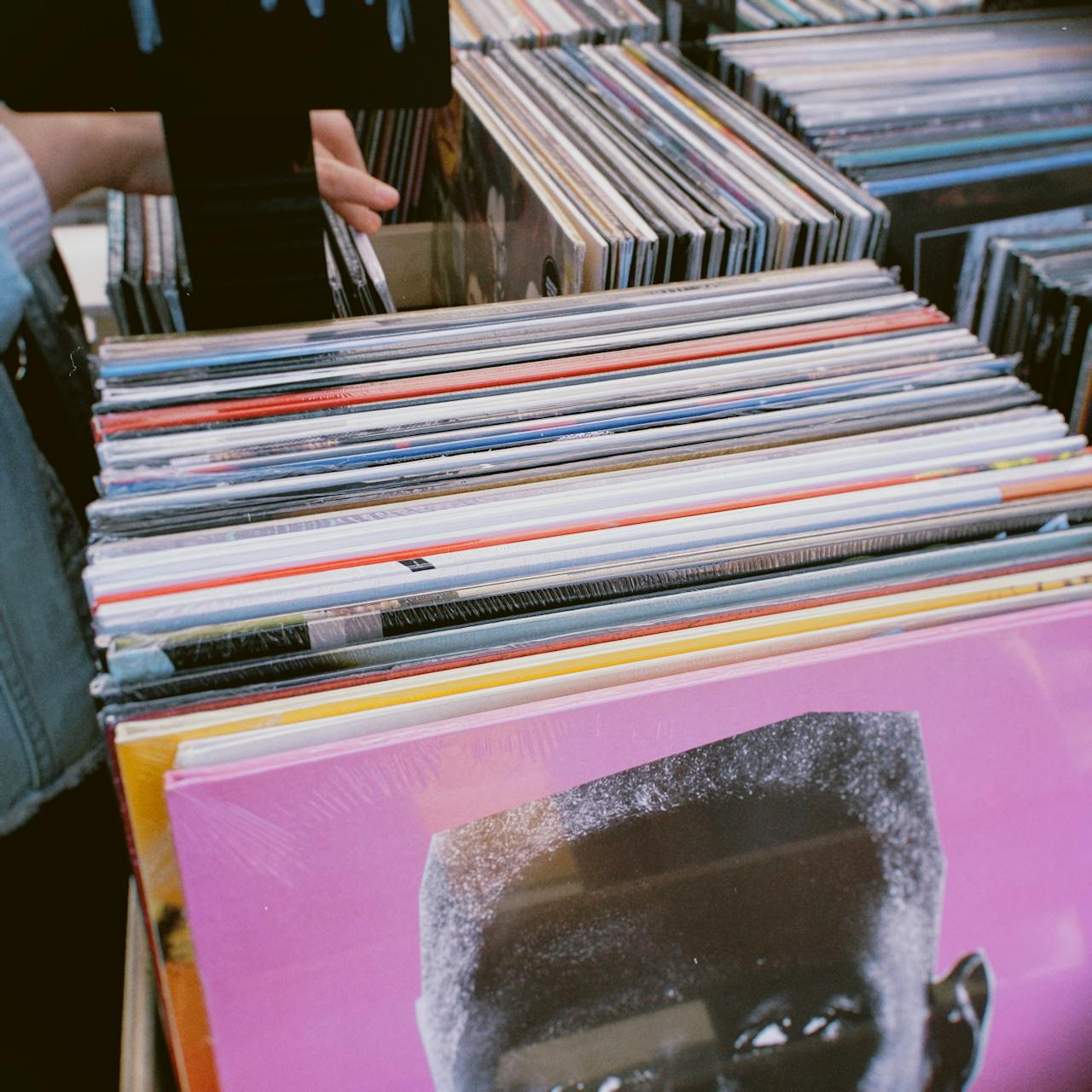
A vinyl records database is a comprehensive digital catalog designed to store, organize, and retrieve information about analog audio recordings, including release years, record labels, matrix numbers, and pressing variations. These platforms empower collectors to manage their physical libraries, evaluate pressing authenticity, and track real-time market valuations with precision.
Understanding the Purpose and Evolution of Vinyl Databases
The resurgence of analog audio formats over the past two decades has transformed music collection from a niche hobby into a complex, global marketplace. As collectors amass hundreds or thousands of LPs, traditional pen-and-paper logs or generic spreadsheet software quickly prove inadequate. A dedicated vinyl records database addresses this challenge by providing standardized taxonomies for artists, albums, tracks, catalog numbers, and physical formats.
Unlike general media tracking tools, a professional-grade vinyl catalog accounts for the granular nuances inherent to analog media. Pressing plants, lacquer cut variations, country of origin, vinyl weight (such as 180-gram audiophile pressings), and color variants can drastically alter both the aesthetic value and the financial worth of a recording. By centralizing these variables, databases establish a common language for collectors, archivists, dealers, and historians worldwide.
Key Features to Look For in a Vinyl Records Database
When evaluating a digital cataloging system for a personal or institutional collection, certain architectural and functional features are indispensable. Whether utilizing a community-driven open registry or a private software application, the platform must support deep data structuring and intuitive user workflows.
Granular Cataloging and Metadata Fields
A robust database must capture more than just the artist name and album title. Essential metadata fields include:
- Catalog Number: The unique alpha-numeric code assigned by the record label, usually printed on the spine or run-out groove.
- Matrix / Run-out Etchings: The deadwax inscriptions that provide definitive proof of a specific lacquer cut and pressing batch.
- Barcode (UPC/EAN): Essential for scanning modern releases and rapid data entry.
- Media and Sleeve Condition: Standardized grading metrics (such as the Goldmine Standard, ranging from Mint to Fair) to track wear and tear.
- Pressing Plant Identifiers: Specific stamps, logos, or etching symbols indicating where the physical disc was manufactured.
Valuation and Market Tracking Integration
For collectors interested in the financial dimensions of their libraries, integration with historical sales data is critical. Advanced databases aggregate marketplace transactions from platforms like Discogs, eBay, and specialized auction houses to generate automated median, minimum, and maximum value estimates for every specific release variant in a collection.
Collection Management and Export Tools
A functional database must allow users to sort, filter, and tag their libraries by genre, release decade, country, format (LP, 7-inch, 12-inch, cassette), and custom user-defined criteria. Furthermore, robust export capabilities—supporting formats like CSV, Excel, or JSON—ensure that users retain absolute ownership of their data without being locked into a proprietary ecosystem.
Major Platforms and Public Vinyl Databases Compared
The landscape of vinyl record databases includes community-driven global registries, commercial marketplace hybrids, and offline desktop applications. Choosing the right tool depends heavily on whether a collector prioritizes global data sharing, marketplace integration, or absolute privacy and offline control.
| Platform Type | Primary Function | Data Source | Best Suited For | Key Limitation |
|---|---|---|---|---|
| Community-Driven Registries (e.g., Discogs) | Global cataloging and peer-to-peer marketplace | User-contributed and peer-reviewed | General collectors, price checking, and global trading | Potential metadata inaccuracies pending moderation |
| Specialized Desktop Software (e.g., Collectorz.com / CLZ Music) | Private, offline/cloud personal inventory | Commercial databases and manual entry | Collectors prioritizing privacy and structured offline organization | Subscription fees or upfront software costs |
| Institutional Archives (e.g., Library of Congress Recorded Sound Section) | Preservation, historical documentation, and research | Curated scholarly metadata | Musicologists, historians, and archival institutions | Limited public contribution or personal collection features |
| Spreadsheet Solutions (e.g., Excel, Google Sheets) | Fully customizable personal tracking | Manual data entry by user | Advanced users with highly specific custom logging needs | Lacks automated pricing history and global metadata lookup |
Practical Steps to Build and Maintain Your Vinyl Database
Establishing a clean, accurate digital inventory requires a methodical approach. Attempting to catalog a large collection without a standardized workflow often leads to duplicate entries, mismatched pressing versions, and abandoned projects.
Step 1: Establish Your Cataloging Criteria
Determine the scope of your inventory project. Decide whether you are tracking only the core audio content or if you intend to record exhaustive details, including purchase dates, acquisition costs, specific sleeve variants, and precise media grading notes. Consistency in your data entry habits from day one prevents extensive cleanup later.
Step 2: Select the Appropriate Software or Registry
Evaluate your technical comfort level and goals. If you wish to leverage existing community databases to avoid manual typing, choose a cloud-based registry with barcode scanning capabilities. If data privacy or custom database fields are paramount, opt for dedicated desktop cataloging software or a carefully structured spreadsheet template.
Step 3: Inspect and Verify Physical Attributes
Before entering a record into the database, examine the physical artifact carefully. Do not rely solely on the front cover art, as identical covers are often reused across multiple repressings, countries, or decades. Examine:
- The Spine and Back Cover: Look for manufacturing logos, distribution credits, and barcode variations.
- The Inner Sleeve and Labels: Note color schemes, label typography, and copyright dates.
- The Run-out Groove (Deadwax): Read the stamped or hand-etched matrix numbers. This is the single most reliable method to differentiate an original pressing from a modern reissue.
Step 4: Implement Routine Audits and Backups
A digital database is only as good as its maintenance schedule. Periodically cross-reference your physical collection against your digital inventory to account for trades, sales, or acquisitions. If you utilize offline software or spreadsheets, maintain regular cloud or external hard drive backups to prevent catastrophic data loss due to hardware failure.
Common Mistakes in Vinyl Cataloging and How to Avoid Them
Even experienced collectors frequently encounter pitfalls when maintaining a vinyl records database. Recognizing these missteps ensures long-term accuracy and utility.
- Conflating Pressings: Entering a modern 180-gram reissue under the catalog entry of an original 1970s pressing distorts both historical accuracy and collection valuation. Always match the exact run-out matrix data.
- Ignoring Grading Standards: Inconsistent application of condition grading makes marketplace valuations unreliable. Adhere strictly to established industry grading standards rather than optimistic personal assessments.
- Failing to Backup Data: Relying entirely on a single local file without cloud synchronization or exported backups risks the permanent loss of years of cataloging work.
- Neglecting Variant Details: Overlooking pressing plant symbols (such as the Monarch "triangle-MR" or Columbia pressing stamps) leaves valuable contextual data unrecorded.
Frequently Asked Questions About Vinyl Records Databases
How do I identify the exact pressing of my vinyl record?
To identify an exact pressing, inspect the run-out groove (the smooth vinyl area between the last track and the label) for stamped or hand-etched matrix numbers. Compare these alphanumeric codes, along with the label design, sleeve typography, and barcode, against entries in comprehensive databases to find an exact match.
Can I use a vinyl database offline?
Yes, several desktop cataloging applications allow you to store and manage your collection locally on your computer or mobile device without requiring a constant internet connection. However, features like real-time market pricing and global metadata lookups generally require internet access.
How do vinyl databases calculate record values?
Most modern databases calculate market value by aggregating historical sales data from completed peer-to-peer transactions on secondary marketplaces. They typically display a price range based on the minimum, median, and maximum prices paid for records matching the exact media and sleeve condition grade.
Is it better to use a free public database or paid software?
The choice depends on your specific needs. Free community-driven registries offer unparalleled access to global data, barcode scanning apps, and integrated marketplaces. Paid desktop software often provides superior privacy, advanced custom data fields, and robust offline organization tools without third-party advertisements.
How should I record records that are in poor condition?
You should log the item accurately by selecting the appropriate lower grade (such as Good or Fair) in the condition metadata field. Documenting specific flaws—such as surface scratches, split seams, or writing on the jacket—ensures realistic valuation and transparent record-keeping.
Final Recommendations for Collectors
Maintaining an accurate vinyl records database requires patience and consistency, but the long-term benefits far outweigh the initial time investment. Begin by cataloging your collection in manageable batches—such as one shelf or genre at a time—to prevent fatigue. Always prioritize verification of run-out matrix data over quick visual assumptions, and ensure your final catalog is backed up securely. By treating your collection with archival precision, you protect both the historical integrity of the recordings and the financial value of your investment.